Benefits of Commercial Playground Equipment for Indoor Play
Why Indoor Play Environments Matter
Indoor play spaces are far more than entertainment venues — they are controlled environments that support physical development, social skills, and year-round business opportunities. For operators, selecting high-quality commercial playground equipment is a strategic decision that affects safety, longevity, guest satisfaction, and profitability. This article examines the multifaceted benefits of commercial playground equipment for indoor play, provides evidence-based guidance for buyers and operators, and outlines how a professional manufacturer partner can add value.
Safety and Compliance: commercial playground equipment as a risk-management tool
Safety is the foundational benefit of choosing certified commercial playground equipment for indoor facilities. Equipment designed for commercial use is engineered to meet industry standards for structural integrity, fall protection, and surface impact attenuation. Commercial equipment is typically manufactured to comply with recognized standards and guidelines such as ASTM (where applicable) and recommendations from playground safety authorities. This reduces liability risks and helps facilities pass inspections.
Key points:
- Commercial-grade materials and engineering reduce failure points and premature wear.
- Certified padding, netting, and barrier systems minimize injury severity for common incidents.
- Manufacturer documentation and test reports support due diligence for insurance and regulatory reviews.
Reference frameworks: Consumer Product Safety Commission (CPSC) guidance and standards organizations provide public safety recommendations that commercial solutions follow to a greater degree than consumer-grade products .
Durability and Total Cost of Ownership: commercial playground equipment lowers lifecycle costs
One of the most measurable advantages of commercial playground equipment is reduced total cost of ownership (TCO). Initial capital expenditure is only part of the equation; commercial equipment is designed for high throughput, frequent cleaning, and years of heavy use without structural degradation. Using higher-grade steel, UV-stable plastics, industrial fasteners, and reinforced seams translates into fewer repairs, lower replacement frequency, and less downtime.
Typical differences between commercial and residential-grade indoor play equipment:
| Feature | Commercial Playground Equipment | Residential/Consumer Equipment |
|---|---|---|
| Design life | 8–15+ years (with maintenance) | 2–5 years (depending on use) |
| Materials | Industrial-grade steel, reinforced PVC, commercial foam | Light-gauge steel, consumer plastics |
| Maintenance frequency | Planned preventative schedule; low emergency repairs | Higher repairs; replacement parts harder to source |
| Safety testing & certification | Documented test reports; designed for high usage | Limited or no commercial test documentation |
| Warranty & support | Commercial warranties and spare-parts support | Shorter consumer warranties |
These attributes lower labor and materials spending over time, and protect revenue by minimizing periods when equipment must be taken offline for repairs.
Child Development Benefits: how commercial playground equipment enhances physical and cognitive growth
High-quality commercial indoor playgrounds can be intentionally designed to support multiple domains of child development — gross motor, fine motor, sensory integration, social-emotional learning, and imaginative play. Play structures with variable climb heights, balance elements, obstacle courses, and sensory panels promote coordination, vestibular development, and problem-solving.
Evidence-based insights:
- Play contributes to cognitive and social development — multiple pediatric authorities emphasize unstructured play's role in creativity, risk assessment, and executive function formation .
- Indoor environments allow climate-controlled, scheduled programming that supports developmental milestones year-round, especially in regions with harsh weather.
Design implication: commercial equipment that provides graded challenges (easy → moderate → difficult) encourages mastery and repeated engagement, which is more beneficial than one-dimensional play pieces.
Operational Flexibility and Revenue Opportunities: commercial playground equipment as a business enabler
Commercial indoor playground equipment enables operators to diversify revenue streams. Well-designed facilities can host birthday parties, classes (e.g., toddler movement, sensory sessions), private events, corporate family days, and seasonal promotions. Equipment modularity supports quick reconfiguration for different age groups or event formats.
Business advantages include:
- Higher throughput: robust surfacing and durable elements shorten turnover time between sessions.
- High Quality pricing: customers pay for perceived safety, cleanliness, and novelty; commercial installations often justify High Quality admission fees.
- Ancillary revenue: cafes, retail, lessons, and memberships increase customer lifetime value.
Market snapshot: industry analyses indicate steady growth in the indoor family entertainment center and playground sectors due to urbanization and demand for curated, safe children’s experiences (see references) .
Design Customization and Brand Differentiation: commercial playground equipment as an experience platform
Commercial suppliers offer customization options that allow operators to align playground design with brand identity, spatial constraints, and target demographics. Thematic builds, integrated technology (e.g., interactive panels, light and sound elements), and bespoke color palettes help venues stand out in competitive leisure markets.
Design elements that increase dwell time and satisfaction:
- Age-segregated zones to reduce conflict and maintain safety for younger children.
- Parent-viewing areas and integrated seating to support longer stays and higher food/beverage spend.
- Multi-sensory features for inclusivity (quiet zones, tactile panels) to serve children with different needs.
ROI comparison: Examples of measurable impacts
| Metric | Impact of Commercial Equipment | Source/Notes |
|---|---|---|
| Average session length | +15–40% vs basic setups (depends on attractions) | Operators report longer dwell time with multi-zone offers |
| Repeat visitation | Higher with varied and refreshable attractions | Memberships and seasonal programming drive repeat visits |
| Maintenance spend | Lower annualized for commercial-grade equipment | Reduced emergency replacements and faster serviceability |
Maintenance, Cleaning, and Infection Control: commercial playground equipment for modern hygiene needs
Indoor play venues must meet elevated cleaning and infection-control expectations. Commercial playground manufacturers design equipment with cleanability in mind: replaceable vinyl covers, sealed joint systems, anti-microbial surface options, and materials compatible with commercial disinfectants. These choices reduce labor time and support public health compliance during heightened concern periods.
Operational recommendations:
- Specify materials and finishes that withstand hospital-grade disinfectants where necessary.
- Maintain a documented cleaning SOP and product-compatible chemical list provided by the manufacturer.
- Schedule preventative inspections to catch wear points before they affect hygiene or safety.
Environmental Considerations: sustainability and material selection in commercial playground equipment
Leading manufacturers are adopting sustainable materials and practices: recycled-plastic components, low-VOC foams, and modular designs that extend product life. When evaluating equipment, operators should request material declarations and end-of-life guidance to assess environmental impact.
Procurement checklist for sustainability:
- Ask for recycled-content percentages for plastics and composite panels.
- Request VOC testing data for adhesives and foams.
- Prioritize modularity and part-level replacements over full-structure disposal.
Choosing a Manufacturer: what to expect from commercial playground equipment suppliers
Selecting a manufacturer is a strategic decision. Professional suppliers should provide:
- Turnkey services: concept design, engineering drawings, installation, and after-sales support.
- Compliance documentation: test reports, material specifications, and maintenance guides.
- Customization: theming, age zoning, and integration with facility systems (HVAC, fire egress).
- Transparent warranties and spare-parts availability.
A strong supplier partnership reduces project risk and supports faster time to revenue.
Manufacturer Spotlight: Guangzhou Feifan Amusement Equipment Co., Ltd. (FEI FAN)
Guangzhou Feifan Amusement Equipment Co., Ltd. was established in 2017. We are a comprehensive indoor playground equipment manufacturer that integrates design, research and development, production, sales, and service. And we have a modern factory building of 6400m² and a 5800 m² office building. Our company's main products include indoor playgrounds, trampoline park equipment, and outdoor amusement equipment. We are committed to creating high-end indoor and outdoor children's amusement equipment and enjoy a high reputation both at home and abroad. We look forward to working together with customers to create a better childhood!
FEI FAN differentiators and strengths:
- Integrated capabilities: in-house R&D, design, and production enable tighter quality control and faster customization cycles.
- Manufacturing scale: dedicated factory and office facilities support volume projects and reliable lead times.
- Product range: indoor playgrounds, trampoline park equipment, and themed indoor parks (Indoor Theme Park) provide holistic solutions for family entertainment centers.
- Customer-focused approach: turnkey services from concept through installation and after-sales support create efficient one-stop solutions.
FEI FAN’s mission: committed to becoming a global leader in the children's play equipment industry, with a core belief in creating joyful, safe, and imaginative spaces for every child. Through professional design, high-quality manufacturing, and fully customized services, FEI FAN delivers efficient, one-stop indoor playground solutions for clients around the world. FEI FAN is not just a manufacturer — it is a creator of joyful experiences, enabler of parent-child interaction, and companion in child development.
Practical Buying Guide: specifying commercial playground equipment for indoor play
Before purchasing, work through a structured brief that covers:
- Target demographics & capacity forecasts (age ranges, peak hourly throughput).
- Available floor area, ceiling height, and egress constraints.
- Budget envelope including installation, shipping, and contingency.
- Programming goals (open play, parties, classes, rental spaces).
- Maintenance capability and cleaning protocols.
- Certification and warranty requirements.
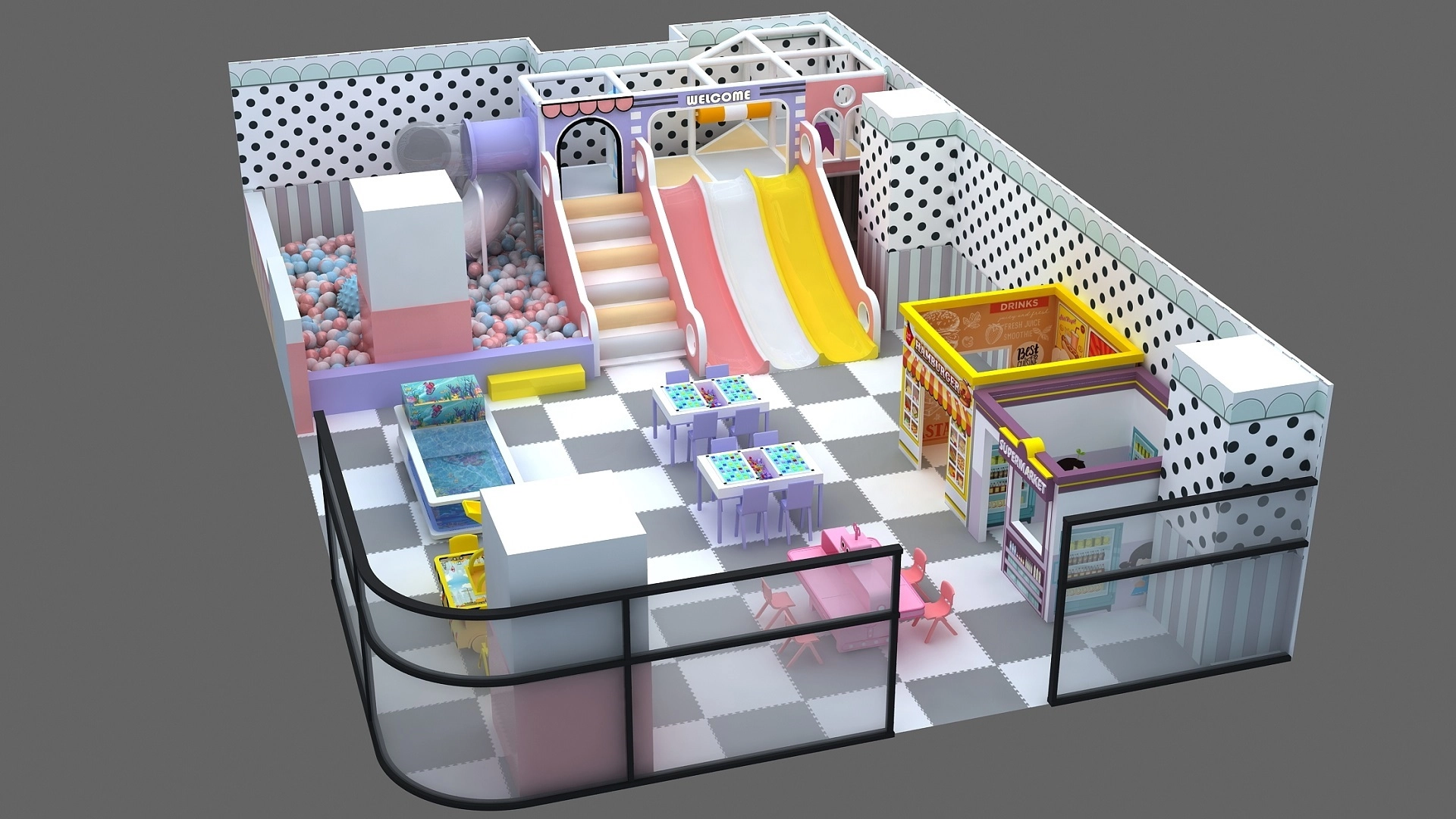
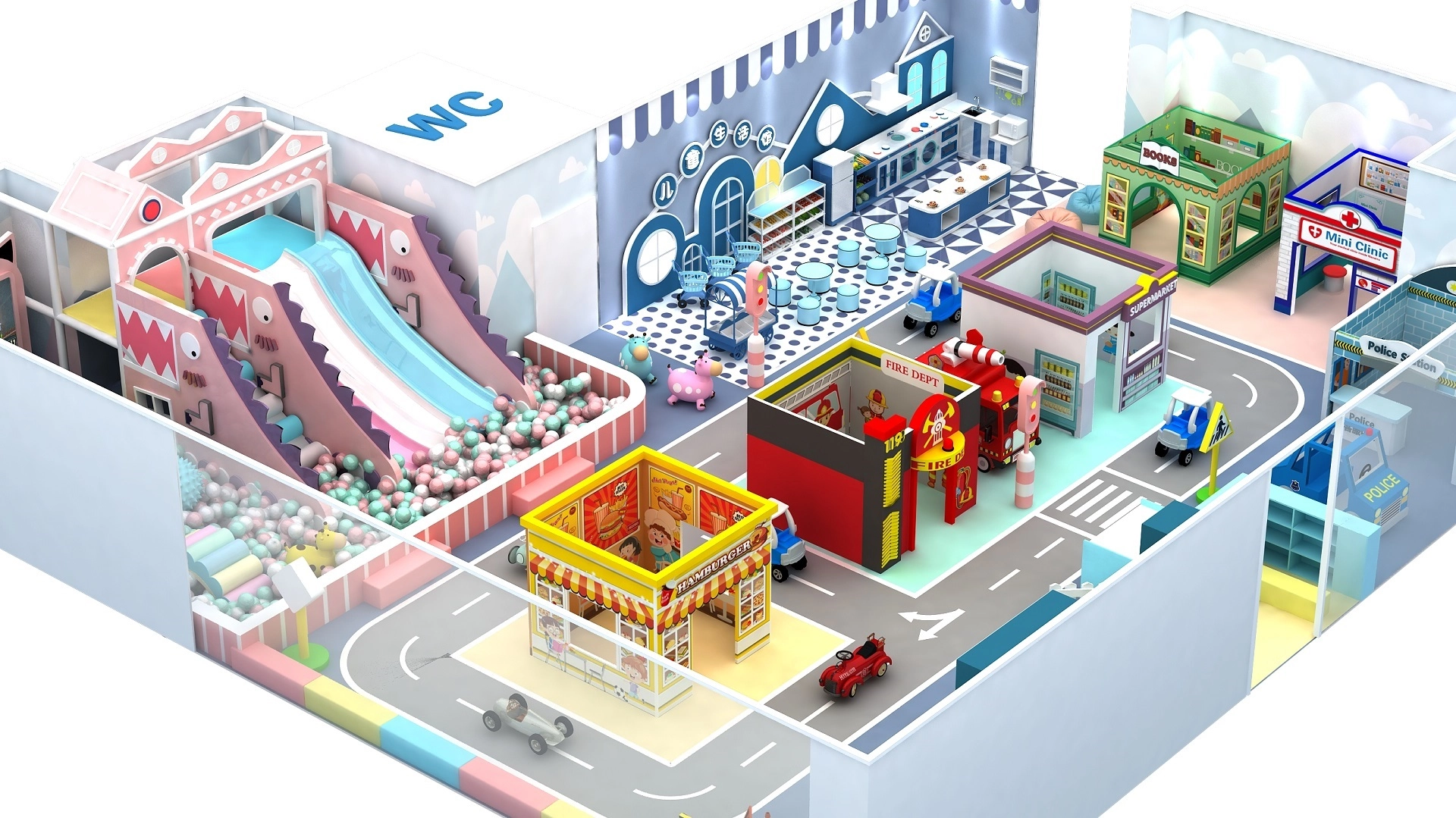
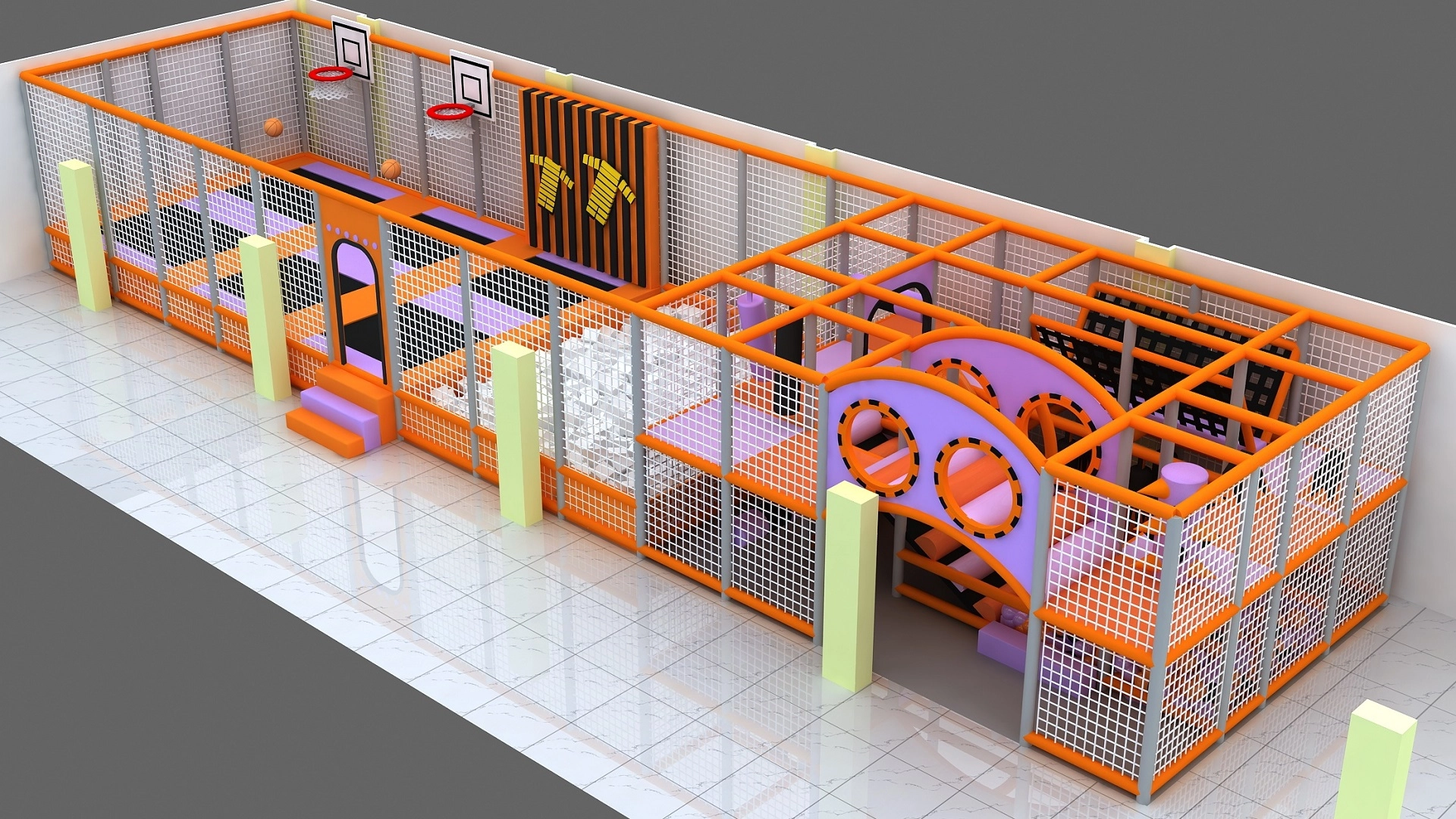
Ask potential suppliers for a clear proposal that includes 3D renderings, maintenance checklists, certification copies, and a spare-parts list. Use pilot metrics (expected dwell time, average spend, membership conversion) to model ROI scenarios before committing.
Case Example: How a mid-sized family entertainment center upgraded with commercial playground equipment
Summary of outcomes after retrofit with commercial equipment:
- Average session length increased by 25% (from 50 minutes to 62 minutes), improving F&B spend.
- Complaints related to equipment failures dropped by 80% in the first 12 months.
- Membership sign-ups rose by 18% after introduction of age-segmented zones and monthly themed programming.
These operational improvements illustrate how investment in the right equipment can translate into measurable business performance.
FAQ — Frequently Asked Questions about commercial playground equipment for indoor play
1. What makes equipment “commercial” versus “residential”?
Commercial equipment is manufactured for high-frequency use with industrial materials, enhanced structural engineering, documented testing, and service/support tailored for facility operators. Residential products are designed for lower frequency, lighter loads, and simpler warranties.
2. How do I verify a supplier’s safety and quality claims?
Request test reports, material specifications, maintenance guides, and references from existing clients. Verify certifications or compliance with recognized standards and ask for third-party inspection records if available.
3. What is the expected lifespan of commercial indoor playground equipment?
With proper maintenance, commercial indoor equipment typically lasts 8–15+ years. Lifespan depends on usage intensity, materials, maintenance, and environmental conditions.
4. How often should I schedule maintenance and inspections?
Daily visual checks, weekly cleaning routines, monthly preventative inspections, and annual structural audits are common industry practices. Follow the manufacturer’s maintenance schedule for specific tasks and intervals.
5. Can commercial playground equipment be customized to accommodate children with special needs?
Yes. Many manufacturers offer inclusive design elements such as sensory panels, quiet zones, accessible ramps, and tactile components. Consult with designers to integrate inclusive features into the master plan.
6. What are typical warranty terms and after-sales support I should expect?
Commercial warranties vary but commonly include multi-year coverage on structural elements and shorter coverage for wear items. Strong suppliers provide spare parts availability, installation support, and maintenance training.
7. How does investment in commercial equipment affect insurance High Qualitys?
Using certified, commercial-grade equipment typically reduces operational risk and can positively influence insurance underwriting. Provide insurers with documentation of compliance and maintenance programs to support favorable terms.
Contact & Next Steps
If you are planning a new indoor play facility or considering an upgrade, working with an experienced manufacturer like Guangzhou Feifan (FEI FAN) streamlines the process. FEI FAN provides turnkey design, manufacturing, and installation for indoor playgrounds, trampoline parks, and indoor theme parks, backed by a modern factory and global project experience.
Contact FEI FAN to request a consultation, project proposal, or factory visit. Our team can provide concept renderings, detailed specifications, and ROI modeling to help you make an informed investment that benefits children and your business.
References
- American Academy of Pediatrics. The Importance of Play in Promoting Healthy Child Development and Maintaining Strong Parent-Child Bonds. Pediatrics. 2007. https://pediatrics.aappublications.org/content/119/1/182 (accessed 2025-12-20).
- U.S. Consumer Product Safety Commission (CPSC). Public Playground Safety Handbook. https://www.cpsc.gov/s3fs-public/325.pdf (accessed 2025-12-20).
- International Play Equipment Manufacturers Association (IPEMA). Certification and Standards Information. https://ipema.org/ (accessed 2025-12-20).
- Grand View Research. Indoor Playground Market Size, Share & Trends Analysis Report. https://www.grandviewresearch.com/industry-analysis/indoor-playground-market (accessed 2025-12-20).
- National Program for Playground Safety / International Play Equipment Safety resources. https://playgroundsafety.org/ (accessed 2025-12-20).
ROI of Investing in Indoor Playground Equipment
How to start the children's playground indoor business ?
ADA and accessibility tips for indoor trampoline parks
Case Study: Successful Trampoline Park Openings — Strategies, Examples, and Lessons
Schools Educational Institutions
What is the lifespan of your equipment?
With regular maintenance, our school playground equipment can last 8–10 years or more.
Shopping MallsRetail Centers
How long does it take to complete a project?
Depending on project size, design and production usually take 4–8 weeks, followed by delivery and installation.
What safety standards do your products meet?
All our equipment complies with international safety certifications (EN, ASTM, CE, etc.) and uses eco-friendly, non-toxic materials.
OEM & ODM
Can I customize based on my own layout or concept?
Yes, just send us your venuedrawing or demanding, and we’ll design around it.
Indoor Playgrounds Trampoline Parks
What is the minimum space required for an indoor playground or trampoline park?
Indoor playgrounds can start from 50–100 m², while trampoline parks generally require at least 300 m² for a functional layout.


Get in touch
Let’s Build Your Dream Indoor Playground Together
Thank you for your interest in our products and services!
We’re dedicated to providing you with the best possible support and solutions for your needs.
FEI FAN is a premier Indoor Playground Manufacturer specializing in Kids Soft Play Equipment. From design to installation, we provide one-stop solutions for indoor play centers, daycares, and commercial venues globally.
© 2025 Feifan Amusement Equipment. All Rights Reserved.
 Scan QR Code
Indoor Soft Playground
Whatsapp: +8619068970573
Scan QR Code