How to Choose a Custom Kiddos Indoor Playground Supplier
Finding the Right Partner for Your Kiddos Indoor Playground Project
Clarify business goals and guest profile
Before contacting suppliers, decide why you want a kiddos indoor playground: family entertainment center, daycare, retail activation, restaurant add-on, or a themed indoor park. Clarify target age groups (0–3, 3–8, 8–12), daily capacity expectations, seasonal traffic, and ticketing or membership strategies. These decisions influence safety design, materials, throughput, and cost per square meter.
Set budget ranges and ROI expectations
Establish realistic budget tiers (basic, mid-range, high-end turnkey) and expected payback periods. A custom kiddos indoor playground's initial cost often includes design, equipment, surfacing, lighting, installation, certifications, and soft costs like marketing. Having a budget range helps suppliers propose feasible concepts instead of generic catalogs.
Identify required services (design-to-install vs. supply-only)
Decide whether you need a one-stop provider (concept, design, manufacture, install, and after-sales) or a manufacturer-only partner. Turnkey suppliers reduce coordination overhead and liability, while niche manufacturers can offer more competitive unit pricing but require you to manage contractors and approvals.
Safety, Standards and Materials: What to Vet
Verify applicable safety standards and certifications
Ask suppliers which international and local standards their equipment meets (for example: ASTM, EN 1176/EN 1177, CPSC guidance) and request certification documents or third-party test reports. Certified suppliers will proactively provide test reports, material safety data sheets (MSDS), and compliance statements.
Inspect materials and finish quality
High-traffic kiddos indoor playgrounds require robust materials: UV-stable, flame-retardant polyethylene, high-density foam with fire-rated covers, powder-coated steel frames, and wear-resistant PVC or vinyl for surfacing and soft play. Request samples for color fastness, tensile strength, and abrasion resistance.
Evaluate surfacing and impact attenuation
Proper fall zones and impact-absorbing surfacing (poured rubber, tiles, or safety mats) are essential. Ask for HIC (Head Injury Criterion) or impact attenuation test results when applicable. Surfacing choices affect maintenance, hygiene, and lifetime cost.
Design, Customization and Guest Experience
Design capabilities: themed concepts and age zoning
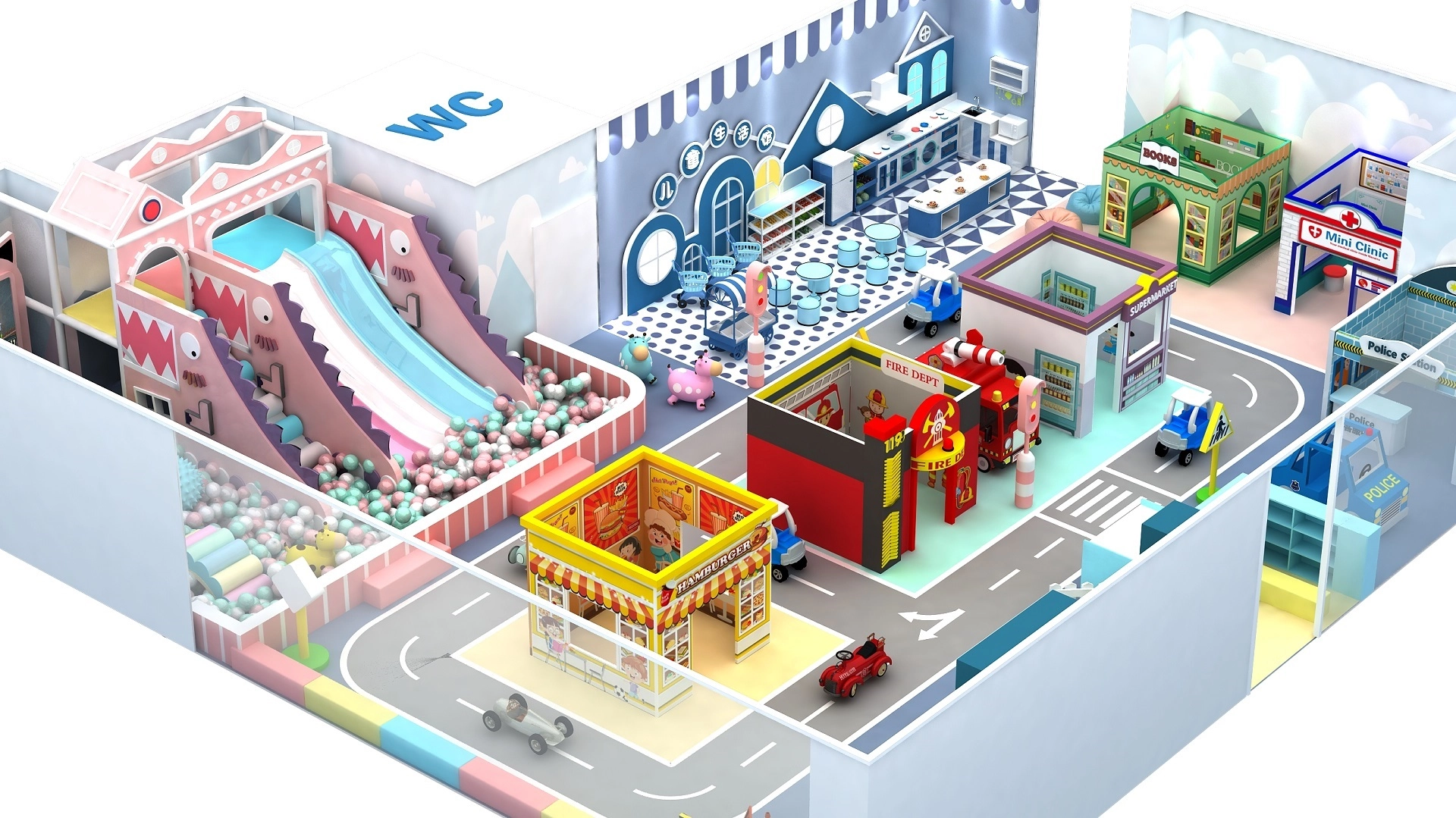
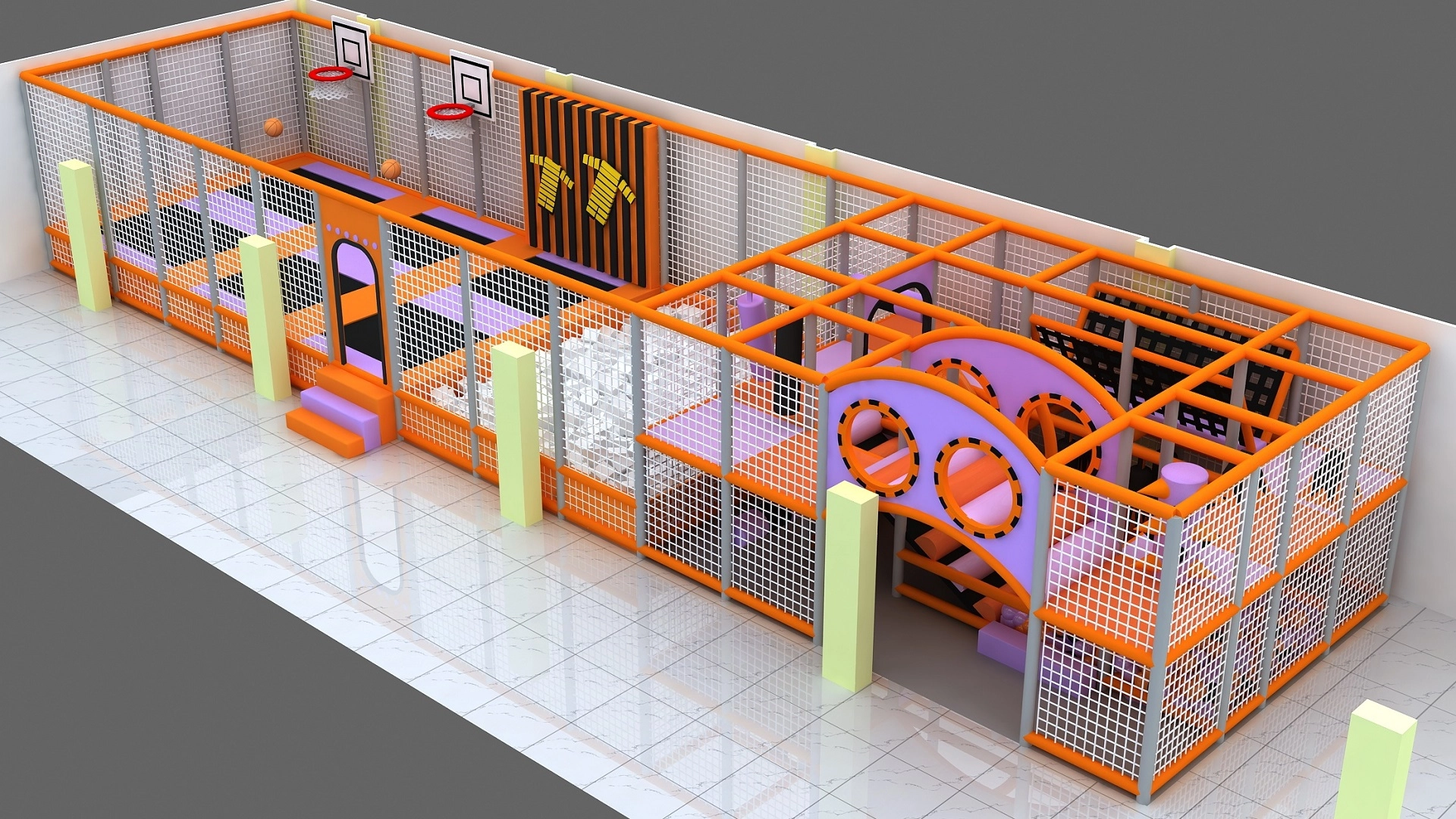
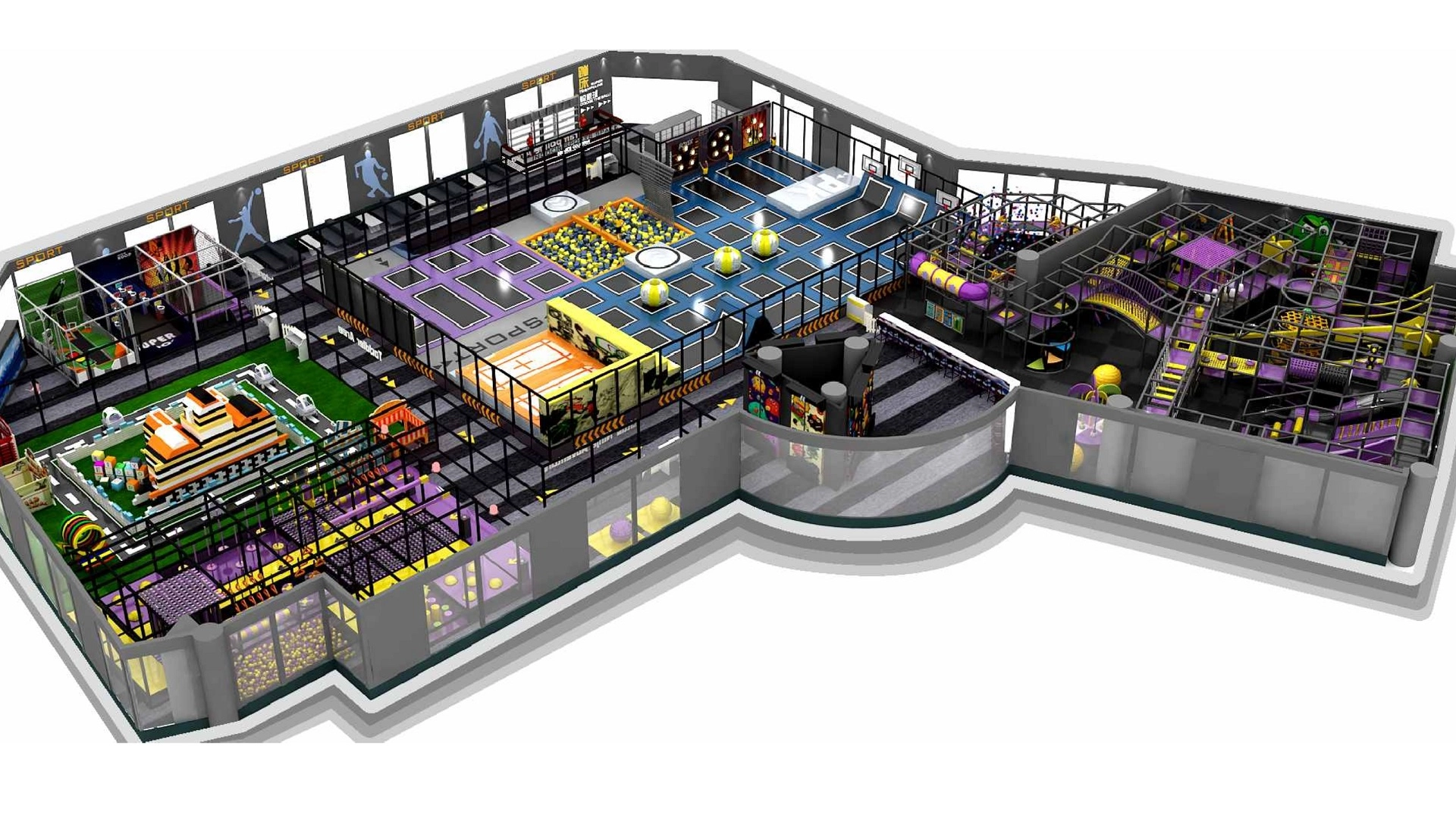
A quality supplier offers 2D/3D conceptual renderings, virtual walkthroughs, and flexible theming. Confirm they can design age-separated zones, clear sightlines for caretakers, and flow patterns that reduce queuing and collisions.
Customization: modular vs fully bespoke
Compare modular systems (faster and often cheaper) with fully bespoke builds (unique brand experience). Ask for case studies and photos of previous customized kiddos indoor playgrounds to evaluate design fidelity and execution.
Inclusive design and parental amenities
Good suppliers consider inclusion (accessibility for children with disabilities), parental seating, observation windows, CCTV integration, and adjacent F&B or party-room options. These features increase dwell time and spend per visit.
Manufacturing, Lead Times, Quality Control and Logistics
Factory capacity, production processes and QC
Request factory details: production area, annual output, and quality control processes (incoming material checks, in-line inspections, final bench tests). Ask for production photos, QC reports, and whether they use ISO 9001 or similar management systems.
Lead times, shipping and installation
Lead times vary: modular kits can ship within 6–10 weeks; fully custom parks may take 12–20+ weeks. Obtain a clear timeline with milestones (design approval, production, inspection, delivery, installation). Confirm who handles installation, supervision, and sign-off acceptance testing.
Warranty, spare parts and after-sales service
Define warranty scope and duration (structural, finishes, mechanical). Ensure supplier provides spare parts lists and estimated lead times for replacements. Ask about preventive maintenance contracts and local service partners in your region.
Comparing Suppliers: Practical Checklist and Cost Drivers
Key decision criteria
Focus on safety compliance, demonstrated experience with similar kiddos indoor playground projects, clarity of commercial terms, transparency on change orders, production capability, and after-sales support. Prioritize suppliers who can show verified references and on-site installations.
Sample comparison table
| Criteria | Low-cost Supplier | Mid-range Supplier | High Quality/Turnkey Supplier |
|---|---|---|---|
| Design services | Basic catalog selection | Customizable modules + renderings | Full concept, 3D, theming, UX studies |
| Safety certifications | Limited or local | Meets major standards (ASTM, EN) | Third-party tested, full documentation |
| Lead time | Short but variable quality | Moderate, predictable | Planned milestones, supervised install |
| Warranty & support | Limited | Standard warranty + parts | Comprehensive warranties, local partners |
| Price (capex) | Lowest | Balanced | Highest, with ROI-oriented design |
Cost drivers to watch
- Square footage and ceiling height
- Complexity of theming and special features (zip-lines, trampolines, ball pits)
- Type of surfacing and safety installations
- Local compliance, permits, and inspection costs
- Freight and installation labor
Market Context and Data You Should Consider
Market demand and growth
The global indoor playground market has shown steady growth driven by urbanization, rising disposable incomes, and demand for safe, weather-independent play spaces. Understanding local demand, competing FECs (family entertainment centers), and seasonal demand will refine your sizing and pricing model.
Example market data
Below is a short market snapshot to help budget expectations and scalability planning.
| Metric | Reference Value | Source |
|---|---|---|
| Global indoor playground equipment market CAGR | ~5–7% (estimate) | Grand View Research (market analysis) |
| Key safety guidance | U.S. CPSC Public Playground Safety Handbook | U.S. CPSC |
Why Choose a Reputable Manufacturer: Spotlight on Guangzhou Feifan (FEI FAN)
Company profile and capabilities
Guangzhou Feifan Amusement Equipment Co., Ltd. was established in 2017. We are a comprehensive indoor playground equipment manufacturer that integrates design, research and development, production, sales, and service. And we have a modern factory building of 6400m² and a 5800 m² office building. Our company's main products include indoor playgrounds, trampoline park equipment, and outdoor amusement equipment. We are committed to creating high-end indoor and outdoor children's amusement equipment and enjoy a high reputation both at home and abroad. We look forward to working together with customers to create a better childhood!
FEI FAN's competitive advantages
FEI FAN is committed to becoming a global leader in the children's play equipment industry, with a core belief in creating joyful, safe, and imaginative spaces for every child. Through professional design, high-quality manufacturing, and fully customized services, FEI FAN delivers efficient, one-stop indoor playground solutions for clients around the world. They emphasize:
- Integrated design-to-install capabilities that reduce project coordination risk
- Dedicated factory space and in-house quality control to ensure consistent material standards
- Experience across indoor playgrounds, trampoline parks and indoor theme parks—allowing cross-pollination of ideas and safety practices
- Commitment to safety, customer support, and long-term partnerships
Why that matters for your kiddos indoor playground
Working with a supplier like FEI FAN that offers turnkey delivery, in-house R&D, and documented installations reduces hidden costs and project delays. Their scale (factory and office footprint) indicates production capacity and the ability to customize while maintaining lead-time commitments.
Due Diligence Checklist before Signing
Documents to request
- Company registration and factory photos
- Third-party test reports and safety certifications
- Project references with contactable clients
- Detailed scope of work, delivery schedule, and payment milestones
- Warranty terms and spare-parts lists
On-site or virtual inspections
Arrange a factory visit or a guided virtual tour. Observe production lines, material storage, welding quality, painting booths, and QA stations. Ask to see finished installations in your country or region to assess end-user satisfaction and long-term durability.
Contract clauses to include
- Clear acceptance criteria and sign-off procedure
- Penalty clauses for missed milestones (mutually agreed)
- Warranty details and spare parts supply timeline
- Intellectual property (IP) protection for custom theming
Frequently Asked Questions (FAQ)
1. How much space do I need for a small kiddos indoor playground?
For a compact community or restaurant-integrated kiddos indoor playground serving ages 2–8, 100–250 m² can be sufficient. Family entertainment centers or themed parks typically require 500 m² and up. Final size depends on capacity goals and desired attractions.
2. What certifications should I insist the supplier provides?
Request evidence of compliance with major standards applicable to your jurisdiction (ASTM or EN standards, local building codes). Also ask for material MSDS and third-party test reports for surfacing impact attenuation and flame retardancy where relevant.
3. Can I customize the theming and branding?
Yes. Most reputable suppliers offer full theming and branding options. Confirm IP ownership for custom artwork and ensure the contract includes design approval rounds and mock-up deliverables.
4. What is the expected lifespan and maintenance needs?
With proper maintenance, high-quality indoor playground equipment can last 7–15 years or longer. Regular inspections, cleaning, and timely replacement of high-wear parts (covers, ropes, foam) extend life and ensure safety. Ask suppliers for a recommended maintenance schedule.
5. How do I estimate financial viability?
Model revenue by estimating daily guests, average spend per guest (admissions, parties, F&B), and occupancy seasonality. Deduct operating costs (staff, utilities, rent, marketing) to get EBITDA and payback period. Suppliers that provide ROI-focused designs and revenue-maximizing layouts can improve financial outcomes.
Next Steps and Contact / See Products
If you are ready to evaluate suppliers or want a free consultation, request a detailed proposal that includes site-specific design options, a bill of materials, a project timeline, and an itemized quote. For turnkey solutions with strong production capacity and proven experience in indoor playgrounds, trampoline parks and indoor theme parks, consider connecting with Guangzhou Feifan Amusement Equipment Co., Ltd. for concept design and a formal quote.
Contact your preferred suppliers for samples, references, and a site-specific plan before making a final decision. Good planning at the start saves time, money, and ensures a safe, delightful kiddos indoor playground for your guests.
References and Further Reading
- U.S. Consumer Product Safety Commission (CPSC). Public Playground Safety Handbook. https://www.cpsc.gov/s3fs-public/325.pdf (Accessed Jan 2026).
- ASTM International. ASTM F1487 - Standard Consumer Safety Performance Specification for Playground Equipment for Public Use. https://www.astm.org/Standards/F1487.htm (Accessed Jan 2026).
- International Play Equipment Manufacturers Association (IPEMA). https://www.ipema.org/ (Accessed Jan 2026).
- Grand View Research. Indoor Playground Equipment Market Size, Share & Trends Analysis Report. https://www.grandviewresearch.com/industry-analysis/indoor-playground-equipment-market (Accessed Jan 2026).
- EN 1176 — Playground equipment and surfacing (information): https://en.wikipedia.org/wiki/EN_1176 (Accessed Jan 2026).
- Safe Kids Worldwide — Playground safety resources. https://www.safekids.org/ (Accessed Jan 2026).
Indoor Playground Themes That Boost Attendance and Revenue: Practical Ideas and Strategies
Where to Buy kids indoor playground
Cost Breakdown: Installing Indoor Playground Equipment — What Owners Should Budget For
Indoor Playground Safety Standards and Flooring Options
Indoor Playgrounds Trampoline Parks
How long does it take to complete a project?
Depending on project size, it typically takes 4–10 weeks from design to delivery and installation.
For Products
How many square meters should we have to start an indoor playground ?
As usual,It is around in 50-500 square meters,For a large commercial center , it is about 500-2000 square meters.
OEM & ODM
Can I customize based on my own layout or concept?
Yes, just send us your venuedrawing or demanding, and we’ll design around it.
Is installation included in your service?
We provide clear manuals, video guides, and can assist remotely or on-site.
Theme park
Is it difficult to install? Do you have installation manual? Or do you send professional workers over to help install the playground?
For the small playground, it's easy to install,customer can install by themself.
The installation manual will be sent together with the goods.
If you found it difficult to install,asked us for help.Both online installation and on-site installation are available.


Get in touch
Let’s Build Your Dream Indoor Playground Together
Thank you for your interest in our products and services!
We’re dedicated to providing you with the best possible support and solutions for your needs.
FEI FAN is a premier Indoor Playground Manufacturer specializing in Kids Soft Play Equipment. From design to installation, we provide one-stop solutions for indoor play centers, daycares, and commercial venues globally.
© 2025 Feifan Amusement Equipment. All Rights Reserved.
 Scan QR Code
Indoor Soft Playground
Whatsapp: +8619068970573
Scan QR Code