Cost Breakdown: Commercial Playground Equipment Prices
Understanding the True Cost of Installing a Commercial Playground
Why accurate budgeting for commercial playground equipment matters
When organizations—municipal parks, schools, childcare centers, family entertainment centers, and shopping malls—invest in commercial playground equipment, they expect durable performance, safety compliance, and a reasonable return on investment. Unlike residential playsets, commercial playground equipment must meet ASTM/CPSC standards, withstand continuous heavy use, and integrate appropriate surfacing, fencing, and accessibility features. Underestimating costs leads to scope creep, safety compromises, or premature replacement. This article breaks down the major cost components, provides realistic price ranges, and shows how to reason about total project budgets.
Primary cost components for commercial playground equipment
Any commercial playground budget typically comprises several discrete line items. Understanding each helps you control total spend and prioritize investments that maximize safety, play value, and longevity.
- Equipment purchase: Play structures, swings, spinners, spring riders, trampolines (for trampoline parks), and themed modules.
- Site preparation: Grading, drainage, utilities, and sometimes demolition or relocation of existing structures.
- Surfacing: Engineered wood fiber (EWF), poured-in-place rubber, rubber tiles, synthetic turf, or safety sand — often required by local codes or specifications.
- Installation & labor: Certified installation by trained crews and any specialty lifting equipment or scaffold required.
- Compliance & testing: ASTM, EN, or local standard testing, ADA accessibility features, and third-party inspections.
- Site amenities & landscaping: Benches, shade structures, fencing, signage, lighting, and drainage features.
- Maintenance & lifecycle costs: Routine inspections, component replacements, surfacing top-ups, and vandalism repairs.
Typical price ranges: what you should expect to pay
Below are industry-aligned ranges for common project types using aggregated data from supplier guides and market sources. The figures reflect equipment + installation + basic surfacing unless otherwise noted. Exact costs depend on region, supplier, custom features, and site complexity.
| Project Type | Typical Equipment Cost | Installation & Surfacing | Total Estimated Range | Notes / Typical Scale |
|---|---|---|---|---|
| Small modular commercial playground | $8,000 – $25,000 | $4,000 – $15,000 | $12,000 – $40,000 | Ideal for preschools or small parks, 200–500 sq ft |
| Medium community playground | $25,000 – $75,000 | $15,000 – $40,000 | $40,000 – $115,000 | Multiple play zones, inclusive features, 500–2,000 sq ft |
| Large destination playground | $75,000 – $300,000+ | $40,000 – $250,000+ | $115,000 – $550,000+ | Themed or funded public attractions, 2,000+ sq ft |
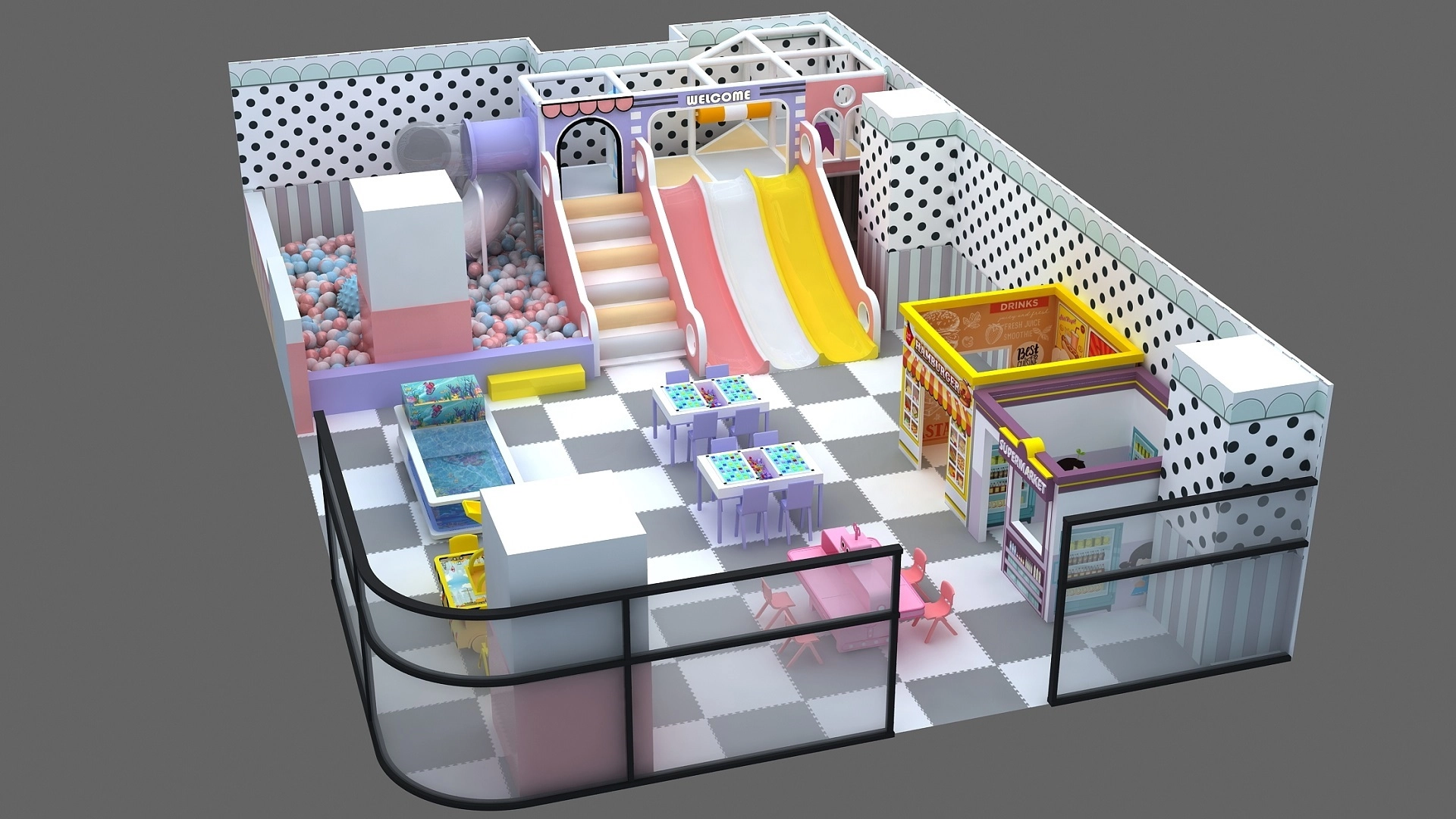
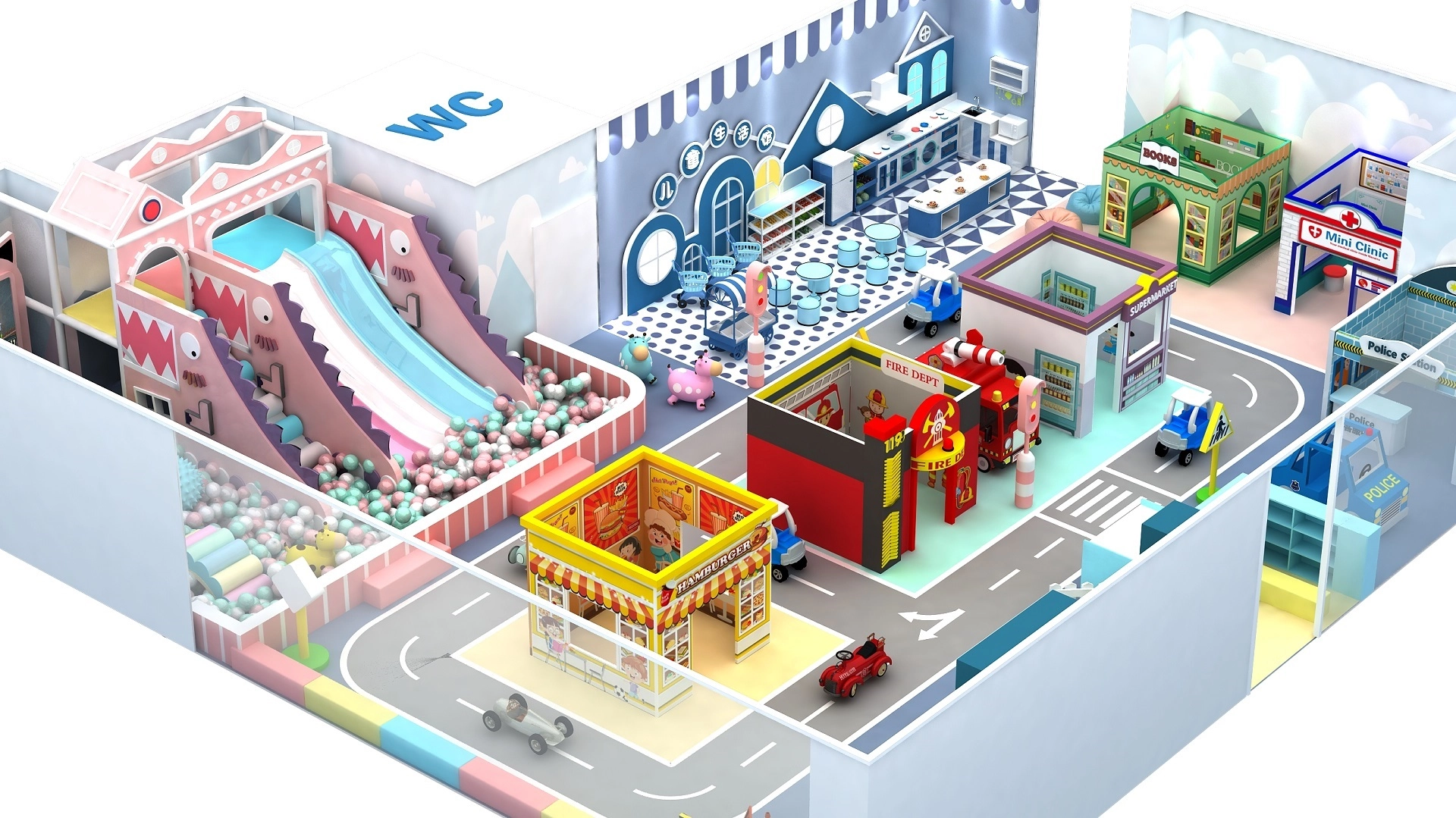
| Indoor soft-play (commercial) | $15,000 – $200,000 | $5,000 – $80,000 | $20,000 – $280,000 | Soft play structures, ball pits, slides; cost varies with area and customization |
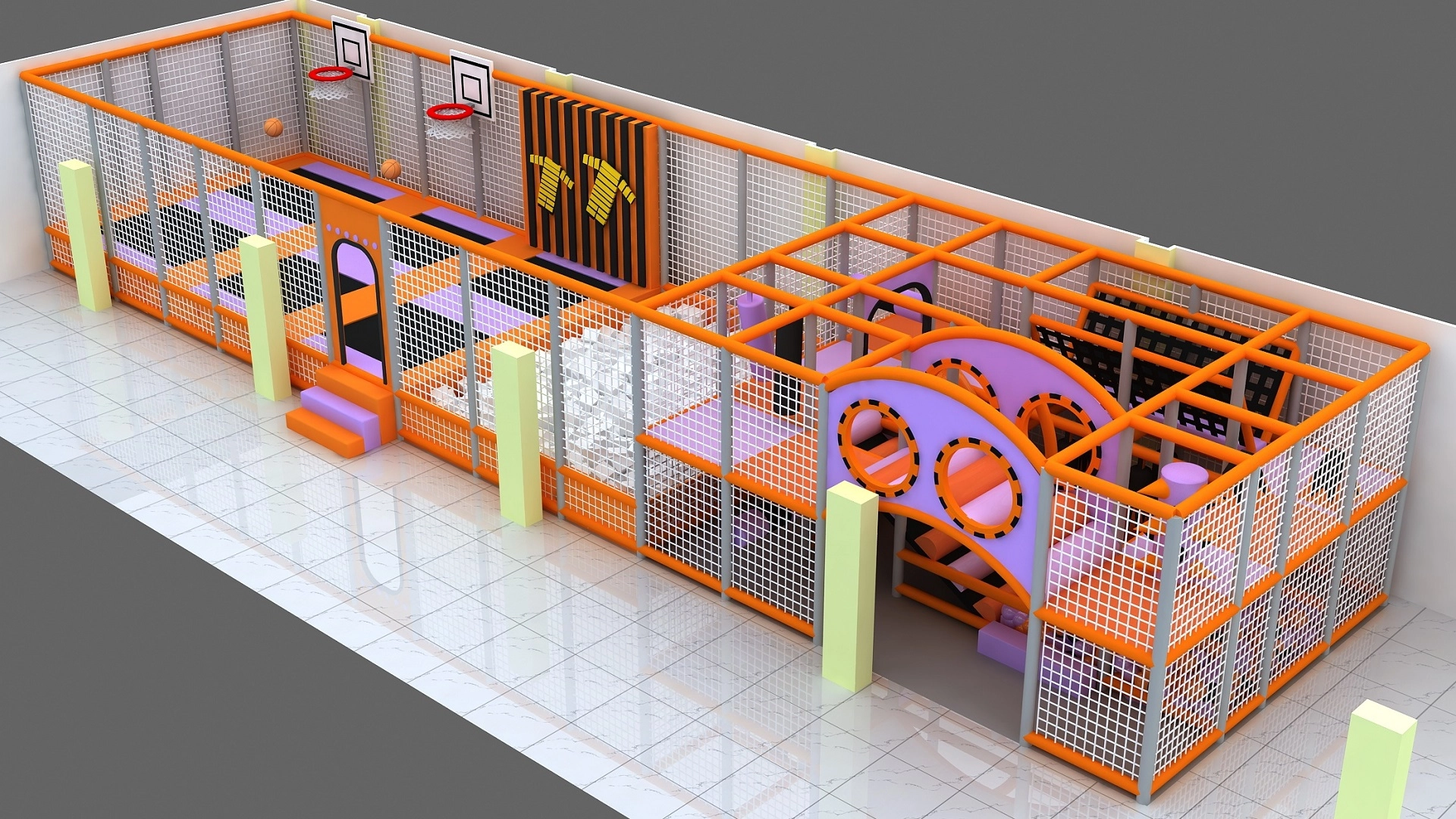
| Trampoline park fit-out (commercial) | $200,000 – $1,500,000+ | $100,000 – $600,000+ | $300,000 – $2,100,000+ | Depends on building shell, park size, trampoline wall systems, foam pits |
Sources for these ranges include aggregated supplier pricing guidance and industry estimators; use them as starting points for detailed quotes from vendors of commercial playground equipment.
Cost drivers: what increases or reduces your budget for commercial playground equipment
Price variability comes from choices and constraints. Controlling these elements lets you meet budget goals without compromising safety.
- Customization & theming: Custom sculptures, themed panels, or bespoke components can multiply equipment costs by 20–100% over catalog items.
- Safety surfacing: Poured-in-place rubber offers longevity and low maintenance but has higher upfront cost vs engineered wood fiber.
- Accessibility (ADA) features: Ramps, transfer stations, and surfacing to ADA standards add cost but expand usability and are often mandated.
- Site conditions: Poor drainage, steep grades, or contaminated soil require remediation or additional foundation work.
- Warranty & service packages: Extended warranties and maintenance contracts improve lifecycle economics but raise initial cost.
- Local codes and testing: Third-party inspections and certification testing (ASTM/EN) can add to the budget but are essential for liability reduction.
Comparing surfacing options: upfront and lifecycle costs
Surfacing is a major cost line and directly tied to safety compliance. Below is a simple cost and lifecycle comparison for common commercial surfacing options.
| Surface Type | Approx. Installed Cost (per sq ft) | Typical Lifespan | Maintenance Intensity | Accessibility |
|---|---|---|---|---|
| Engineered Wood Fiber (EWF) | $2 – $8 | 3–7 years (top-ups) | Moderate (top-ups, rake) | Poor w/o proper compaction; ADA ramps required |
| Poured-in-place rubber | $8 – $20+ | 10–15+ years | Low (cleaning, occasional repairs) | Excellent (fully accessible) |
| Rubber tiles | $6 – $15 | 8–12 years | Low–Moderate (tile replacement) | Good |
| Synthetic turf with infill | $8 – $18 | 8–12 years | Moderate (brushing, infill top-ups) | Good |
Choose surfacing based on user profile (age range, mobility), budget, and maintenance capacity. While poured rubber is expensive up-front, many facility managers report lower long-term costs due to durability and reduced maintenance labor.
Installation & labor: what to budget for verified installers of commercial playground equipment
Installation costs depend on complexity and whether the supplier provides turnkey services. Certified installers who follow manufacturer procedures and local codes typically charge:
- Small installations: 25–40% of equipment cost
- Medium-to-large: 15–30% of equipment cost
- Large destination or site-prep heavy projects: labor can exceed 40% when significant civil work is needed
Ask suppliers for proof of training, insurance, and references. Third-party inspectors (often required in public projects) add inspection fees but reduce liability risk.
Maintenance, lifecycle planning, and total cost of ownership for commercial playground equipment
Budget 2–4% of project capital cost per year for normal maintenance on commercial playground equipment; this covers routine inspections, small repairs, surfacing top-ups, and hardware replacements. Heavily used or vandal-prone sites may need higher allocations.
Implement an inspection schedule aligned with CPSC and ASTM guidance: weekly visual checks, monthly functional checks, and annual comprehensive inspections by a qualified inspector. Proper maintenance extends service life and preserves resale or replacement value.
Financing, grants, and ROI considerations for commercial playground equipment
Financing options include municipal bonds, capital budgets, sponsorships, naming rights, crowdfunding, and grants from foundations focused on youth services or public health. For revenue-generating facilities (indoor playgrounds, trampoline parks, family entertainment centers), model your payback by estimating attendance, ticket prices, membership programs, food & beverage, and events revenue. Typical ROI horizons vary: public parks rarely expect direct revenue payback, while indoor commercial attractions often target 3–7 year payback periods depending on scale.
Choosing a supplier: quality, warranty, and compliance matters when buying commercial playground equipment
When sourcing commercial playground equipment, weigh these factors:
- Compliance with ASTM F1487 (public playgrounds) and any local standards
- Warranty terms: frame structures, plastics, and moving parts often have different warranty periods
- References and installed-work portfolio—visit local installations when possible
- Ability to provide turnkey solutions: design, engineering, installation, and maintenance
- Customization capabilities vs off-the-shelf savings
Brand Spotlight: Guangzhou Feifan Amusement Equipment Co., Ltd. — a turnkey partner for commercial playground equipment
Guangzhou Feifan Amusement Equipment Co., Ltd. was established in 2017. We are a comprehensive indoor playground equipment manufacturer that integrates design, research and development, production, sales, and service. And we have a modern factory building of 6400m² and a 5800 m² office building. Our company's main products include indoor playgrounds, trampoline park equipment, and outdoor amusement equipment. We are committed to creating high-end indoor and outdoor children's amusement equipment and enjoy a high reputation both at home and abroad. We look forward to working together with customers to create a better childhood!
FEI FAN’s advantages and core products
FEI FAN is committed to becoming a global leader in the children's play equipment industry, with a core belief in creating joyful, safe, and imaginative spaces for every child. Through professional design, high-quality manufacturing, and fully customized services, we deliver efficient, one-stop indoor playground solutions for clients around the world. We are not just manufacturers—we are creators of joyful experiences, enablers of parent-child interaction, and companions in child development.
Main product lines and strengths:
- Indoor playgrounds: Modular soft play systems, themed indoor parks, and preschool play areas. FEI FAN emphasizes safety materials, vivid themes, and easy maintenance.
- Trampoline parks: Turnkey trampoline wall systems, foam pits, and performance zones built to commercial standards with focus on durability.
- Indoor Theme Park solutions: Integrated attractions with theming, play circuits, and F&B/retail adjacency—designed for higher dwell time and commercial viability.
Competitive differentiators: an integrated R&D and manufacturing base (6400 m² factory), full project lifecycle services (design to after-sales), and international export experience—enabling FEI FAN to provide competitive pricing, customization, and reliable lead times for large or complex commercial playground equipment projects.
Practical checklist before finalizing a commercial playground equipment purchase
Use this checklist to reduce surprises and align stakeholders:
- Define user group (ages, special needs, expected daily attendance).
- Confirm regulatory and ADA requirements for your jurisdiction.
- Receive at least three detailed proposals with equipment specs, surfacing, installation scope, and warranty terms.
- Ask for lifecycle cost examples and local references.
- Secure a maintenance/inspection plan and training for on-site staff.
- Clarify timeline: lead time for equipment, site preparation windows, and installation duration.
Frequently Asked Questions (FAQ) about commercial playground equipment prices
1. How much does a basic commercial playground cost to install?
A basic small commercial playground (equipment, basic surfacing, and installation) typically starts around $12,000–$40,000. Complexity, surfacing choice, and site preparation can raise that estimate. (See project table above.)
2. Is poured-in-place rubber worth the higher upfront cost?
For sites needing ADA accessibility and lower maintenance, poured-in-place rubber is often worth the higher initial investment due to its longevity, cleanliness, and reduced replenishment needs compared with loose-fill surfaces.
3. How much should I budget annually for maintenance?
Plan for roughly 2–4% of the initial project capital cost per year for normal maintenance; adjust upward for heavy-use or outdoor, vandal-prone locations.
4. Do suppliers include installation in their quotes for commercial playground equipment?
Some suppliers sell equipment only, while many offer turnkey solutions that include installation, surfacing, and civil work coordination. Always request a clear scope and separate line items for equipment and installation.
5. What certifications should I require from a commercial playground equipment manufacturer?
Require compliance with ASTM F1487 (public playground equipment), CPSC guidance for public playgrounds, and evidence of material testing. For trampoline parks or specialty attractions, request relevant industry association guidance or certifications and proof of third-party testing if available.
6. How long does it take to build a commercial playground?
Typical timelines: small projects can complete in 4–8 weeks from site readiness; medium projects 8–16 weeks; large destination or indoor parks (including building upgrades) often require several months to a year depending on permitting, custom fabrication, and civil works.
7. Can I phase a project to spread costs?
Yes. Phasing (installing core play elements first, adding themed elements or additional zones later) is a common strategy to manage capital budgets while delivering a usable play area quickly.
Contact and next steps
If you are planning a new playground, indoor play facility, trampoline park, or themed children’s attraction and want an accurate budget, product options, or a turnkey proposal, contact us to request a detailed quotation and design consultation. View our product catalog and case studies to understand FEI FAN’s capabilities, or request a site assessment for a tailored estimate.
References & further reading
All sources consulted or recommended for verification:
- U.S. Consumer Product Safety Commission (CPSC), Public Playground Safety Handbook. Link: https://www.cpsc.gov/s3fs-public/325.pdf — accessed 2025-12-22.
- ASTM International, Standard Consumer Safety Performance Specification for Playground Equipment for Public Use (ASTM F1487). Link: https://www.astm.org/Standards/F1487.htm — accessed 2025-12-22.
- PlaygroundIdeas — Playground Costs & Budgeting Guidance. Link: https://www.playgroundideas.org/playground-costs — accessed 2025-12-22.
- HomeAdvisor — Playground Installation Cost Guide. Link: https://www.homeadvisor.com/cost/landscape/install-a-playground/ — accessed 2025-12-22.
- Landscape Structures (industry resource) — Project planning and surfacing guidance. Link: https://www.playlsi.com/ — accessed 2025-12-22.
- Centers for Disease Control and Prevention (CDC) — Injury Prevention: Playground Safety. Link: https://www.cdc.gov/safechild/playground_injuries. — accessed 2025-12-22.
For project inquiries and custom quotes, contact Guangzhou Feifan Amusement Equipment Co., Ltd. — we provide design, manufacturing, and turnkey installation for indoor playgrounds, trampoline parks, and indoor theme parks.
Best trampoline amusement park manufacturers and supplier brands in China
Best Flooring Options for Indoor Playgrounds: Pros and Cons
Indoor Playground Equipment Safety Standards Guide for Owners and Operators
How to Choose Durable Play Equipment for Indoor Playgrounds
Theme park
Is the playground safe to play?
Yes. For the mental parts, there will be soft PVC pipes covering around them to protect kids from being hurt.As for the plastic parts, it's made from one class plastic materials.
Schools Educational Institutions
How much space is required for installation?
We provide flexible designs that fit both small courtyards and large campus grounds, fully optimized for your available area.
What is the lifespan of your equipment?
With regular maintenance, our school playground equipment can last 8–10 years or more.
Shopping MallsRetail Centers
How do your amusement areas benefit shopping malls?
They attract more families, increase dwell time, boost customer loyalty, and enhance overall mall revenue.
OEM & ODM
Is installation included in your service?
We provide clear manuals, video guides, and can assist remotely or on-site.


Get in touch
Let’s Build Your Dream Indoor Playground Together
Thank you for your interest in our products and services!
We’re dedicated to providing you with the best possible support and solutions for your needs.
FEI FAN is a premier Indoor Playground Manufacturer specializing in Kids Soft Play Equipment. From design to installation, we provide one-stop solutions for indoor play centers, daycares, and commercial venues globally.
© 2025 Feifan Amusement Equipment. All Rights Reserved.
 Scan QR Code
Indoor Soft Playground
Whatsapp: +8619068970573
Scan QR Code