Indoor Playground Equipment Materials Compared
Choosing Safe, Durable Materials for Indoor Play Spaces
When specifying indoor playground equipment, material selection determines safety, longevity, maintenance cost, aesthetics and regulatory compliance. This article compares the common materials used in indoor playground equipment, explains how each performs against core buyer criteria (safety, durability, hygiene, cost, and environmental impact), and offers practical recommendations for operators, developers, and facility owners considering turnkey or customized play solutions.
Why material choice matters for indoor playground equipment
Indoor playground equipment is used intensively by children across age groups, often in commercial settings (play centers, shopping malls, family entertainment centers, preschools). Material failures can cause injury, increase downtime and escalate replacement cost. Key performance factors to evaluate are mechanical strength, impact attenuation, flame retardancy, chemical safety, cleanability and resistance to wear. The words “indoor playground equipment” in your specification should trigger checks against recognized safety standards, maintenance realities and lifecycle cost—not just initial purchase price.
Common materials used in indoor playground equipment
Below are the most frequently used materials with typical applications:
- EVA / PU / PE Foam — padding, soft play blocks, mats, cushion linings.
- High-density Polyethylene (HDPE) & Polypropylene (PP) — panels, tunnels, activity boards, panels resistant to moisture.
- Plywood / MDF (laminated) — internal structures, shaped components, mezzanine platforms (usually coated).
- Galvanized / Powder-coated Steel — structural frames, support posts, connectors.
- Stainless Steel (304/316) — slides, fixtures where corrosion resistance and hygiene are priorities.
- PVC-coated Polyester Mesh / Nylon — safety nets, climbing nets, enclosures.
- Vinyl / PU / Commercial Carpet — surface coverings for platforms, ramps, and thematic decoration.
- Rubber Surfacing (EPDM, SBR) — impact-absorbing flooring under play areas and trampolines.
Material comparison table — quick reference for indoor playground equipment
| Material | Typical Use | Estimated Lifespan (commercial) | Fire / Safety Notes | Maintenance | Relative Cost | Pros / Cons |
|---|---|---|---|---|---|---|
| EVA / PU Foam | Padding, mats, soft modules | 3–10 years (depends on density & use) | Fire retardant variants available; check NFPA/NFPA 701 or UL94 ratings | Regular cleaning; replace when compressed or torn | Low–Medium | Excellent shock absorption; easily cleaned; can degrade under heavy sunlight or chemical cleaners |
| HDPE / PP | Panels, tunnels, activity surfaces | 7–20 years | Plastic flammability per UL94; typically melt before flaming | Wipe clean; resistant to moisture and most cleaners | Medium | Durable, moisture-resistant, colorful; can scratch; limited load-bearing vs steel |
| Plywood / MDF (laminate) | Platforms, themed structures | 5–15 years (depends on coating & moisture exposure) | Must be treated with fire-retardant coatings to meet local codes | Keep dry; repair/retouch laminate; inspect for delamination | Low–Medium | Good for shaping and aesthetics; vulnerable to moisture and impact damage |
| Galvanized / Powder-coated Steel | Frame, supports | 15–30+ years | Non-combustible; finish may need touch-ups to prevent corrosion | Inspect and touch up powder coat; prevent rust | Medium–High | High strength and durability; heavy; requires corrosion protection |
| Stainless Steel (304/316) | Slides, hardware, fixtures | 20–40+ years | Non-combustible; hygienic surface | Low; polish occasionally; resistant to cleaning agents | High | Corrosion-resistant and durable; High Quality cost; can be hot to touch in sun (less an issue indoors) |
| PVC-coated Mesh / Nylon | Safety nets, climbing ropes | 5–15 years | Nylon and PVC usually meet flammability tests; must check local codes | Inspect for fray; wash or wipe down | Low–Medium | Flexible and safe for falls; UV degrades outdoors faster |
| Commercial Vinyl / Carpet | Platform surfaces, themed interiors | 3–10 years | Vinyl can be manufactured to be fire-retardant (check NFPA 701) | Vacuum, spot clean; replace when worn | Low–Medium | Comfortable and customizable; carpets trap dirt; vinyl easier to clean |
| Rubber Surfacing (EPDM/SBR) | Impact-absorbing flooring | 7–20 years | Typically passes impact attenuation standards (ASTM F1292) and has good fire performance | Regular cleaning; repair tears; check seams | Medium–High | Excellent impact protection; slip-resistant; reclaimed SBR is economical but less durable than EPDM |
Notes: lifespan and cost ranges are indicative for commercial indoor use and will vary by quality, traffic, maintenance and environmental conditions.
How materials perform against key buyer concerns
Safety & impact protection
Impact attenuation is critically important for indoor playground equipment. Flooring and padding materials should be specified to meet ASTM F1292 (impact attenuation of surfacing materials) and local equivalents. Soft EVA/PU foam and rubber surfacing (EPDM) provide the best protection for falls; hard materials like plywood and HDPE must be combined with adequate padding and guardrails. For nets and ropes, dynamic strength and abrasion resistance matter; use certified polyester or nylon with protective coating.
Fire, chemical and toxicology considerations
All materials used indoors must meet fire safety codes in your jurisdiction (e.g., national building codes, NFPA, or EN 71 for toys). Plastics and foams can be manufactured with flame-retardant additives; however, additives must comply with chemical safety regulations—particularly for young children who mouth objects. Request material safety data sheets (MSDS) and test certificates (e.g., EN 71-2/3, ASTM F963 where applicable).
Hygiene and cleaning
Indoor facilities face daily cleaning. Smooth, non-porous surfaces (HDPE, stainless steel, vinyl) are easiest to disinfect. Foam elements should have secure, sealed covers that resist microbial growth; closed-cell EVA foam with antimicrobial vinyl covers is common. Avoid unsealed porous materials in high-contact areas.
Durability and lifecycle cost
Steel frames and HDPE panels have the lowest total cost of ownership due to long life and lower replacement frequency. Foam and carpets require more frequent replacement. Always compare warranty terms and ask suppliers for lifecycle case studies from similar-volume venues.
Standards and certification to request from suppliers of indoor playground equipment
- Design & equipment safety: ASTM F1487 (public playground equipment), EN 1176 (Europe) — check relevant clause applicability.
- Impact attenuation of surfacing: ASTM F1292 or EN 1177.
- Flammability: UL94 (plastics), NFPA 701 (textiles), local building codes.
- Material safety: EN 71 series (toy safety) or equivalent for components used by very young children.
- Quality systems: ISO 9001 certification for manufacturer processes is a plus.
Request test reports, not just certificates. Tests should be recent and performed by accredited labs.
Cost vs performance — practical guidance when budgeting
Decisions are often a balance: higher upfront investment in stainless steel, powder-coated frames, and EPDM surfacing reduces unplanned maintenance and downtime. For budget-focused projects, HDPE panels with steel skeletons and EVA-foam-covered elements provide good performance at moderate cost. Always factor in replacement cycles (foam pads every 3–7 years) and scheduled maintenance when calculating total cost of ownership.
Sustainability and environmental concerns for indoor playground equipment
More clients ask about recycled content, VOC emissions, and end-of-life disposal. Options include using recycled HDPE, specifying low-VOC surface coatings and selecting recyclable metals. Avoid materials with persistent halogenated flame retardants. Ask suppliers for product environmental declarations (EPDs) or third-party sustainability data.
Case example: Material choices for a mid-sized indoor playground
Scenario: 400 m² indoor play center for children aged 2–10 with a trampoline zone, soft play area, and themed platform.Recommended baseline materials:
- Frame: galvanized & powder-coated steel for mezzanine and support structures.
- Platform surfaces: HDPE panels over plywood substructure, covered with commercial vinyl or sealed laminate.
- Soft play: closed-cell EVA foam with antimicrobial vinyl covers (replaceable)
- Trampoline frames: galvanized steel; mats meeting ASTM standards
- Flooring: bonded EPDM rubber under soft zones and poured rubber or foam tiles under free-play; vinyl or rubber under seating areas.
- Nets & barriers: PVC-coated polyester netting with tested dynamic strength.
Why supplier capability matters — a note on Guangzhou Feifan
When selecting materials you should partner with a supplier that can provide design, testing and after-sales service. Guangzhou Feifan Amusement Equipment Co., Ltd. (est. 2017) is an integrated manufacturer with design, R&D, production, sales and service under one roof. Their facilities include a 6400 m² factory building and a 5800 m² office building. Key product lines are indoor playgrounds, trampoline park equipment, and outdoor amusement equipment. Feifan emphasizes high-end indoor and outdoor children's amusement equipment and reports strong reputational performance domestically and internationally.
FEI FAN commits to becoming a global leader by focusing on joyful and safe play spaces. They offer professional design, high-quality manufacturing and fully customized services to deliver one-stop indoor playground solutions. Their strengths include:
- In-house R&D and design capability enabling tailored material choices and compliance with standards.
- Dedicated production facilities for quality control and consistent finishing (powder coating, welding, foam molding).
- Project experience across indoor playgrounds, trampoline parks and indoor theme park installations.
Practical checklist before purchase or installation
- Obtain test reports for impact attenuation, flammability and chemical safety for the exact materials to be used.
- Verify warranties for structural steel, surfacing, foam and fabrics.
- Ask for maintenance guides and spare-part lists; confirm availability of replacement foam covers or vinyl panels.
- Confirm cleaning recommendations and permitted disinfectants to avoid material degradation.
- Check local building and fire codes and obtain any required approvals before installation.
FAQ — Frequently Asked Questions about indoor playground equipment materials
1. What material is safest for indoor playground flooring?
Rubber surfacing (EPDM) and high-quality bonded foam or EVA mats rated to ASTM F1292 provide the best impact attenuation. Choose materials with documented test reports for the critical fall height of your equipment.
2. Can foam components be cleaned and disinfected without degrading them?
Yes—if they have sealed, antimicrobial vinyl or PU covers and the manufacturer’s cleaning agents are used. Avoid bleach or solvents unless the supplier confirms compatibility.
3. How long do HDPE panels last in commercial indoor playgrounds?
Typically 7–20 years in indoor environments. HDPE resists moisture and most cleaners but can scratch; choose thicker grades for higher traffic.
4. Are flame-retardant plastics and foams safe for children?
Flame-retardant variants that meet recognized standards (UL94, NFPA 701, EN 71-2) are considered safe when used appropriately. Request material data sheets and avoid materials with banned chemicals (e.g., certain PBDEs).
5. Should playground frames be galvanized steel or stainless steel?
Galvanized and powder-coated steel is cost-effective and durable for most indoor applications. Stainless steel is recommended where hygiene or corrosion resistance is a priority (e.g., splash zones) but is more expensive.
6. How often should foam padding be replaced?
Replacement frequency varies with usage—typically every 3–7 years for high-traffic commercial settings. Replace earlier if covers are torn, foam is compressed, or hygiene cannot be assured.
7. What certifications should I request from an indoor playground equipment supplier?
Request test reports for ASTM F1487/ASTM F1292 or EN 1176/EN 1177 where applicable, UL94/NFPA flammability reports, material MSDS, and ISO 9001 if available.
Contact & next steps
If you're planning a new facility or upgrading an existing indoor playground, contact a supplier with integrated design and manufacturing capability to evaluate materials against your operational needs. For turnkey indoor playground equipment, trampoline parks and indoor theme park solutions, consider contacting Guangzhou Feifan Amusement Equipment Co., Ltd. Their combined R&D, manufacturing and after-sales service make them a practical partner for projects worldwide.
To discuss materials, request test reports, or view product offerings, reach out for a consultation and tailored quote — get professional help to select the right materials for safety, durability and cost-efficiency.
References
- U.S. Consumer Product Safety Commission (CPSC) — Playground Safety resources. https://www.cpsc.gov/Safety-Education/Safety-Guides/Playgrounds (accessed 2025-06-01)
- ASTM International — F1487 Standard Consumer Safety Performance Specification for Playground Equipment for Public Use; F1292 Standard Specification for Impact Attenuation of Surface Systems Under and Around Playground Equipment. https://www.astm.org/Standards/F1487.htm and https://www.astm.org/Standards/F1292.htm (accessed 2025-06-01)
- British Standards Institution (BSI) — EN 1176 Playground Equipment and EN 1177 Impact Attenuation. https://www.bsigroup.com/en-GB/standards/en-1176/ (accessed 2025-06-01)
- UL Standards — UL 94 Flammability of Plastic Materials for Parts in Devices and Appliances. https://standardscatalog.ul.com/standards/en/ul-94 (accessed 2025-06-01)
- NATIONAL FIRE PROTECTION ASSOCIATION (NFPA) — Overview of codes and standards including NFPA 701. https://www.nfpa.org/Standards-and-Codes/All-Standards/List-of-Codes-and-Standards (accessed 2025-06-01)
For specific product details and tailored project proposals, contact Guangzhou Feifan Amusement Equipment Co., Ltd. — they can provide material certificates, test reports and project references to support procurement decisions.
ROI: How Indoor Play Equipment Boosts Revenue
Indoor Trampoline Park Design Trends for Family Entertainment
ADA Compliance for Indoor Playground Manufacturers
Cost Breakdown: Commercial Playground Equipment Prices
Shopping MallsRetail Centers
Can we start with a small play zone and expand later?
Absolutely. Our modular design allows you to upgrade and expand easily as your mall grows.
Schools Educational Institutions
Are your playgrounds safe for schoolchildren?
Yes, all our products are manufactured with international safety certifications (EN, ASTM, CE, etc.), using non-toxic and eco-friendly materials
For Products
What are the main materials of indoor playground? Is it safe and environmentally friendly?
The main products are made of durable materials, including plastic, PVC, PU, galvanized pipe, wood, PE foam, to ensure a lasting and safe game experience. All materials are in line with international environmental standards.
What are the mainly themes of indoor playground ?
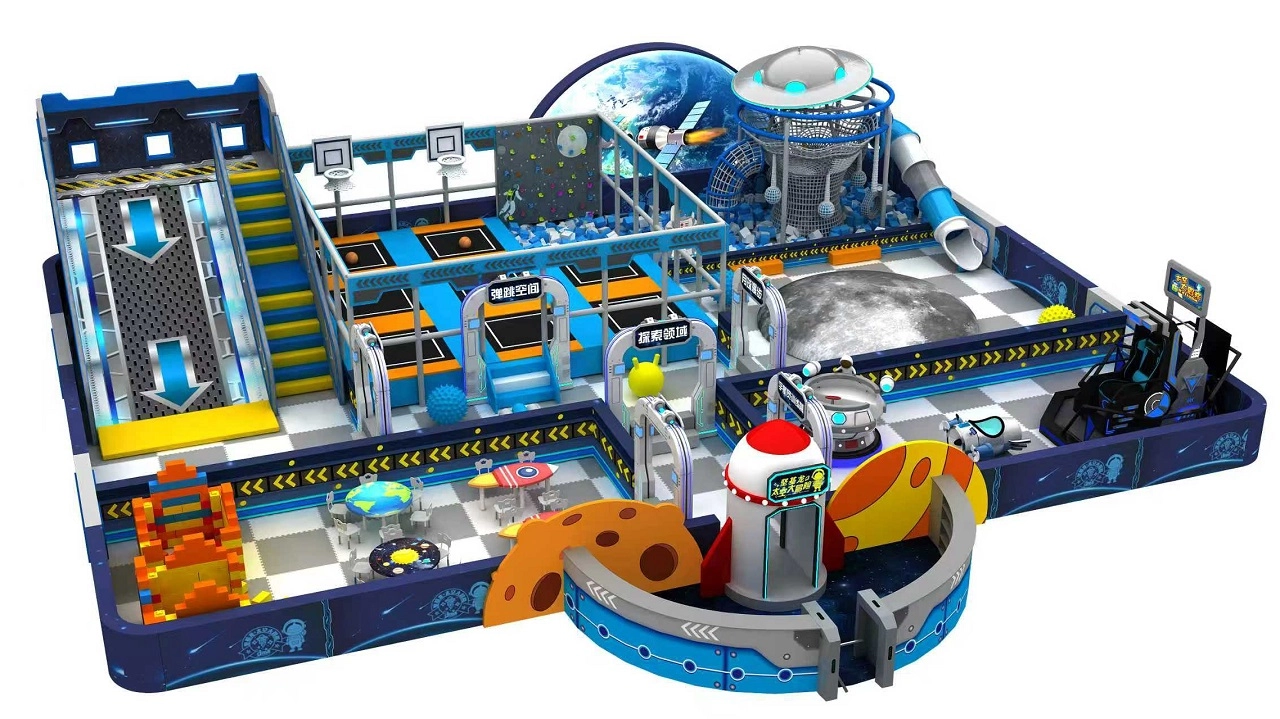
Various themes including space series, forest series, macaroon series, ocean series, candy series, etc
OEM & ODM
Do I need to meet a minimum order quantity for customization?
Not necessarily—we support flexible MOQs based on project size.
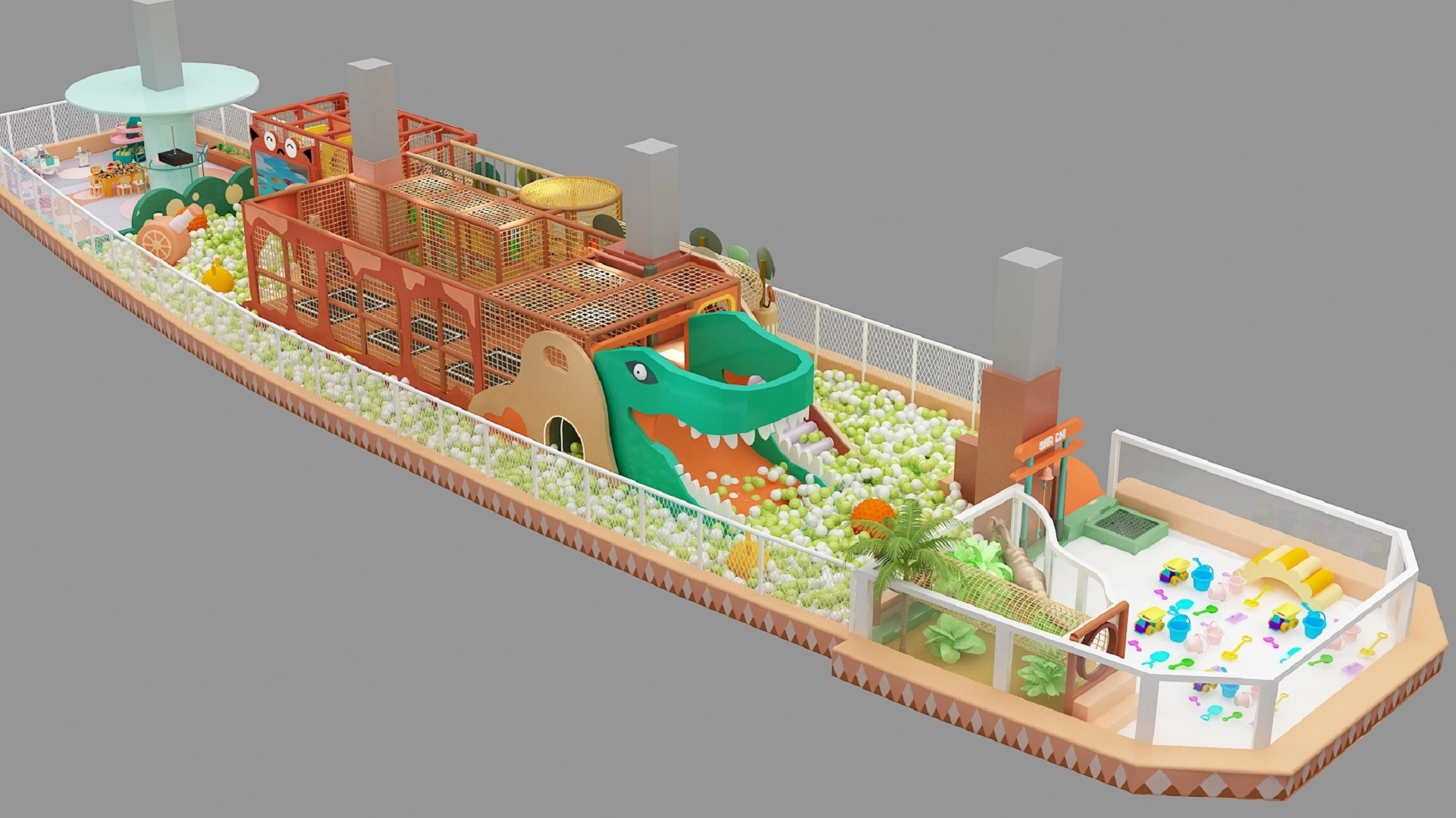
FEI FAN’s Dinosaur Theme Indoor Playground Equipment offers a safe, fun Kids Amusement Park experience with colorful Children Soft Playground features. Ideal for indoor play areas, it encourages active, imaginative play while ensuring comfort and safety. Perfect for all ages.
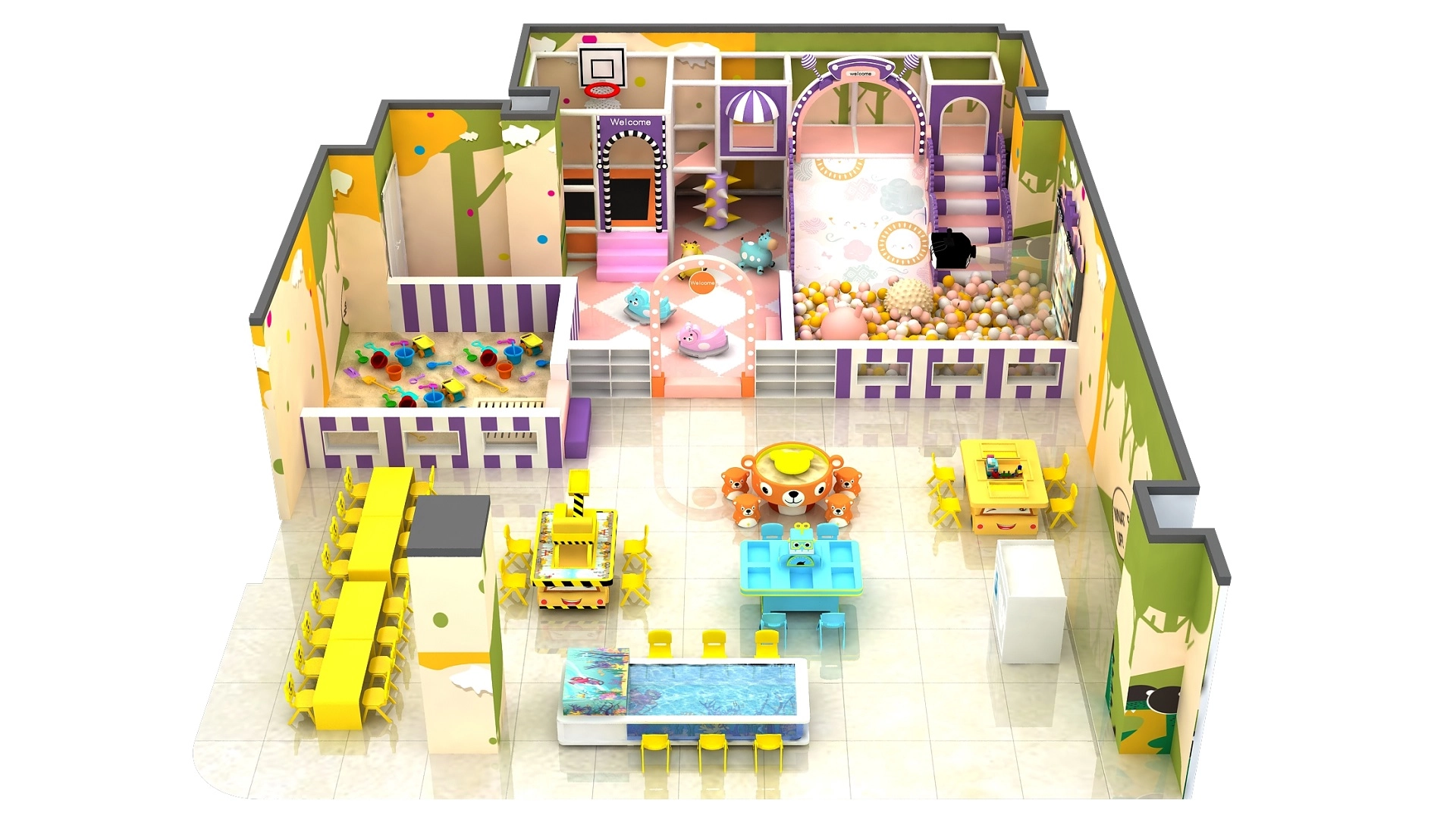
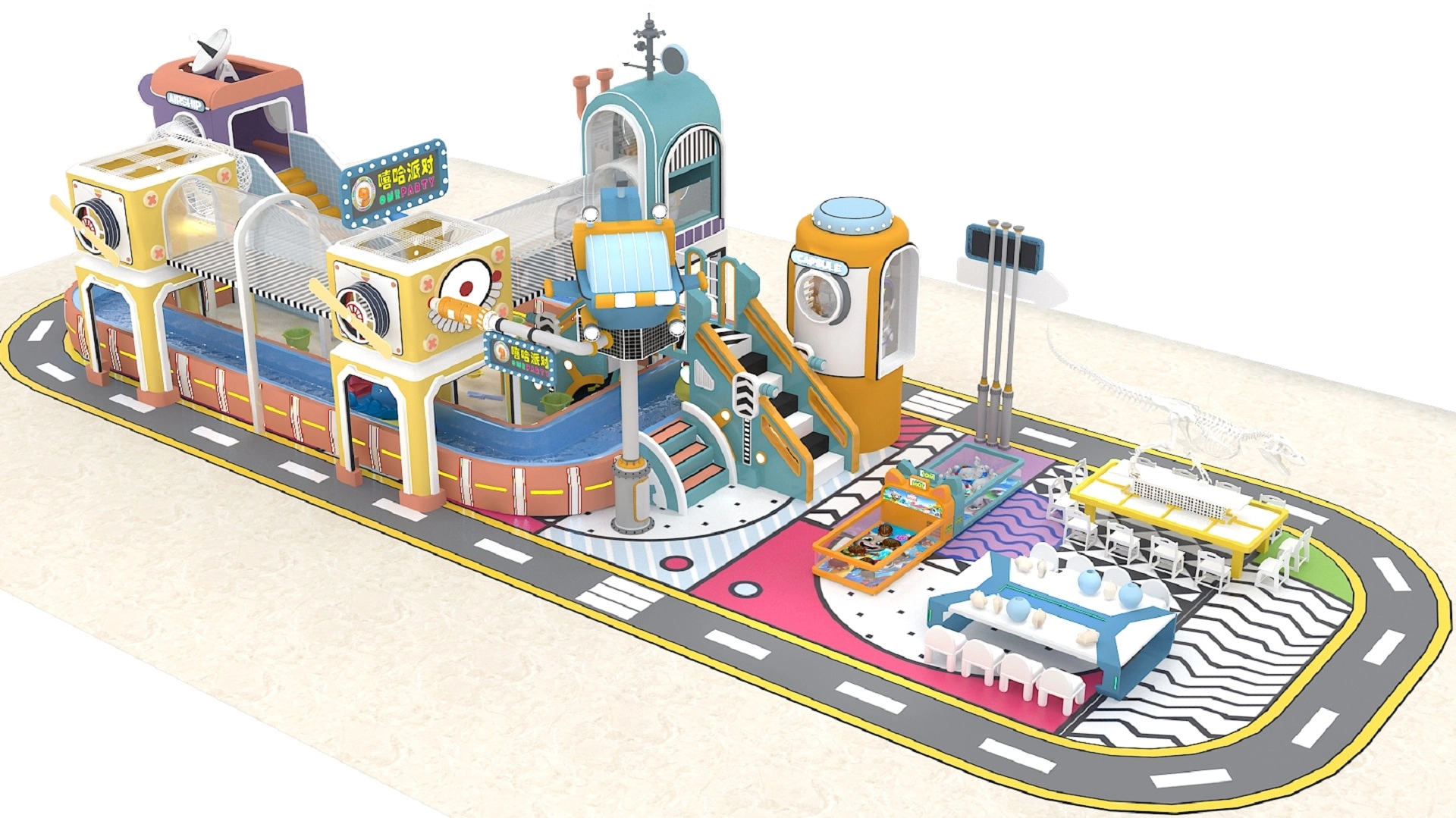
FEI FAN offers customized kids indoor playground equipment designed for commercial spaces. Our safe, durable indoor playground equipment creates fun, engaging environments that promote active play and development. Perfect for businesses seeking quality kids indoor playground solutions.

Get in touch
Let’s Build Your Dream Indoor Playground Together
Thank you for your interest in our products and services!
We’re dedicated to providing you with the best possible support and solutions for your needs.
FEI FAN is a premier Indoor Playground Manufacturer specializing in Kids Soft Play Equipment. From design to installation, we provide one-stop solutions for indoor play centers, daycares, and commercial venues globally.
© 2025 Feifan Amusement Equipment. All Rights Reserved.
 Scan QR Code
Indoor Soft Playground
Whatsapp: +8619068970573
Scan QR Code