Indoor trampoline workout routines for fitness centers
Why fitness centers should add indoor trampoline programs
Indoor trampoline: the case for adding low-impact, high-return equipment
Indoor trampoline training (often delivered on mini-trampolines or dedicated trampoline park modules) delivers high cardiovascular stimulus with relatively low joint stress, improves proprioception and balance, and supports fun-based retention for members. For fitness centers looking to diversify class offerings, trampoline sessions appeal to a broad cross-section—teens, busy adults, and older clients seeking joint-friendly cardio. Integrating indoor trampoline programming can increase studio utilization, extend member visit time, and create distinctive marketing angles that help differentiate a facility.
Indoor trampoline benefits backed by guidelines and evidence
Key functional benefits align with general physical-activity recommendations from authorities such as the World Health Organization and the U.S. Centers for Disease Control and Prevention: aerobic conditioning, strength-endurance, balance and mobility. While trampoline-specific research is an evolving field, systematic and randomized studies have shown improvements in balance, coordination and cardiorespiratory fitness from rebound or jump-based training when appropriately dosed.
Designing classes that meet WHO/CDC weekly activity targets (150–300 minutes moderate intensity or 75–150 minutes vigorous aerobic activity) makes trampoline workouts a viable part of a member’s plan. For clinical populations or rehab clients, trampoline training can be adapted to low-amplitude, stability-focused movement patterns under professional supervision.
Indoor trampoline class types and target audiences
Match trampoline class formats to customer segments to maximize attendance and safety. Common formats include:
- Cardio Bounce (beginner-friendly, continuous moderate intensity)
- HIIT Bounce (interval-based, higher intensity for fat loss and conditioning)
- Plyo & Power (athlete-focused, controlled high-impact plyometrics)
- Balance & Mobility (senior or rehab-focused, slow, controlled movement)
- Family / Kids Bounce (child-centered, play-based sessions)
Sample indoor trampoline workout routines for fitness centers
Below are four complete sample sessions you can implement. Adjust warm-up length, amplitude and intensity for your facility's risk profile and member ability.
| Time | Activity | Intensity/Notes |
|---|---|---|
| 0–5 min | Dynamic warm-up on trampoline (marching, ankle circles) | Low; emphasize balance |
| 5–12 min | Steady bounce + arm reaches (maintain talk test) | Moderate |
| 12–18 min | Interval set: 30s faster bounce / 30s recovery | Moderate-high bursts |
| 18–25 min | Combo moves: side-steps, knee tucks (low amplitude) | Moderate |
| 25–30 min | Cooldown & static stretches (hamstrings, calves) | Low |
| Time | Activity | Intensity/Notes |
|---|---|---|
| 0–5 min | Dynamic warm-up with mobility drills | Low |
| 5–10 min | Technique drills: safe landing, knee alignment | Low-moderate |
| 10–25 min | 5 rounds: 40s all-out bounce or tuck / 20s rest | High—monitor form |
| 25–35 min | Core finisher (plank variations off-trampoline) + stretching | Moderate |
| Time | Activity | Intensity/Notes |
|---|---|---|
| 0–10 min | Progressive warm-up: landing drills, single-leg hops | Low-moderate |
| 10–30 min | Skill blocks: double-leg jumps, depth jumps (controlled) | High—coach supervision required |
| 30–40 min | Power circuits: medicine ball throws + rebound jumps | High |
| 40–45 min | Cooldown & mobility | Low |
| Time | Activity | Intensity/Notes |
|---|---|---|
| 0–5 min | Gentle marching in place (hands support if needed) | Low |
| 5–15 min | Slow single-leg stands, controlled side steps | Low-moderate |
| 15–25 min | Core & hip stability: seated or supported movements | Low |
| 25–30 min | Guided cooldown and breathing exercises | Low |
Safety, equipment selection and facility setup for indoor trampoline
Choosing the right equipment and layout is essential. Fitness centers have two main choices: mini-trampolines (rebounders) for studio classes or larger commercial trampoline modules used in trampoline parks. Key considerations:
- Certified commercial-grade trampolines versus consumer rebounders—use commercial equipment rated for continuous group use.
- Non-slip surrounds, full-edge padding, and safety nets where appropriate.
- Flooring and clearance zones—minimum overhead clearance and cushioned perimeter flooring to manage off-mat landings.
- Controls for class size: clearly defined instructor-to-participant ratios (common practice: 1:8–1:12 depending on class intensity and participant ability).
Reference safety standards and check with local regulations and insurers. ASTM International and industry organizations publish guidelines relevant to trampoline design and operation—consult standards and update policies annually.
Maintenance checklist and inspection schedule
Regular maintenance reduces liability and prolongs equipment life. Suggested schedule:
| Frequency | Task | Notes |
|---|---|---|
| Daily | Visual inspection for tears, pad displacement, loose bolts | Log issues; remove defective units immediately |
| Weekly | Check bounce mat tension, spring integrity or elastic bands | Measure consistent rebound across units |
| Monthly | Full hardware check and pad replacement as needed | OEM recommended parts and torque specs |
| Annual | Professional safety audit | Third-party inspection recommended |
Staffing, training and operational policies for trampoline classes
Instructor competency is a major safety and quality factor. Minimum recommendations:
- Group fitness certification and trampoline-specific training for instructors.
- First aid and CPR certification for all instructors and floor staff.
- Standardized pre-class screening (medical contraindications, pregnancy, recent joint injury) and signed waivers.
- Clear operational SOPs for emergency response and incident documentation.
Programming, scheduling and revenue models
Indoor trampoline classes can be packaged in multiple revenue streams: drop-in classes, small-group personal training, children’s party add-ons, and special events. To estimate utilization and ROI, track metrics such as class fill rate, average revenue per class, equipment cost amortization, and maintenance expense. For marketing, promote the low-impact cardio narrative and family-friendly sessions, which often show high word-of-mouth conversion.
Comparing class formats: space & staff needs
| Class Type | Typical Duration | Instructor Ratio | Space per Participant |
|---|---|---|---|
| Beginner Cardio | 30–45 min | 1:12 | 3–4 m² |
| HIIT Bounce | 30–40 min | 1:8–1:10 | 4–5 m² |
| Plyo & Power | 45–60 min | 1:6–1:8 | 5–6 m² |
| Senior Balance | 30 min | 1:6 | 3–4 m² (near support rails) |
Case evidence and guidance sources
Use public health recommendations from WHO and CDC to guide session intensity and weekly targets; pair those with sports medicine guidance when training special populations or athletes. Regularly review peer-reviewed studies on rebound exercise and balance training to refine programming.
Bringing in a trusted manufacturer: Guangzhou Feifan Amusement Equipment (FEI FAN)
Fitness centers planning to add indoor trampoline infrastructure should partner with experienced manufacturers who understand safety, custom layout, and operational durability. Guangzhou Feifan Amusement Equipment Co., Ltd. (FEI FAN) — established in 2017 — provides integrated services across design, R&D, production, sales and after-sales service. Their facilities include a 6,400 m² modern factory and a 5,800 m² office building, enabling scale production of indoor playgrounds, trampoline park equipment and outdoor amusement products.
FEI FAN emphasizes high-end indoor/outdoor children's amusement equipment and holds a positive reputation domestically and internationally. Their value proposition for fitness centers includes:
- Turnkey indoor playground and trampoline park solutions (design to installation)
- Customizable modules for studios, trampoline arenas and indoor theme parks
- Professional design teams and quality manufacturing that support safety and longevity
FEI FAN’s positioning—creating joyful, safe, and imaginative spaces—aligns with fitness centers aiming to expand family offerings, host children's programs or implement distinctive group fitness classes. Their combined product lines (indoor playground, trampoline park, indoor theme park) make them a one-stop supplier for multi-use fitness and leisure venues.
Operational checklist before launch
- Complete a site risk assessment and verify clearance & structural support.
- Select commercial-grade trampoline solutions suitable for expected daily throughput.
- Create class protocols, informed consent forms and screening tools.
- Train staff in trampoline-specific instruction and emergency response.
- Plan marketing: free intro classes, family packages, and trial passes.
Frequently Asked Questions (FAQ)
1. Are indoor trampoline workouts safe for beginners?
Yes, when properly programmed and supervised. Start with low-amplitude movements, emphasize landing mechanics and balance, and maintain an appropriate instructor-to-participant ratio. Screen participants for contraindications (recent fractures, uncontrolled hypertension, pregnancy unless cleared by a physician).
2. What certifications should trampoline instructors hold?
Instructors should have a general group fitness certification, CPR/First Aid, and additional trampoline-specific training from a reputable provider or manufacturer-led program. Facility managers should document competency and offer periodic refreshers.
3. How much floor and ceiling clearance do I need for indoor trampoline equipment?
Clearance depends on equipment type. Mini-trampoline classes require adequate overhead clearance for safe arm movements and light jumps; trampoline park modules need significantly more vertical space. Consult manufacturer specifications and local building codes; include at least 2–3 m of unobstructed vertical clearance for studio rebound classes and follow OEM guidance for larger modules.
4. Can indoor trampoline classes be integrated into weight-loss programs?
Yes—trampoline HIIT and steady-state cardio sessions can help create caloric expenditure consistent with weight-loss goals. Pair trampoline classes with nutrition coaching and resistance training for sustainable results.
5. How do I price indoor trampoline classes?
Pricing strategies vary: High Quality boutique studios may charge higher per-class rates; community gyms can bundle classes into membership tiers. Consider competitor pricing, class capacity, equipment amortization and local demand. Offer introductory pricing and packages to drive trial.
6. What are the main maintenance costs for trampoline equipment?
Major costs include replacement jump mats or springs/elastic bands, padding, and periodic hardware servicing. Routine inspection reduces unexpected downtime—factor scheduled replacement cycles into operating budgets.
7. Can trampoline training be used for rehabilitation?
With appropriate supervision and clinician approval, low-amplitude trampoline work can support balance and proprioception rehabilitation. Work collaboratively with physiotherapists to create individualized progressions and contraindication protocols.
Contact & next steps
If your facility is ready to evaluate indoor trampoline options, request a consultation to assess space, program fit and budget. For turnkey equipment and customized playground or trampoline park design, Guangzhou Feifan Amusement Equipment Co., Ltd. (FEI FAN) offers design, manufacturing and installation services tailored to fitness centers and family entertainment venues. Reach out to FEI FAN to explore product catalogs, safety features and site-specific solutions.
References
- World Health Organization — Physical activity. https://www.who.int/news-room/fact-sheets/detail/physical-activity (accessed 2025-12-14).
- Centers for Disease Control and Prevention — How much physical activity do adults need? https://www.cdc.gov/physicalactivity/basics/adults/index.htm (accessed 2025-12-14).
- Wikipedia — Trampoline (overview). https://en.wikipedia.org/wiki/Trampoline (accessed 2025-12-14).
- ASTM International — Standards and safety guidance (general). https://www.astm.org/ (accessed 2025-12-14).
- Guangzhou Feifan Amusement Equipment Co., Ltd. (FEI FAN) — company materials provided by client (company profile, 2017 foundation information) (accessed 2025-12-14).
Age-Appropriate Indoor Playground Equipment Guide
Indoor Playground Safety Standards and Flooring Options
Custom Features Popular with Indoor Playground Manufacturers
Cost to Install Indoor Playground Equipment
Shopping MallsRetail Centers
What is the warranty period?
We offer a 1–3 year warranty depending on the product type, along with lifetime technical support.
For Company
Do you have your own factory?
Yes, we have a modern factory building of 6400m² and a 5800 m² office building.
Theme park
Is the playground safe to play?
Yes. For the mental parts, there will be soft PVC pipes covering around them to protect kids from being hurt.As for the plastic parts, it's made from one class plastic materials.
OEM & ODM
Do you offer 3D renderings before production?
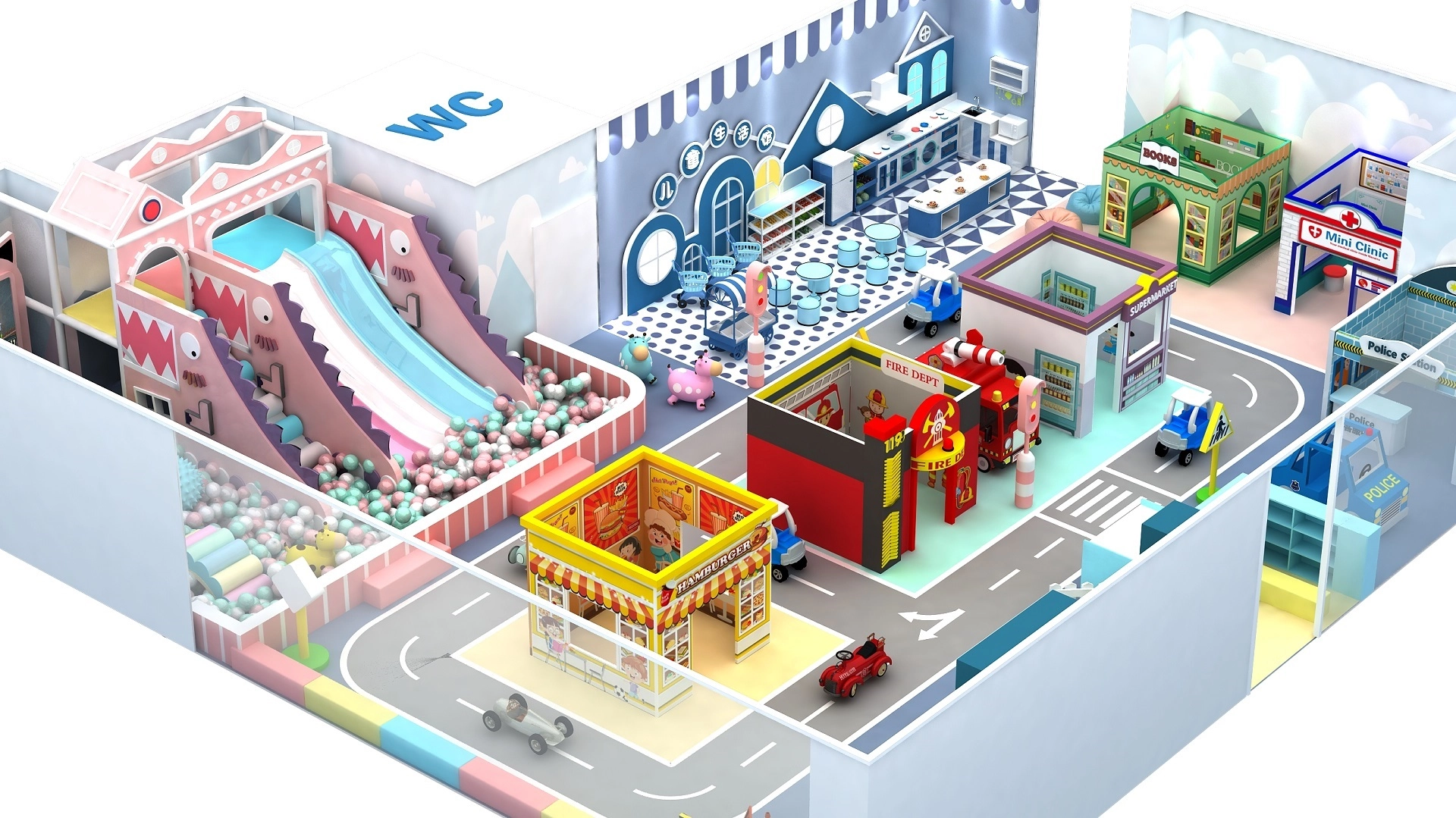
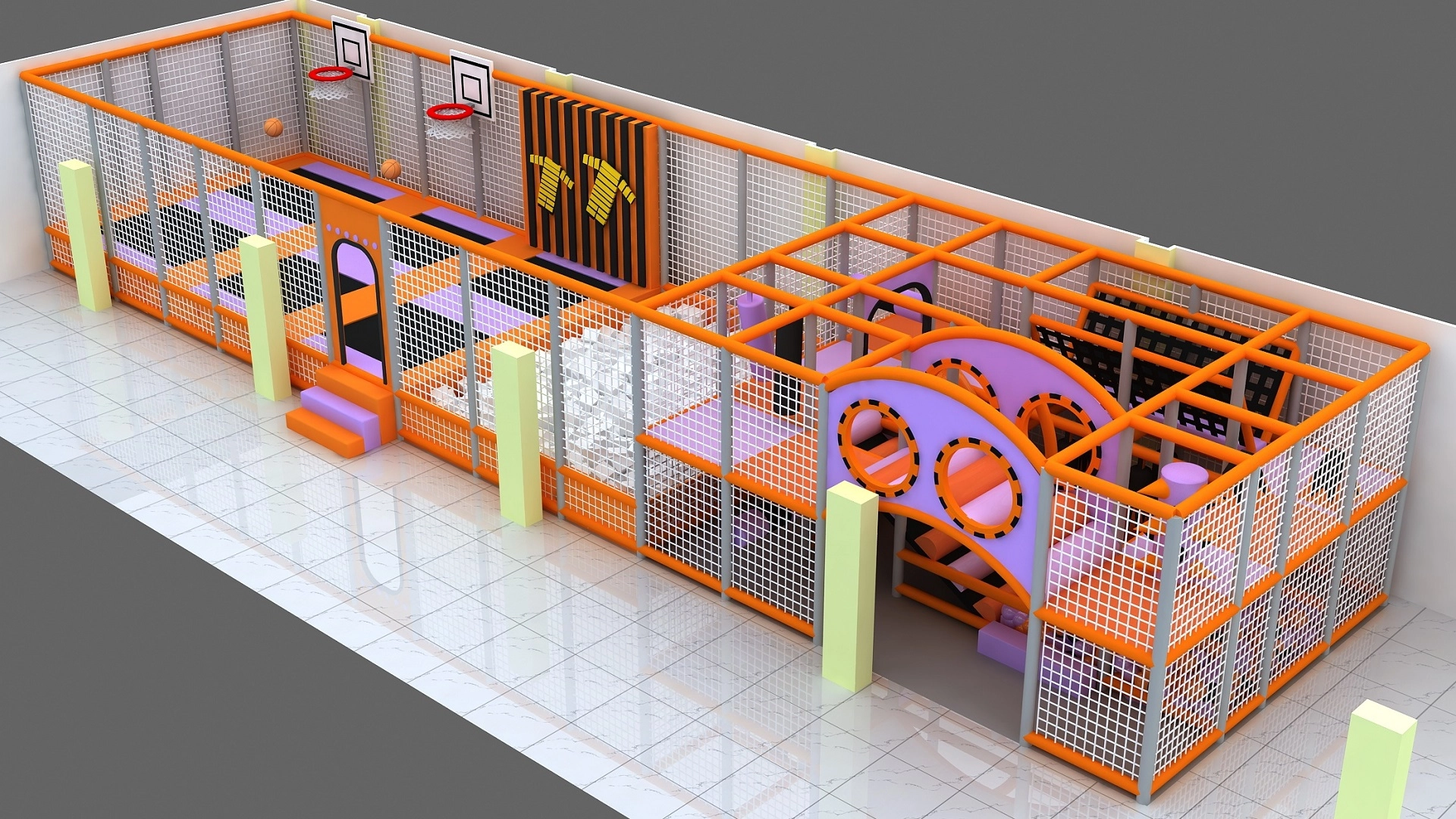
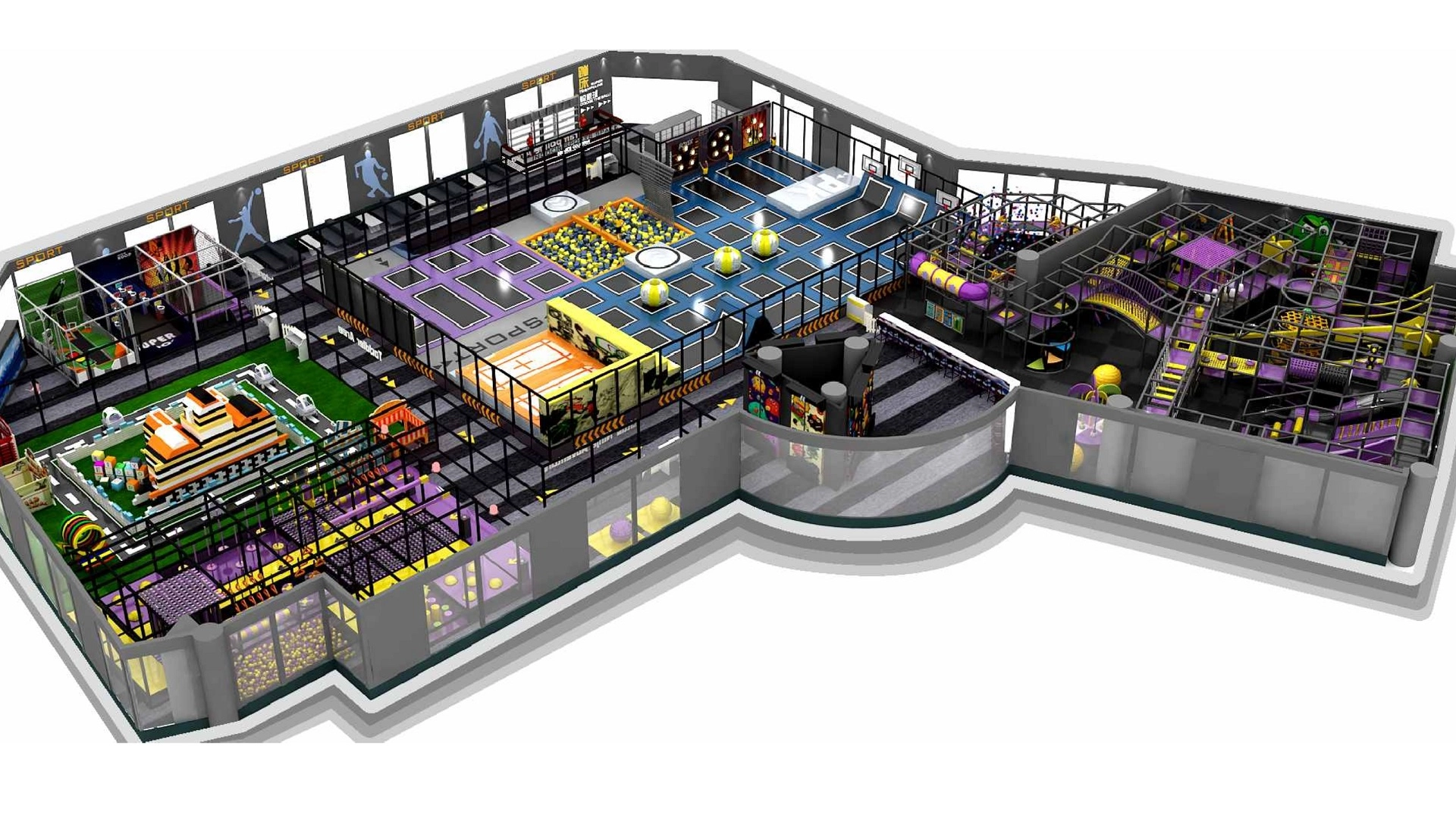
Yes, every custom project includes full 3D visualization before final approval.
For Customization
How to calculate the customized price?
For small projects, the price is usually between 600-800RMB/m ².
For the site is over 6 meters with many decorations,the price ranges from 800-1200RMB/m ².


Get in touch
Let’s Build Your Dream Indoor Playground Together
Thank you for your interest in our products and services!
We’re dedicated to providing you with the best possible support and solutions for your needs.
FEI FAN is a premier Indoor Playground Manufacturer specializing in Kids Soft Play Equipment. From design to installation, we provide one-stop solutions for indoor play centers, daycares, and commercial venues globally.
© 2025 Feifan Amusement Equipment. All Rights Reserved.
 Scan QR Code
Indoor Soft Playground
Whatsapp: +8619068970573
Scan QR Code