Choosing Commercial Soft Playground Equipment That Maximizes Safety and Long-Term ROI
With the US indoor entertainment center market projected to reach $10.5 billion by 2034, the demand for high-quality, safe, and engaging play environments is exploding. For commercial venue owners, selecting the right soft playground equipment is no longer just about filling space—it is a strategic business decision that directly impacts safety liability and long-term ROI.
Drawing on data from 2024-2025 industry reports and manufacturing expertise from Guangzhou Feifan Amusement Equipment Co., Ltd. (FEI FAN), this guide provides the technical roadmap you need to succeed in the evolving landscape of 2026.
What is Soft Playground Equipment and Why is it Critical?
Soft playground equipment refers to modular, impact-absorbing play structures primarily constructed from high-density foam (typically 45D) and encased in heavy-duty, antimicrobial PVC vinyl.
These structures are engineered to create a zero-risk environment where children can safely push their physical limits. Unlike traditional hard-plastic or metal playgrounds, soft play systems utilize commercial indoor play structures designed specifically for impact attenuation. This allows toddlers and children to develop essential gross motor skills, hand-eye coordination, and spatial awareness without the risk of serious injury from falls.
At FEI FAN, established in 2017 with a 6,400m² manufacturing facility, we have observed a shift in demand toward "sensory-rich" environments. Modern equipment must do more than just facilitate climbing; it must engage a child's vestibular and proprioceptive systems. This is why our R&D team integrates multi-textured surfaces and varying foam densities to support comprehensive child development.
2026 Key Takeaways: The Future of Soft Play
The dominant trends for 2026 are the integration of "Phygital" (physical + digital) interactive play and a mandatory shift toward sustainable, bio-based foam materials.
To stay competitive in 2026, venues must move beyond static structures. Data from NinescapeLand (2025) indicates a massive surge in demand for immersive theme park designs and interactive technology.
- Hybrid Play: The inclusion of IoT sensors and Augmented Reality (AR) climbing walls that track play patterns and gamify the experience.
- Sustainable Materials: A move away from traditional petrochemical foams toward bio-based alternatives and recyclable PVC skins to meet new environmental regulations.
- Health-First Design: The standardization of antimicrobial playground surfaces. Post-pandemic standards now often require materials treated with silver-ion technology to actively inhibit bacterial growth.
- Customization: AI-driven spatial planning is now used to maximize the "fun-per-square-foot" ratio, ensuring high ROI even in smaller urban venues.
Essential Safety Standards and Regulatory Compliance
Compliance with ASTM F1918-12 (North America) and EN 1176-10 (Europe) is the non-negotiable baseline for commercial indoor playground safety certification.
Ignoring these standards is the single largest liability risk for an operator. ASTM safety certified foam must be used in all impact zones.
- Navigating ASTM F1918: This standard specifically covers "Soft Contained Play Equipment." It dictates everything from the flammability of the vinyl (must meet NFPA 701) to the size of the netting mesh (to prevent finger entrapment).
- Fire Retardancy: For 2026 projects, ensure your supplier provides documentation for BS 5852 or equivalent international fire safety standards.
- Impact Attenuation: The core safety feature is the foam. We recommend 45D high-density foam for flooring and structural padding, as it retains its shape and shock-absorbing properties significantly longer than the cheaper 30D alternatives.
- Audit Trails: Implement a strict protocol of weekly internal checks and annual third-party inspections to maintain a "bulletproof" safety audit trail for insurance purposes.
The Business of Play: Maximizing ROI for Commercial Venues
Recent market analysis suggests that well-optimized indoor playgrounds in mature markets can expect operating profit margins between 8% and 12%, while high-growth regions may see margins up to 20%.
According to Hanlin Playground (2026), equipment costs typically average between $80 and $150 per square meter, but this initial CAPEX is quickly offset by high throughput if the layout is optimized.
- Modular vs. Fixed Systems: Invest in modular soft play systems. These allow you to swap out specific components (like slides or sensory panels) every 1-2 years to keep the attraction fresh without a full renovation.
- Space-to-Revenue Calculation: focus on active play zones. Dead space (excessive walkways) kills revenue. Efficient design maximizes capacity.
- Demographic Zoning: strictly separate the "Toddler" (0-3) and "Junior" (4-12) zones. This not only improves safety but encourages longer stays as families with children of different ages can all play simultaneously.
- Digital Integration: Implement digital waiver and check-in systems to capture customer data for retargeting campaigns, a standard practice in successful 2026 business models.
Expert Tips and Common Installation Mistakes
The most frequent cause of premature equipment failure is the use of substandard PVC vinyl thickness in high-traffic friction zones.
Drawing from FEI FAN's experience in delivering one-stop solutions globally, here are critical insights for installation:
- Expert Tip: Always specify 1000D PVC (0.55mm thickness) for slides and high-traffic floor mats. Thinner 500D vinyl will crack within 12 months under commercial use.
- Common Mistake: Neglecting the "Head Entrapment" probe test during DIY assembly. Even a gap of 9-23cm can be fatal. Professional installation teams use calibrated probes to verify every opening.
- Expert Tip: Integrate sensory integration equipment like "Calm-Down Zones" with muted colors and sound-dampening foam. This supports neurodivergent children and expands your potential customer base.
- Common Mistake: Underestimating HVAC requirements. Soft play structures can trap heat. Poor ventilation leads to moisture buildup inside the foam cores, causing mold growth that ruins the equipment.
Maintenance 2.0: Beyond Simple Cleaning
Effective maintenance in 2026 requires a documented 4-step daily hygiene protocol and predictive replacement of wear components.
- Daily Protocol:
- Inspect: Visual check for tears or loose netting.
- Vacuum: Remove dust/debris from mats.
- Sanitize: Wipe down high-touch vinyl with non-corrosive, hospital-grade disinfectant.
- Dry: Ensure surfaces are dry to prevent slips.
- Ball Pit Hygiene: Use automated ball washing machines monthly. A dirty ball pit is the #1 complaint from parents in online reviews.
- Critical Spares: Keep a "Critical Spares" kit on-site (zip ties, extra PVC vinyl patches, spare netting). This prevents downtime while waiting for parts from overseas manufacturers.
FAQs
What is the best material for commercial soft playground equipment?
The industry gold standard is 45D high-density foam for the internal structure, encased in 0.55mm heavy-duty antimicrobial PVC. Seams should be double-stitched with high-strength nylon thread for durability.
How much does it cost to set up a commercial soft play area in 2026?
Costs vary by size. A small toddler zone ranges from $5,000 to $15,000, while large multi-level commercial centers can range from $50,000 to over $250,000. Expect equipment costs to be roughly $80-$150 per square meter.
How long does professional soft play equipment last?
High-quality equipment typically lasts 7-10 years with proper maintenance. However, high-friction components like slides and ball pit liners may need resurfacing every 3-5 years.
Is soft play equipment safe for children with autism?
Yes. Soft play offers essential proprioceptive and vestibular input in a safe environment. We recommend designs that include quiet "hiding" spaces and sensory-friendly color palettes to prevent overstimulation.
What insurance is required for an indoor soft play business?
Public Liability Insurance is mandatory. Operators should also secure Professional Indemnity and Product Liability insurance. Rates can vary significantly based on the presence of high-risk items like trampolines.
How often should soft play equipment be cleaned?
Surface sanitization must occur daily. Deep cleaning, including ball pit sterilization and checking under floor mats, should be scheduled monthly or bi-monthly.
Can soft play equipment be installed outdoors?
Standard soft play is for indoor use only. UV rays and moisture will rapidly degrade the PVC and foam. Outdoor installations require specialized marine-grade vinyl and closed-cell foam.
What is the minimum ceiling height for a multi-level soft play structure?
A minimum of 4 meters (approx. 13 feet) is recommended for a standard two-level structure. You must always maintain at least 2 meters of clearance above the highest playable surface.
References
Video Gaming & eSports | Statista
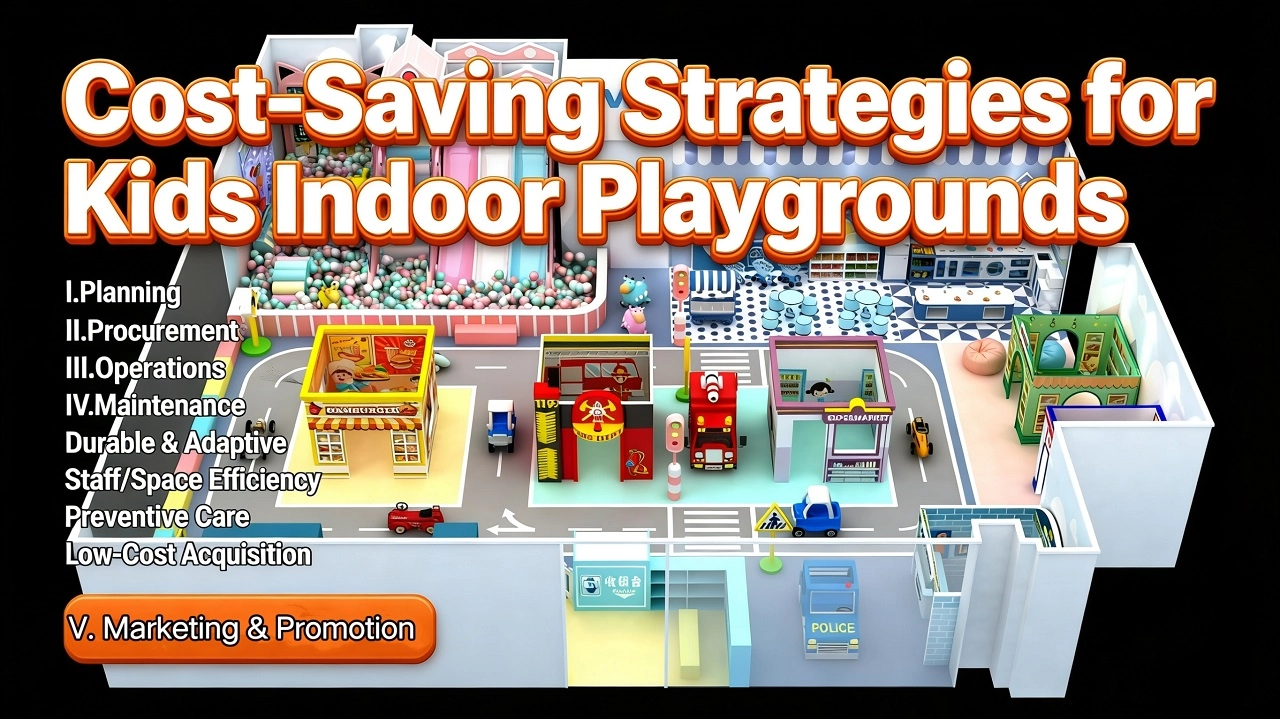
How to Reasonably Control Costs of Kids Indoor Playgrounds | Trusted Manufacture

Flourishing in Both the Middle East and Europe! What Makes Guangzhou Feifan Amusement a Leading Export Manufacturer of Indoor Playgrounds?
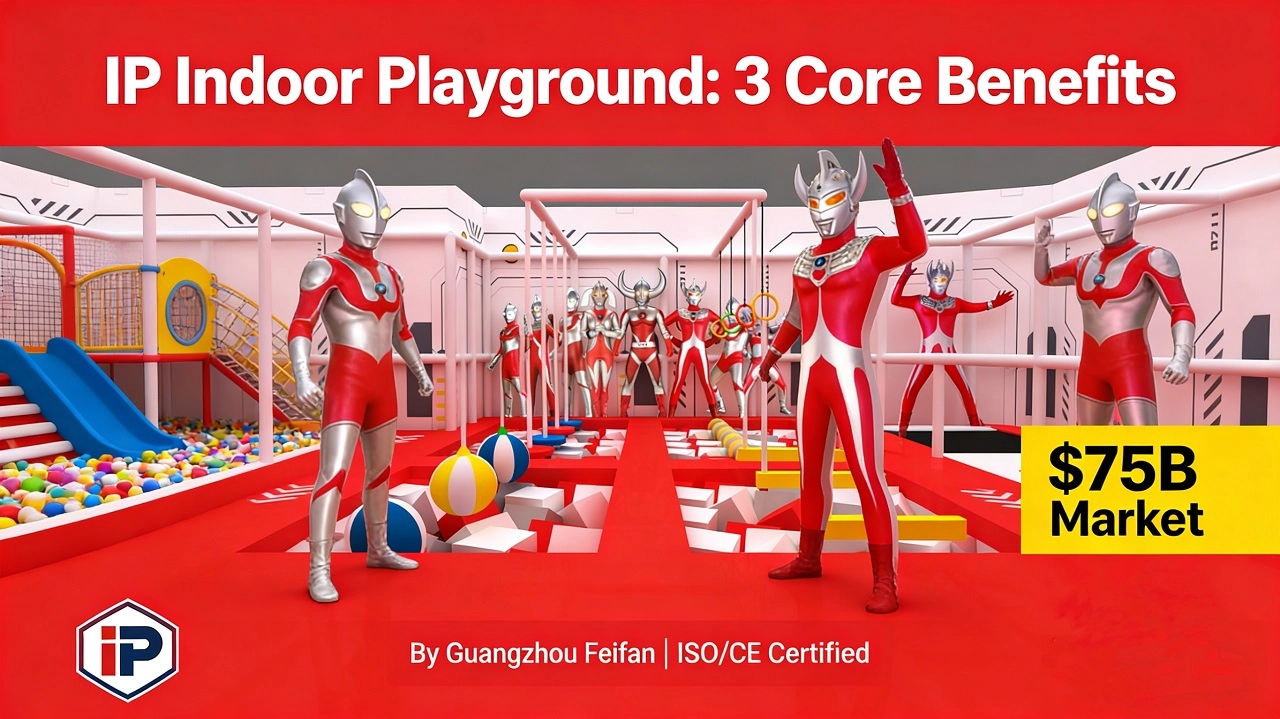
What Is an IP Indoor Playground & Its Core Benefits? | Insight by Feifan
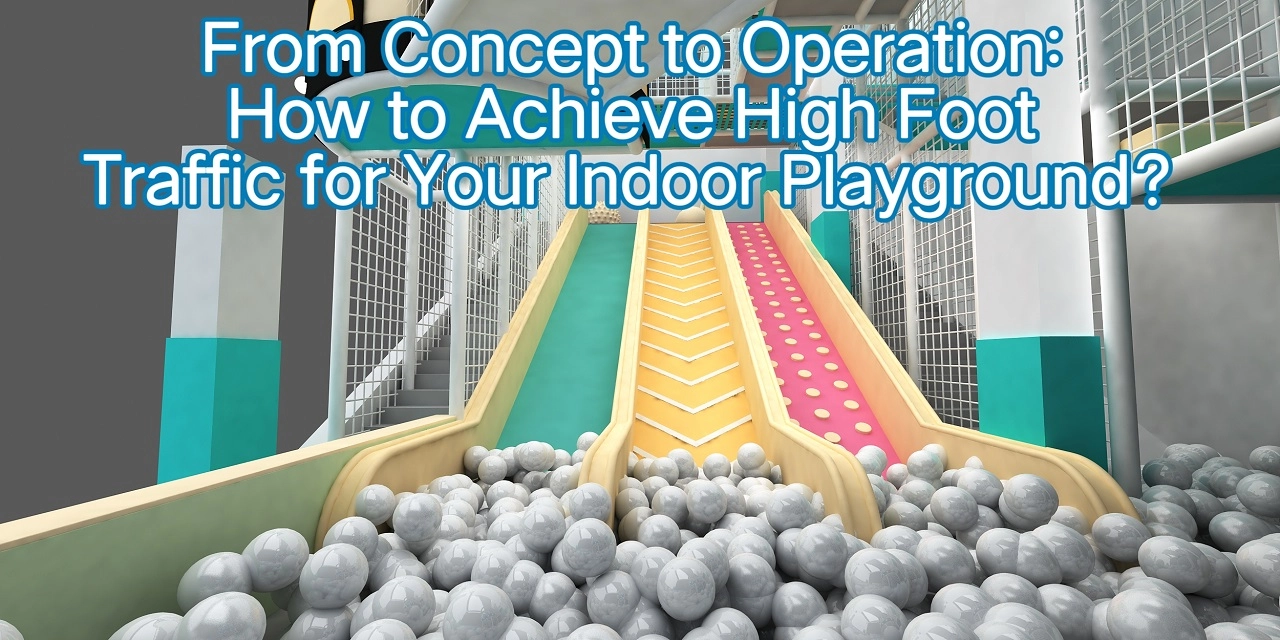
From Concept to Operation: How to Achieve High Foot Traffic for Your Indoor Playground?
Shopping MallsRetail Centers
Can you design amusement equipment based on our mall’s theme?
Yes, we specialize in theme customization, from ocean and jungle to branded concepts that match your retail center’s identity.
What safety standards do your products meet?
All our equipment complies with international safety certifications (EN, ASTM, CE, etc.) and uses eco-friendly, non-toxic materials.
Indoor Playgrounds Trampoline Parks
How long does it take to complete a project?
Depending on project size, it typically takes 4–10 weeks from design to delivery and installation.
Can you design different zones for different age groups?
Yes, we create separate play zones for toddlers, children, and teenagers to ensure safety and maximize engagement.
For Products
What are the mainly themes of indoor playground ?
Various themes including space series, forest series, macaroon series, ocean series, candy series, etc
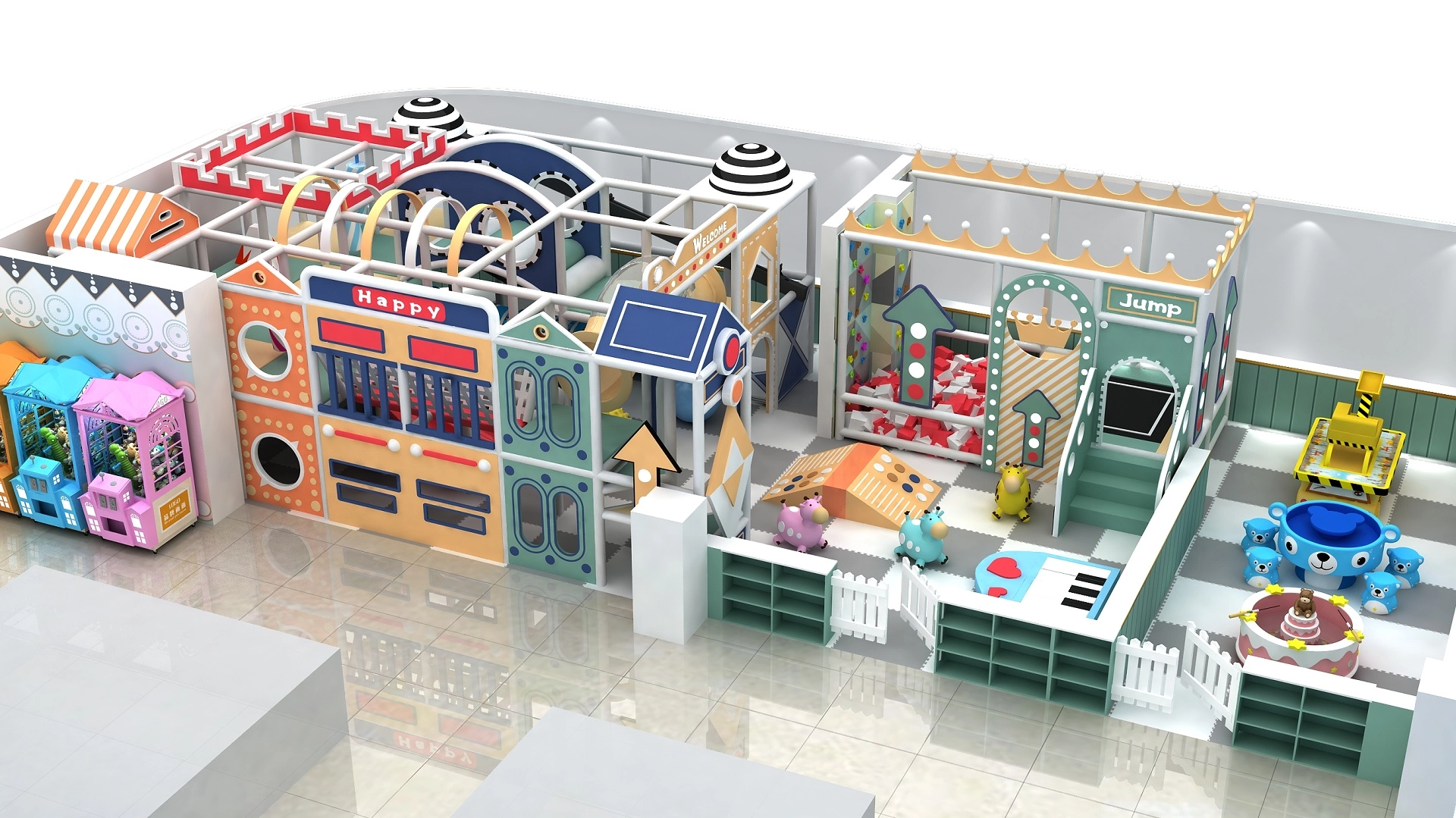
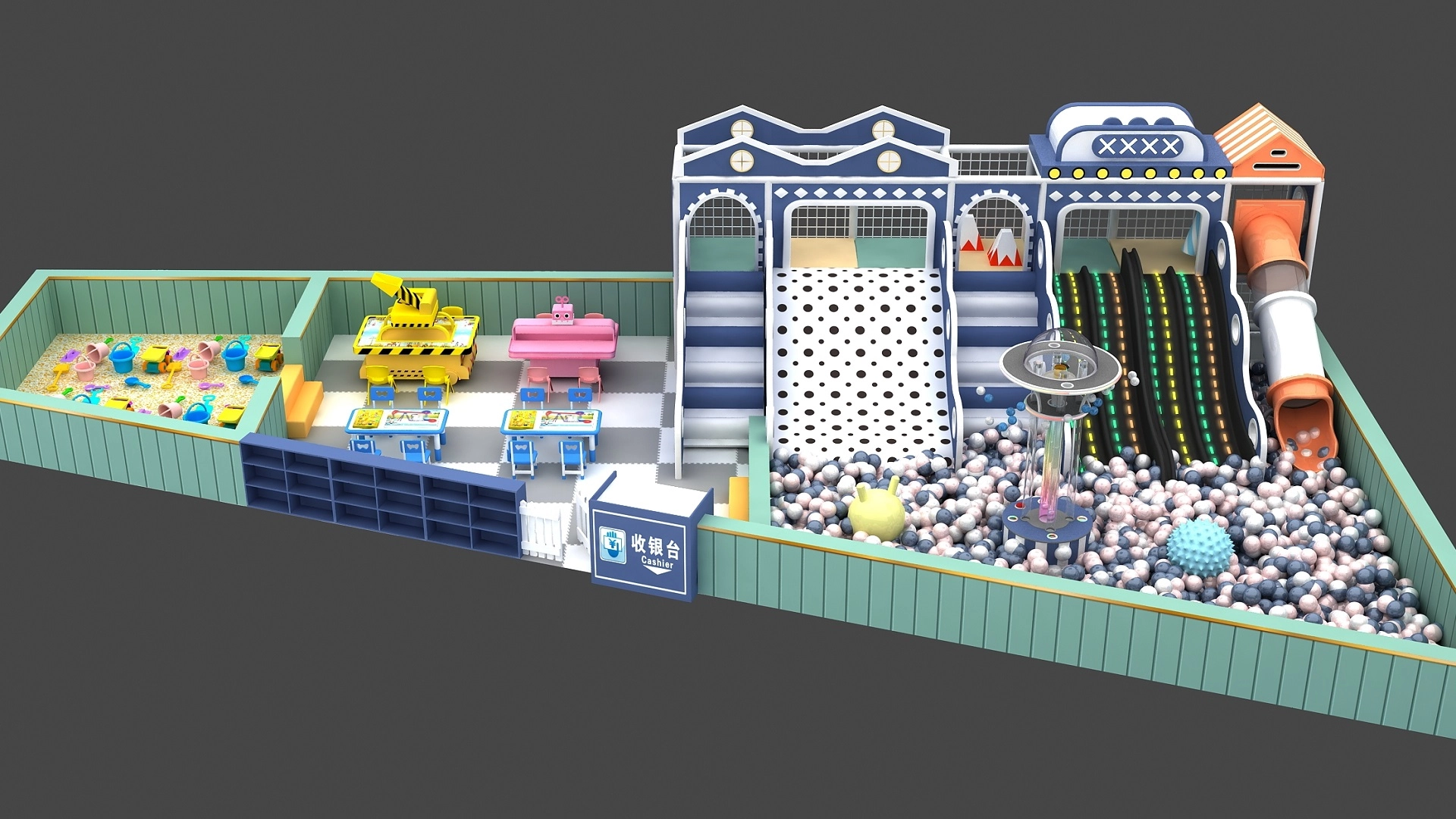
FEI FAN’s New Style Indoor Amusement Equipment offers custom toddler soft play solutions designed for safety and fun. Ideal for baby parks, this safe-friendly play equipment enhances indoor amusement spaces with durable, engaging designs parents trust. Perfect for early childhood development.

Send my request
Let’s Build Your Dream Indoor Playground Together
Thank you for your interest in our products and services!
We’re dedicated to providing you with the best possible support and solutions for your needs.
FEI FAN is a premier Indoor Playground Manufacturer specializing in Kids Soft Play Equipment. From design to installation, we provide one-stop solutions for indoor play centers, daycares, and commercial venues globally.
© 2025 Feifan Amusement Equipment. All Rights Reserved.
 Scan QR Code
Indoor Soft Playground
Whatsapp: +8619068970573
Scan QR Code