The Complete Soft Play Business Investment Guide 2026: Costs, ROI, and Planning
Are you considering launching a family entertainment venue this year? Making a strategic Soft Play Business Investment is one of the most lucrative opportunities in the commercial real estate and leisure sectors for 2026. This comprehensive guide breaks down everything from initial capital requirements to maximizing your long-term returns.
Is a Soft Play Business a Good Investment?
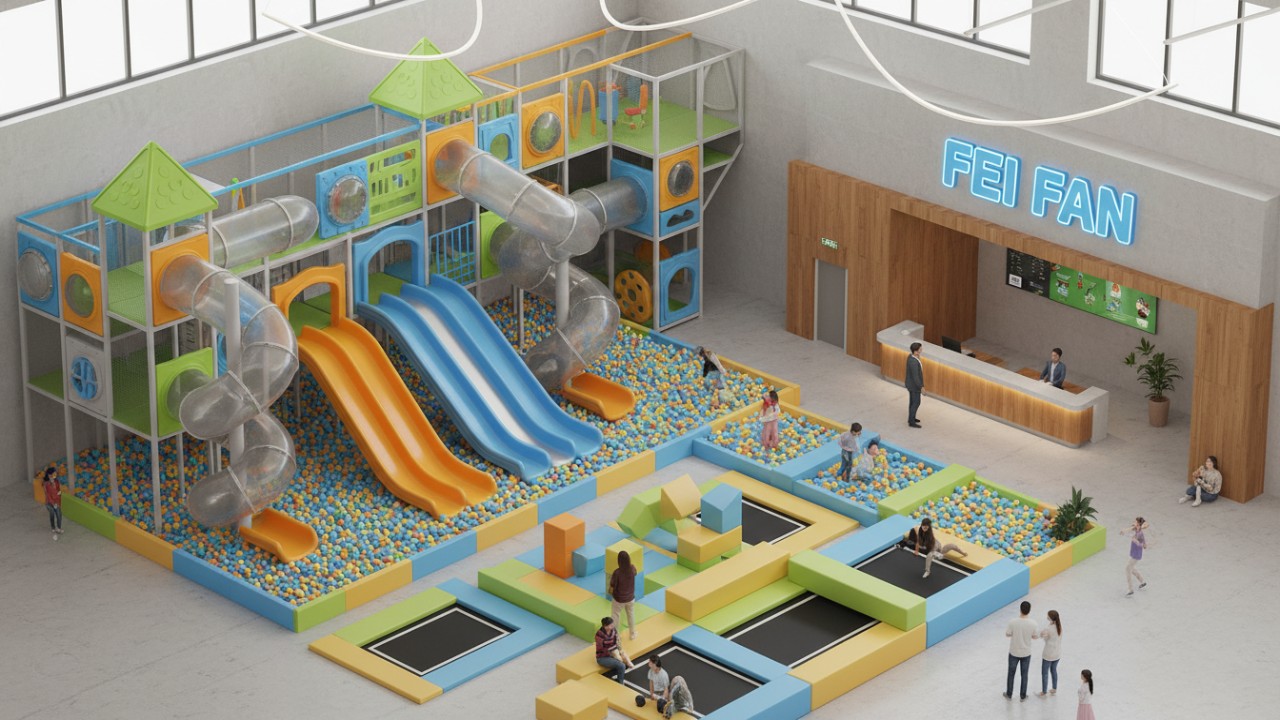
A Soft Play Business Investment is a highly profitable venture that involves funding a commercial indoor playground facility. In 2026, these centers serve as recession-resilient anchor tenants in retail spaces, generating high-margin returns through admission fees and secondary spending.
How and why does this model work so well? As commercial retail spaces continue to evolve, landlords are actively seeking experiential businesses that cannot be replicated by e-commerce. Indoor playgrounds naturally drive high foot traffic. These venues are typically marketed toward families with children and cater to sub-regional markets by providing diverse, community-based leisure options, as reported by Wikipedia.
To ensure long-term profitability, investors must focus on three core pillars:
- Strategic Location: Securing high-visibility commercial spaces with ample parking.
- Durable Equipment: Sourcing custom, commercial-grade play structures that withstand heavy daily use.
- Diversified Revenue: Integrating cafes, merchandise, and premium party packages to boost per-head spending.
Key Takeaways: Quick Summary of Soft Play Investment
The core takeaways for launching an indoor playground involve securing initial capital for custom equipment, anticipating a 6 to 12-month timeline from planning to opening, and expecting a solid return on investment within 1.5 to 3 years.
Understanding the broader scope of this venture is critical for proper expectation management.
- Initial Capital Requirements: Your funding will need to cover leasehold improvements, custom equipment procurement, and rigorous safety certifications.
- Development Timeline: The average timeline from drafting a business plan to hosting your grand opening is typically 6 to 12 months, depending on zoning approvals and manufacturing lead times.
- Return on Investment: Expected ROI periods average between 1.5 to 3 years. This timeline is heavily dependent on operational efficiency and the successful implementation of secondary spend strategies.
Breaking Down the Startup Costs: What to Expect
Indoor playground startup costs primarily include facility leasing, structural modifications, procurement of commercial indoor play equipment, and operational expenses like insurance and safety certifications. Proper budgeting ensures a smooth transition to grand opening.
Why do these costs vary so much? The footprint of your building and the complexity of your play structures dictate the bulk of your capital expenditure. Furthermore, ensuring your facility meets strict structural integrity and cushioning guidelines is crucial for liability, as reported by Go Play Systems regarding ASTM F1918 indoor playground safety standards.
Here is a breakdown of typical startup expenses:
- Facility Expenses: This includes commercial leasing deposits, zoning permits, architect fees, and structural modifications (like raising ceilings or installing HVAC).
- Equipment Procurement: Purchasing commercial-grade indoor playground and trampoline park equipment from a trusted, certified manufacturer.
- Operational Necessities: Setting aside capital for public liability insurance, HSE safety certifications, and localized launch marketing budgets.
| Expense Category | Estimated Cost Range (USD) | Description |
|---|---|---|
| Facility Leasing & Build-out | $50,000 - $150,000 | First/last month rent, zoning permits, structural modifications, and aesthetics. |
| Commercial Play Equipment | $100,000 - $300,000 | Custom multi-level structures, ninja courses, trampolines, and toddler zones. |
| Insurance & Certifications | $5,000 - $15,000 | Annual public liability insurance, safety inspections, and HSE compliance. |
| Marketing & Operations | $10,000 - $30,000 | Pre-launch marketing, digital booking software, hiring, and initial staffing. |
Calculating ROI and Maximizing Profit Margins
To maximize soft play center profit margins and accelerate your family entertainment center ROI, operators must diversify income streams beyond standard ticket sales. High-yield secondary spend areas like on-site cafes and premium birthday packages are fundamentally crucial.
How can you boost these margins effectively? Modern venues are increasingly relying on immersive experiences and innovative attractions to drive repeat visits, as reported by IAAPA. Relying solely on weekend admission tickets leaves your business vulnerable to seasonal dips.
To optimize your financial returns, implement the following strategies:
- High-Yield Secondary Spend: Construct a well-designed on-site cafe offering premium food and beverages. Coffee and snacks often carry the highest markup in the facility.
- Recurring Revenue Models: Implement tier-based membership programs to ensure steady, predictable revenue during slower off-peak weekday hours.
- Operational Efficiency: Optimize your staffing schedules and utilize advanced digital booking software to manage peak-time capacity without overhiring.
Strategic Planning: From Feasibility to Business Plan
Starting a soft play business plan requires conducting localized market research, evaluating competitor density, and securing high-traffic commercial real estate. A robust, data-driven plan is essential for securing commercial loans and ensuring long-term operational success.
Why is this foundational step so critical? A beautifully designed playground will still fail if placed in an inaccessible location or an oversaturated market.
Follow these strategic planning steps:
- Market Research: Conduct localized studies to evaluate the demographic demand (number of families with young children) and identify gaps your competitors are missing.
- Financial Structuring: Build a detailed financial model within your business plan to secure commercial real estate loans, government grants, or private investor funding.
- Location Selection: Select a high-traffic retail or warehouse location offering ample parking, excellent street visibility, and a minimum ceiling height of 15 feet to accommodate multi-level climbing structures.
Designing for Success: The Manufacturer Advantage with FEI FAN
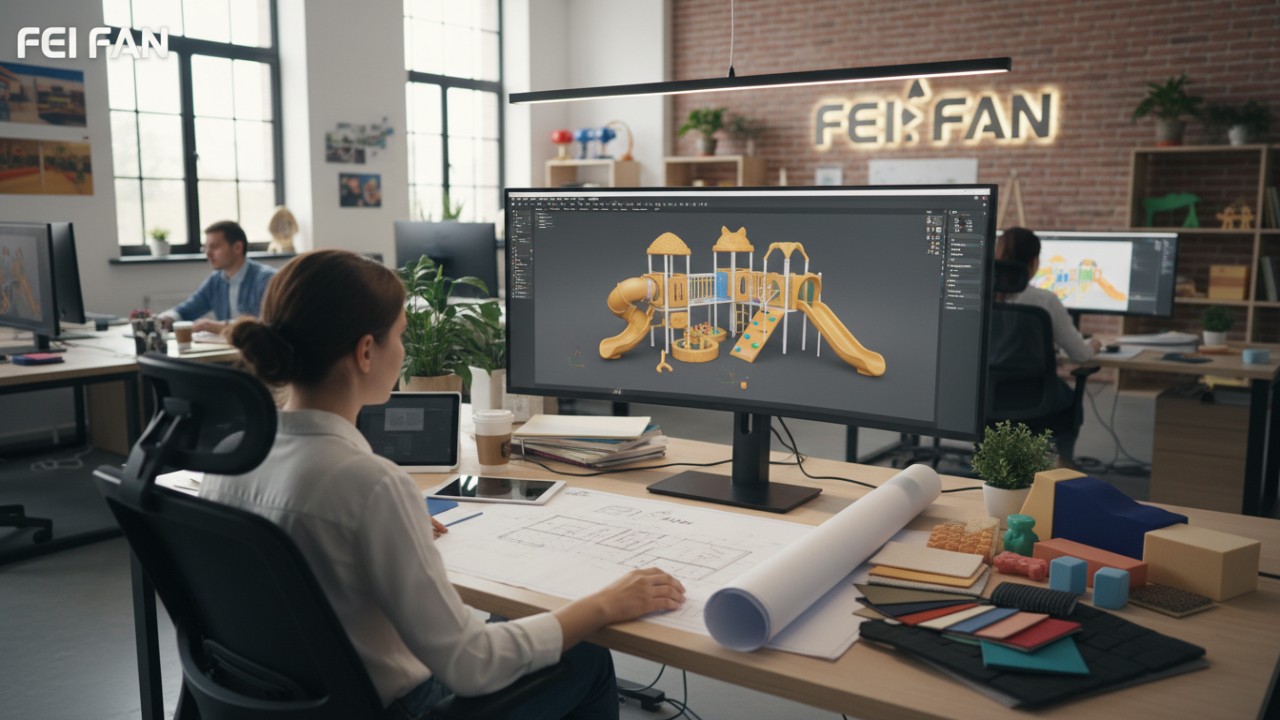
Partnering with a direct manufacturer like Guangzhou Feifan Amusement Equipment Co., Ltd. significantly reduces your initial investment by eliminating middleman markups. This ensures you receive high-end, fully customized commercial indoor play equipment tailored specifically to your facility's layout.
How does working with an industry leader elevate your brand? Established in 2017, FEI FAN operates a modern 6400m² factory and a 5800m² office building, integrating R&D, design, production, and after-sales service. We are not just manufacturers; we are creators of joyful experiences and enablers of parent-child interaction. For an in-depth look at selecting the best structures, check out The Ultimate Guide to Indoor Soft Play Equipment.
The benefits of choosing FEI FAN include:
- Direct Cost Savings: Working directly with our factory eliminates third-party distributor costs, directly improving your bottom line.
- One-Stop Solutions: We provide comprehensive design and manufacturing for indoor playgrounds, trampoline parks, and indoor theme parks.
- Global Reputation: We are committed to creating joyful, safe, and imaginative spaces with fully customized services that meet international safety standards.
Expert Tips and Common Mistakes to Avoid
A common mistake in soft play investment is underestimating the ongoing costs of equipment maintenance and weekend staffing. To ensure success, expertly design your facility layout for unobstructed parental visibility and diversify your revenue streams to survive off-peak periods.
Why do some centers struggle while others thrive? Operational blind spots can quickly erode profit margins.
Avoid these pitfalls by applying these expert tips:
- Mistake: Failing to properly budget for dedicated, well-trained staff during peak weekend hours, leading to poor customer service and safety risks.
- Tip: Design your facility layout for optimal traffic flow. Ensure there are clear sightlines from the cafe seating area to the main play structures to enhance parental peace of mind.
- Mistake: Failing to diversify revenue streams. If your center only relies on walk-in admission, you will struggle during school hours. Always prioritize birthday party marketing and weekday toddler events.
Future-Proofing Your Center: 2026 Industry Trends
Future-proofing your indoor playground in 2026 involves integrating eco-friendly materials, developing sensory-rich inclusive play zones, and adopting advanced digital booking systems. Embracing these trends attracts environmentally conscious parents and streamlines overall facility management.
How is the industry shifting? Parents are demanding higher quality, safer, and more inclusive environments for their children. Adapting to these trends ensures your center remains competitive for years to come.
Key 2026 industry trends include:
- Sustainable Materials: Integrating eco-friendly, non-toxic, and highly durable materials into your play structures.
- Inclusive Play: Developing sensory-rich environments and quiet zones that cater to diverse developmental needs and neurodivergent children.
- Technological Integration: Utilizing advanced digital booking systems, RFID wristbands for seamless entry and secondary purchases, and interactive tech-enabled play zones.
Conclusion
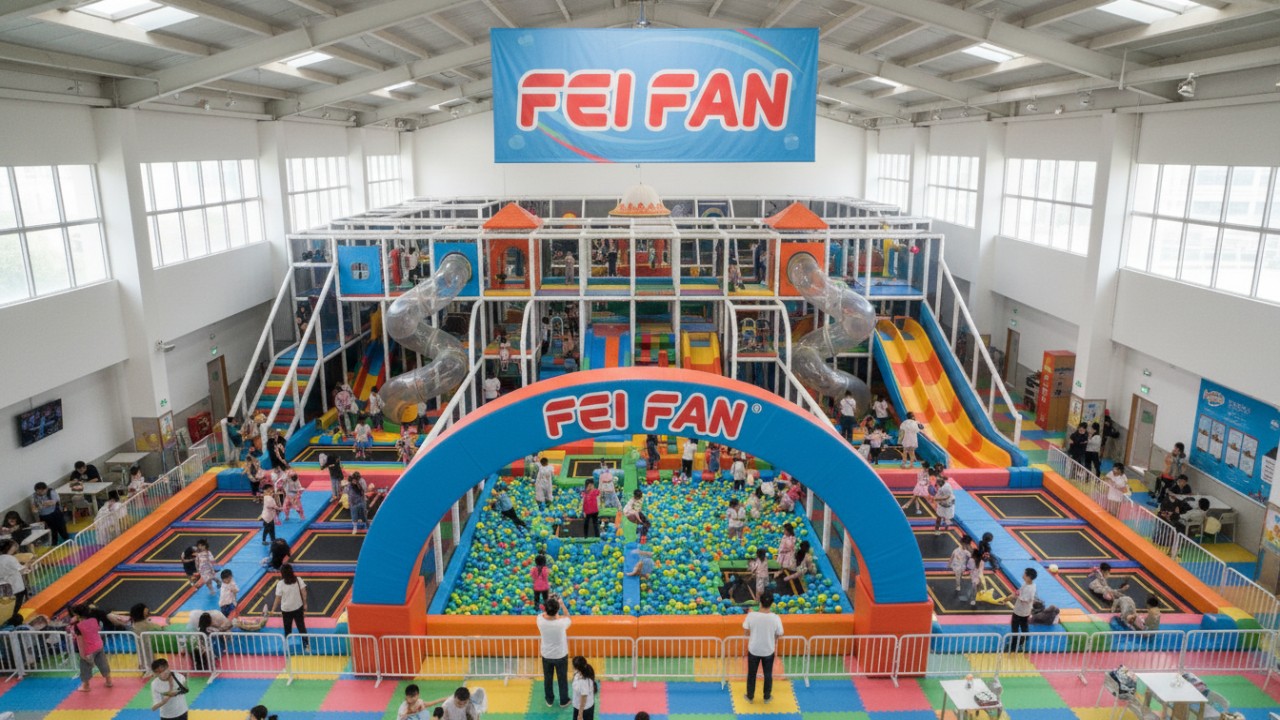
Investing in a soft play business offers resilient, scalable financial returns when approached with meticulous location selection, diversified revenue models, and premium equipment. Long-term success relies on executing a strategic plan tailored to your local demographic's evolving needs. Properly balancing your initial capital against projected secondary spend is the ultimate key to unlocking a swift ROI. By partnering with experienced manufacturers and staying ahead of 2026 industry trends, your family entertainment center can become a staple in your community.
Contact us today to start planning your Soft Play Business Investment strategy.
FAQs About Soft Play Business Investment
How much does it cost to start a soft play business?
Startup costs vary widely based on the size of the facility and geographic location. Investors should budget extensively for lease deposits, custom play equipment, facility build-outs, and insurance. Working directly with an end-to-end manufacturer can significantly reduce equipment and installation costs.
Are indoor playgrounds profitable?
Yes, indoor playgrounds are highly profitable when managed with diverse revenue streams. On-site cafes, branded merchandise, and exclusive birthday party bookings often drive the highest profit margins. The high initial capital investment is typically offset by strong long-term operational profitability.
How long does it take to see a return on investment (ROI) in soft play?
The average ROI period for a well-managed center is generally 18 to 36 months. Location footfall, community marketing, and secondary spend strategies heavily influence this timeline. Thorough initial market research and feasibility studies accelerate the path to profitability.
Do I need a franchise or should I start my own soft play center?
Franchises offer proven operational models and brand recognition but require hefty initial fees and ongoing royalties. Independent centers provide total creative control, bespoke branding, and 100% profit retention. Partnering with comprehensive suppliers like FEI FAN makes launching an independent center easier through one-stop solutions.
What are the biggest ongoing costs for an indoor play area?
Rent and commercial lease rates are typically the highest and most inflexible fixed costs. Staffing, particularly ensuring adequate supervision during peak weekend hours, requires careful financial budgeting. Public liability insurance, utility bills, and routine equipment maintenance are essential recurring expenses.
How much space is needed for a commercial indoor playground?
Small boutique play centers can operate successfully in 3,000 to 5,000 square feet. Medium to large family entertainment centers often require 10,000 to 20,000+ square feet to maximize attractions. Ceiling height is a crucial metric, with a minimum of 15 feet recommended to accommodate multi-level play structures.
What are the safety regulations for soft play equipment?
Equipment must strictly meet regional safety standards and certifications, such as ASTM in the US or EN1176 in Europe. Regular risk assessments, rigorous deep cleaning protocols, and daily visual inspections are mandatory for operators. Using a reputable manufacturer ensures all equipment arrives compliant with global safety and durability certifications.
How can I increase secondary revenue in my family entertainment center?
Offer premium, health-conscious food and beverage options in an intuitively designed on-site cafe. Design exclusive, easily accessible party rooms tailored for high-margin, all-inclusive birthday packages. Sell branded merchandise, grip socks, and host special ticketed seasonal events during off-peak hours.
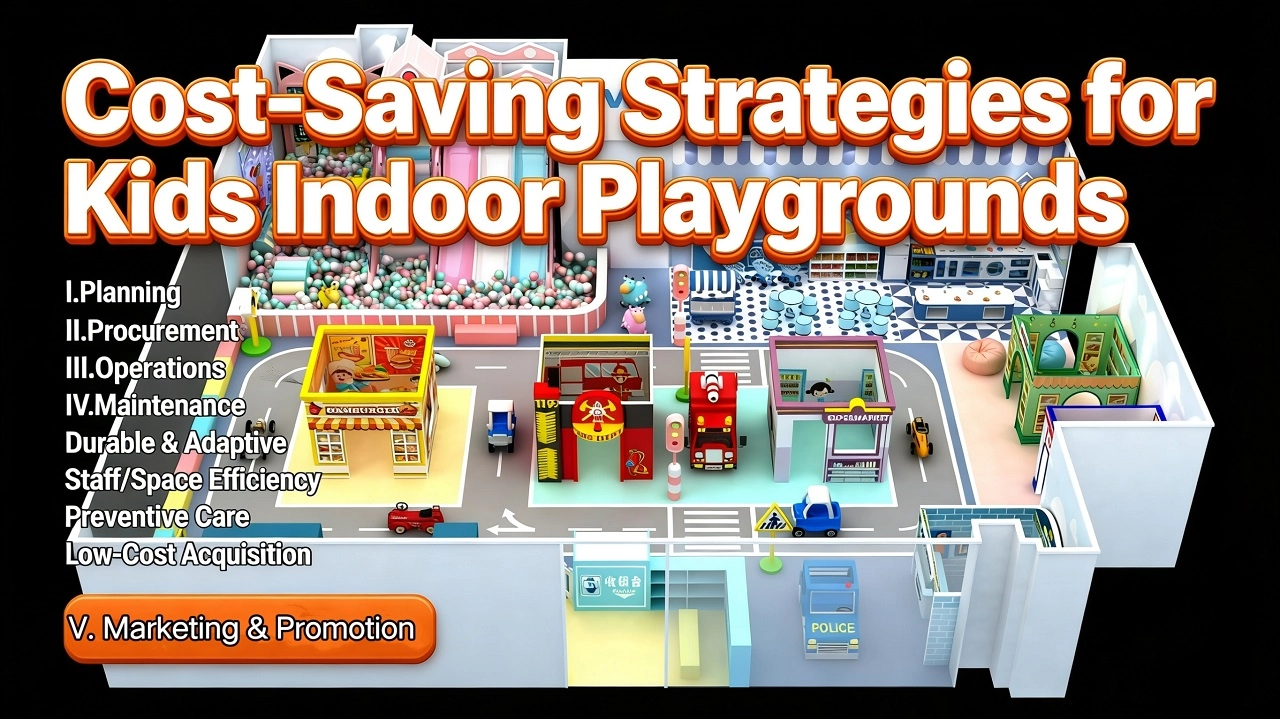
How to Reasonably Control Costs of Kids Indoor Playgrounds | Trusted Manufacture

Flourishing in Both the Middle East and Europe! What Makes Guangzhou Feifan Amusement a Leading Export Manufacturer of Indoor Playgrounds?
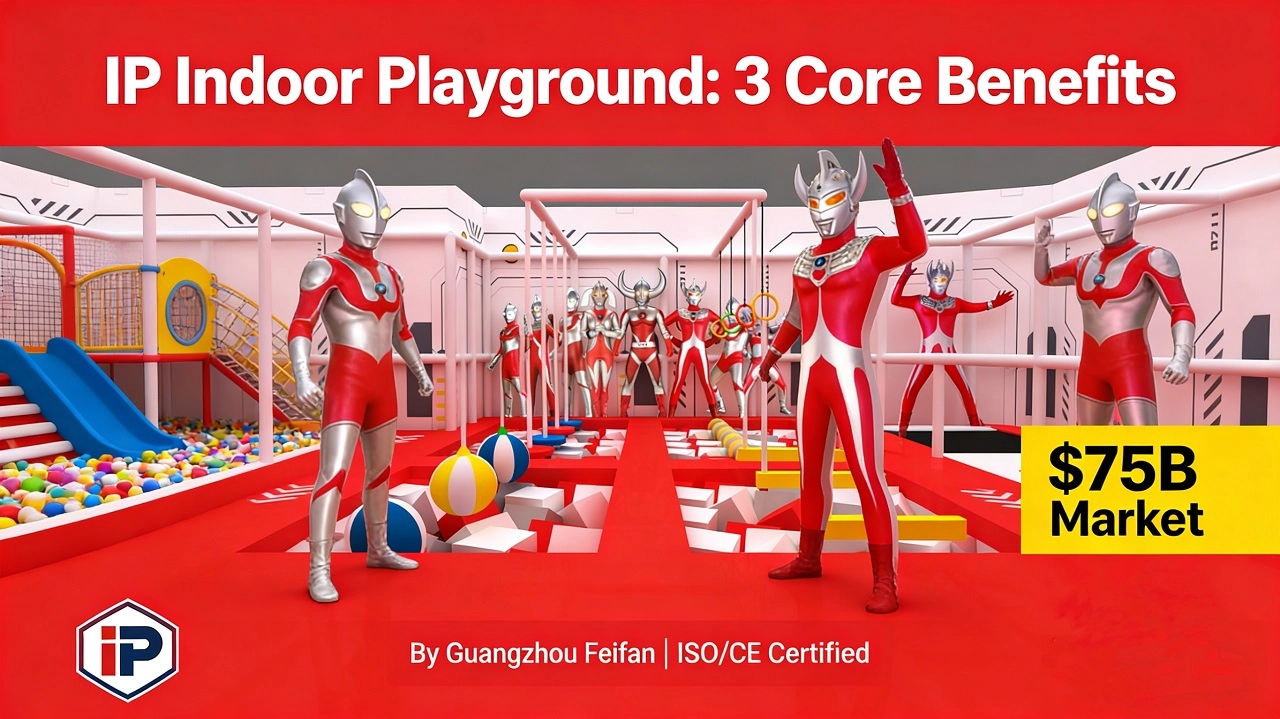
What Is an IP Indoor Playground & Its Core Benefits? | Insight by Feifan
From Concept to Operation: How to Achieve High Foot Traffic for Your Indoor Playground?
OEM & ODM
What are the customized services?
We can provide customized service ofclients demands ,include theme customization, function customization, LOGO ,IP, size etc.
Schools Educational Institutions
Do you provide maintenance after installation?
Yes, we offer long-term after-sales service, including maintenance, spare parts, and technical support.
Shopping MallsRetail Centers
How do your amusement areas benefit shopping malls?
They attract more families, increase dwell time, boost customer loyalty, and enhance overall mall revenue.
How much space is required to set up an indoor playground?
Our equipment is highly flexible and can be customized for both large atriums and compact spaces as small as 50–100 m².
How do you handle after-sales service?
We provide long-term maintenance, spare parts supply, and technical support to ensure continuous operation.


Send my request
Let’s Build Your Dream Indoor Playground Together
Thank you for your interest in our products and services!
We’re dedicated to providing you with the best possible support and solutions for your needs.
FEI FAN is a premier Indoor Playground Manufacturer specializing in Kids Soft Play Equipment. From design to installation, we provide one-stop solutions for indoor play centers, daycares, and commercial venues globally.
© 2025 Feifan Amusement Equipment. All Rights Reserved.
 Scan QR Code
Indoor Soft Playground
Whatsapp: +8619068970573
Scan QR Code