Startup Capital & Expenses: How Much Does it Cost to Start Soft Play in 2026?
What Are the Startup Capital and Expenses for a Soft Play Business?
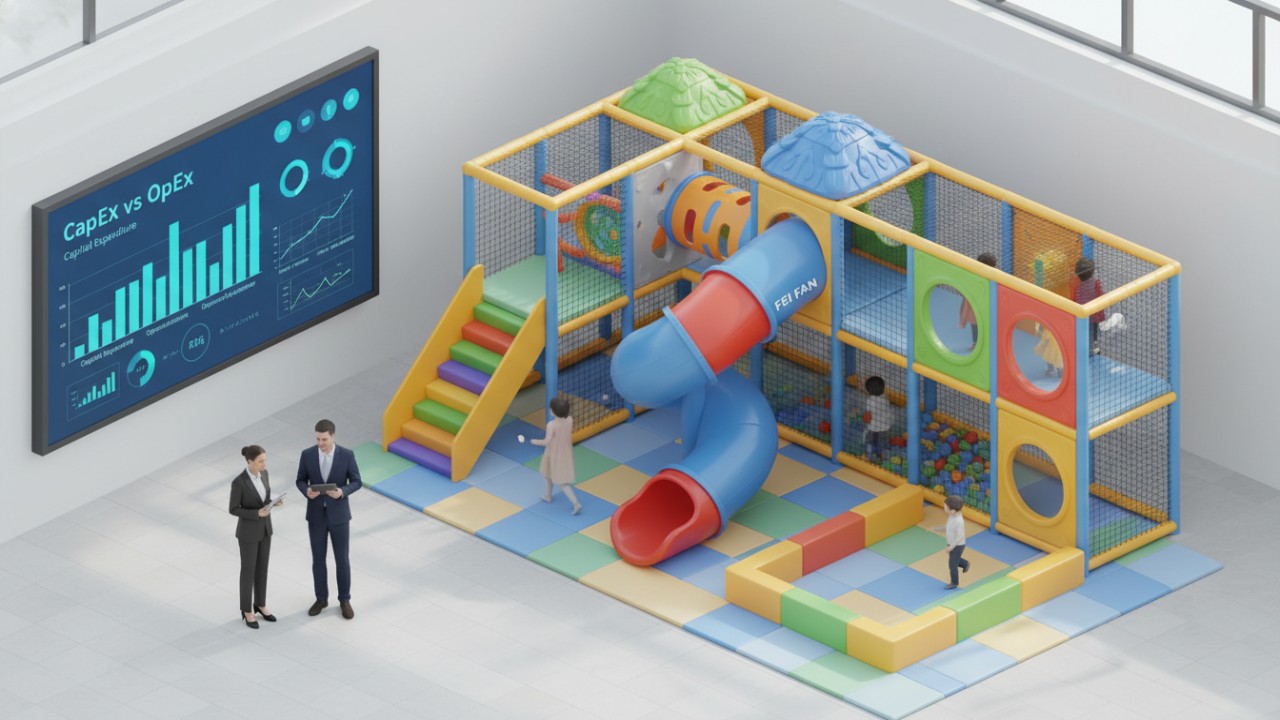
Startup Capital & Expenses for a soft play business encompass the initial, one-time funds required to launch the facility, alongside the ongoing monthly operational costs necessary to keep the amusement center running profitably.
Understanding how and why to separate these two financial categories is the bedrock of any successful enterprise. Your initial startup capital goes toward purchasing long-term assets—such as your core commercial indoor playground equipment—and funding facility build-outs. Conversely, expenses represent the cash burned daily or monthly to sustain operations. Accurately defining both categories is essential for securing business loans, managing cash flow effectively, and achieving a faster break-even point.
Here is how these financial requirements break down in the amusement industry:
- Startup Capital (CapEx): The one-time, upfront funds dedicated to acquiring physical assets, such as indoor play structures, trampoline parks, and legal incorporation fees.
- Operating Expenses (OpEx): The recurring monthly costs required to operate the business, including commercial rent, liability insurance, payroll, and digital marketing.
- Working Capital: The crucial cash reserves set aside to cover early operating losses before the business reaches profitability.
Key Takeaways: Soft Play Financials at a Glance
The most critical financial takeaway for operators is that capital expenditures (CapEx) and operating expenses (OpEx) must be strictly separated in your soft play business plan to attract investors and accurately forecast ROI.
Why is this important? Lenders and investors need to see exactly where their money is going. Funding a tangible asset like a multi-level play structure carries a different risk profile than funding six months of payroll. By structuring your finances clearly, you demonstrate industry competence and drastically improve your chances of securing the necessary capital.
Keep the following key points in mind as you build your budget:
- Strict Financial Separation: CapEx and OpEx must be distinct in your business plan to meet standard accounting practices and secure funding.
- Major Budget Allocations: Equipment purchases and facility lease deposits typically consume 60% to 70% of your initial startup capital.
- Direct Manufacturing Benefits: Working directly with a reputable manufacturer rather than third-party distributors can cut equipment costs significantly, boosting your commercial soft play ROI.
- Contingency Planning: Having a contingency buffer of 15% to 20% of your total capital is highly recommended to cover unexpected facility build-out delays.
Breaking Down Capital Expenditures (CapEx) for Soft Play
Capital expenditures (CapEx) for an indoor playground represent the major, long-term financial investments made to acquire, upgrade, and install physical assets like amusement equipment and facility infrastructure.
How do these expenditures differ from regular expenses? As reported by Wikipedia, capital expenditures are funds used by an organization to acquire or upgrade fixed assets, providing a multi-year return on investment. In the soft play industry, these assets are the core attractions that draw paying customers to your facility. Because they have a long useful life, they are amortized or depreciated on your tax returns over several years.
Here are the primary components of your amusement equipment CapEx and related investments:
- Commercial Playground Equipment: This is typically the largest single investment. Costs vary based on square footage, theme complexity, and the inclusion of premium features like ninja courses or interactive digital play areas.
- Facility Build-Out and Renovations: This includes necessary construction such as custom flooring, HVAC system upgrades, ambient lighting, and ensuring the building meets strict ADA compliance and safety standards.
- Point of Sale (POS) and Tech Infrastructure: Essential hardware and software, including ticketing systems, automated entry gates, digital waiver stations, and high-definition security cameras.
- Initial Professional Fees: One-time payments for architectural drawings, structural engineering, safety certifications, business incorporation costs, and municipal zoning permits.
Operating Expenses (OpEx): Recurring Costs to Keep the Fun Going
Operating expenses (OpEx) are the recurring monthly costs required to sustain the day-to-day operations of your amusement center, encompassing commercial lease payments, liability insurance, payroll, and marketing.
Why do these matter just as much as your initial setup costs? While your play structures attract guests, your operational budget ensures those guests have a safe, clean, and enjoyable experience. If your ongoing expenses exceed your monthly revenue, even the most beautifully designed park will fail. Properly estimating these recurring costs allows operators to set accurate ticket prices and capacity targets.
Your monthly OpEx budget should account for the following:
- Commercial Lease and Utilities: Monthly rent for large industrial or retail spaces can be substantial, compounded by high electricity costs required for bright lighting and robust climate control.
- Liability Insurance: Specialized amusement insurance is non-negotiable. It requires a monthly premium calculated based on your facility's size, capacity, and specific attractions.
- Payroll and Staffing: Consistent wages for general managers, front desk attendants, floor safety monitors, and dedicated daily cleaning crews.
- Marketing and Maintenance: Ongoing digital advertising budgets, social media campaigns, and costs associated with routine equipment deep-cleaning and wear-and-tear parts replacement.
Hidden Costs and Common Mistakes in Soft Play Budgeting
The most common hidden costs in soft play budgeting involve underestimating initial working capital, ignoring overseas shipping logistics, and overlooking significant tax deductions available for new businesses.
How do these oversights happen? Many first-time entrepreneurs focus entirely on the indoor playground setup costs and fail to account for the friction of doing business. For example, it often takes several months for a new center to build a loyal customer base, meaning you will operate at a loss initially. Furthermore, complex tax codes can either save or cost you thousands depending on how well you prepare.
Avoid these major financial pitfalls during your planning phase:
- Underestimating Working Capital: Many founders fail to secure enough liquid capital to cover operating losses during the first 3 to 6 months before reaching their break-even point.
- Ignoring Shipping and Import Duties: When purchasing equipment globally, failing to calculate ocean freight, customs duties, and local installation labor can severely blow up the budget.
- Overlooking IRS Section 195: As reported by the Internal Revenue Service, IRS Section 195 allows new business owners to immediately deduct up to $5,000 in investigatory and startup costs, while amortizing the remainder over 180 months, providing valuable tax relief.
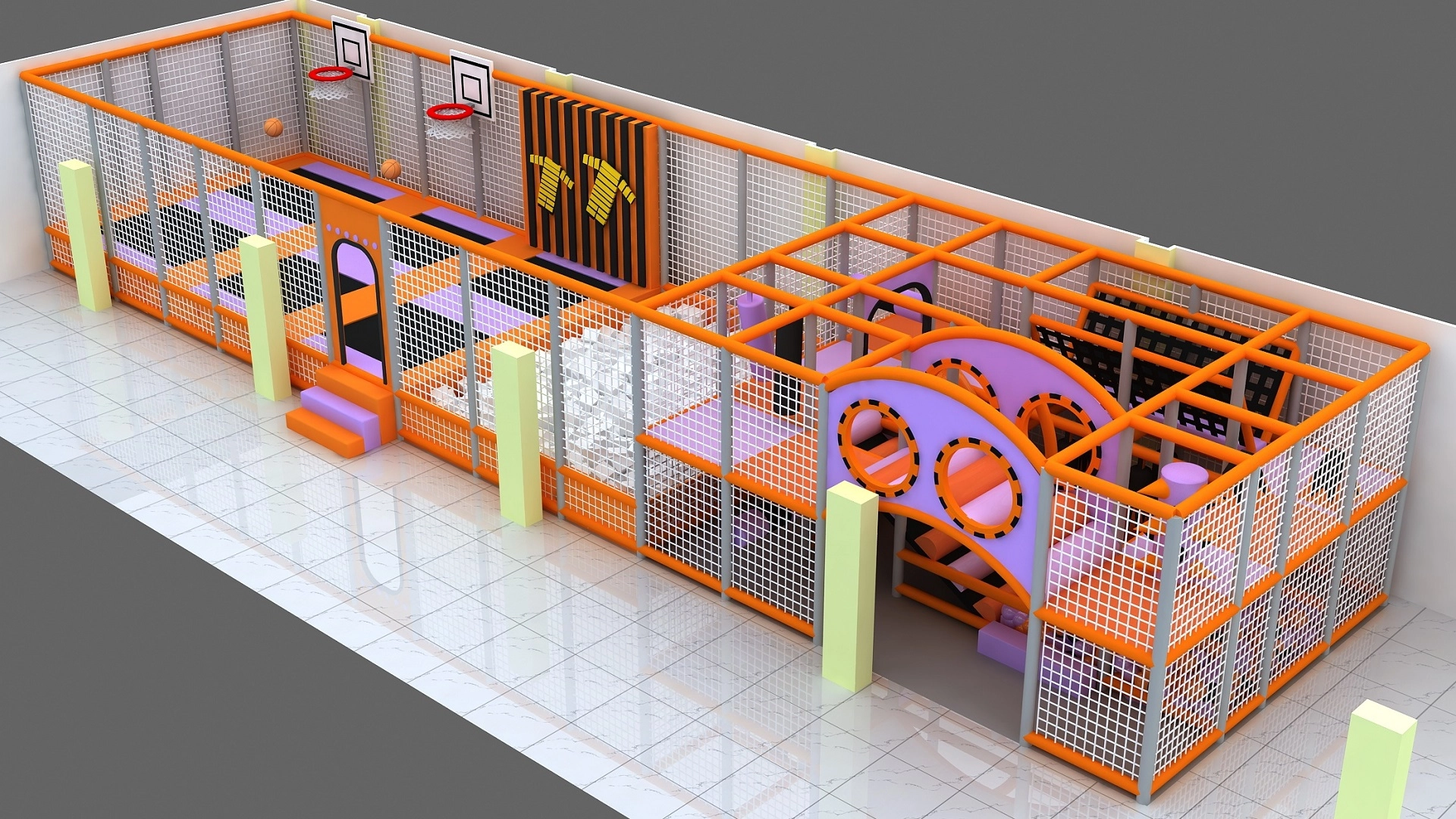
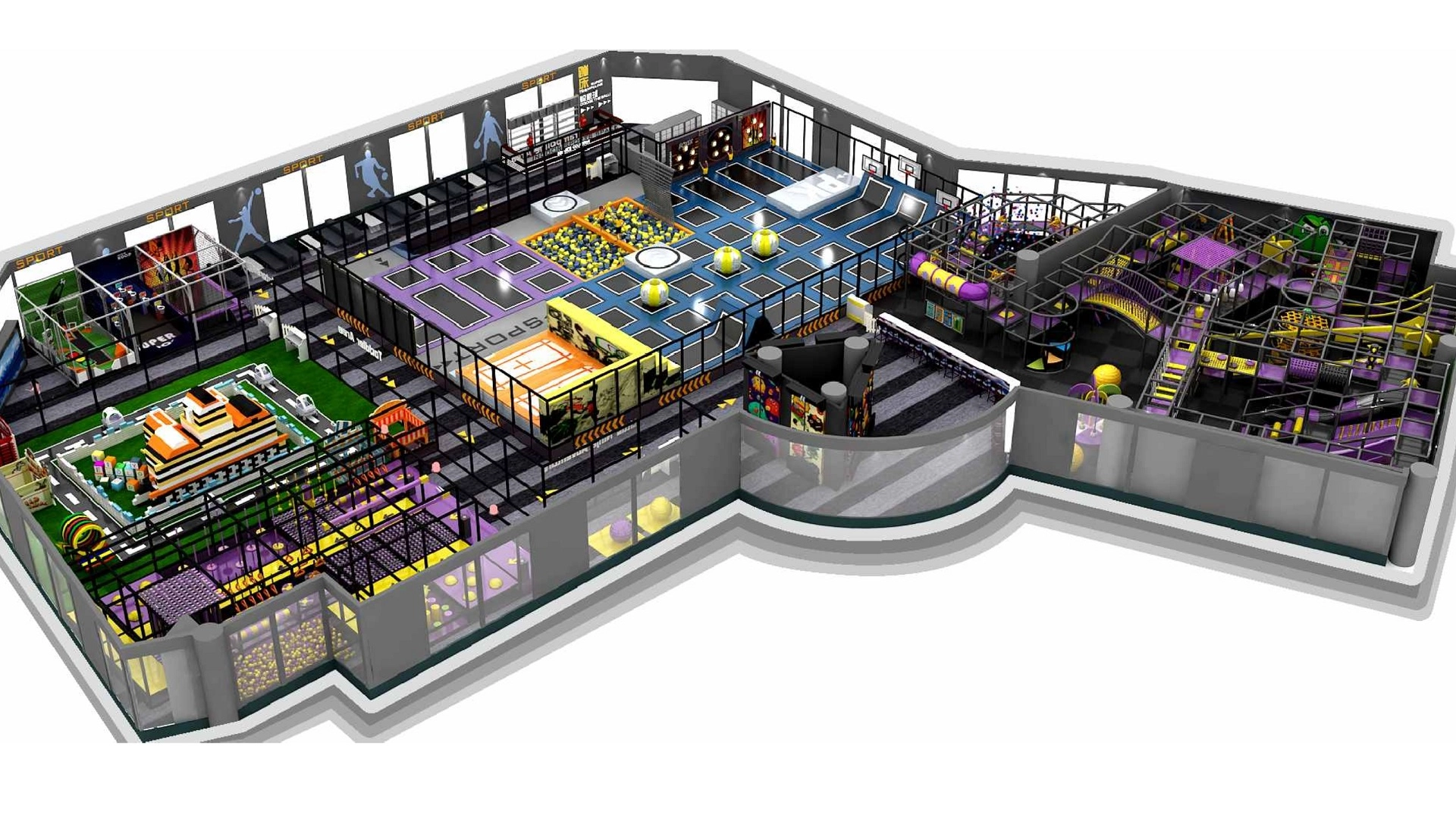
- Expert Tip: Always request a 3D layout design and a fully itemized freight quote during your initial budgeting phase to avoid hidden logistical surprises.
Financial Strategy Breakdown Table
To visually understand how your budget should be allocated, refer to this financial breakdown:
| Financial Category | Definition & Scope | Common Examples in Soft Play | Estimated Budget Allocation |
|---|---|---|---|
| Capital Expenditures (CapEx) | One-time investments in long-term physical assets used to generate revenue. | Soft play equipment, trampoline parks, facility renovations, POS systems. | 60% - 70% |
| Operating Expenses (OpEx) | Recurring monthly costs required to sustain day-to-day business operations. | Facility lease, utilities, employee payroll, liability insurance premiums. | 15% - 25% |
| Working Capital Buffer | Liquid cash reserves held to cover operational losses during early months. | Emergency funds, pre-launch payroll, first 6 months of rent payments. | 10% - 15% |
Industry Leading Solution: Optimizing Capital with FEI FAN
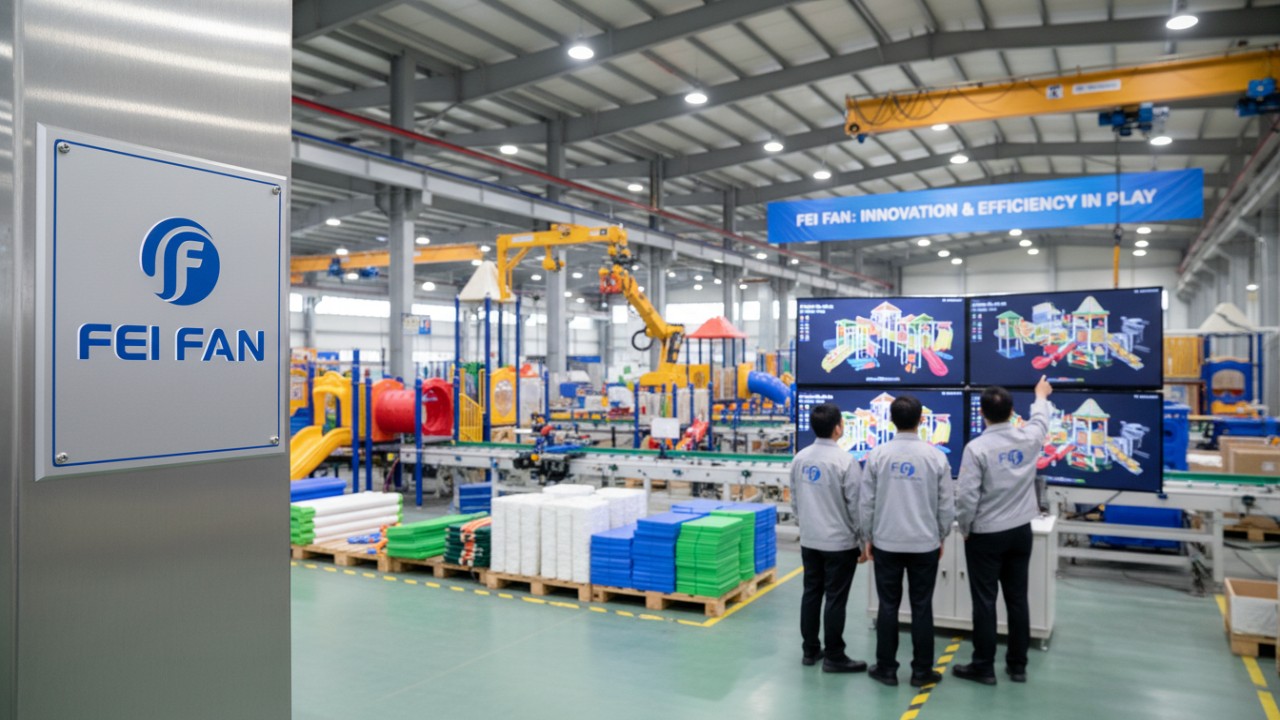
Partnering with Guangzhou Feifan Amusement Equipment Co., Ltd. (FEI FAN) helps entrepreneurs drastically optimize their startup capital by providing premium, direct-from-manufacturer pricing on customized Indoor Theme Park equipment.
Why choose a direct manufacturer? Purchasing through local third-party distributors often introduces massive markups that artificially inflate your initial investment. Established in 2017, FEI FAN operates a modern 6400m² factory and a 5800m² office building, integrating design, research and development, production, and sales into one highly efficient pipeline. This infrastructure ensures you receive world-class quality without the middleman tax.
Optimizing your capital with FEI FAN provides several distinct advantages:
- Factory-Direct Pricing: By eliminating third-party markups, you can allocate more capital toward marketing or expanding your facility's footprint.
- High-End Global Reputation: As a global leader in children's play equipment, FEI FAN delivers safe, durable, and imaginative spaces that meet stringent international standards.
- One-Stop Indoor Playground Solutions: We offer fully customized services, integrating soft play, trampolines, and interactive elements tailored perfectly to your demographic.
- Professional 3D Design: Our comprehensive layout services ensure your commercial space is maximized for safety, capacity, and long-term profitability.
Funding Your Indoor Playground: Options and Strategies
Funding a commercial soft play center typically involves leveraging SBA loans, specialized equipment financing, angel investors, or personal bootstrapping to cover the substantial upfront facility costs.
How do you secure this capital? Traditional banks often view amusement centers as high-risk unless presented with a rock-solid business plan. Government-backed loans mitigate this risk for the lender. As reported by the U.S. Small Business Administration, SBA 7(a) and 504 loan programs are specifically designed to help small businesses acquire real estate and large equipment with lower down payments and extended terms.
Explore these proven funding avenues for your venture:
- SBA Loans: Popular in the US for offering low interest rates, though they require a comprehensive business plan that clearly separates CapEx and OpEx.
- Equipment Financing: Specific loan products tailored to using the amusement equipment itself as collateral, reducing the need for massive upfront cash.
- Bootstrapping vs. Angel Investors: Weigh the pros of maintaining full equity (bootstrapping) against the distinct benefit of having a seasoned investor guide your expansion.
- Pitching with Layouts: Presenting high-quality 3D renders from FEI FAN dramatically increases your chances of securing bank funding.
For an in-depth look at structuring your pitch to banks and private investors, read The Complete Soft Play Business Investment Guide.
2026 Pricing Trends for High-End Indoor Theme Parks
In 2026, pricing trends for commercial indoor theme parks reveal a major shift toward hybrid entertainment models, requiring higher initial trampoline park funding but delivering significantly greater long-term returns.
Why are costs shifting in this direction? Modern consumers demand multi-generational, interactive experiences rather than traditional, static play structures. While incorporating digital gamification and eco-friendly materials increases your upfront manufacturing costs, it also allows you to command higher admission prices and host lucrative corporate events.
Keep these 2026 industry trends in mind when finalizing your budget:
- The Shift Towards Hybrid Parks: Integrating traditional soft play, trampolines, and interactive digital elements is increasing initial CapEx but driving much higher recurring revenue.
- Eco-Friendly and Sustainable Materials: Investment in premium, non-toxic materials is becoming the global standard, marginally increasing upfront costs while drastically reducing long-term maintenance.
- Smart Park Automation: Utilizing RFID wristbands, digital waivers, and automated entry systems requires more upfront tech investment but significantly reduces long-term staffing OpEx.
Conclusion
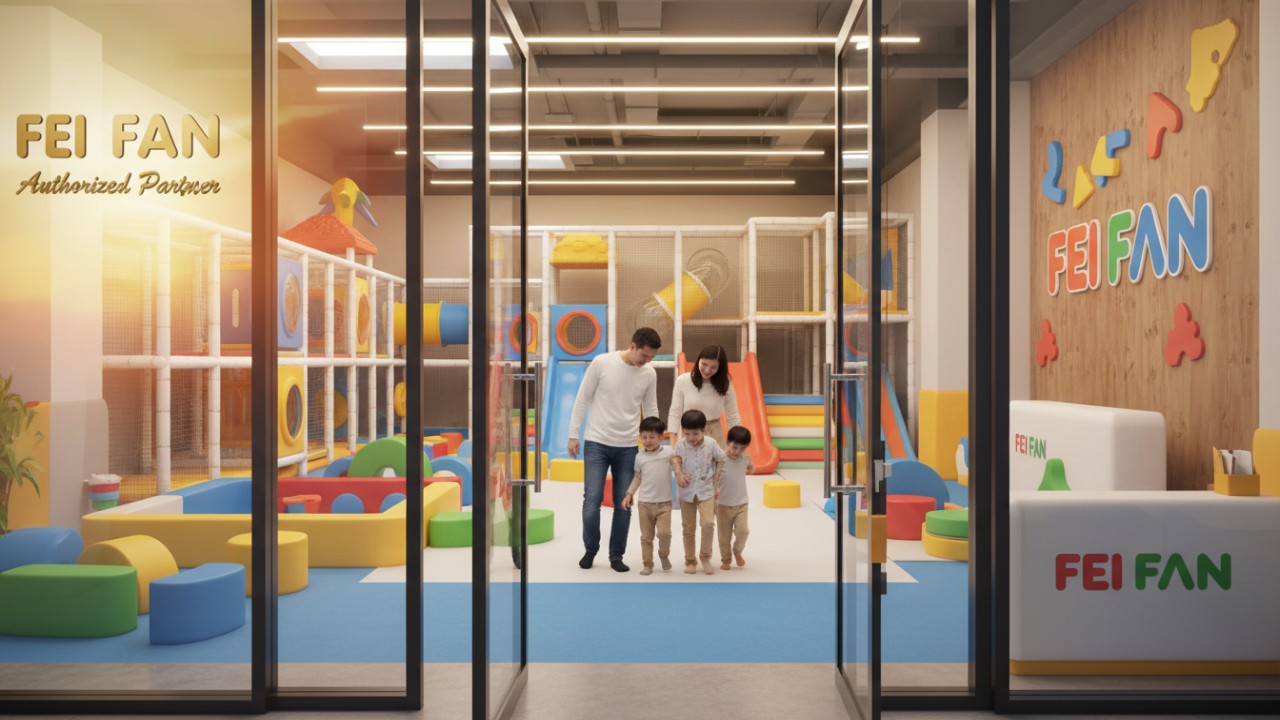
Starting a highly profitable soft play business requires a meticulous breakdown of startup capital versus ongoing operational expenses. By clearly identifying your CapEx (like equipment and build-outs) and OpEx (like rent and insurance), you can formulate a realistic budget, secure necessary funding, and achieve profitability faster. Working directly with an integrated manufacturer ensures you get the best value, safety, and design for your investment. Contact us today at mia@kidssoftplay.com to optimize your Startup Capital & Expenses strategy and bring your indoor playground vision to life.
FAQs About Startup Capital & Expenses
How much total capital do I need to start a soft play center?
The total capital depends heavily on the square footage and equipment quality, typically ranging from $100,000 for a small local center to over $1,000,000 for a large-scale commercial indoor theme park. This includes both CapEx and initial working capital.
Are soft play equipment purchases considered CapEx or OpEx?
Soft play equipment is considered a Capital Expenditure (CapEx) because it is a long-term asset that will be used by the business for several years. It is typically depreciated over its useful life on your tax returns.
Can I deduct indoor playground startup costs on my taxes?
Yes, under IRS Section 195 (in the US), you can generally deduct up to $5,000 in startup costs in your first year, while the remainder is amortized over 180 months. Always consult a local CPA for accurate tax strategies.
What is the most expensive part of opening a soft play business?
The two largest expenses are usually the initial purchase of the indoor playground equipment and the commercial facility lease (including deposits, first/last month's rent, and necessary build-out renovations).
How long does it take for a soft play center to break even?
On average, a well-marketed soft play center can reach operational break-even within 6 to 18 months. Having sufficient working capital to cover the initial months of OpEx is vital to surviving this period.
How does FEI FAN help reduce initial startup expenses?
Guangzhou Feifan Amusement Equipment Co., Ltd. reduces costs by offering factory-direct pricing, eliminating middleman markups. Additionally, they provide comprehensive layout designs that optimize your square footage for maximum capacity and safety.
How much is liability insurance for an indoor playground?
Liability insurance for an indoor playground varies by location, size, and attractions (e.g., trampolines increase premiums), but operators should budget anywhere from $1,000 to $3,000+ per month for comprehensive coverage.
What is the average lifespan of commercial soft play equipment?
High-quality commercial soft play equipment, like that manufactured by FEI FAN, can last 8 to 15 years with proper daily maintenance, cleaning, and occasional replacement of high-wear parts like foam padding and netting.
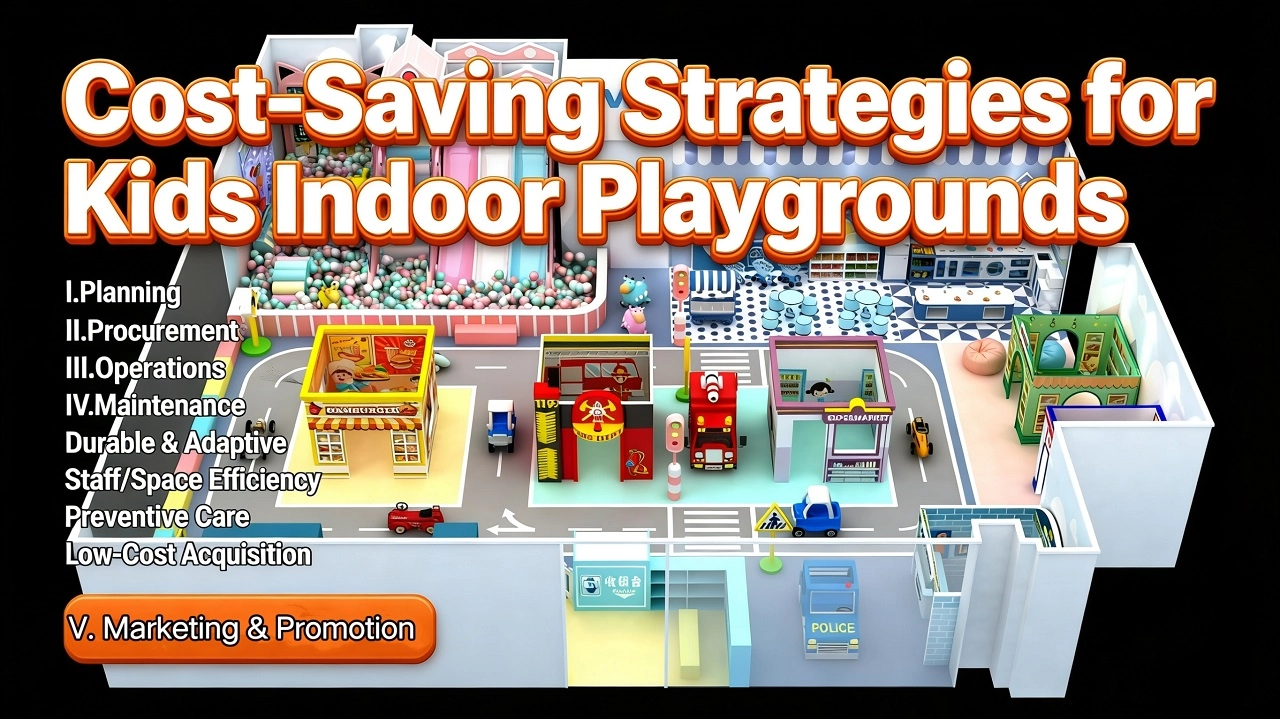
How to Reasonably Control Costs of Kids Indoor Playgrounds | Trusted Manufacture

Flourishing in Both the Middle East and Europe! What Makes Guangzhou Feifan Amusement a Leading Export Manufacturer of Indoor Playgrounds?
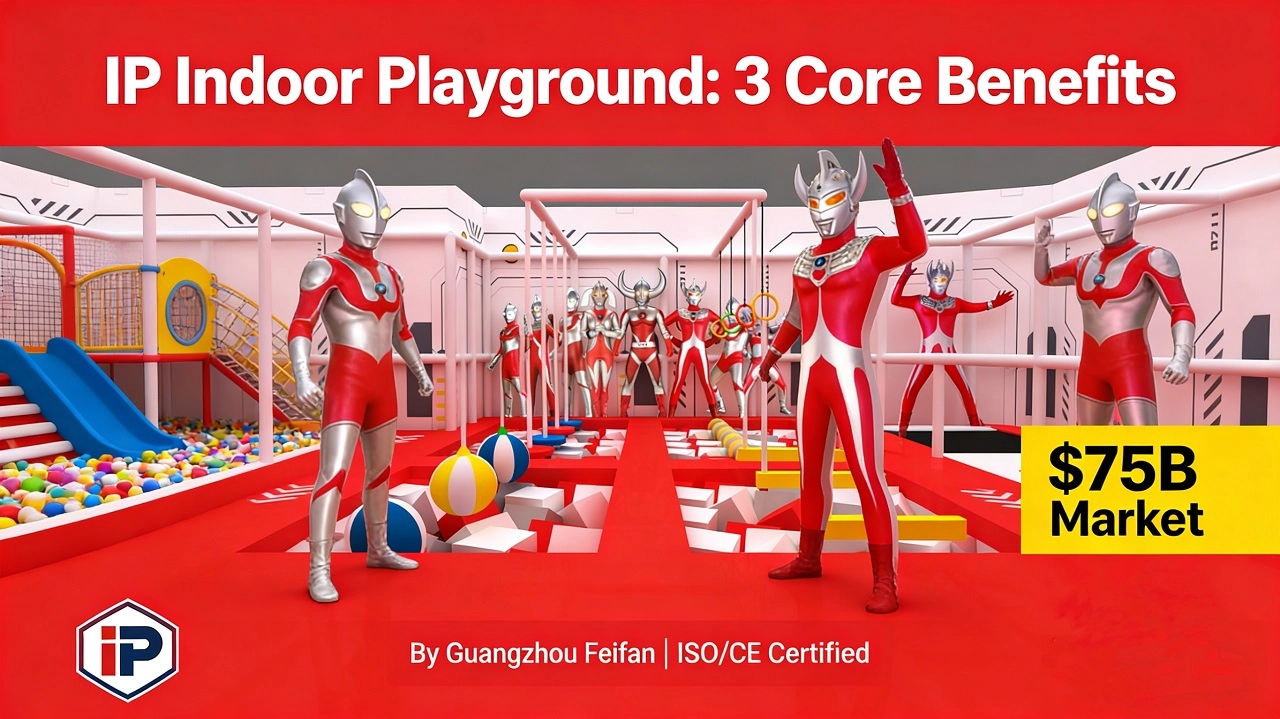
What Is an IP Indoor Playground & Its Core Benefits? | Insight by Feifan
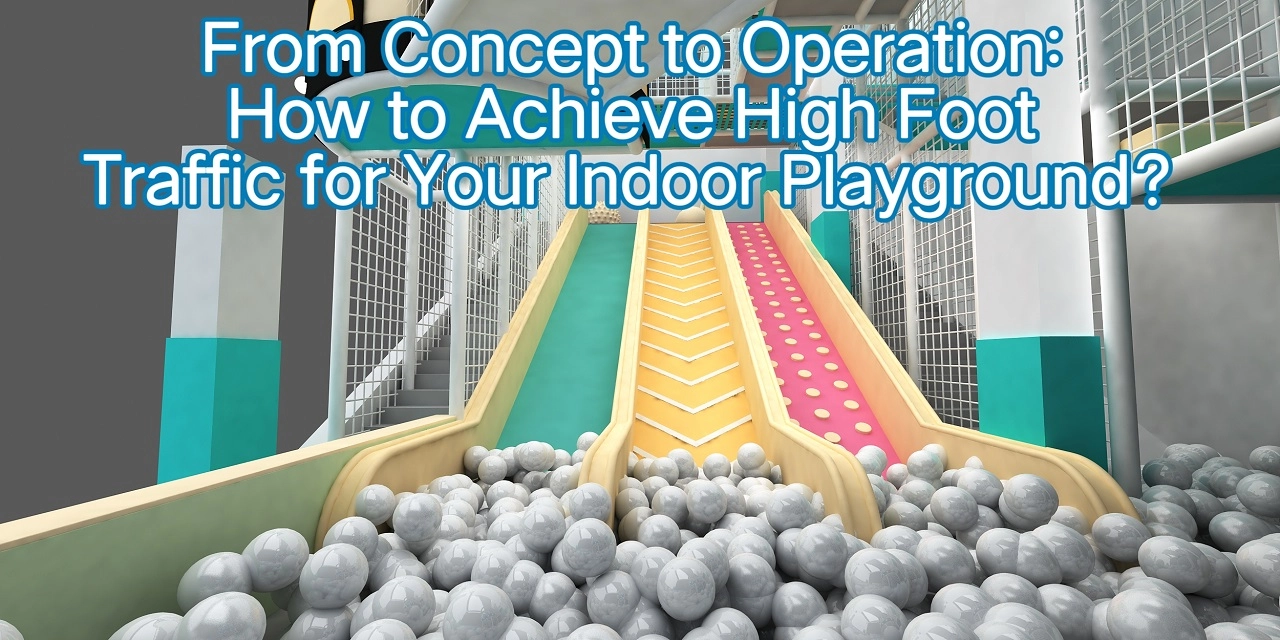
From Concept to Operation: How to Achieve High Foot Traffic for Your Indoor Playground?
OEM & ODM
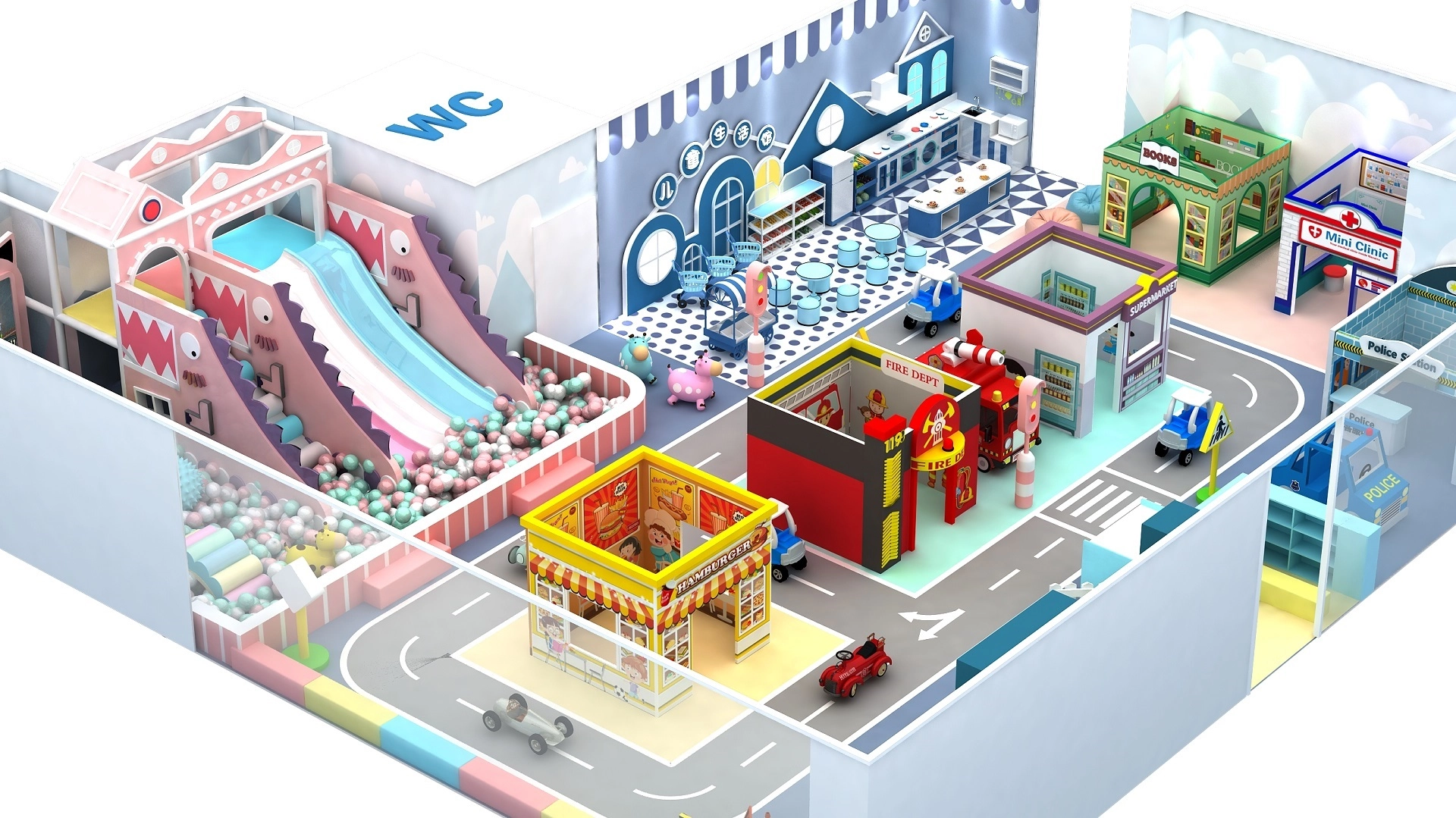
Do you offer 3D renderings before production?
Yes, every custom project includes full 3D visualization before final approval.
Shopping MallsRetail Centers
What safety standards do your products meet?
All our equipment complies with international safety certifications (EN, ASTM, CE, etc.) and uses eco-friendly, non-toxic materials.
Theme park
Do you have your own factory?
Yes, We have our own indoor children's playground production factory.Technical exchanges more convenient and faster.we can produce new product for you.
For Customization
What are the customized services?
We can provide customized service of clients demands ,include theme customization, function customization, LOGO ,IP etc.
Schools Educational Institutions
Can you provide educational-themed playgrounds?
Yes, we create learning-based play concepts, such as alphabet walls, math games, and science-themed playgrounds.


Send my request
Let’s Build Your Dream Indoor Playground Together
Thank you for your interest in our products and services!
We’re dedicated to providing you with the best possible support and solutions for your needs.
FEI FAN is a premier Indoor Playground Manufacturer specializing in Kids Soft Play Equipment. From design to installation, we provide one-stop solutions for indoor play centers, daycares, and commercial venues globally.
© 2025 Feifan Amusement Equipment. All Rights Reserved.
 Scan QR Code
Indoor Soft Playground
Whatsapp: +8619068970573
Scan QR Code