
How to create sensory play areas in indoor playgrounds?
Designing a custom indoor playground involves meticulous planning to ensure safety, engagement, and budget efficiency. Below are key considerations to guide you through the process:
Ensuring the safety of children is paramount when designing a custom indoor playground. Key safety standards include:
Impact-Absorbing Surfaces: Utilize materials like foam padding or rubber flooring to cushion falls and reduce injury risks.
Rounded Edges and Corners: Design equipment with smooth, rounded edges to prevent cuts and bruises.
Non-Toxic Materials: Select paints and finishes that are free from harmful chemicals to protect children's health.
((https://www.kidssoftplay.com/custom-indoor-playground-purchasing-guide.html))
Determining the size and layout involves:
Space Evaluation: Assess the available area to ensure it accommodates the desired play equipment and allows for safe movement.
Age Group Consideration: Design separate zones for different age groups to ensure age-appropriate play and safety.
Flow Planning: Create a layout that facilitates smooth movement and supervision, minimizing congestion.
Selecting age-appropriate equipment is crucial:
Toddlers (1-3 years): Soft play areas, small slides, and gentle swings that promote sensory exploration and motor skill development.
Preschoolers (3-6 years): Climbing structures, ball pits, and interactive games that challenge physical abilities and encourage social interaction.
Older Children (6-12 years): Obstacle courses, trampolines, and zip lines that offer adventurous play and problem-solving opportunities.
To create sensory play areas:
Incorporate Diverse Textures: Use materials like soft fabrics, textured walls, and varied flooring to stimulate tactile senses.
Utilize Interactive Elements: Include water play features, musical instruments, and light displays to engage multiple senses.
Design Quiet Zones: Provide areas with subdued lighting and calming colors for children who may become overwhelmed.
Budgeting considerations include:
Initial Costs: Account for expenses such as purchasing or leasing space, buying equipment, and construction.
Recurring Expenses: Plan for maintenance, cleaning, utilities, and staffing.
Financing Options: Explore business loans, investors, or grants to support the project.
To ensure durability and safety:
Material Selection: Choose equipment made from durable materials that can withstand regular use.
Safety Features: Incorporate robust handrails, rounded edges, and non-slip surfaces.
Regular Maintenance: Establish a routine inspection schedule to identify and address potential hazards promptly.
Incorporating themed play areas:
Stimulates Imagination: Encourages creative play and exploration.
Enhances Engagement: Provides immersive experiences that attract children.
Facilitates Learning: Integrates educational elements within the play environment.
To ensure accessibility and inclusivity:
ADA Compliance: Follow the Americans with Disabilities Act guidelines to accommodate children with disabilities.
Inclusive Design: Incorporate ramps, wide doorways, and accessible restrooms.
Community Involvement: Engage families, educators, and individuals with disabilities in the design process.
In conclusion, designing a custom indoor playground requires careful planning and attention to detail. By focusing on safety, age-appropriate design, sensory engagement, and inclusivity, you can create a space that offers children a fun and secure environment to play and learn.
FEI FAN specializes in crafting custom indoor playgrounds that prioritize safety, innovation, and inclusivity. With a commitment to quality and customer satisfaction, FEI FAN ensures that each playground is tailored to meet the unique needs of your space and audience.
((https://www.kidssoftplay.com/custom-indoor-playground-purchasing-guide.html))
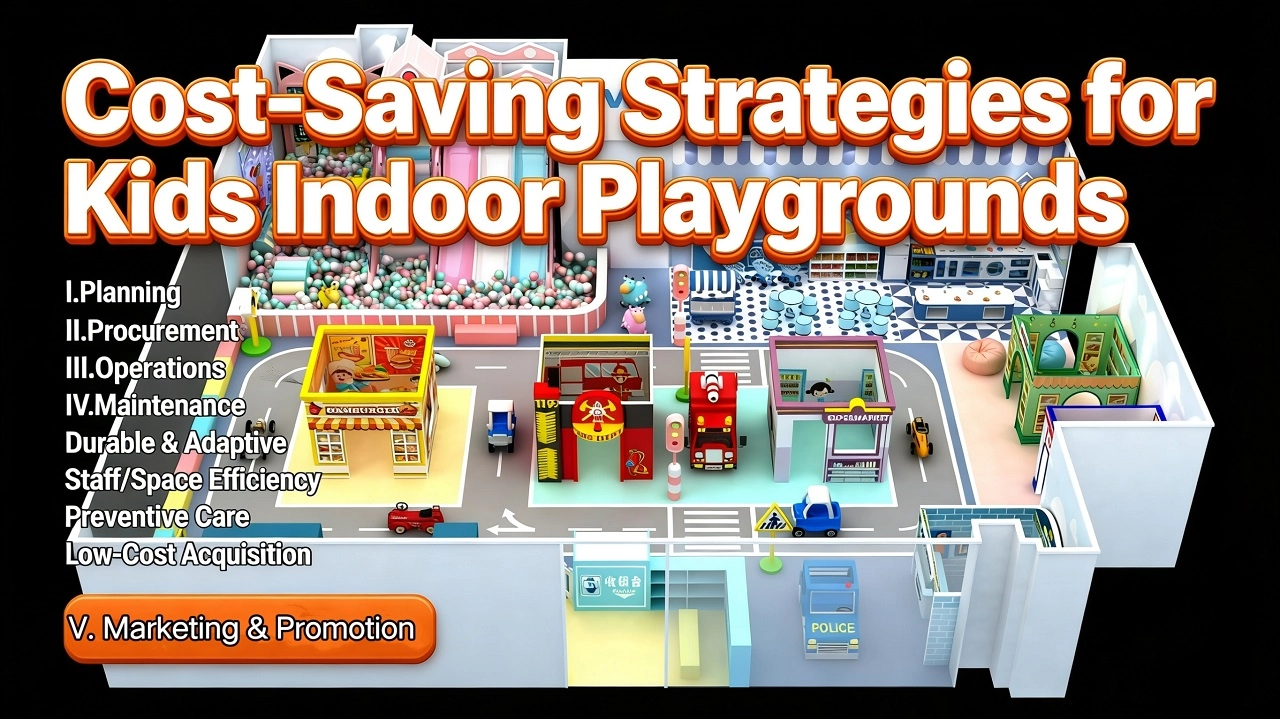
How to Reasonably Control Costs of Kids Indoor Playgrounds | Trusted Manufacture

Flourishing in Both the Middle East and Europe! What Makes Guangzhou Feifan Amusement a Leading Export Manufacturer of Indoor Playgrounds?
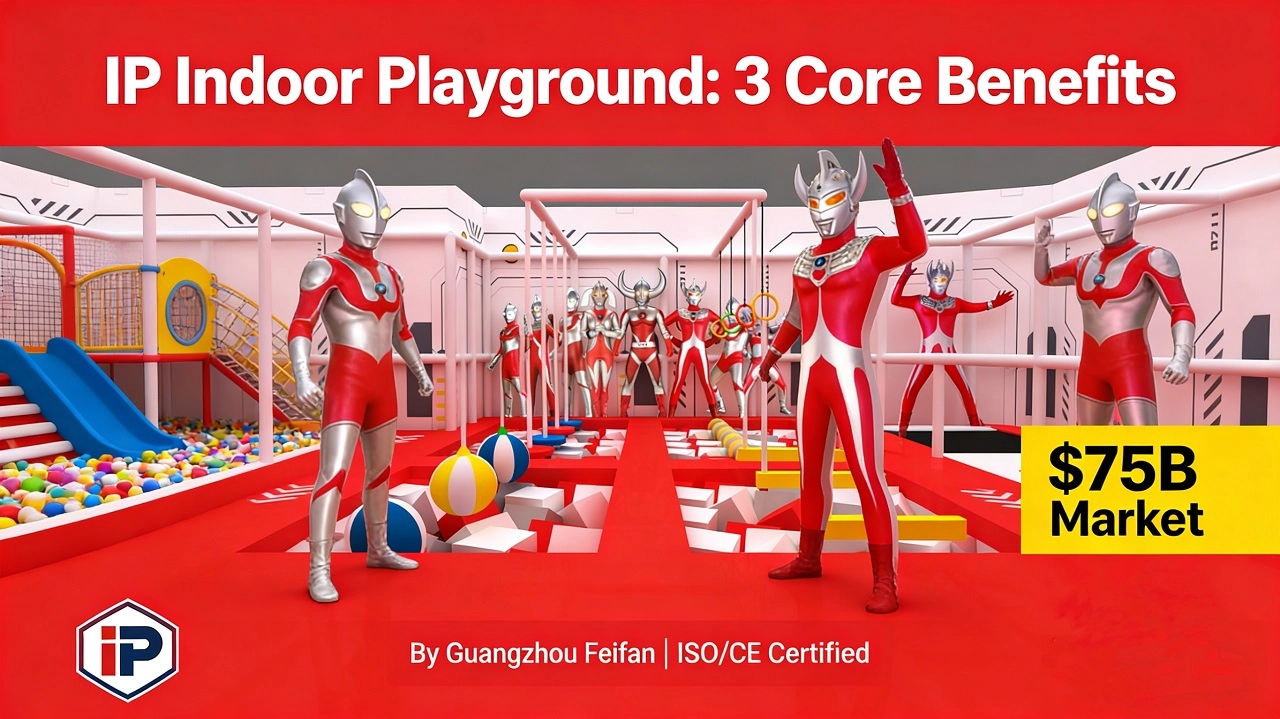
What Is an IP Indoor Playground & Its Core Benefits? | Insight by Feifan
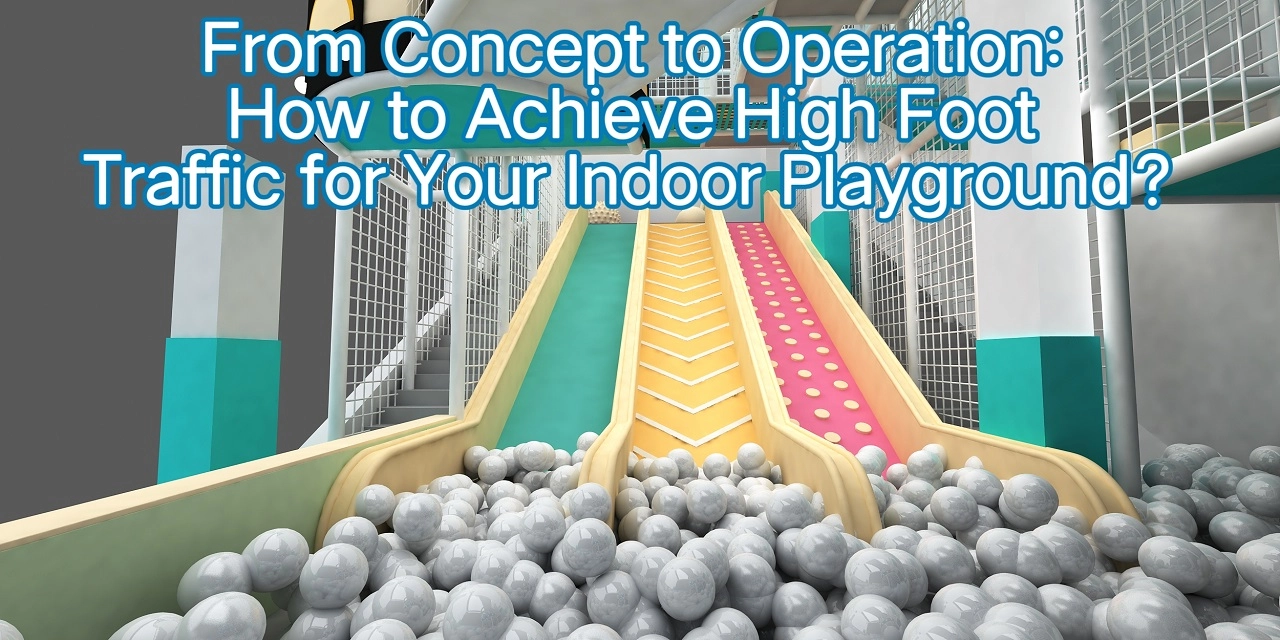
From Concept to Operation: How to Achieve High Foot Traffic for Your Indoor Playground?
Indoor Playgrounds Trampoline Parks
Do you provide international installation and after-sales support?
Yes, we offer on-site installation guidance, professional teams in many regions, and long-term after-sales services worldwide.
What is the minimum space required for an indoor playground or trampoline park?
Indoor playgrounds can start from 50–100 m², while trampoline parks generally require at least 300 m² for a functional layout.
OEM & ODM
What certifications do your custom products have?
Our products meet international standards such as ISO, CE, GS, and more.
Do I need to meet a minimum order quantity for customization?
Not necessarily—we support flexible MOQs based on project size.
Schools Educational Institutions
Can you provide educational-themed playgrounds?
Yes, we create learning-based play concepts, such as alphabet walls, math games, and science-themed playgrounds.


Send my request
Let’s Build Your Dream Indoor Playground Together
Thank you for your interest in our products and services!
We’re dedicated to providing you with the best possible support and solutions for your needs.
FEI FAN is a premier Indoor Playground Manufacturer specializing in Kids Soft Play Equipment. From design to installation, we provide one-stop solutions for indoor play centers, daycares, and commercial venues globally.
© 2025 Feifan Amusement Equipment. All Rights Reserved.
 Scan QR Code
Indoor Soft Playground
Whatsapp: +8619068970573
Scan QR Code