What are the custom design options for Kiddos Indoor Playground?
Comprehensive Guide to Custom Indoor Playground Design
Designing a custom indoor playground involves meticulous planning to create a safe, engaging, and functional environment for children. Below are key considerations to guide you through the process:
1. What are the essential safety standards for custom indoor playgrounds?
Ensuring the safety of children is paramount when designing a custom indoor playground. Key safety standards include:
Impact-Absorbing Surfaces: Utilize materials like foam padding or rubber flooring to cushion falls and reduce injury risks.
Rounded Edges and Corners: Design equipment with smooth, rounded edges to prevent cuts and bruises.
Non-Toxic Materials: Select paints and finishes that are free from harmful chemicals to protect children's health.
Regular Maintenance: Implement a routine inspection schedule to identify and address potential hazards promptly.
Adhering to these standards aligns with guidelines from the Consumer Product Safety Commission (CPSC), which emphasizes the importance of safety in playground equipment design.
2. How can space be optimized in a custom indoor playground?
Maximizing space efficiency is crucial in indoor playground design. Strategies include:
Vertical Play Structures: Incorporate climbing walls and multi-level play areas to utilize vertical space effectively.
Modular Equipment: Use adaptable components that can be reconfigured as needed to accommodate different age groups and activities.
Clear Pathways: Design wide, unobstructed pathways to facilitate easy movement and supervision.
These approaches are recommended by the American Society of Landscape Architects (ASLA) to enhance play area functionality.
3. What age-appropriate designs should be considered?
Tailoring the playground to various age groups ensures engagement and safety:
Infants and Toddlers (0-3 years): Include soft play areas, sensory stations, and low climbing structures.
Preschoolers (3-5 years): Incorporate slides, tunnels, and interactive panels that promote social interaction.
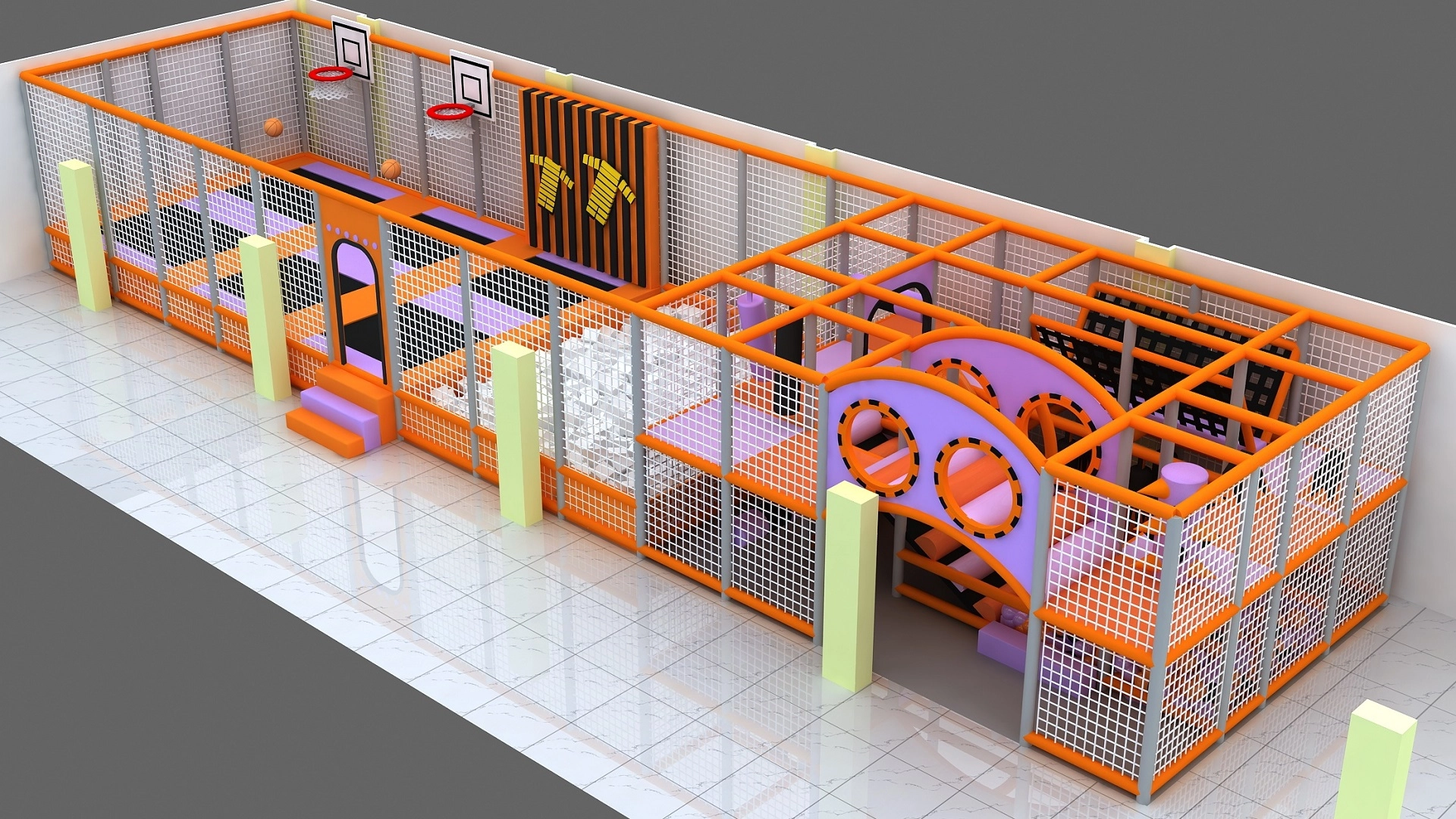
School-Aged Children (5+ years): Add challenging climbing walls, obstacle courses, and sports areas to cater to their energy levels.
The National Association for the Education of Young Children (NAEYC) provides guidelines on age-appropriate play equipment to support developmental milestones.
4. How do I choose materials that are both safe and low-maintenance?
Selecting appropriate materials is vital for safety and ease of maintenance:
Durable Materials: Opt for high-quality, durable materials that can withstand heavy use and are easy to clean.
Non-Toxic Finishes: Ensure all materials have non-toxic finishes to protect children's health.
Easy-to-Clean Surfaces: Choose materials with smooth surfaces that are easy to wipe down and sanitize.
Weather-Resistant Materials: For areas exposed to humidity or temperature fluctuations, select materials that resist mold and degradation.
These considerations help maintain a hygienic and safe environment for children.
5. What is the typical lifespan of indoor playground equipment?
The lifespan of indoor playground equipment varies based on usage, maintenance, and material quality:
High-Quality Equipment: With proper maintenance, equipment can last 8-12 years in commercial environments.
Regular Maintenance: Implementing a routine inspection and maintenance schedule can extend the equipment's lifespan and ensure safety.
Usage Levels: Equipment in high-traffic areas may experience more wear and tear, potentially reducing its lifespan.
Understanding these factors aids in budgeting and planning for equipment replacement.
6. Can you customize themes and branding in the playground design?
Yes, incorporating custom themes and branding can enhance the playground's appeal:
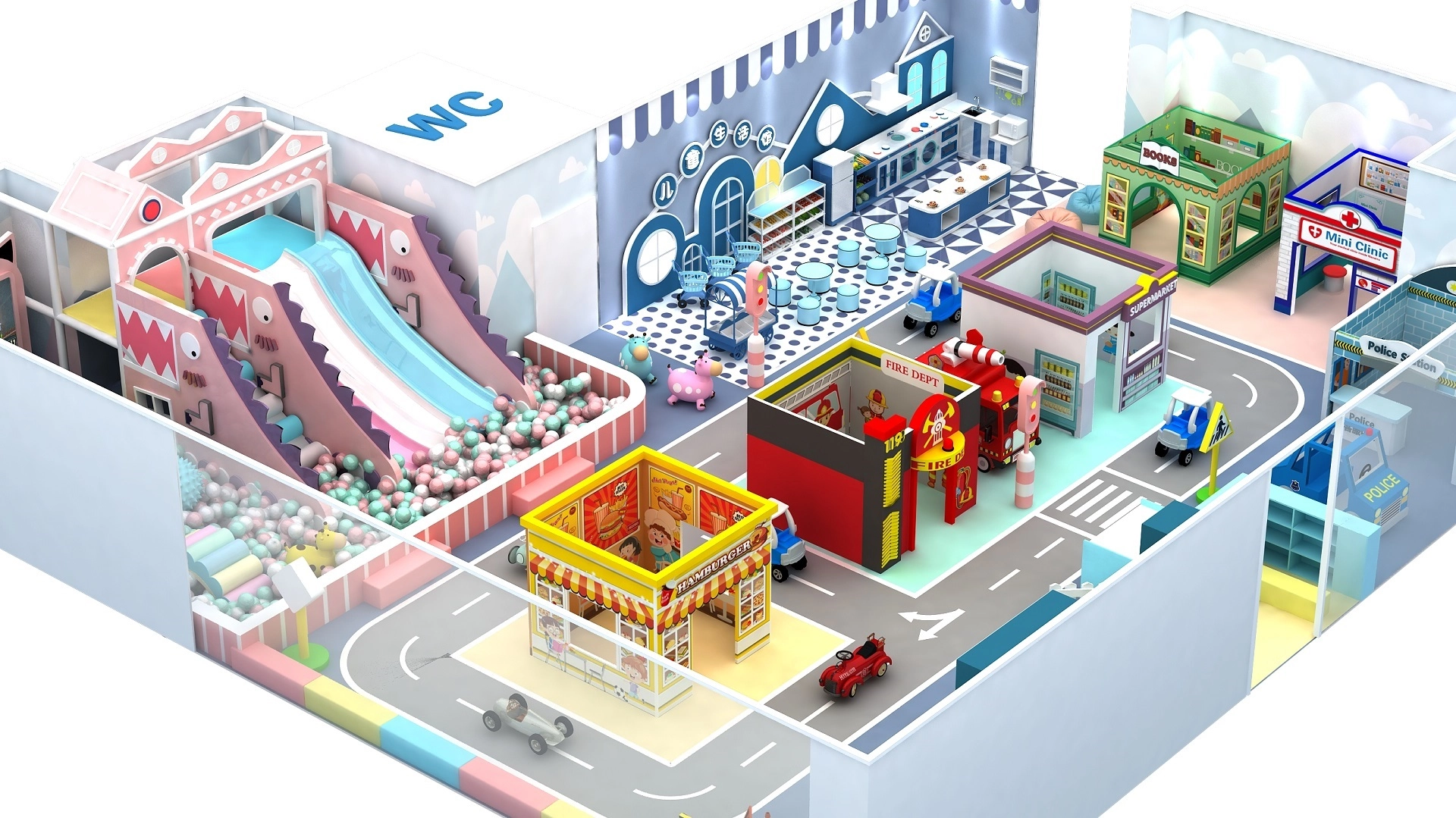
Thematic Elements: Design elements such as murals, play structures, and décor can reflect a specific theme.
Brand Integration: Incorporate brand colors, logos, and mascots into the design to create a cohesive brand experience.
Interactive Features: Include interactive panels or digital displays that align with the theme and engage children.
A strong, marketable theme can differentiate your indoor playground from competitors and attract more visitors.
7. How do I get started with a custom indoor playground project?
Embarking on a custom indoor playground project involves several steps:
Define Objectives: Clarify your goals, target audience, and success metrics.
Research and Regulations: Familiarize yourself with local and international safety standards and regulations.
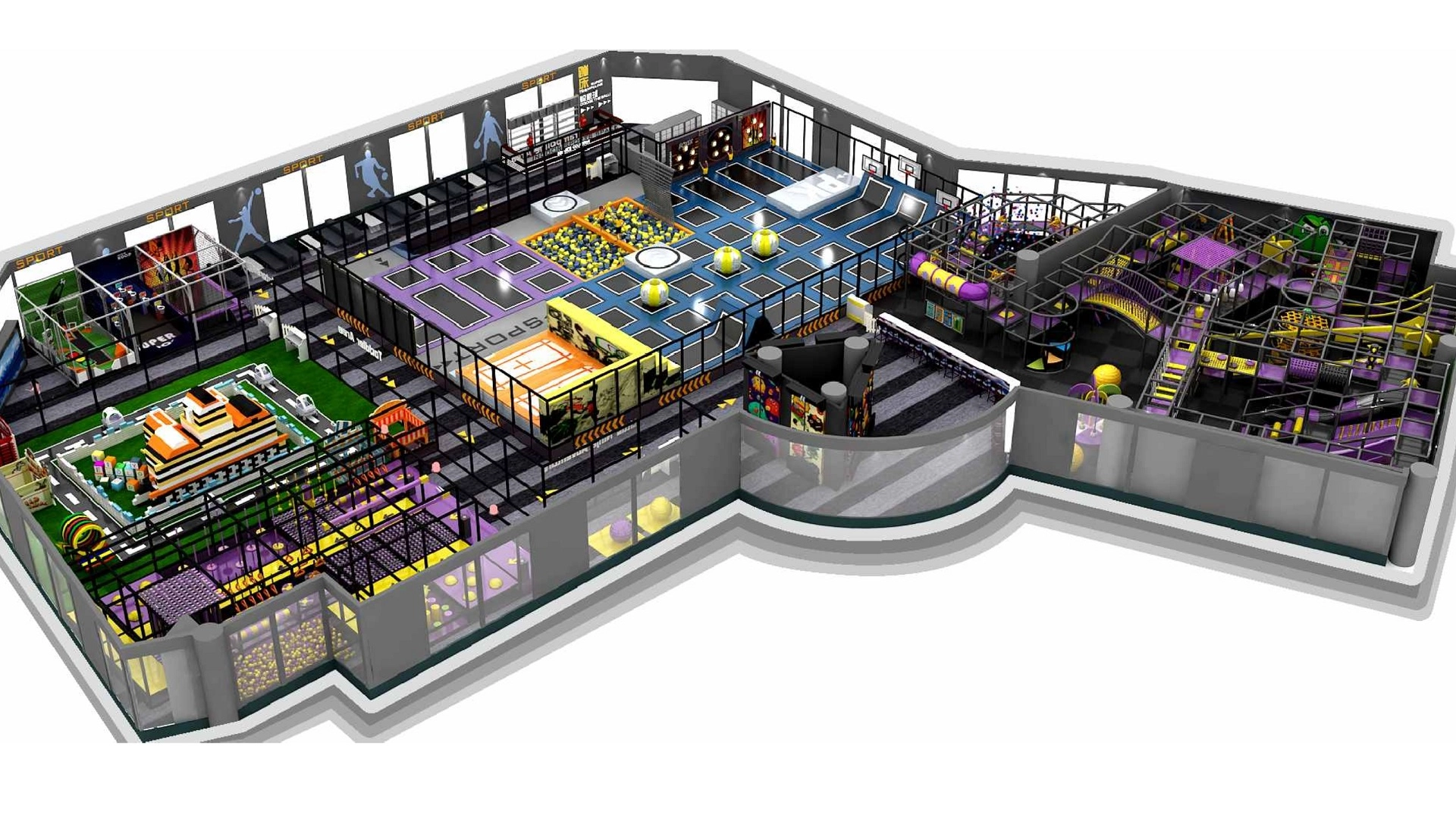
Space Planning: Assess available space and create a zoning plan for different play areas.
Budget Planning: Develop a comprehensive budget covering design, equipment, installation, and maintenance costs.
Partner with Experts: Collaborate with experienced manufacturers and designers to bring your vision to life.
By following a structured process, you can create a joyful, safe, and profitable play space that delights families.
8. What are the benefits of partnering with an experienced manufacturer like FEI FAN?
Partnering with an experienced manufacturer offers several advantages:
Expertise: Access to industry knowledge and best practices in playground design and safety.
Customization: Ability to tailor designs to your specific needs and preferences.
Quality Assurance: Assurance of high-quality materials and construction standards.
End-to-End Services: Support throughout the project, from design and manufacturing to installation and maintenance.
FEI FAN's comprehensive services simplify decision-making and help ensure a successful outcome for your indoor playground project.
In conclusion, designing a custom indoor playground requires careful planning, adherence to safety standards, and thoughtful consideration of space, age-appropriate designs, and materials. By partnering with experienced manufacturers like FEI FAN, you can create a play space that is both engaging and safe for children.
References:
Soft Play. (n.d.). How to Design a Kids Indoor Playground. Retrieved from https://www.softplay.com/blog/how-to-design-a-kids-indoor-playground/
Feifan. (n.d.). Design a Custom Indoor Playground for Small Spaces. Retrieved from https://www.kidssoftplay.com/how-to-design-custom-indoor-playground-small-spaces.html
Feifan. (n.d.). Custom Indoor Playground Purchasing Guide: Safety, Design, and Budget Tips. Retrieved from https://www.kidssoftplay.com/custom-indoor-playground-purchasing-guide.html
Feifan. (n.d.). Custom Indoor Playground Equipment Design Guide. Retrieved from https://www.kidssoftplay.com/custom-indoor-playground-design-guide.html
JAMMA. (2025, December 15). Indoor Playground Soft Play Design Guide. Retrieved from https://www.jammapark.com/article/indoor-playground-design.html
Feifan. (n.d.). Indoor Soft Play Area Planning Guide. Retrieved from https://www.kidssoftplay.com/indoor-soft-play-area-planning-guide.html
SPI Plastics. (2023, December 15). 7 Essential Factors to Consider When Planning an Indoor Playground. Retrieved from https://www.spiplastics.com/7-essential-factors-to-consider-when-planning-an-indoor-playground/
Top Kids Play. (2025, November 13). Indoor Playgrounds Design Guide. Retrieved from https://topkidsplay.com/indoor-playgrounds-design/
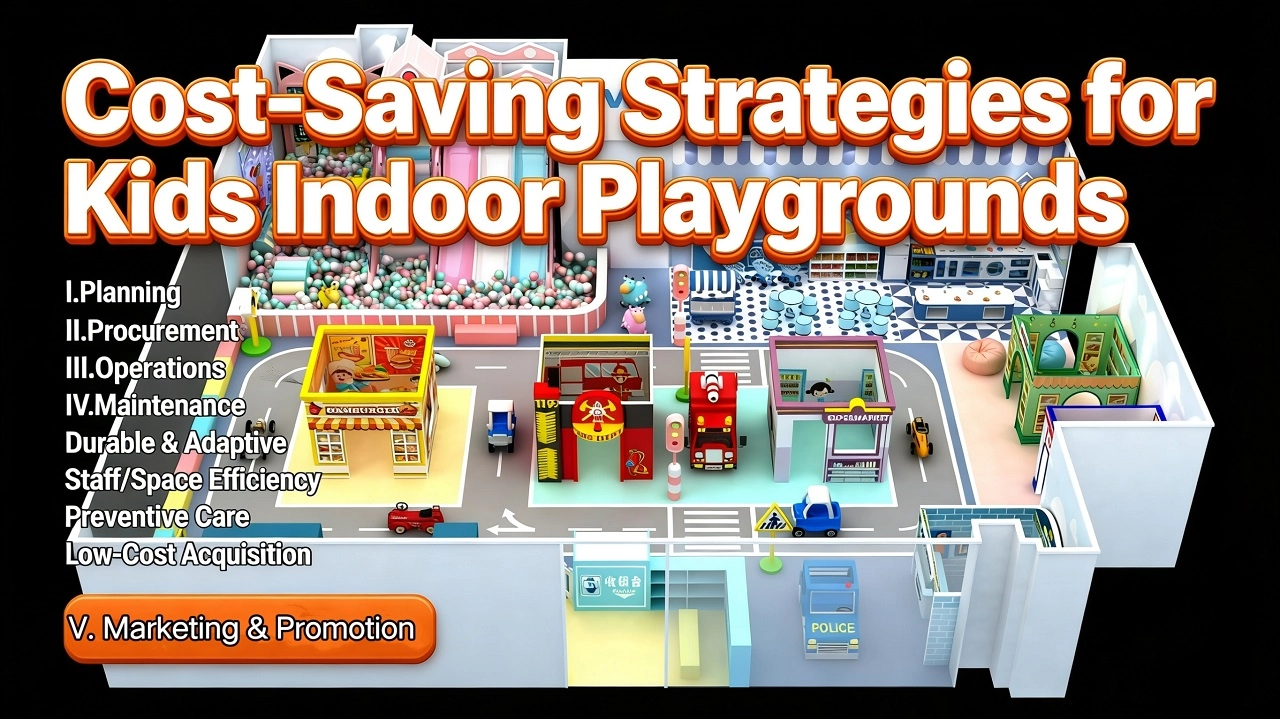
How to Reasonably Control Costs of Kids Indoor Playgrounds | Trusted Manufacture

Flourishing in Both the Middle East and Europe! What Makes Guangzhou Feifan Amusement a Leading Export Manufacturer of Indoor Playgrounds?
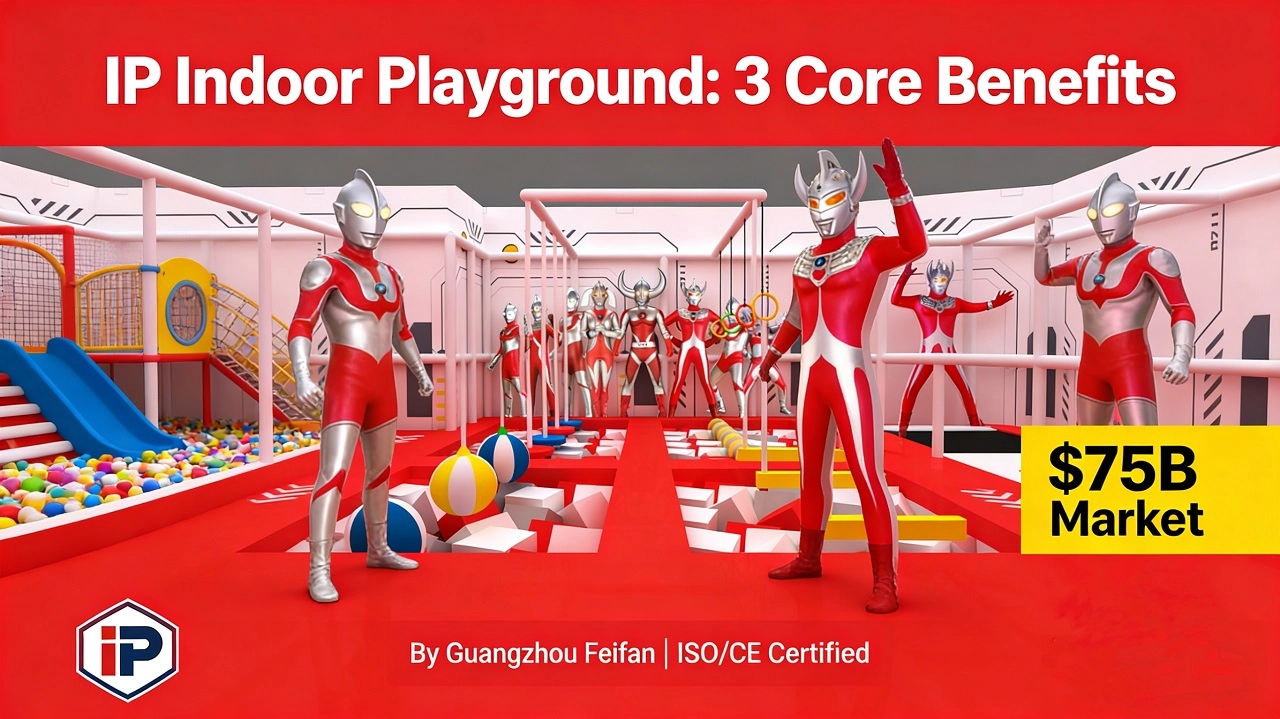
What Is an IP Indoor Playground & Its Core Benefits? | Insight by Feifan
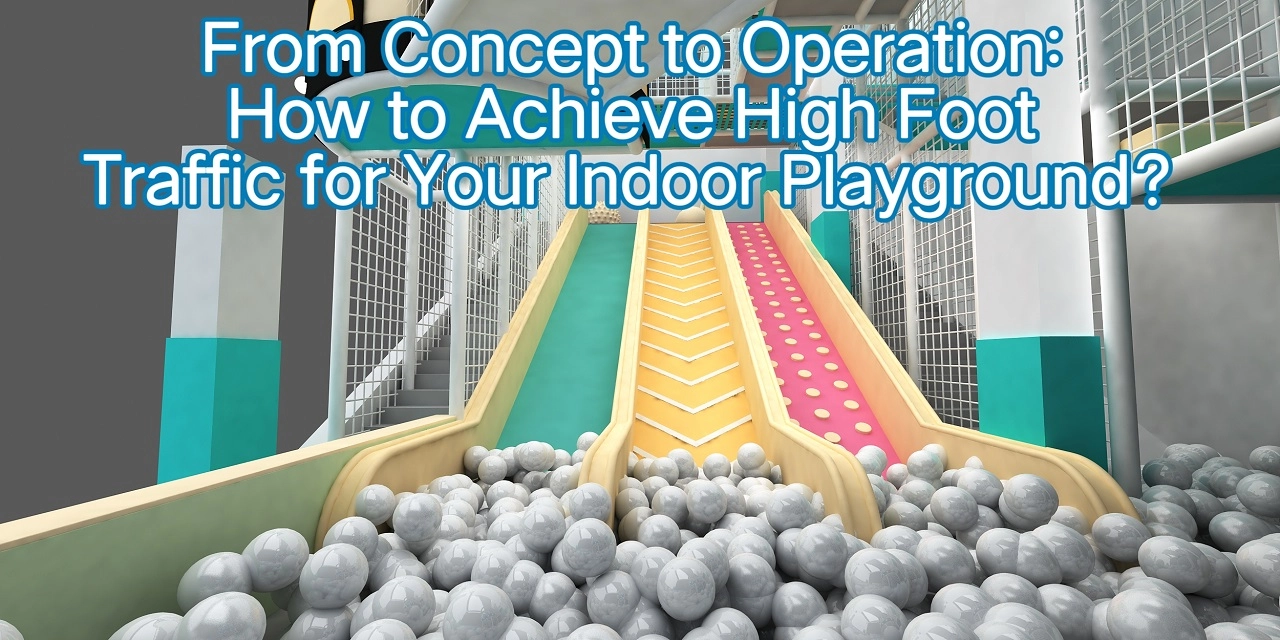
From Concept to Operation: How to Achieve High Foot Traffic for Your Indoor Playground?
Schools Educational Institutions
Can the equipment be customized for different age groups?
Absolutely. We design separate play areas for kindergarten, primary, and middle school students, ensuring age-appropriate safety and play value.
Can equipment be used for both play and sports training?
Yes, we design multi-functional equipment that combines entertainment with physical exercise, suitable for PE classes and free play.
OEM & ODM
Can I mix different play modules in one design?
Yes, we often integrate slides, rope nets, trampolines, and more in one layout.
What certifications do your custom products have?
Our products meet international standards such as ISO, CE, GS, and more.
Can you match my brand’s color scheme and logo?
Absolutely! We offer full branding customization across the entire equipment.


Send my request
Let’s Build Your Dream Indoor Playground Together
Thank you for your interest in our products and services!
We’re dedicated to providing you with the best possible support and solutions for your needs.
FEI FAN is a premier Indoor Playground Manufacturer specializing in Kids Soft Play Equipment. From design to installation, we provide one-stop solutions for indoor play centers, daycares, and commercial venues globally.
© 2025 Feifan Amusement Equipment. All Rights Reserved.
 Scan QR Code
Indoor Soft Playground
Whatsapp: +8619068970573
Scan QR Code