What are common injuries on indoor trampolines and prevention?
Indoor Trampoline Safety: Essential Insights for Custom Indoor Playgrounds
Indoor trampolines are a popular addition to custom indoor playgrounds, offering children a fun and engaging way to exercise. However, ensuring their safety is paramount to prevent injuries and provide a secure play environment. Below are key considerations and best practices for incorporating indoor trampolines into your playground.
1. What Are the Common Injuries Associated with Indoor Trampolines?
Indoor trampolines can pose various injury risks, including:
Sprains and Strains: Overexertion or improper landing can lead to muscle and ligament injuries.
Fractures: High-impact landings or collisions may result in broken bones.
Head and Neck Injuries: Falls leading to head or neck trauma are particularly concerning.
Soft Tissue Injuries: Cuts, bruises, and contusions from contact with trampoline surfaces or other equipment.
2. How Can These Injuries Be Prevented?
Implementing the following safety measures can significantly reduce injury risks:
Age-Appropriate Design: Designate specific trampoline areas for different age groups to prevent collisions and ensure suitability.
Safety Netting: Install high-quality, fire-resistant safety netting to prevent falls off the trampoline.
Supervision: Ensure trained staff supervise trampoline use to enforce safety rules and assist children as needed.
Surface Padding: Use impact-absorbing materials like poured-in-place rubber or vinyl foam tiles to cushion falls.
Regular Maintenance: Conduct routine inspections to identify and repair any equipment issues promptly.
3. What Are the Key Safety Standards for Indoor Playgrounds?
Adhering to recognized safety standards is crucial:
ASTM F1487: This standard provides performance specifications for public playground equipment, addressing safety and performance requirements.
EN 1176 and EN 1177: European standards that outline safety requirements for playground equipment and impact-attenuating surfacing.
CSA Z614: Canadian standard specifying safety requirements for playground equipment.
Ensuring compliance with these standards helps mitigate injury risks and aligns with industry best practices.
4. How Should Trampoline Areas Be Designed Within Indoor Playgrounds?
Effective design considerations include:
Zoning: Create separate zones for different age groups to minimize collision risks.
Guardrails and Barriers: Install appropriate guardrails or netting around trampoline areas to prevent falls.
Clear Signage: Use visible safety signs to communicate rules and guidelines effectively.
Emergency Preparedness: Develop and communicate emergency procedures to staff and visitors.
5. What Are the Maintenance Requirements for Trampoline Equipment?
Regular maintenance is essential to ensure safety:
Daily Inspections: Check for loose bolts, damaged padding, and other visible issues.
Weekly Functional Checks: Test nets, moving parts, and other components for proper operation.
Monthly Detailed Inspections: Conduct thorough checks to identify wear and tear.
Annual Third-Party Audits: Engage professionals to assess equipment safety and compliance.
6. How Can FEI FAN Enhance the Safety of Your Indoor Playground?
FEI FAN is committed to providing high-quality, safe, and engaging indoor playground equipment. Key advantages include:
Compliance with International Standards: FEI FAN's equipment meets ASTM F1487, EN 1176, and CSA Z614 standards, ensuring safety and durability.
Use of Non-Toxic, Flame-Retardant Materials: All materials used are non-toxic, flame-retardant, and durable, reducing maintenance costs and downtime.
Comprehensive Safety Features: Designs include appropriate guardrails, netting, and age-appropriate zoning to prevent injuries.
Regular Testing and Certification: FEI FAN conducts routine inspections and third-party audits to maintain high safety standards.
By choosing FEI FAN, you invest in a safe, durable, and enjoyable indoor playground that prioritizes children's well-being.
Sources:
(https://www.kidssoftplay.com/top-safety-standards-indoor-playgrounds-complete-guide.html)
(https://www.kidssoftplay.com/indoor-playground-equipment-safety-guide.html)
(https://indoorplaygroundsinternational.com/quality-safety-standards/)
(https://www.g-honorgames.com/blog/safety-considerations-for-kids-indoor-playgrounds)
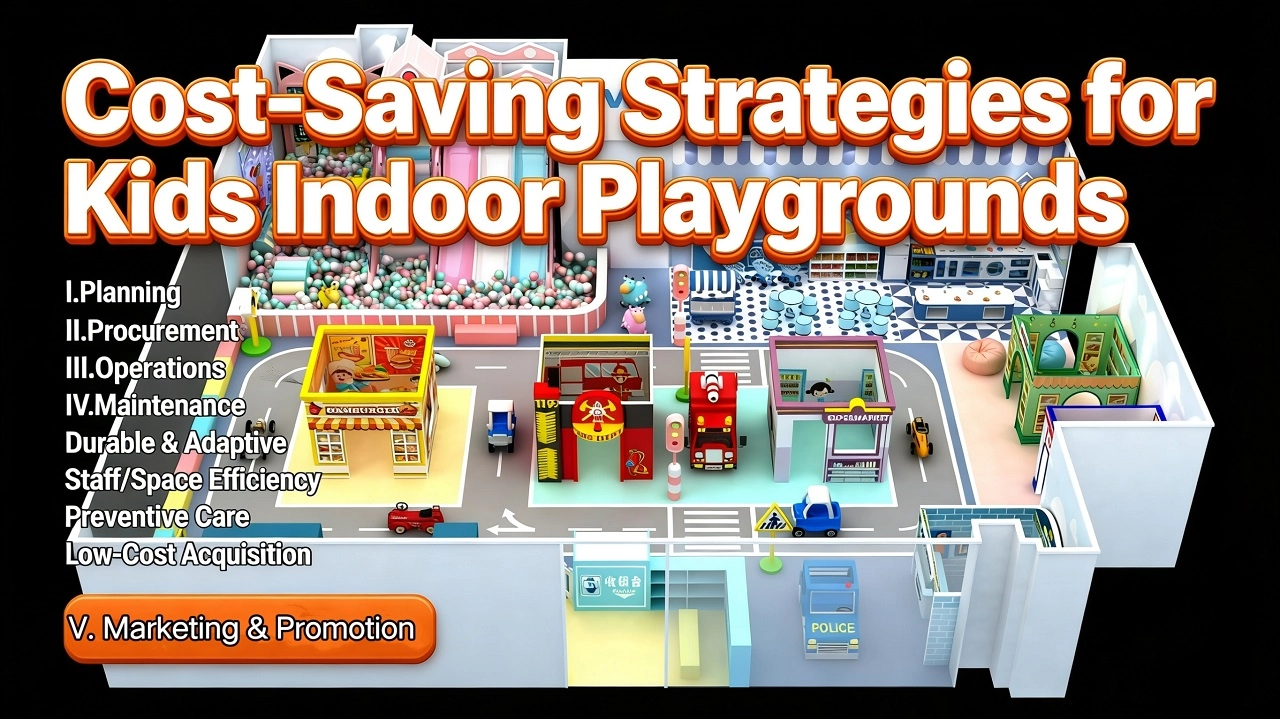
How to Reasonably Control Costs of Kids Indoor Playgrounds | Trusted Manufacture

Flourishing in Both the Middle East and Europe! What Makes Guangzhou Feifan Amusement a Leading Export Manufacturer of Indoor Playgrounds?
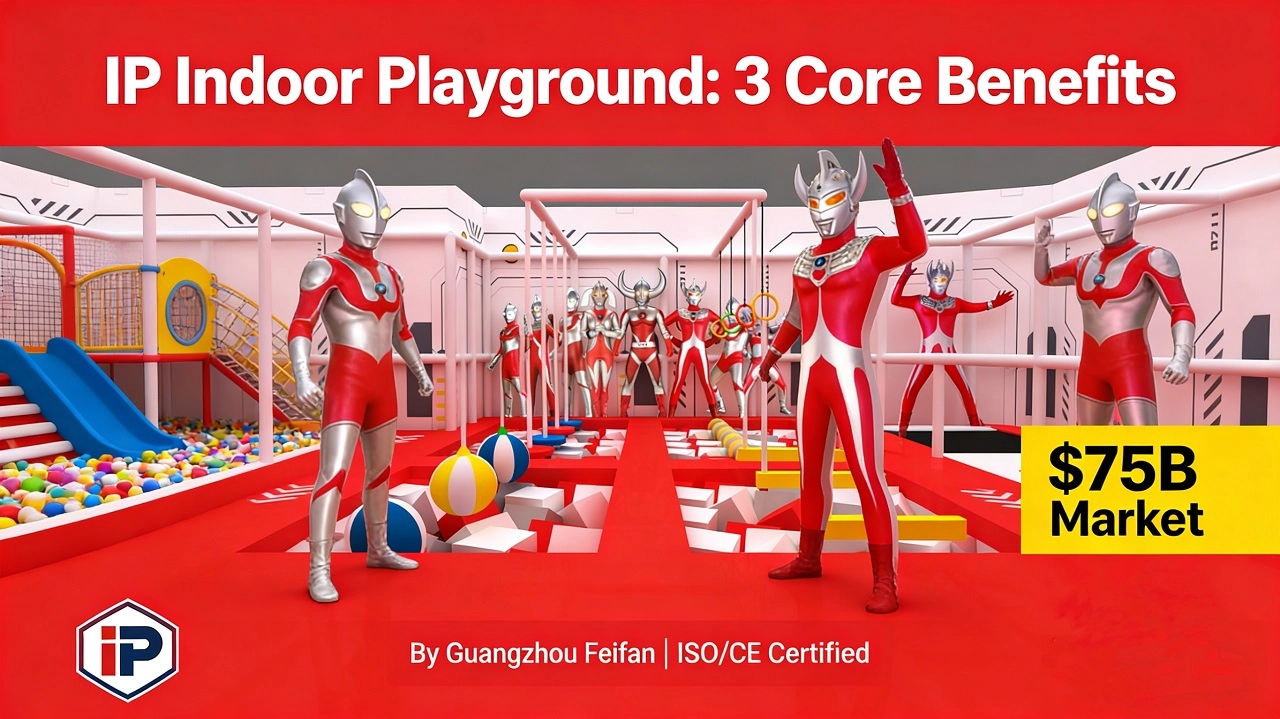
What Is an IP Indoor Playground & Its Core Benefits? | Insight by Feifan
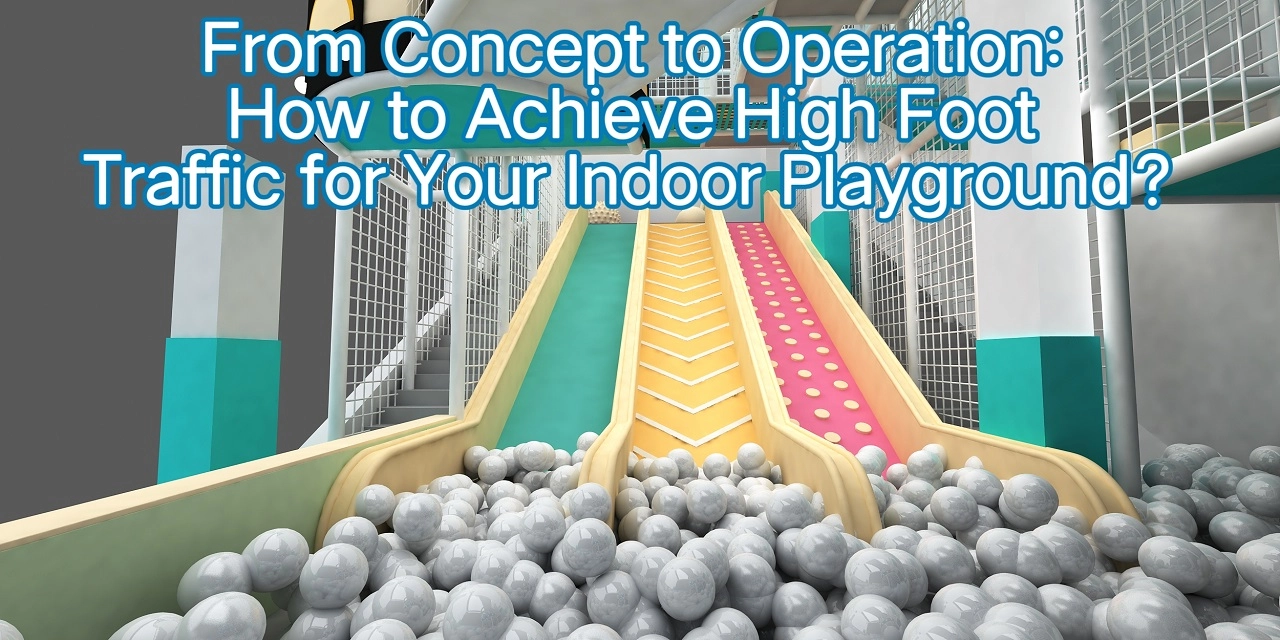
From Concept to Operation: How to Achieve High Foot Traffic for Your Indoor Playground?
OEM & ODM
Can I customize based on my own layout or concept?
Yes, just send us your venuedrawing or demanding, and we’ll design around it.
For Products
What are the main materials of indoor playground? Is it safe and environmentally friendly?
The main products are made of durable materials, including plastic, PVC, PU, galvanized pipe, wood, PE foam, to ensure a lasting and safe game experience. All materials are in line with international environmental standards.
For Shipping
What is the shipping way of your products ?
The shipping way is mainly in sea freight, small products by express delivery and air .
Indoor Playgrounds Trampoline Parks
Can I upgrade or expand my playground/trampoline park in the future?
Absolutely. Our modular design allows you to expand or reconfigure easily to meet future business needs.
Schools Educational Institutions
Are your playgrounds safe for schoolchildren?
Yes, all our products are manufactured with international safety certifications (EN, ASTM, CE, etc.), using non-toxic and eco-friendly materials


Send my request
Let’s Build Your Dream Indoor Playground Together
Thank you for your interest in our products and services!
We’re dedicated to providing you with the best possible support and solutions for your needs.
FEI FAN is a premier Indoor Playground Manufacturer specializing in Kids Soft Play Equipment. From design to installation, we provide one-stop solutions for indoor play centers, daycares, and commercial venues globally.
© 2025 Feifan Amusement Equipment. All Rights Reserved.
 Scan QR Code
Indoor Soft Playground
Whatsapp: +8619068970573
Scan QR Code