How to comply with safety standards for soft playground equipment?
Comprehensive Guide to Purchasing Soft Playground Equipment: Ensuring Safety and Quality
When considering the addition of soft playground equipment to your facility, it's essential to prioritize safety, durability, and compliance with industry standards. This guide addresses common questions and provides expert insights to assist you in making informed decisions.
1. What are the key safety standards for soft playground equipment?
Ensuring that your playground equipment meets established safety standards is crucial. In the United States, the Consumer Product Safety Commission (CPSC) provides guidelines for public playground equipment. Additionally, the American Society for Testing and Materials (ASTM) sets standards for playground equipment materials to ensure safety and durability. ((https://www.kidssoftplay.com/custom-indoor-playground-purchasing-guide.html))
2. How do I select materials that are both safe and durable?
Choosing the right materials is vital for the longevity and safety of your playground:
Plastic Components: Opt for high-density polyethylene (HDPE) for its durability and resistance to wear.
Metal Parts: Use stainless steel for structural elements to prevent rust and corrosion.
Wood Elements: Choose pressure-treated, non-toxic wood for natural aesthetics and strength.
These materials not only enhance safety but also ensure the equipment withstands frequent use. ((https://www.kidssoftplay.com/custom-indoor-playground-purchasing-guide.html))
3. What maintenance practices are recommended for soft playground equipment?
Regular maintenance is essential to keep the playground safe and enjoyable:
Routine Inspections: Conduct daily checks for wear and tear, addressing issues promptly.
Cleaning Protocols: Establish daily cleaning schedules to maintain hygiene and prevent the spread of germs.
Equipment Repairs: Keep a maintenance log and promptly repair or replace damaged components.
Adhering to these practices helps in prolonging the equipment's lifespan and ensuring user safety. ((https://www.kidssoftplay.com/custom-indoor-playground-purchasing-guide.html))
4. How can I ensure the playground is inclusive for all children?
Creating an inclusive environment involves:
Accessible Equipment: Incorporate ramps and sensory-friendly areas for children with disabilities.
Diverse Play Options: Offer a variety of activities that cater to different interests and abilities.
Community Feedback: Engage with families to understand their needs and preferences.
The Americans with Disabilities Act (ADA) provides guidelines for accessible playground design to ensure inclusivity. ((https://www.kidssoftplay.com/custom-indoor-playground-purchasing-guide.html))
5. What are the benefits of investing in custom indoor playground equipment?
Investing in custom playground equipment offers several advantages:
Tailored Design: Customization allows for a playground that meets specific needs and preferences.
Brand Identity: A unique design can enhance brand recognition and appeal.
Long-Term Value: Quality materials and design can lead to lower maintenance costs and longer equipment lifespan.
These benefits contribute to a more engaging and cost-effective play environment. ((https://www.kidssoftplay.com/custom-indoor-playground-purchasing-guide.html))
6. How do I assess the quality and safety of potential suppliers?
When evaluating suppliers, consider the following:
Certifications: Ensure compliance with recognized safety standards like ASTM, EN, and NFPA.
Material Quality: Verify the use of non-toxic, durable, and child-friendly materials.
Design Features: Look for rounded edges, non-slip surfaces, and appropriate height clearances.
Customer Support: Assess the reliability of support during and after installation for maintenance and addressing any issues. ((https://www.kidssoftplay.com/top-questions-choosing-custom-indoor-playground-equipment-suppliers.html))
7. What is the typical lifespan of indoor playground equipment?
The lifespan of indoor playground equipment varies based on materials and usage:
Structural Frames: With proper maintenance, can last 10–20 years.
Soft Components and Surfacing: Typically require replacement or refurbishment every 3–7 years, depending on usage.
Regular upkeep is essential to maximize the equipment's longevity.
8. How do I calculate the return on investment (ROI) for an indoor playground?
To estimate ROI:
Revenue Projections: Calculate monthly income from admissions, parties, memberships, and food and beverage sales.
Operating Costs: Account for staffing, rent, utilities, and maintenance expenses.
Occupancy Rates: Use conservative estimates to model payback periods and sensitivity to pricing and visits.
This analysis helps in making informed financial decisions regarding the playground investment.
FEI FAN Advantages
FEI FAN specializes in designing and manufacturing custom indoor playgrounds that prioritize safety, inclusivity, and durability. With a focus on high-quality materials and innovative designs, FEI FAN ensures that each playground is tailored to meet the specific needs of its users. Their commitment to customer satisfaction and adherence to industry standards makes them a reliable partner in creating engaging and secure play environments.
((https://www.kidssoftplay.com/custom-indoor-playground-purchasing-guide.html))
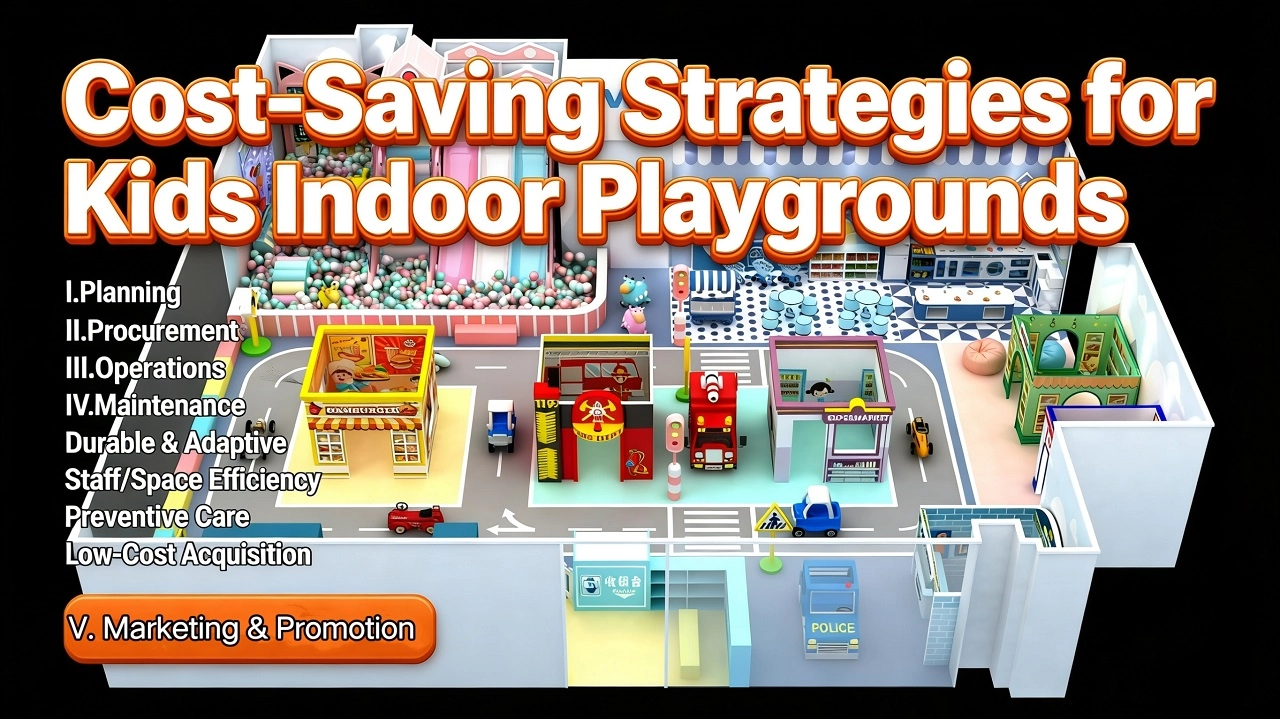
How to Reasonably Control Costs of Kids Indoor Playgrounds | Trusted Manufacture

Flourishing in Both the Middle East and Europe! What Makes Guangzhou Feifan Amusement a Leading Export Manufacturer of Indoor Playgrounds?
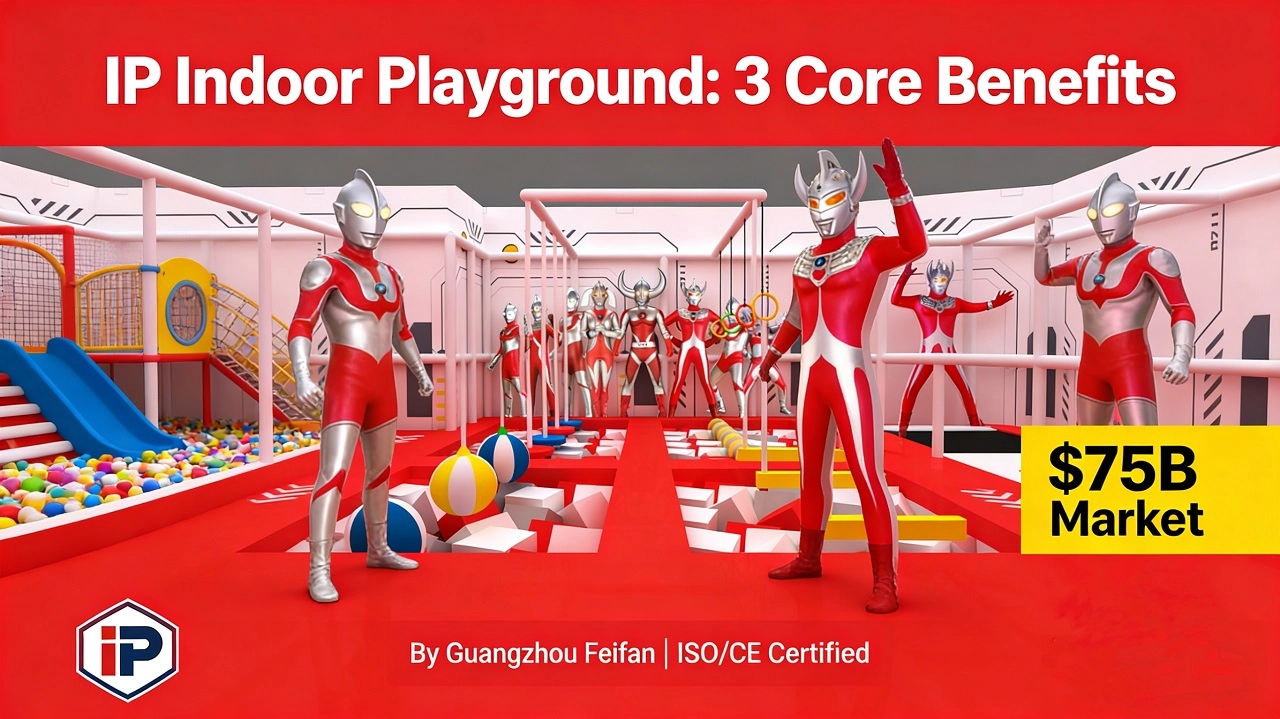
What Is an IP Indoor Playground & Its Core Benefits? | Insight by Feifan
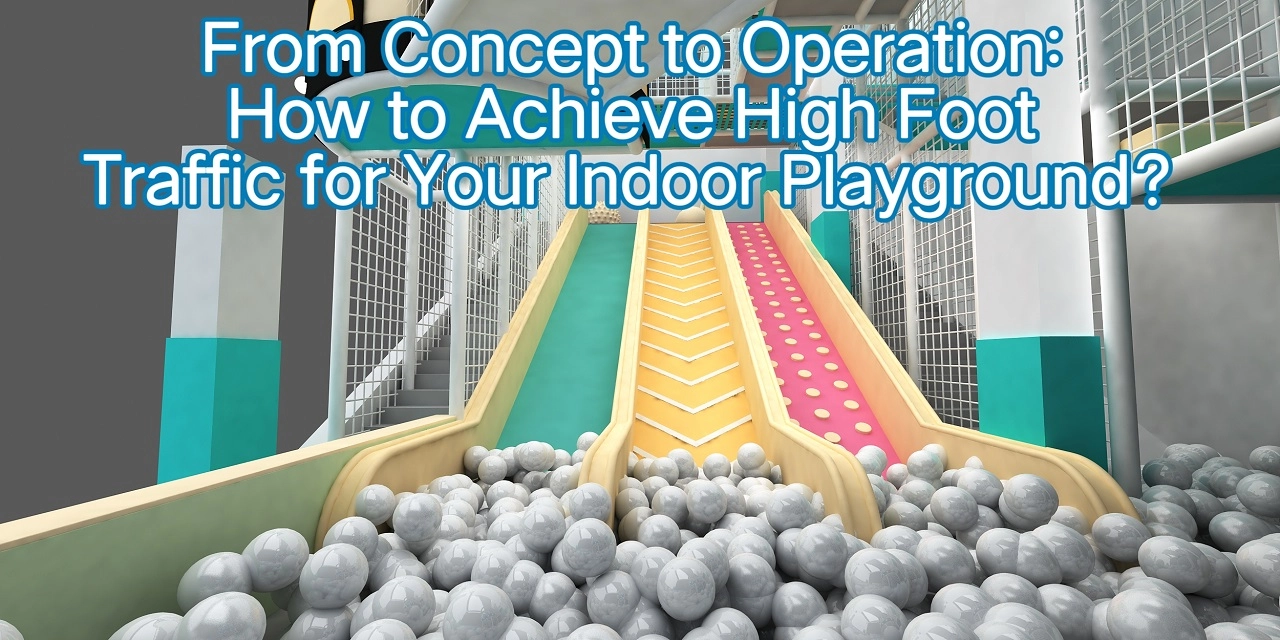
From Concept to Operation: How to Achieve High Foot Traffic for Your Indoor Playground?
OEM & ODM
What are the customized services?
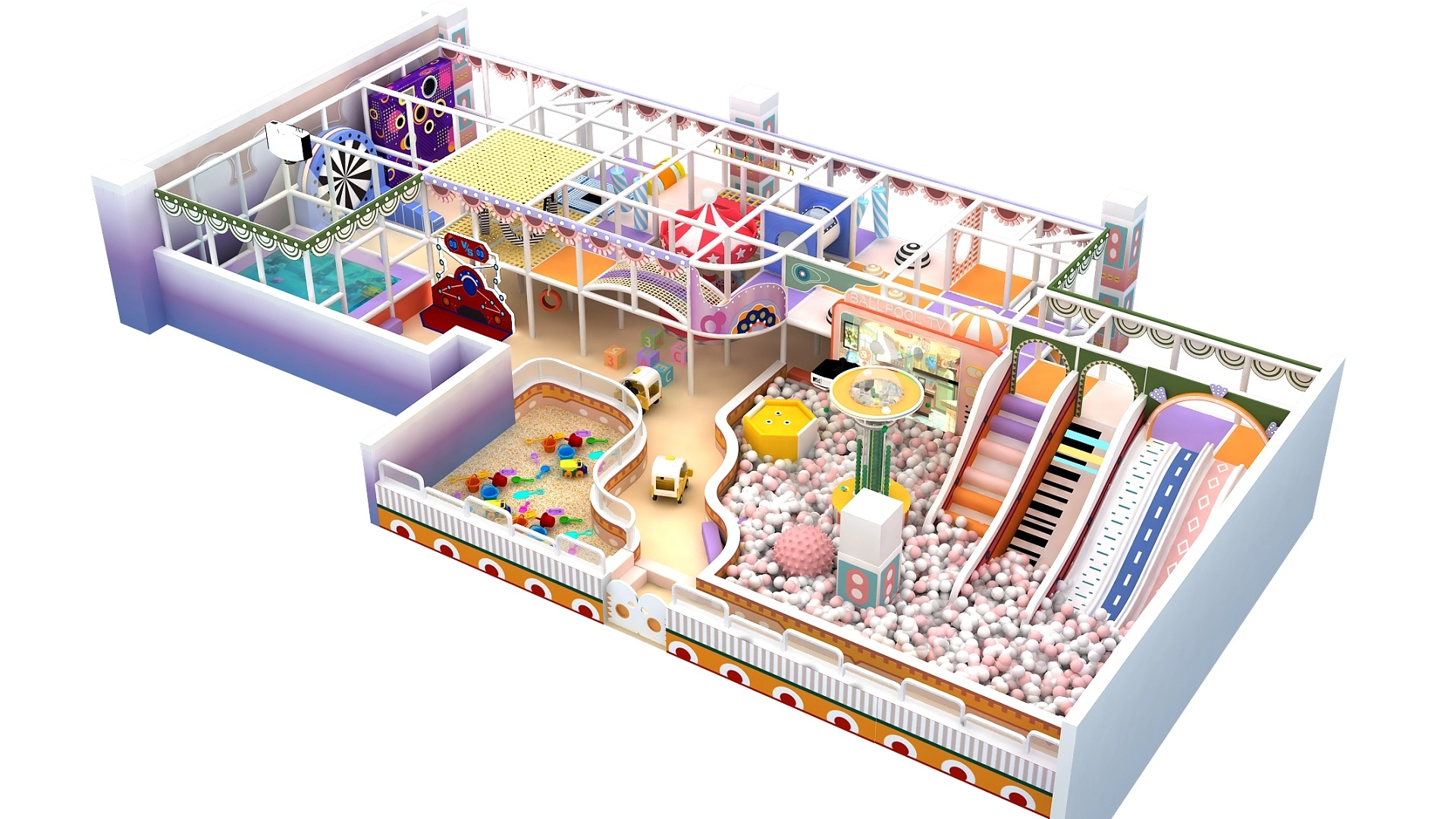
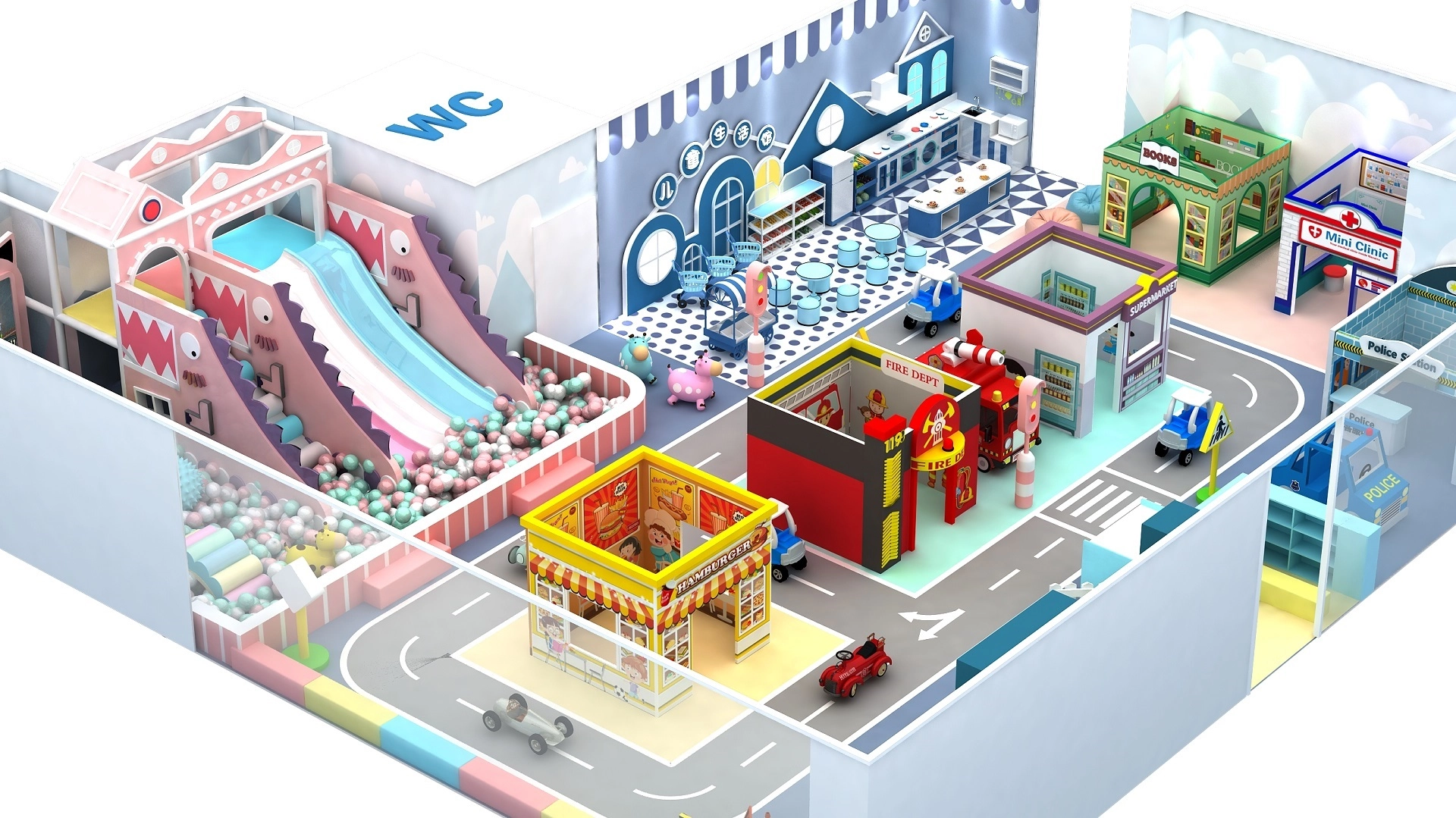
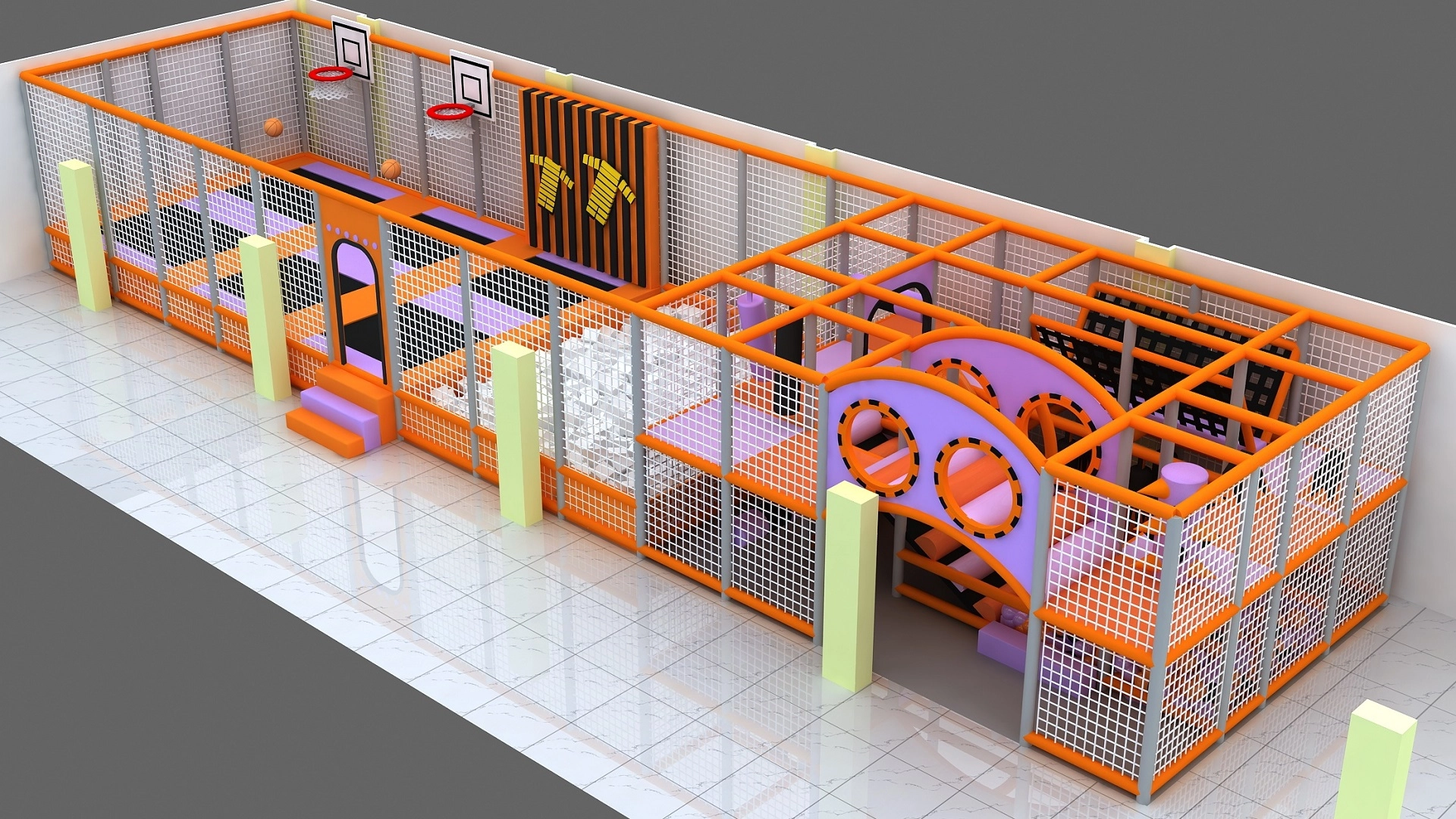
We can provide customized service ofclients demands ,include theme customization, function customization, LOGO ,IP, size etc.
Schools Educational Institutions
Can equipment be used for both play and sports training?
Yes, we design multi-functional equipment that combines entertainment with physical exercise, suitable for PE classes and free play.
Theme park
Is the playground safe to play?
Yes. For the mental parts, there will be soft PVC pipes covering around them to protect kids from being hurt.As for the plastic parts, it's made from one class plastic materials.
Is it difficult to install? Do you have installation manual? Or do you send professional workers over to help install the playground?
For the small playground, it's easy to install,customer can install by themself.
The installation manual will be sent together with the goods.
If you found it difficult to install,asked us for help.Both online installation and on-site installation are available.
Shopping MallsRetail Centers
How do your amusement areas benefit shopping malls?
They attract more families, increase dwell time, boost customer loyalty, and enhance overall mall revenue.


Send my request
Let’s Build Your Dream Indoor Playground Together
Thank you for your interest in our products and services!
We’re dedicated to providing you with the best possible support and solutions for your needs.
FEI FAN is a premier Indoor Playground Manufacturer specializing in Kids Soft Play Equipment. From design to installation, we provide one-stop solutions for indoor play centers, daycares, and commercial venues globally.
© 2025 Feifan Amusement Equipment. All Rights Reserved.
 Scan QR Code
Indoor Soft Playground
Whatsapp: +8619068970573
Scan QR Code