Indoor Playground Cost: Budget Layers, Cost Drivers, and Quote Scope
Direct answer: Indoor playground cost depends on what you include. A supplier equipment price, a delivered equipment package, an installed playground, and a full opening budget are four different numbers. Before comparing any quote, define the budget boundary, the equipped play area, the installation responsibility, and the owner-side opening costs.
If you are planning a commercial venue, the right question is not only “How much does an indoor playground cost?” The better question is: “What scope am I pricing, and what is still outside the quote?” This guide helps you build a usable planning budget before you ask suppliers for numbers.
| Planning question | Better budget input |
|---|---|
| How big is the project? | Equipped play area, not total leased area |
| What is included? | Equipment, freight, installation, spares, documents, and exclusions |
| What is outside the supplier quote? | Lease, fit-out, permits, insurance, staffing, technology, and working capital |
| What changes the price most? | Activity mix, height, custom design, delivery route, local review, and installation responsibility |
| What should a supplier receive? | Same floor plan, attraction list, target users, destination, and quote format |
Quick Answer: What Indoor Playground Cost Includes
For early planning, put every cost into one of three buckets.
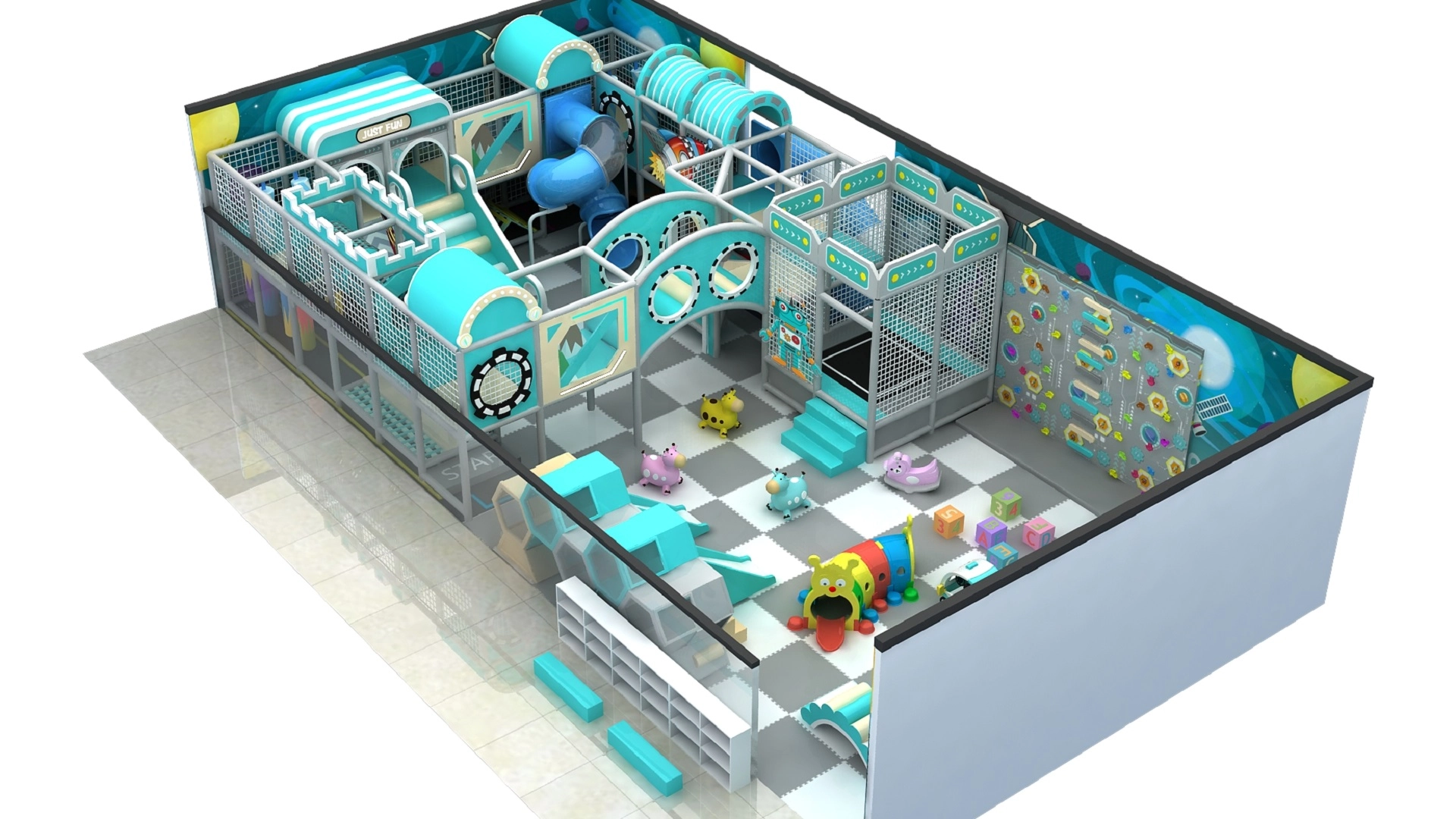
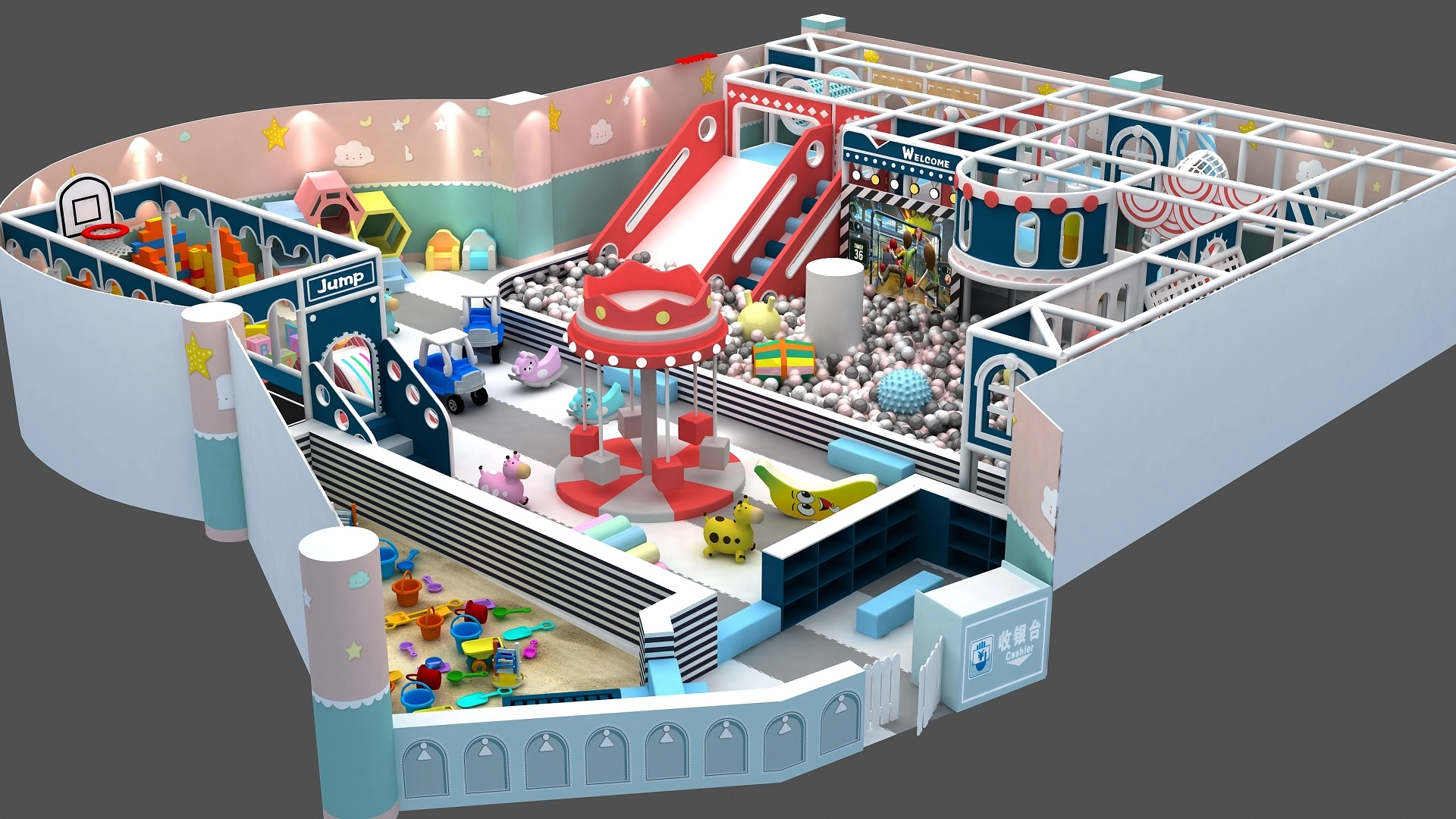
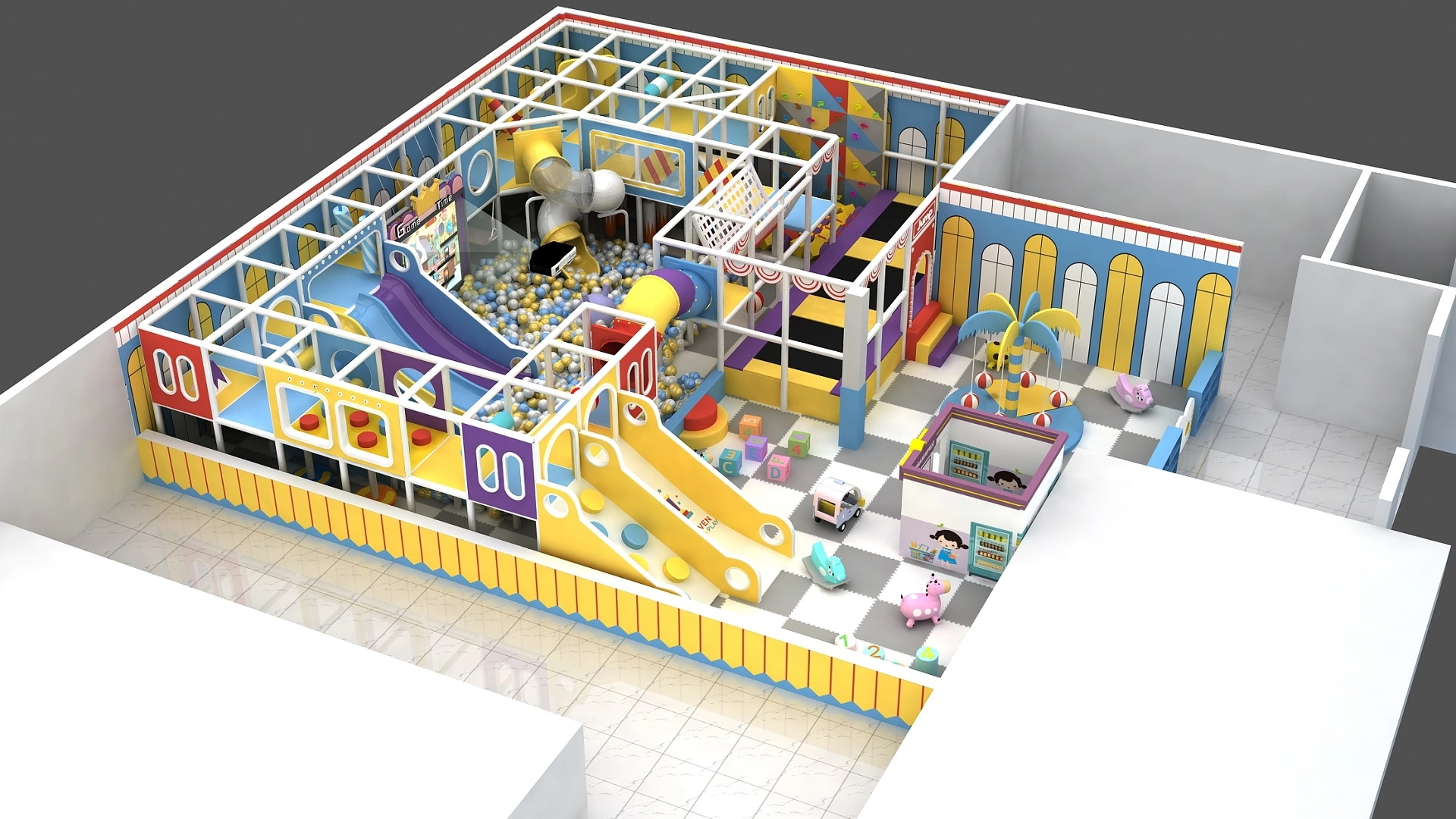
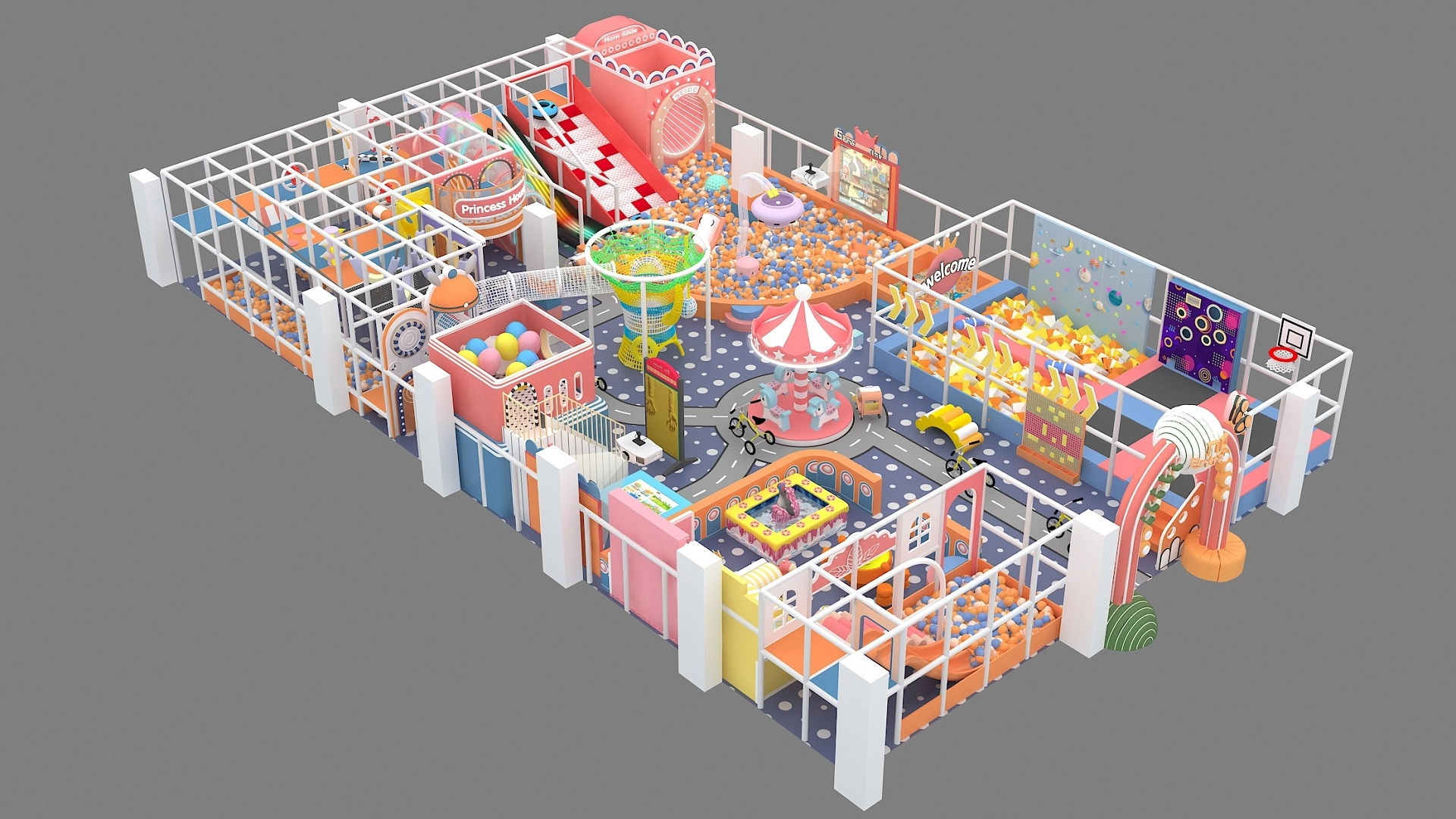
Equipment cost covers the manufactured play system: platforms, steel or structural frames, slides, netting, padding, panels, themed elements, ball pools, toddler play, obstacle elements, interactive features, and the specific attractions listed in the proposal.
Delivered and installed cost adds packing, freight, destination delivery, unloading assumptions, installation labor, tools, travel, supervision, commissioning support, and opening spare parts when those items are included.
Total opening cost adds the business and building costs that sit outside many equipment quotes: lease deposits, architectural or engineering work, permits, fire and accessibility review, flooring, HVAC, electrical work, insurance, point-of-sale systems, staffing, launch marketing, cleaning supplies, and working capital.
The U.S. Small Business Administration recommends estimating both one-time and monthly startup expenses when planning a new business, including equipment, space, permits, insurance, payroll, utilities, inventory, and marketing in its startup-cost guide. That guidance is not an indoor-playground price list, but it is a useful safeguard against treating equipment as the whole opening budget.
Budget Layer 1: Equipment Price
The equipment price is the easiest number to request and the easiest number to misunderstand. It may be an ex-factory price, a product-only price, or a package price that includes some design and documentation.
Ask what the equipment price includes:
- multilevel soft-play structure
- toddler zone or age-separated zones
- slides, tunnels, bridges, climbers, ball pools, obstacle elements, and interactive elements
- steel frame, platforms, fasteners, nets, padding, mats, and protective panels
- custom colors, printed graphics, themed shapes, and decorative finishes
- design drawings, packing list, installation instructions, maintenance guidance, and spare-parts list
- applicable test reports or certificates for the quoted components
FEI FAN / KidsSoftPlay presents commercial indoor playground products on its Indoor Playground page. That page supports product relevance and category scope; it should not be read as a fixed project price because every building, activity mix, and delivery scope is different.
For comparison, individual product listings can be useful for understanding component categories, but a product listing is not the same as a designed, delivered, installed, and locally reviewed indoor playground project.
Budget Layer 2: Freight, Installation, and Site Work
Two suppliers can quote the same play structure and still produce very different landed costs. Freight route, container use, customs handling, unloading, installation method, and site readiness can move the final number.
Before comparing quotes, ask each supplier to separate these items:
| Cost item | What to clarify | Why it changes the budget |
|---|---|---|
| Packing and loading | Export packing, container loading, volume assumptions | Bulky soft-play components can affect container use |
| International freight | Ocean, air, rail, or truck route | Route and timing affect landed cost |
| Import and destination charges | Duties, customs brokerage, terminal fees, inland delivery | These may sit outside the supplier quote |
| Unloading | Forklift, loading dock, local labor, storage | Some sites cannot unload directly |
| Installation | Supplier crew, supervisor only, local crew, or hybrid | Labor scope changes both cost and risk |
| Site work | flooring, power, fire systems, walls, doors, HVAC, lighting | Usually handled by local contractors, not the playground supplier |
KidsSoftPlay describes project design, production, installation guidance, and after-sales support on its Service page. Use that service scope as a discussion starting point, then ask what is included in your written quotation and what remains your local responsibility.
Budget Layer 3: Full Opening Budget
A realistic indoor playground startup budget includes more than the play structure. The supplier quote may be one of the largest lines, but the venue still needs a building, approvals, staff, systems, and enough cash to operate before revenue stabilizes.
Use this owner-side budget checklist:
| Budget category | Examples | Usually outside equipment quote? |
|---|---|---|
| Space and lease | deposit, rent during fit-out, utilities before opening | Yes |
| Professional work | architect, engineer, code consultant, project manager | Usually |
| Building fit-out | flooring, lighting, electrical, HVAC, restrooms, cafe, party rooms | Usually |
| Local approval | permits, inspections, accessibility review, fire review | Usually |
| Equipment package | playground structure, attraction components, padding, spares | Supplier quote |
| Logistics and installation | freight, unloading, installation, travel, tools | Sometimes included, sometimes excluded |
| Operations | ticketing, POS, waivers, CCTV, lockers, furniture, cleaning | Usually |
| Launch and working capital | payroll, insurance, marketing, opening inventory, cash buffer | Yes |
The SBA startup-cost guide separates startup expenses from ongoing monthly costs. Apply the same logic to an indoor playground: model the opening project and the first operating months separately, then compare that total against available capital.
Build a Cost Model From Equipped Area
“Indoor playground cost per square foot” can be useful only when you define the square footage correctly. The gross leased area includes check-in, shoe storage, party rooms, cafe seating, restrooms, offices, storage, mechanical space, and circulation. The play-equipment allowance should be modeled from the equipped activity area.
Use this simple planning formula:
Modeled equipment package = equipped activity area x assumed equipment allowance + defined add-ons
Then keep the assumptions visible:
| Example model | Gross venue area | Equipped activity area | Assumption type | What the model should include |
|---|---|---|---|---|
| Small play cafe | 4,000 sq ft | 2,000-2,800 sq ft | conservative scope | toddler play, compact soft play, basic theming |
| Mid-size indoor playground | 10,000 sq ft | 5,500-7,000 sq ft | balanced scope | multilevel structure, slides, party flow, moderate theming |
| Family entertainment center zone | 20,000+ sq ft | project-specific | mixed attraction scope | soft play plus climbing, trampoline, ninja, arcade, or food-service adjacency |
Do not turn those examples into market averages. They are a modeling method. If the project includes trampoline courts, model that area separately because trampoline attractions may involve a different standard, structure, operating model, and supplier scope; ASTM lists ASTM F2970-25 for trampoline courts.
Cost Drivers That Move the Number Up or Down
Indoor playground cost rises or falls because the design is not a commodity rectangle. The same gross floor area can produce different equipment budgets depending on the play value, vertical structure, safety boundaries, and operations plan.
The most important cost drivers are:
- Activity mix: slides, bridges, ball pools, interactive games, climbing, ninja elements, trampolines, role-play rooms, and toddler zones use different materials and layouts.
- Height and levels: taller structures and more levels can increase steel, netting, padding, stairs, platforms, and installation complexity.
- Building constraints: low ceilings, columns, irregular walls, doors, sprinklers, HVAC, and egress routes can reduce usable area or require custom design.
- Theming level: simple color customization is different from sculpted features, printed panels, lighting, and brand-specific decoration.
- Documentation needs: drawings, material details, installation guidance, maintenance guidance, and component certificates should match the actual project.
- Installation responsibility: a supplier-supervised local crew and a supplier-provided full installation team are different scopes.
- Local review: authority, landlord, insurer, accessibility, fire, and building requirements can require professional input and revision time.
This is why the lowest starting quote is not always the best project cost. A stronger quote shows what is included, what is excluded, what assumptions were used, and what information is still needed.
Safety, Accessibility, and Local Review Costs
Safety and compliance work should be planned before purchase, not repaired after installation. It can affect design, drawings, material selection, clearances, operating rules, inspection routines, and opening documentation.
For soft contained play equipment, ASTM lists ASTM F1918-21 as the Standard Safety Performance Specification for Soft Contained Play Equipment. Standards adoption, edition, local enforcement, and insurer requirements can vary, so a supplier certificate or standard listing does not replace project-specific local review.
Accessibility is also jurisdiction-specific. In the United States, the U.S. Access Board explains play-area accessibility requirements, including accessible routes and play components, in its Chapter 10 Play Areas guide. Do not apply U.S. guidance globally without checking the project country and local authority.
The U.S. Consumer Product Safety Commission publishes a Public Playground Safety Handbook for public playground safety guidance. It is not a complete commercial indoor playground code, but it is a useful public reference for safety-planning questions such as layout, surfacing thinking, supervision, and inspection mindset.
If certificates matter for your project, match the document to the exact component, material, test standard, edition, and intended use. KidsSoftPlay has a public Certifications page, but certification materials should be reviewed against the actual quoted project rather than treated as universal approval.
Hidden Costs That Make Cheap Quotes Expensive
Many indoor playground budget surprises are not mysterious. They happen because the first quote did not state the boundary.
Watch for these omissions:
- freight, destination charges, duties, customs brokerage, and inland delivery
- unloading equipment, temporary storage, and site access problems
- installer travel, accommodation, tools, lifts, local labor, and overtime
- floor preparation, electrical work, lighting, HVAC, fire systems, and wall protection
- design revisions after landlord, authority, insurer, or contractor comments
- spare parts, maintenance tools, cleaning process, and inspection routines
- staff training, opening procedures, signage, waivers, software, and customer-flow setup
- working capital for payroll, rent, utilities, insurance, and marketing before stable revenue
The point is simple: a low visible equipment number can still become an expensive project if the quote excludes delivery, site preparation, installation responsibility, spare parts, operating setup, or working capital.
How to Compare Indoor Playground Supplier Quotes
The cleanest way to compare indoor playground suppliers is to send the same brief and require the same quote format. Otherwise, one proposal may include freight and installation while another includes only equipment.
Send every supplier:
- floor plan with dimensions, clear height, column grid, entrances, exits, fixed services, and restricted areas
- target age groups, expected capacity, ticket model, party-room needs, and supervision plan
- preferred activity list, theme level, color direction, and any excluded attractions
- destination country and city, site access notes, unloading conditions, and delivery timeline
- installation responsibility: supplier full crew, supervisor only, local crew, or hybrid
- required documentation: drawings, materials, packing list, installation guide, maintenance guide, certificate copies, and spare-parts list
- quote format: equipment, freight, installation, spares, optional upgrades, exclusions, payment terms, validity period, and assumptions
If a supplier cannot separate those items, you may still work with them, but you should not compare their total against a better-defined proposal without adjusting for missing scope.
You are ready for a useful supplier discussion when you know the venue size, approximate equipped play area, target users, attraction mix, destination market, installation responsibility, and opening timeline. You do not need final construction drawings for the first conversation, but the more precise your input pack is, the more useful the quote can be.
The safest budget decision is to replace assumptions in stages: first benchmark, then model equipped area, then request same-scope supplier quotes, then add local fit-out and operating costs. That sequence keeps the indoor playground cost discussion practical instead of guessing from a single online number.
Discuss Your Indoor Playground Budget With FEI FAN
If you already have a venue size, approximate equipped play area, target age groups, attraction list, destination market, and installation expectation, FEI FAN / KidsSoftPlay can review the project scope with you before a formal quotation. Start with the Indoor Playground page, review project support on the Service page, and share your requirements through the Contact Us page.
References & Sources
- U.S. Small Business Administration, Calculate your startup costs — official small-business guidance used for one-time and monthly startup-expense categories; accessed June 16, 2026.
- ASTM F1918-21, Standard Safety Performance Specification for Soft Contained Play Equipment — standards publisher listing used to identify the soft contained play equipment standard and its scope; edition and adoption must be confirmed for each project.
- ASTM F2970-25, Standard Practice for Trampoline Courts — standards publisher listing used only for hybrid projects that include trampoline-court attractions.
- U.S. Access Board, Chapter 10: Play Areas — U.S. accessibility guidance used for accessible-route and play-component planning context; jurisdiction limited to U.S. ADA standards.
- U.S. Consumer Product Safety Commission, Public Playground Safety Handbook — public safety handbook used as a planning reference for layout, surfacing, supervision, and inspection thinking; not a complete indoor commercial code.
Scan QR Code
Indoor Soft Playground
Whatsapp: +8619068970573
Scan QR Code