
What are the space requirements for common indoor play equipment? | Insights by FEI FAN
Introduction
Designing a custom indoor playground requires meticulous planning, especially regarding the spatial allocation for various play equipment. Proper space planning ensures safety, compliance with regulations, and an enjoyable experience for children. This article delves into the space requirements for common indoor play equipment, offering insights to assist procurement professionals in effective planning.
General Space Requirements for Indoor Play Equipment
When designing an indoor playground, it's crucial to allocate sufficient space for each piece of equipment to ensure safety and accessibility. The Consumer Product Safety Commission (CPSC) and ASTM International have established guidelines for these zones. For instance, slides require at least 6 feet of clearance on both sides and behind, plus extra room in front for kids to land safely. Taller slides may need even longer landing zones. Swings should have a safe zone extending twice the frame’s height in front and back, with an additional 6 feet on each side for lateral space. Climbers necessitate a minimum of 6 feet of open space on all sides, with larger or multi-deck climbers requiring more to account for approach angles and fall zones. Adhering to these guidelines is essential for creating a safe and enjoyable play environment.
Space Requirements for Specific Play Equipment
Slides:
Slides are a staple in indoor playgrounds, and their design and placement are critical for safety. The CPSC recommends that the use zone in front of the access and to the sides of a slide must extend a minimum of six feet from the perimeter of the equipment. For slides six feet high or less, the use zone in front of the exit must extend at least six feet. For slides greater than six feet high, the use zone in front of the exit must be equal to the distance from the slide platform to the protective surfacing up to a maximum of eight feet.
Swings:
Swings require careful spatial consideration to prevent accidents. The CPSC guidelines specify that the safe zone for swings should extend twice the frame’s height in front and back, so an 8-foot swing requires 16 feet of clearance each way. Additionally, adding 6 feet on each side for lateral space is recommended.
Climbers:
Climbers, including climbing walls and rope swings, are popular in indoor playgrounds. They require a minimum of 6 feet of open space on all sides. Larger or multi-deck climbers may need more space to account for approach angles and fall zones.
Safety Considerations and Compliance
Ensuring safety in indoor playgrounds goes beyond spatial requirements. Equipment must be sturdy, safe, and free of hazards. The Code of Colorado Regulations stipulates that indoor and outdoor equipment, materials, and furnishings must be sturdy, safe, and free of hazards. Additionally, all pieces of playground equipment must be designed to guard against entrapment and strangulation. Any openings in gross motor equipment above ground must be smaller than three and one-half (3 1/2) inches or greater than nine (9) inches to prevent entrapment.
Industry Standards and Best Practices
Adhering to industry standards is vital for the safety and success of an indoor playground. The CPSC and ASTM International have set clear guidelines for safety zones around play equipment. Following these standards helps in creating a safe environment and ensures compliance with regulations.
Conclusion
Proper spatial planning is fundamental in designing a custom indoor playground. By understanding and implementing the space requirements for various play equipment, procurement professionals can create a safe, enjoyable, and compliant play environment. Adhering to industry standards and safety considerations ensures the playground's success and longevity.
Data Sources
- Consumer Product Safety Commission (CPSC) and ASTM International – Guidelines for Playground Safety
- Code of Colorado Regulations – Section 8 CCR 1402-1-2.230 – Indoor/Outdoor Equipment, Materials, and Surfaces
- Texas Department of Family and Protective Services – Minimum Standards for School-Age and Before or After-School Programs
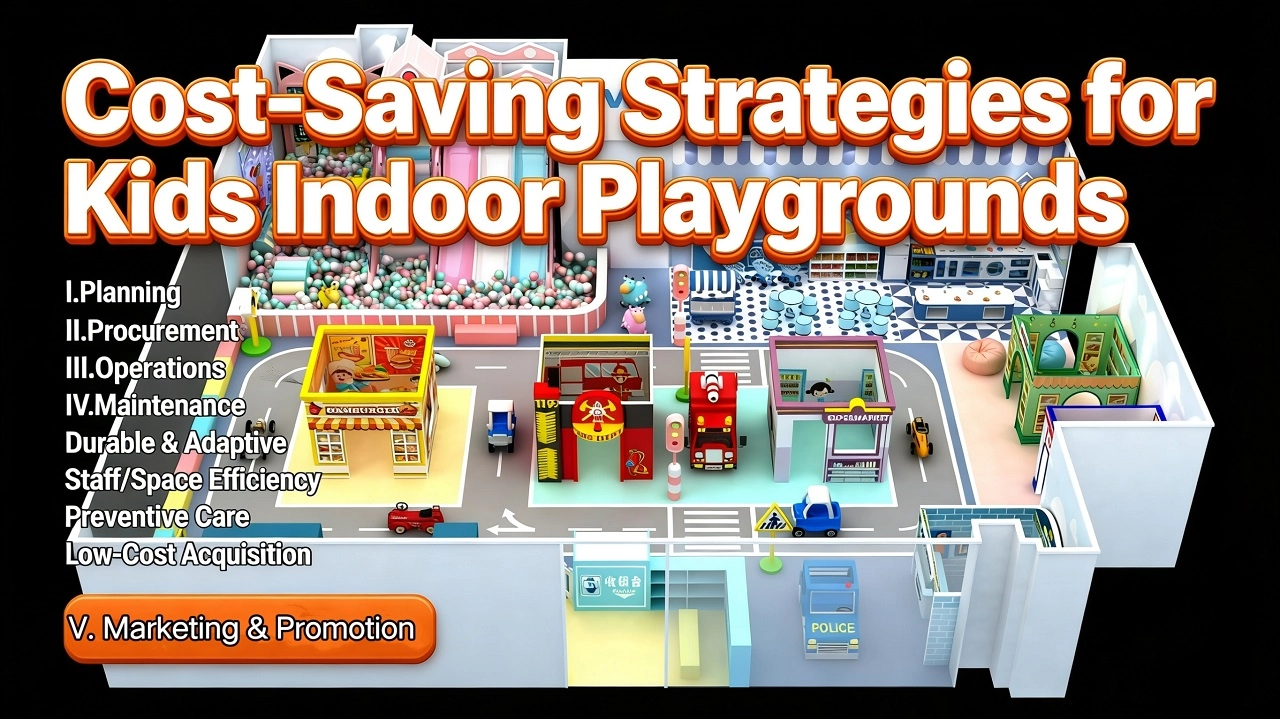
How to Reasonably Control Costs of Kids Indoor Playgrounds | Trusted Manufacture

Flourishing in Both the Middle East and Europe! What Makes Guangzhou Feifan Amusement a Leading Export Manufacturer of Indoor Playgrounds?
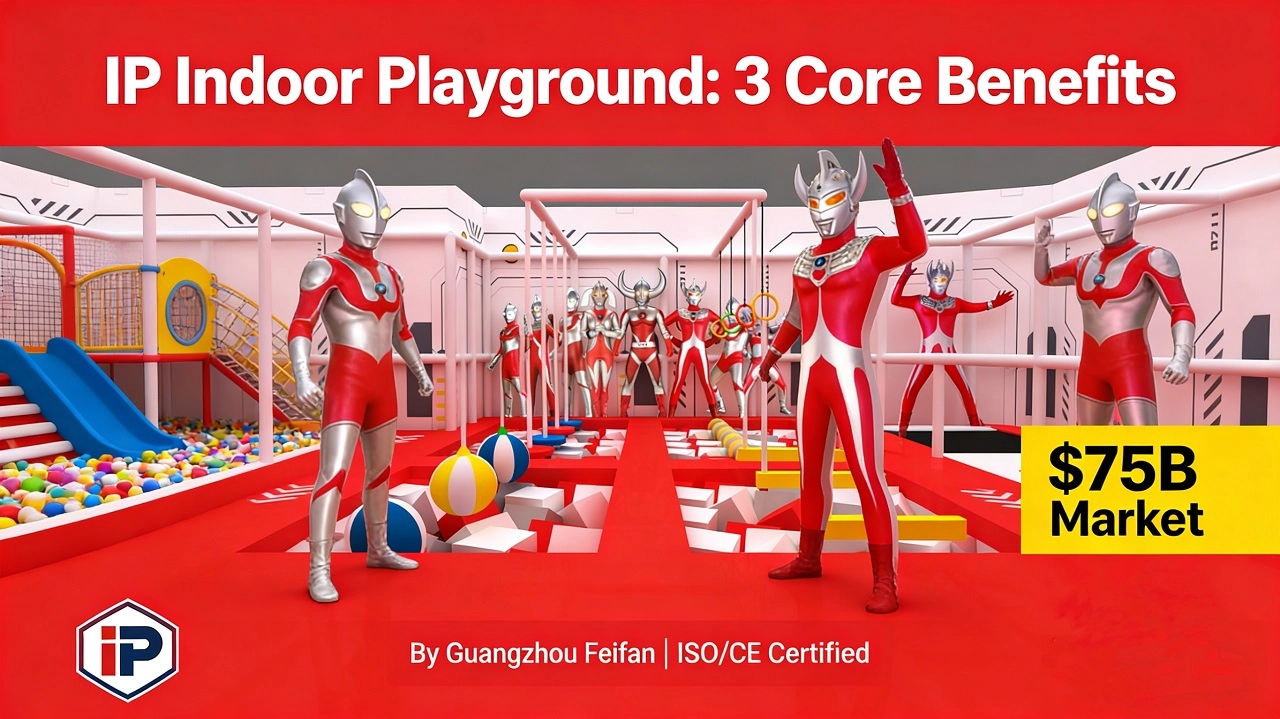
What Is an IP Indoor Playground & Its Core Benefits? | Insight by Feifan
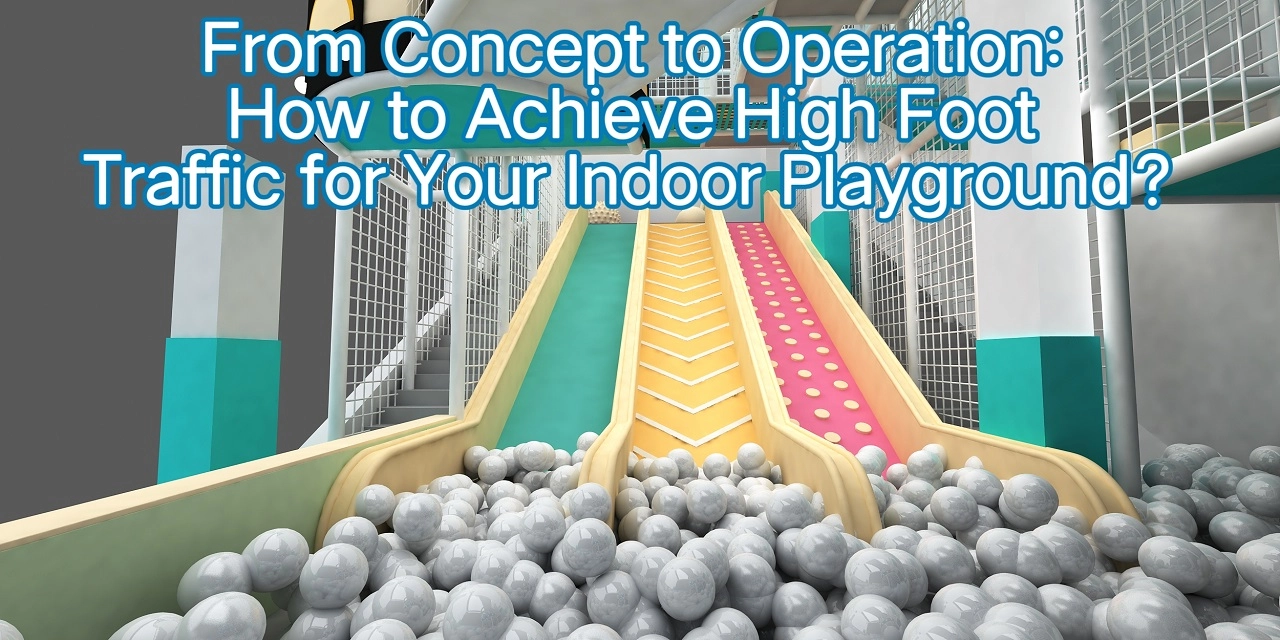
From Concept to Operation: How to Achieve High Foot Traffic for Your Indoor Playground?
OEM & ODM
What certifications do your custom products have?
Our products meet international standards such as ISO, CE, GS, and more.
Schools Educational Institutions
Do you provide maintenance after installation?
Yes, we offer long-term after-sales service, including maintenance, spare parts, and technical support.
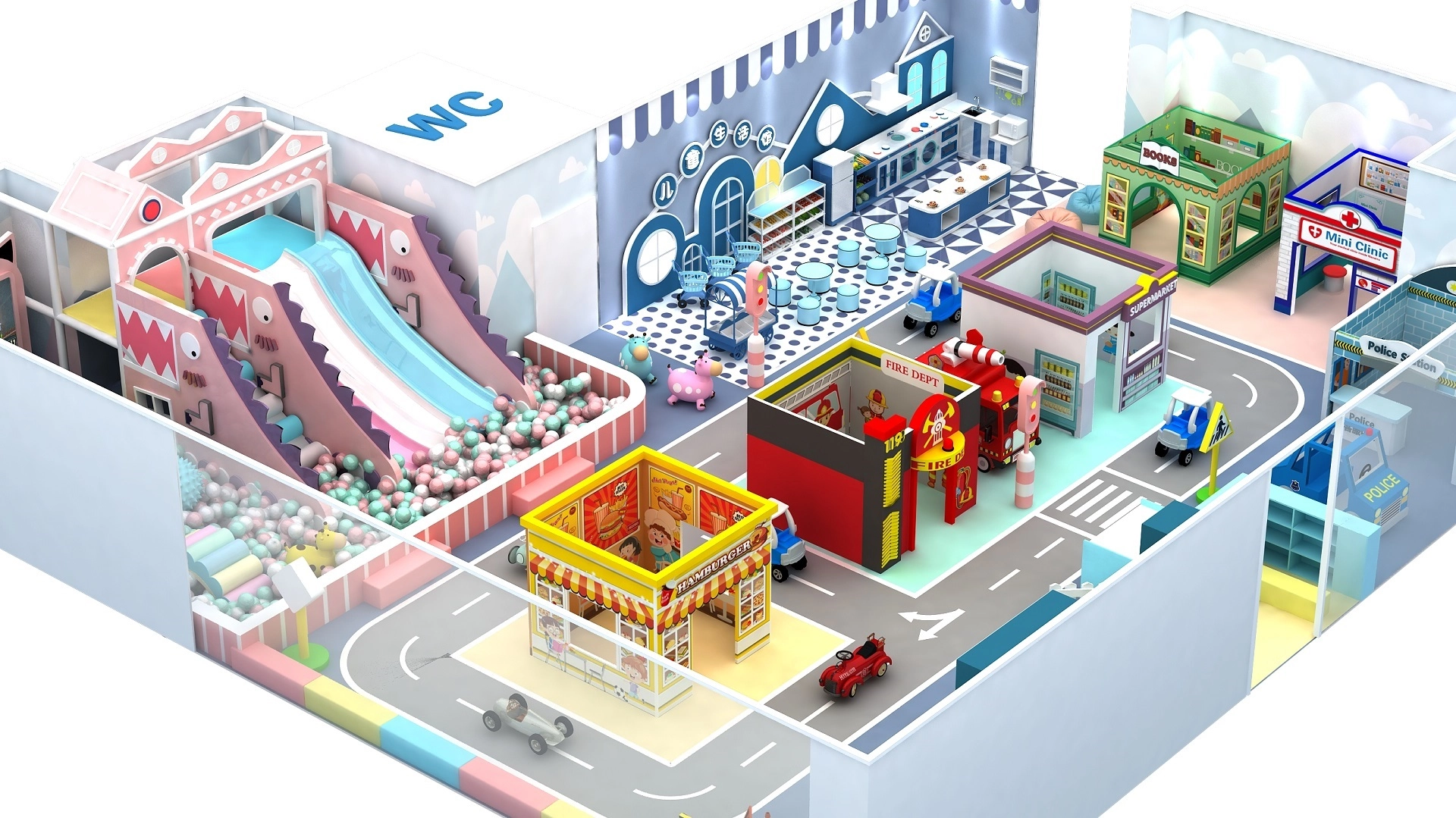
How much space is required for installation?
We provide flexible designs that fit both small courtyards and large campus grounds, fully optimized for your available area.
Indoor Playgrounds Trampoline Parks
How long does it take to complete a project?
Depending on project size, it typically takes 4–10 weeks from design to delivery and installation.
Shopping MallsRetail Centers
Can we start with a small play zone and expand later?
Absolutely. Our modular design allows you to upgrade and expand easily as your mall grows.


Send my request
Let’s Build Your Dream Indoor Playground Together
Thank you for your interest in our products and services!
We’re dedicated to providing you with the best possible support and solutions for your needs.
FEI FAN is a premier Indoor Playground Manufacturer specializing in Kids Soft Play Equipment. From design to installation, we provide one-stop solutions for indoor play centers, daycares, and commercial venues globally.
© 2025 Feifan Amusement Equipment. All Rights Reserved.
 Scan QR Code
Indoor Soft Playground
Whatsapp: +8619068970573
Scan QR Code