How to Choose the Best Indoor Playground?
Are you planning to invest in a commercial kids’ indoor playground for shopping malls, family entertainment centers (FECs), kindergartens, or community venues? Selecting a safe, high-quality indoor playground that aligns with market demands is the key to boosting foot traffic, retaining customers, and maximizing return on investment (ROI). This all-round guide covers core selection essentials, adheres to global market needs and safety standards, helping you avoid procurement pitfalls and build a competitive, profit-driven play space.
As the global parent-child consumption market booms, parents’ expectations for indoor playgrounds have evolved beyond basic fun to a holistic demand that integrates safety, age-appropriateness, educational value, and interactive experiences. For investors, balancing user experience, operational costs, and compliance requirements is pivotal. Mastering these core points will enable you to make smart procurement decisions efficiently.
1. Safety First: The Non-Negotiable Bottom Line
Safety is the cornerstone of a qualified kids’ indoor playground, directly impacting venue reputation, legal operation, and parental trust.
1. Eco-friendly & non-toxic materials: Prioritize food-grade plastics, 304 corrosion-resistant stainless steel, non-toxic flame-retardant soft padding, and low-odor shock-absorbing mats. Ensure zero formaldehyde, heavy metals, or irritating substances, complying with safety standards for long-term children’s contact.
2. Safety-oriented structural details: All sharp edges must be rounded (radius ≥ 30mm) to prevent scratches; climbing facilities need high-density protective nets to avoid falls; slides should be fitted with non-slip steps and bottom buffer zones; structural frames must be reinforced to ensure stability when multiple children play at the same time.
3. Compliance & safety performance: The entire playground must pass load-bearing, fatigue, and stability tests. All component connections must be firm and stable to avoid loosening risks during use.
2. Age-Appropriate Design: Precisely Cater to Target Kids’ Needs
A one-size-fits-all playground fails to satisfy children of different age groups. Mismatched difficulty not only ruins the play experience but also may pose safety hazards.
1. Toddler zone (2-6 years old): Prioritize low-height, fully padded play equipment such as soft play combinations, mini slide & ball pit sets, crawl tunnels, and sensory play panels. Focus on collision prevention and sensory development, with no overly challenging facilities.
2. Young children zone (5-8 years old): Opt for moderately challenging equipment including wave slides, themed playhouses, low-level rope climbing frames, and interactive game zones, balancing fun and basic physical exercise.
3. Older children zone (9-12 years old): Equip with challenging facilities like ninja obstacle courses, spiral stainless steel slides, small trampoline areas, and climbing towers to meet kids’ needs for energy release and skill training.
3. Compliance with Global Standards: Ensure Smooth Market Entry
For cross-border investors, compliance is a core pain point—ensure the playground meets local safety and environmental regulations to avoid post-procurement acceptance failures.
1. Core international standards: Must comply with ASTM F1487 (for the US market) and EN 1176 (for the EU market), the two most searched compliance keywords on Google.
2. Environmental certification requirements: Equipment materials must pass EU certifications; especially for European and American markets, they need to meet green environmental protection regulations.
3. Local supplementary norms: Confirm local fire protection, construction, and electrical safety regulations in advance to ensure full compliance during playground installation and operation.
4. Focus on Operational Value: Balance Popularity and Long-Term Profitability
A high-quality kids’ indoor playground should not only attract foot traffic but also cut operational costs and enhance long-term revenue capacity.
1. Prioritize popular high-traffic modules: Integrate trending facilities like interactive projection games (ball-smashing walls, floor interaction), themed soft play, and ninja courses. These are high-traffic check-in spots that extend parent-child stay time and boost repeat visits.
2. Prioritize durability to reduce maintenance costs: Choose wear-resistant, rust-proof, and pressure-resistant materials with a service life of 8-10 years. Stable quality minimizes downtime and maintenance costs caused by frequent repairs.
3. Optimize space utilization: For limited venues, select modular or vertical-design equipment (e.g., rope climbing towers) to maximize space efficiency; for large venues, adopt combined layouts to cover multi-age needs.
5. Choose a Reliable Supplier: Key to Hassle-Free Procurement
A professional supplier solves not only product quality issues but also provides full-process support, which is especially critical for overseas investors.
1. Prioritize factory-direct supply: Factory-direct suppliers (e.g., Guangzhou Feifan Amusement) eliminate middleman markups, offer transparent pricing with no hidden costs, and directly control material quality and production progress.
2. Evaluate one-stop service capability: Prioritize suppliers covering demand analysis, on-site/remote venue surveys, 3D custom design, cross-border logistics & customs clearance, on-site installation, and after-sales support—this saves cross-border coordination costs and improves project implementation efficiency.
3. Verify after-sales guarantee system: Ensure suppliers provide at least 1-year free warranty for non-human damage, 24/7 multilingual after-sales response, and long-term spare parts supply to address post-operation maintenance concerns.
6. Practical Additional Considerations: Enhance Overall Experience
These easily overlooked details directly impact user satisfaction and operational flexibility.
1. Reserve functional zones: While selecting play equipment, plan supporting parental rest areas, storage spaces, and charging facilities—improving parental experience effectively extends the whole family’s stay time.
2. Opt for customization support: Prioritize customizable playgrounds that allow adjustments to themes, colors, and functional modules based on venue positioning or brand elements, building differentiated competitive edges.
3. Reserve upgrade space: Design venue layouts with space for adding new interactive modules, enabling adaptation to market trends without large-scale renovations later.
Pro Tips for Smart Procurement
When selecting a kids’ indoor playground, never focus solely on the initial price—balance safety, compliance, durability, and operational value comprehensively. A high-quality playground with excellent user experience drives sustained foot traffic and positive word-of-mouth, which is the key to long-term profitability.
If you aim to select a safe, compliant, and popular kids’ indoor playground, cooperate with professional suppliers specializing in global custom solutions. They can tailor the optimal plan based on your venue and target market, helping you efficiently build a sought-after indoor play space.
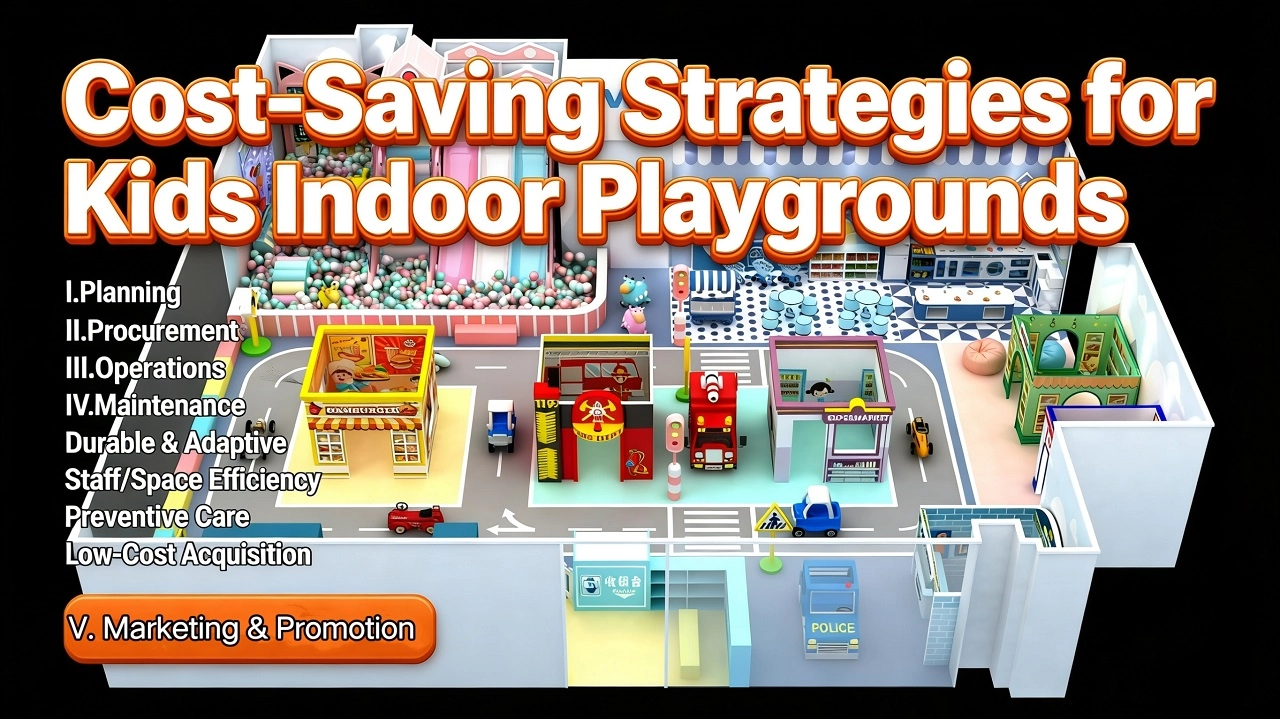
How to Reasonably Control Costs of Kids Indoor Playgrounds | Trusted Manufacture

Flourishing in Both the Middle East and Europe! What Makes Guangzhou Feifan Amusement a Leading Export Manufacturer of Indoor Playgrounds?
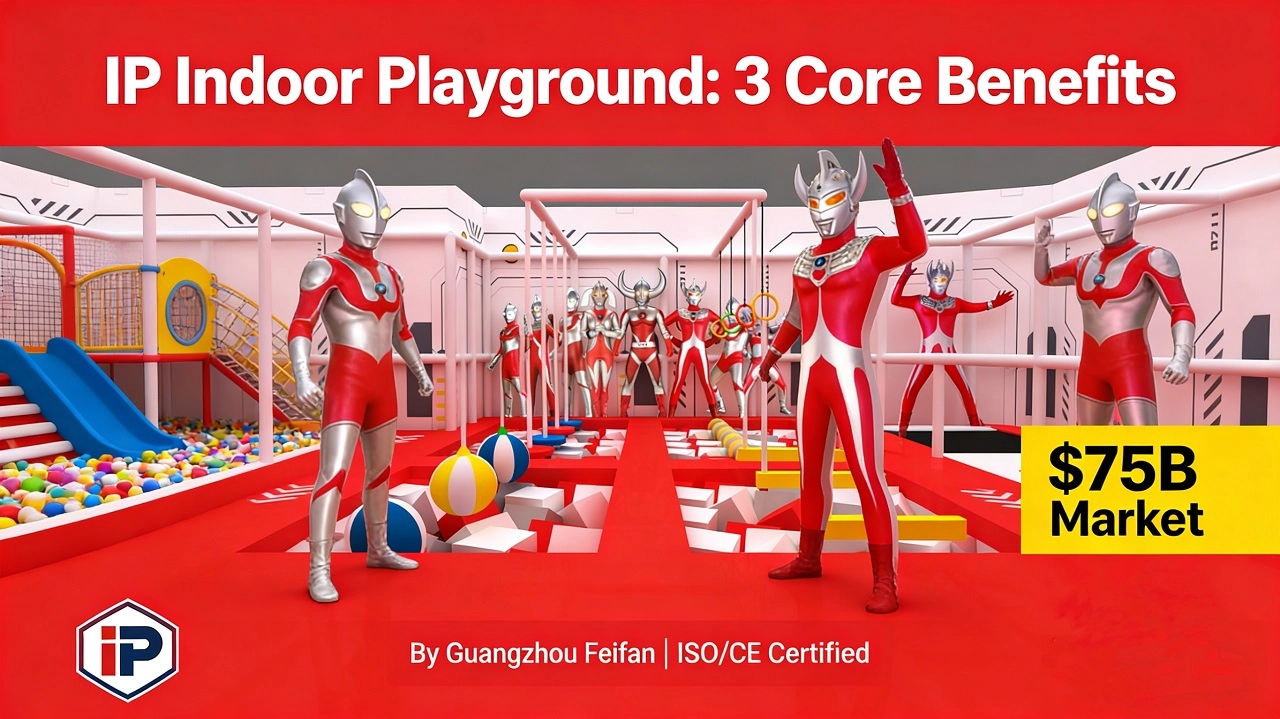
What Is an IP Indoor Playground & Its Core Benefits? | Insight by Feifan
From Concept to Operation: How to Achieve High Foot Traffic for Your Indoor Playground?
Schools Educational Institutions
Are your playgrounds safe for schoolchildren?
Yes, all our products are manufactured with international safety certifications (EN, ASTM, CE, etc.), using non-toxic and eco-friendly materials
How long does installation take?
Most school projects are completed within 3–6 weeks, depending on size and complexity.
Indoor Playgrounds Trampoline Parks
Can I upgrade or expand my playground/trampoline park in the future?
Absolutely. Our modular design allows you to expand or reconfigure easily to meet future business needs.
Shopping MallsRetail Centers
What is the typical lifespan of your equipment?
With proper maintenance, our equipment can last 8–10 years or more.
What safety standards do your products meet?
All our equipment complies with international safety certifications (EN, ASTM, CE, etc.) and uses eco-friendly, non-toxic materials.
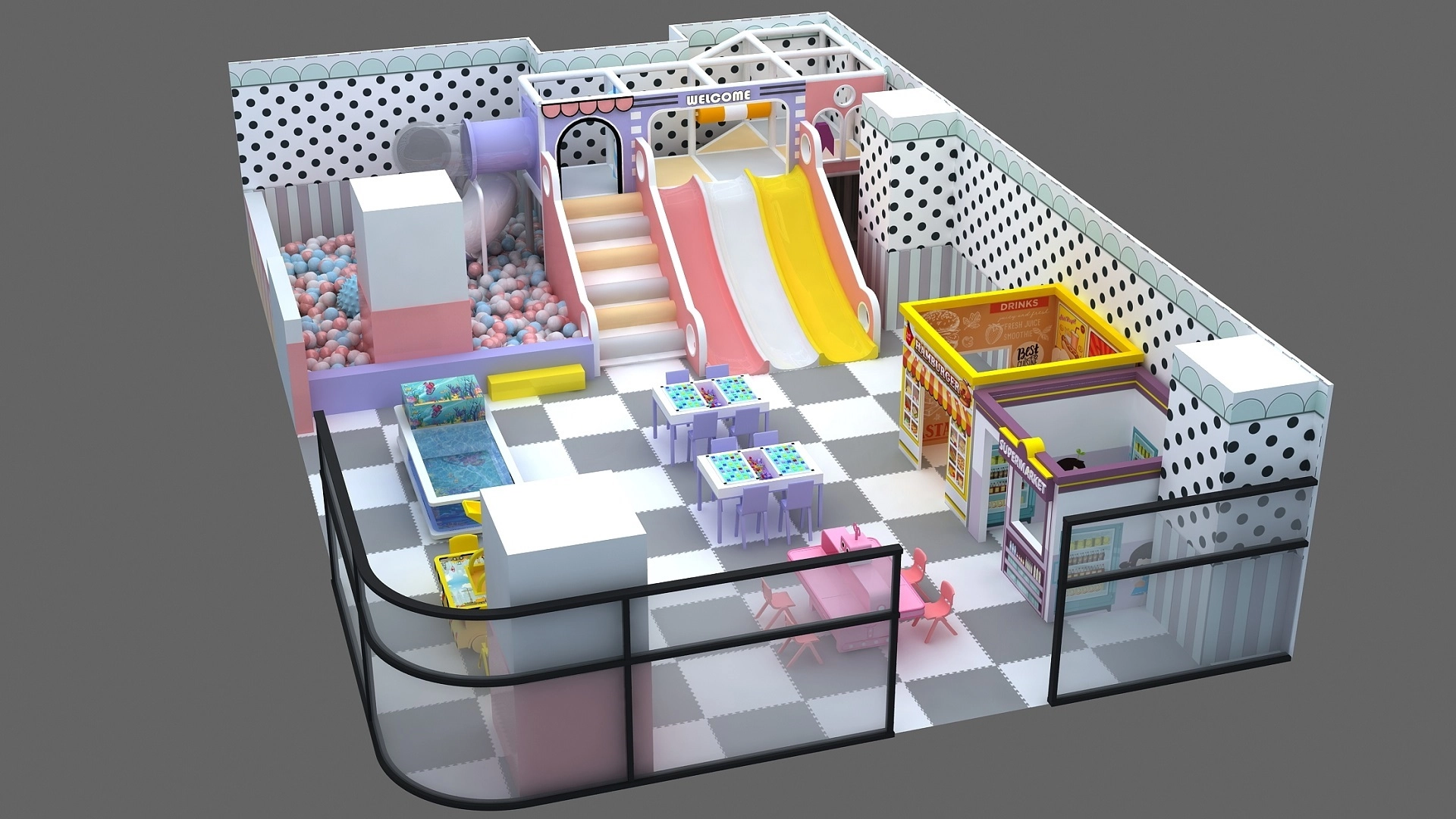
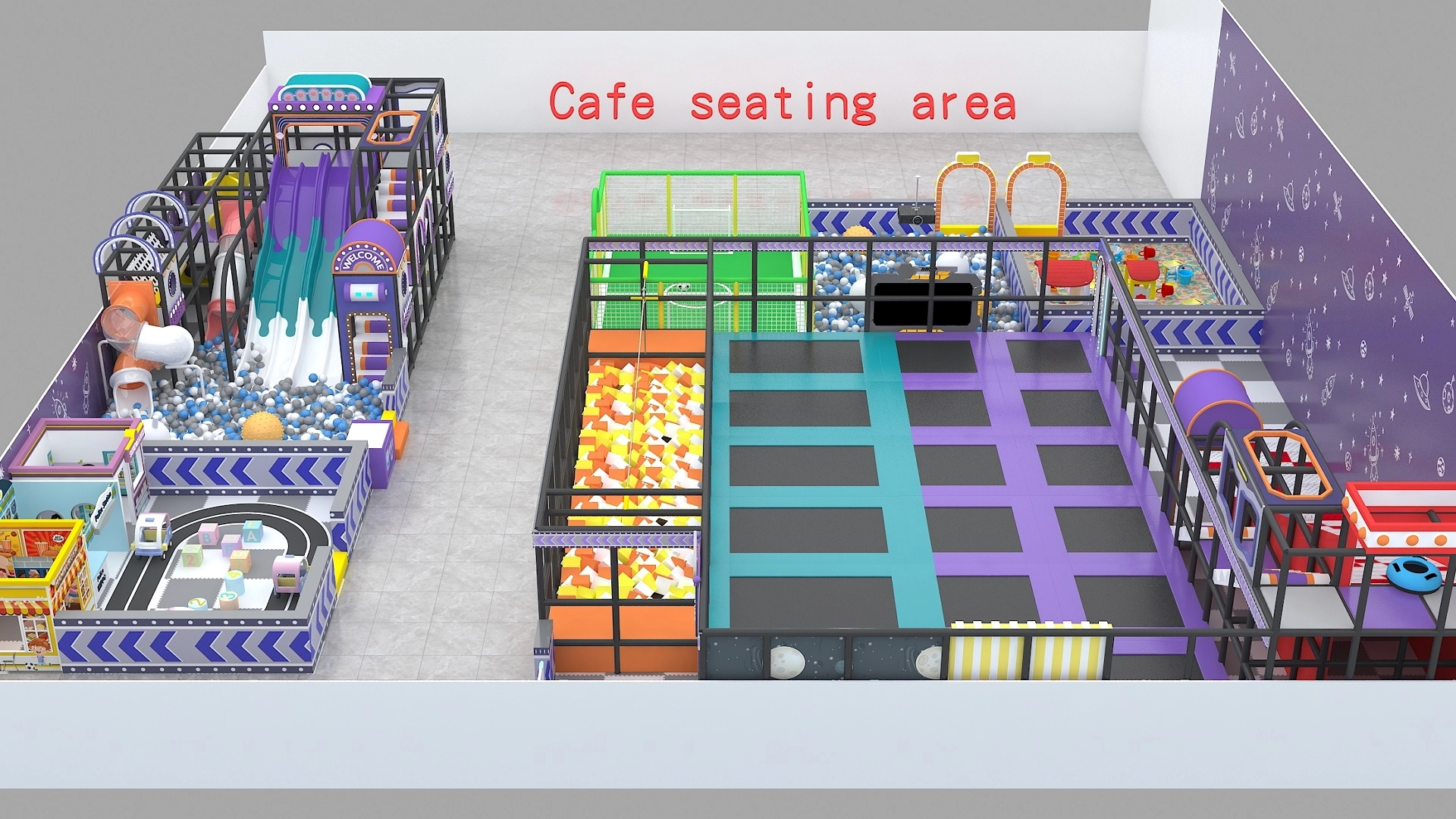
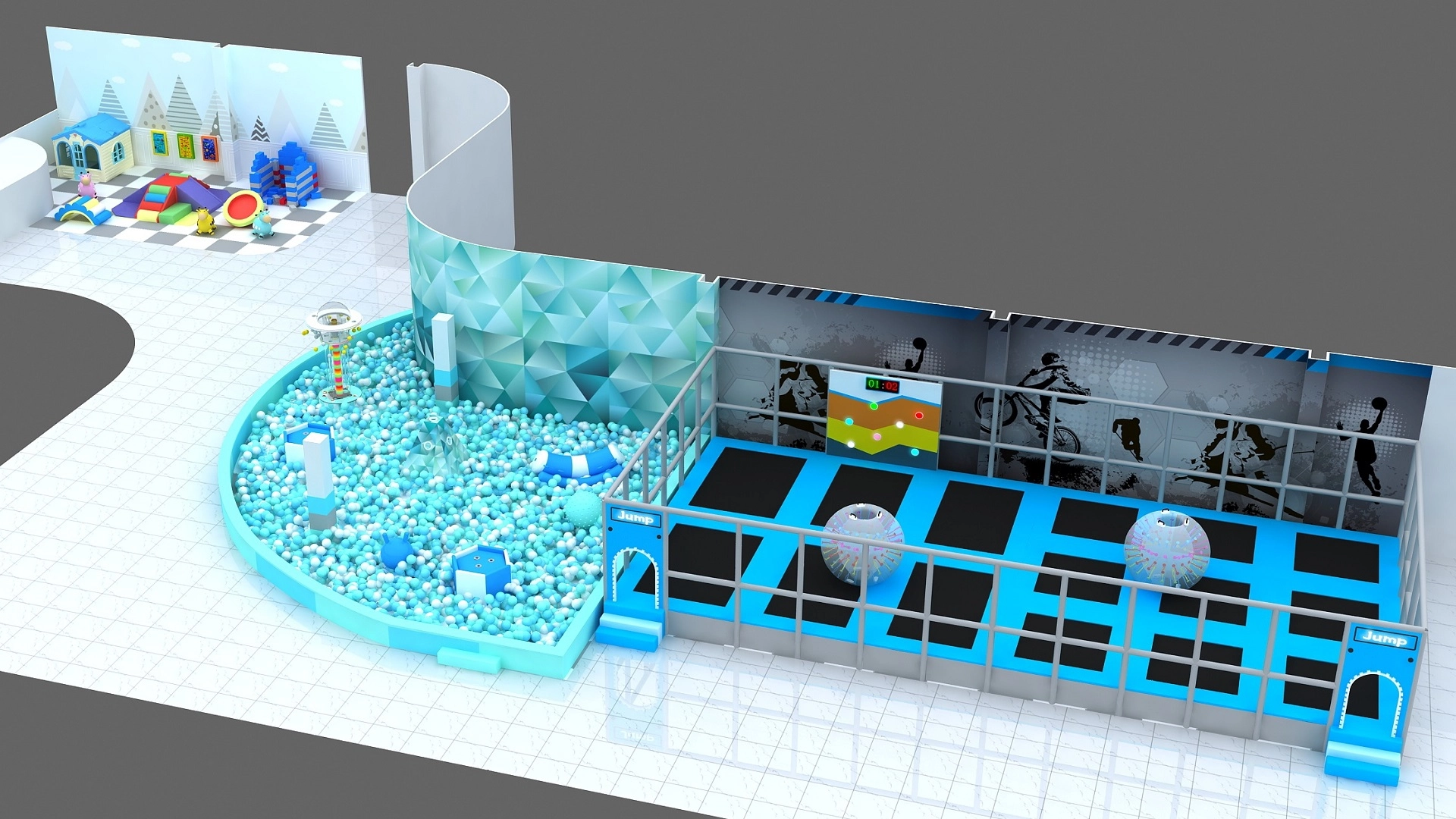
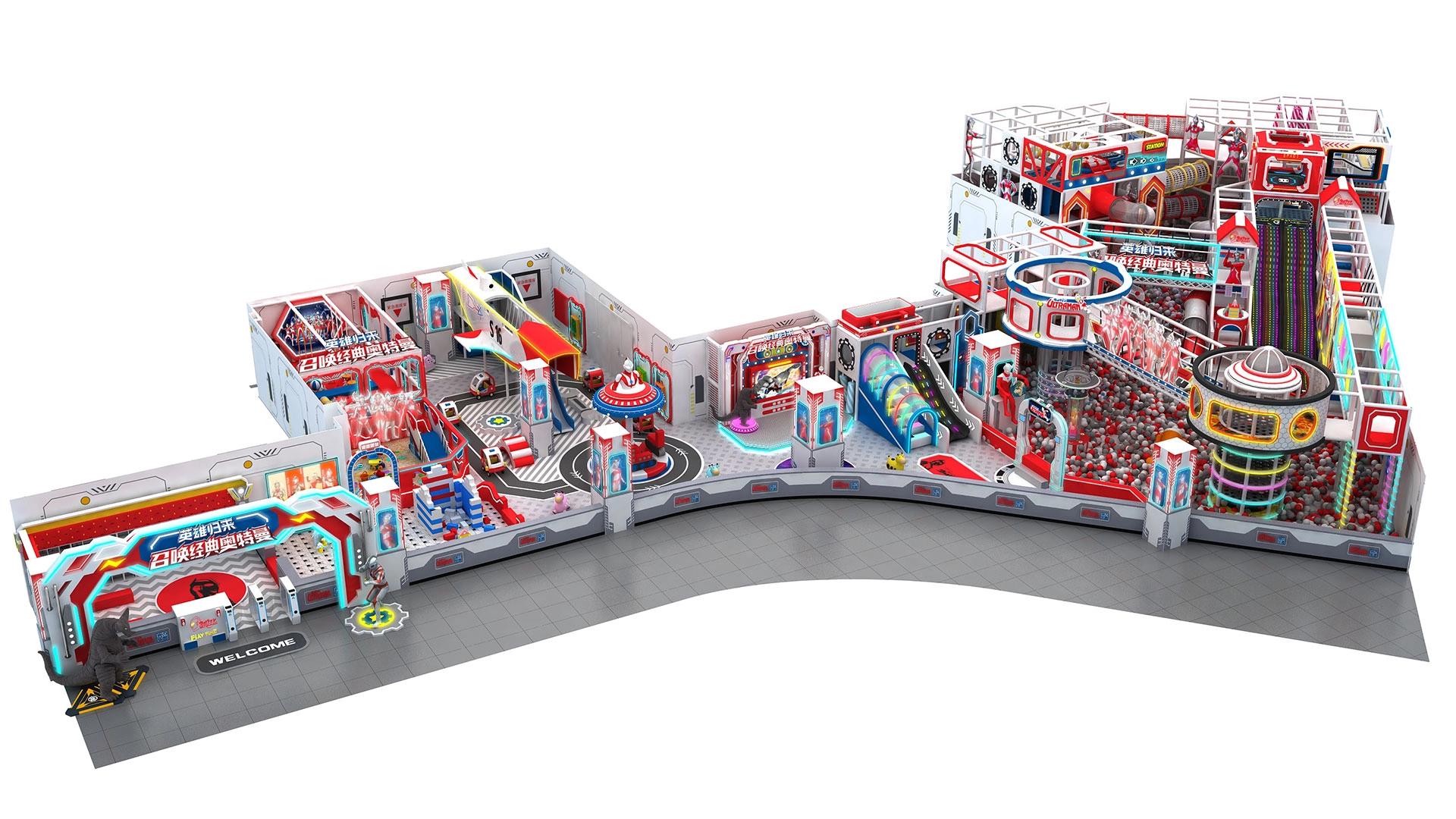
Ultraman's New Trends Theme Multifunctional Indoor Playground
The Ultraman series contains climbing nets, trampolines, slides, etc.; it can promote children’s perseverance and courage. This product was made of quality materials and designed professionally, offering enjoyment, achievement, and challenges, including physical exercise.

Send my request
Let’s Build Your Dream Indoor Playground Together
Thank you for your interest in our products and services!
We’re dedicated to providing you with the best possible support and solutions for your needs.
FEI FAN is a premier Indoor Playground Manufacturer specializing in Kids Soft Play Equipment. From design to installation, we provide one-stop solutions for indoor play centers, daycares, and commercial venues globally.
© 2025 Feifan Amusement Equipment. All Rights Reserved.
 Scan QR Code
Indoor Soft Playground
Whatsapp: +8619068970573
Scan QR Code