Modular Indoor Playground Equipment Benefits
Why Modular Play Systems Are Transforming Children's Indoor Spaces
What is modular indoor playground equipment and why it matters to operators
Modular indoor playground equipment refers to play systems built from prefabricated, standardized components that can be combined, reconfigured, expanded, or relocated with relative ease. For owners and operators of family entertainment centers, shopping mall play areas, childcare centers, and municipal recreation facilities, using modular components changes both the economics and the operational workflow associated with indoor playgrounds. When selecting indoor playground equipment, decision-makers should weigh modularity against price, safety, flexibility, and lifecycle costs.
Business advantages: faster time-to-market and improved ROI with indoor playground equipment
Commercial operators prioritize return on investment and minimizing downtime. Modular indoor playground systems shorten lead time from design to opening because many components are manufactured in parallel and arrive ready for quick assembly. This reduces labor hours and project management complexity compared with fully site-built structures.
Benefits include:
- Shorter installation timelines — modular kits often reduce installation time by 20–50% compared with bespoke, site-built solutions.
- Lower initial project management costs — fewer on-site trades and less site coordination.
- Easier phased investment — owners can open with a core footprint and add modules as revenue grows.
These features translate into faster payback periods for indoor playground equipment projects, especially for small-to-medium operators looking to scale with limited capital.
Design flexibility: adapting indoor playground equipment to evolving needs
One of the strongest selling points for modular systems is design flexibility. Modular components allow you to:
- Customize theme, color, and layout to match branding or seasonal campaigns.
- Reconfigure play flow to optimize traffic patterns, improve supervision sightlines, or introduce new play zones (sensory, toddler, climbing, trampoline).
- Scale up or down depending on demand without a full replacement.
For facility planners and designers, modularity reduces the risk of being stuck with an inflexible installation and supports ongoing programming that keeps families returning.
Safety and compliance: meeting standards with reliable indoor playground equipment
Safety is non‑negotiable in indoor playground equipment selection. Modular manufacturers that design to recognized standards and provide third-party testing simplify compliance for operators. Important references include national and international standards and guidance documents such as the U.S. Consumer Product Safety Commission playground materials and ASTM standards for play equipment. Using modular components that are pre-tested reduces variability in build quality, eliminates many on-site fabrication risks, and helps maintain consistent safety features across installations.
Standards and certification to verify
- U.S. Consumer Product Safety Commission (CPSC) — Playground Safety resources and guidance.
- ASTM International standards relevant to playground equipment (e.g., ASTM F1487).
- Industry certifications such as third-party testing and IPEMA membership for surfacing compatibility.
Operational efficiency: reduced maintenance and lifecycle costs of modular systems
Well-designed modular indoor playground equipment minimizes long-term operating costs. Standardized components simplify sourcing of replacement parts and make routine inspections and repairs quicker. Key operational advantages include:
- Interchangeable parts — lowers spare-part inventory costs.
- Predictable maintenance intervals — components can be swapped rather than rebuilt in situ.
- Cleaner, safer surfaces — many modular systems use closed-cell padding and durable panels that resist wear and are easy to sanitize, an important consideration in post‑pandemic environments.
Accessibility and inclusivity: designing indoor playground equipment for all children
Modern modular indoor playground equipment is compatible with inclusive design principles. Because modules can be arranged deliberately, operators can create separate sensory-friendly zones, wheelchair-accessible ramps, tactile play panels, and quiet areas that support neurodiverse visitors. When evaluating equipment, look for components that comply with local accessibility guidelines and consider modular layouts that provide multiple access points and graduated challenge levels for varied age and ability ranges.
Safety, materials, and hygiene: what to check in modular indoor playground equipment
Operators should evaluate materials, surface finishes, ventilation needs, and cleaning protocols. Key checks include:
- Material certifications: low-VOC coatings and flame-retardant foam tested to recognized standards.
- Surface porosity and cleanability: non-absorbent, antimicrobial finishes where possible.
- Mechanical safety: rounded edges, pinch-point prevention, secure fasteners with tamper-resistant designs.
Comparing modular vs traditional bespoke indoor playground equipment
Below is a practical comparison highlighting the typical differences operators experience. Values are generalized to reflect industry norms; actual numbers vary by project size and region.
| Criteria | Modular Indoor Playground Equipment | Traditional/Bespoke Playground Systems |
|---|---|---|
| Installation time | Short (20–50% faster) | Long (site-built work, longer lead time) |
| Customization | High (reconfigurable & scalable) | High (tailored, but harder to change later) |
| Initial cost | Variable; often lower for standard modules | Often higher due to bespoke fabrication |
| Maintenance | Lower long-term costs (interchangeable parts) | Potentially higher (custom parts, on-site repairs) |
| Safety consistency | High (factory-controlled testing) | Variable (depends on on-site workmanship) |
| Scalability | Excellent (add modules) | Poor to Moderate (requires redesign) |
How modular indoor playground equipment supports diverse revenue models
Operators can monetize modular systems in multiple ways: admission fees, birthday packages, special classes (movement, gymnastics, parent-child workshops), sponsorships, and seasonal attractions. Because modules are portable and reconfigurable, operators can run short-term promotional setups or pop-up events in malls and exhibitions with lower setup risk. Modular systems also enable programmatic changes — for example, swapping in a themed module for a holiday promotion — which helps sustain return visits.
Case example (anonymous, typical)
A mid-sized family entertainment center replaced an aging bespoke play structure with modular indoor playground equipment and reported faster opening of new zones after seasonal redesigns and a 15–25% increase in repeat visits over 12 months due to varied programming. (Operator results will vary.)
Selecting a supplier: technical, commercial, and service criteria for indoor playground equipment
Choosing the right manufacturer or integrator for modular indoor playground equipment requires assessing several factors:
- Design capability — do they offer 3D drawings, sightline analysis, and ADA-compliant layouts?
- Manufacturing footprint — factory capacity and quality control routines.
- Installation services — do they provide local-certified installers or training for in-house teams?
- After-sales support — availability of spare parts, maintenance contracts, and warranty terms.
- Compliance documentation — test reports and certifications related to safety, materials, and flammability.
Request references and photos from recent projects, and if possible, visit a completed installation.
Why choose Guangzhou Feifan (FEI FAN) for modular indoor playground equipment and turnkey solutions
Guangzhou Feifan Amusement Equipment Co., Ltd. was established in 2017. We are a comprehensive indoor playground equipment manufacturer that integrates design, research and development, production, sales, and service. Our modern facilities include a 6400 m2 factory building and a 5800 m2 office building. The company's main products include indoor playgrounds, trampoline park equipment, and outdoor amusement equipment. Feifan focuses on creating high-end children’s amusement equipment and enjoys a strong domestic and international reputation.
FEI FAN advantages and differentiators:
- One-stop service: from professional design to high-quality manufacturing and delivery, minimizing coordination time and ensuring consistent quality across projects.
- Customization expertise: modular solutions that can be themed, scaled, and reconfigured to match client objectives, whether for indoor playgrounds, trampoline parks, or Indoor Theme Parks.
- Manufacturing capacity: substantial on-site production space and an experienced R&D team to accelerate lead times and support innovation.
- Global outlook: experience exporting and installing equipment internationally with attention to local regulations and safety standards.
FEI FAN positions itself not just as a manufacturer but as a creator of joyful experiences, enabler of parent-child interaction, and a partner in child development. Their modular approach is designed to help clients reduce installation risk, lower lifecycle costs, and deliver engaging play environments.
Technical considerations when procuring modular indoor playground equipment
When evaluating technical specifications, request the following from potential suppliers:
- Detailed drawings and load calculations for multi-level play structures.
- Bill of materials specifying foam densities, fabrics, coating types, and fastener grades.
- Fire performance data and VOC emissions testing where applicable.
- Maintenance manuals and recommended spare-part lists.
These documents help facility managers budget for ongoing costs and demonstrate due diligence for insurance and compliance purposes.
Practical tips for long-term success with modular indoor playground equipment
- Schedule regular quarterly inspections and faster checks after heavy use or incidents.
- Keep an inventory of high-use spare parts — fasteners, foam panels, and slides — to minimize downtime.
- Train staff on daily safety checks and quick cleaning protocols to maintain hygiene standards.
- Plan programming calendars that rotate modular elements to encourage repeat visits without large capital spending.
Frequently Asked Questions (FAQ)
1. How much does modular indoor playground equipment cost?
Costs vary widely depending on size, complexity, finishes, and included features (trampolines, ball pits, soft-climb areas). Small modular setups can start from modest budgets for basic kits, while large commercial installations run higher. Request itemized quotes and compare lifetime costs including maintenance, cleaning, and parts replacement.
2. Are modular playgrounds safe for toddlers and young children?
Yes — when designed appropriately. Look for age-segmented modules that provide graduated challenge levels, low fall heights, soft surfacing, and clear sightlines for supervision. Verify compliance with applicable safety standards and request third-party test reports.
3. Can modular indoor playgrounds be relocated or expanded later?
One of the core benefits of modular systems is relocatability and scalability. Modules are designed for disassembly and reconfiguration, which supports expansion, relocation, or seasonal changes without full replacement.
4. How do I choose between modular and bespoke playground equipment?
Choose modular systems if you need faster installation, easier maintenance, and future flexibility. Choose bespoke solutions when you need a unique architectural statement or an integrated building-level design that modular components cannot achieve without significant custom work.
5. What maintenance is required for modular indoor playground equipment?
Regular visual inspections, cleaning of upholstery and surfaces, tightening of fasteners, and periodic checks of structural connections. Follow the supplier’s maintenance manual and schedule third-party inspections if required by local regulations.
6. How can I ensure my indoor playground equipment complies with local regulations?
Work with suppliers who produce compliance documentation and test reports. Consult local building and fire codes, and coordinate with local safety inspectors before opening. Use third-party certified surfacing and request data for material fire ratings and VOC content.
Contact and next steps — consult, design, view products
If you are planning a new indoor playground, retrofit, or expansion, contact Guangzhou Feifan Amusement Equipment Co., Ltd. to discuss turnkey modular solutions tailored to your project goals. FEI FAN combines professional design, high-quality manufacturing, and customizable services to deliver efficient, one-stop indoor playground solutions worldwide. We welcome collaboration to create safe, imaginative, and joyful play spaces for children.
Request a consultation, project quote, or product catalog to evaluate modular indoor playground equipment options and learn how modular solutions can reduce downtime, improve safety, and increase repeat visitation.
References
- U.S. Consumer Product Safety Commission (CPSC): Playground Safety — Safety tips and guidance. https://www.cpsc.gov/Safety-Education/Safety-Education-Centers/Playgrounds (accessed 2025-06-01)
- ASTM International: Standard Consumer Safety Performance Specification for Playground Equipment for Public Use (ASTM F1487). https://www.astm.org/Standards/F1487.htm (accessed 2025-06-01)
- Grand View Research: Indoor Playgrounds Market Analysis — market size and trends overview. https://www.grandviewresearch.com/industry-analysis/indoor-playgrounds-market (accessed 2025-06-01)
- International Play Equipment Manufacturers Association (IPEMA): Certification and standards resources. https://www.ipema.org/ (accessed 2025-06-01)
Licensing and Regulations for Indoor Playgrounds
Marketing Strategies to Promote Your Indoor Playground Locally
Commercial vs Residential Indoor Playground Equipment
Maximizing ROI with Commercial Playground Equipment
Indoor Playgrounds Trampoline Parks
Can I upgrade or expand my playground/trampoline park in the future?
Absolutely. Our modular design allows you to expand or reconfigure easily to meet future business needs.
Do you provide international installation and after-sales support?
Yes, we offer on-site installation guidance, professional teams in many regions, and long-term after-sales services worldwide.
For Company
What are the advantages of Feifan Amusement Equipment Co., Ltd. in the industry?
We have over 12000 square meters factory and office building,and we can provide customized service,like customize the size, shape, and design to match your brand’s needs,and our products are all in high quality with good price.
For Customization
How long is the the production time of customized themes?
It depends on the size and design of the projects , it takes about 15-45 days.
Schools Educational Institutions
Can equipment be used for both play and sports training?
Yes, we design multi-functional equipment that combines entertainment with physical exercise, suitable for PE classes and free play.
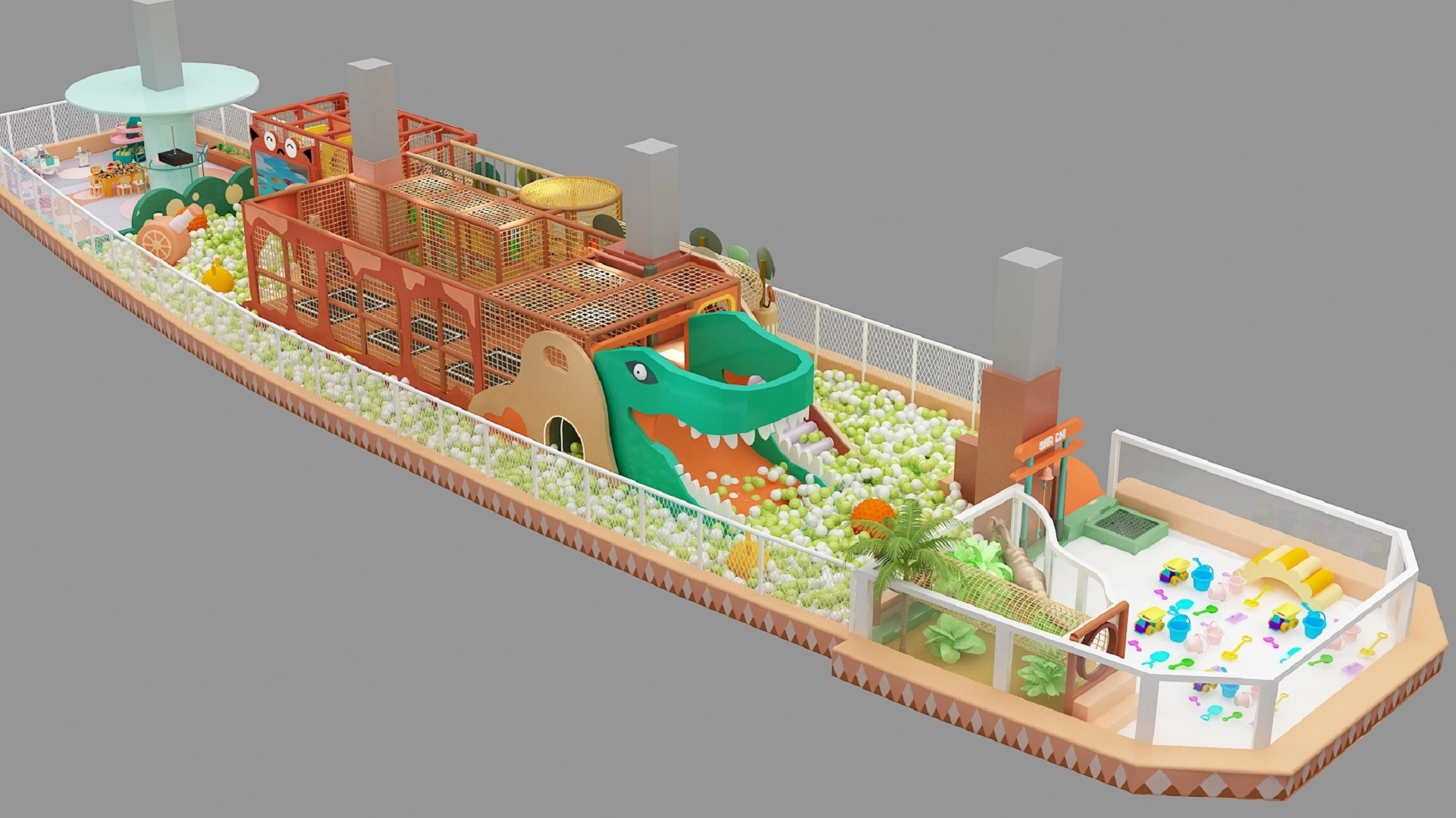
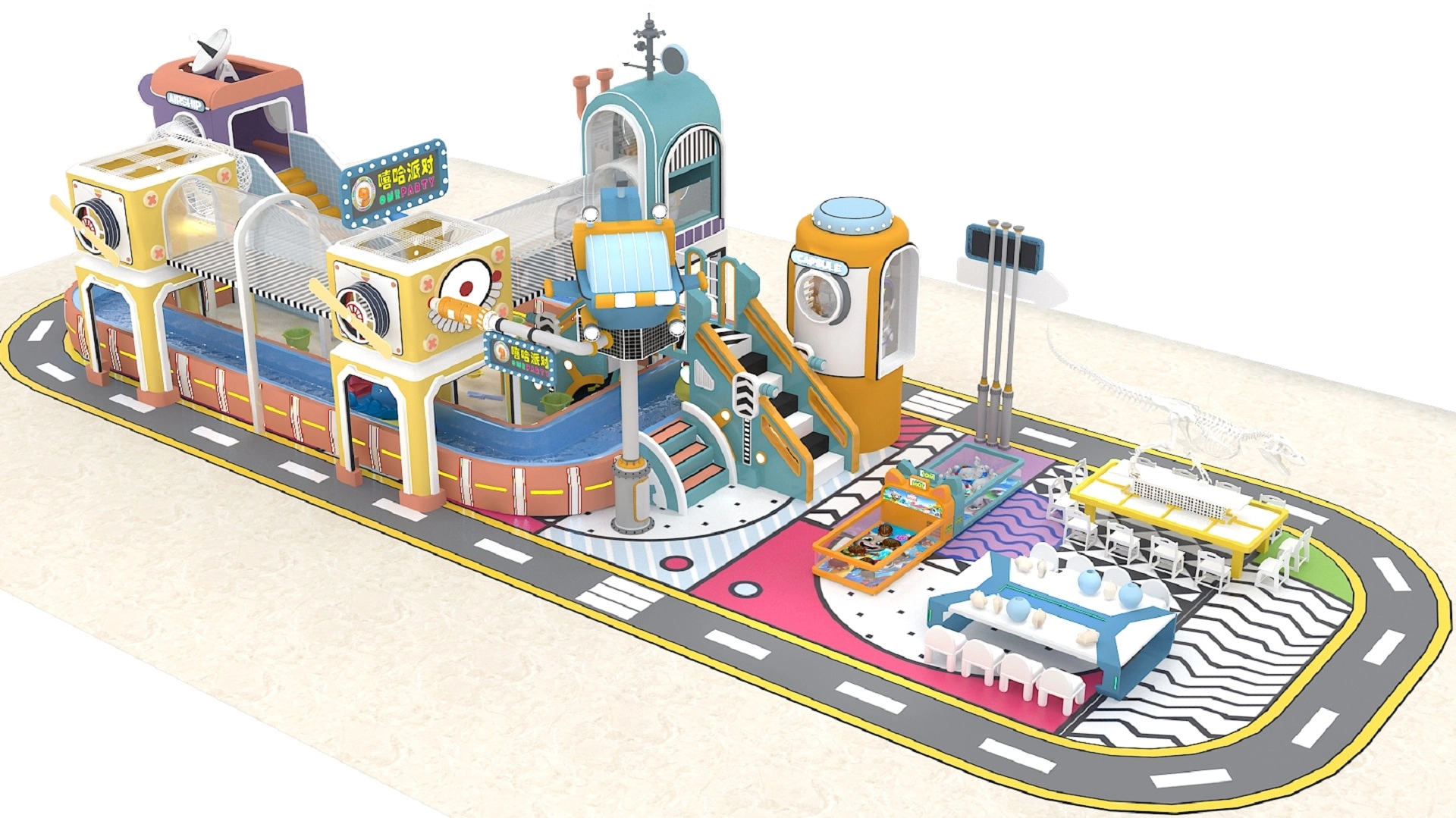
FEI FAN’s Dinosaur Theme Indoor Playground Equipment offers a safe, fun Kids Amusement Park experience with colorful Children Soft Playground features. Ideal for indoor play areas, it encourages active, imaginative play while ensuring comfort and safety. Perfect for all ages.
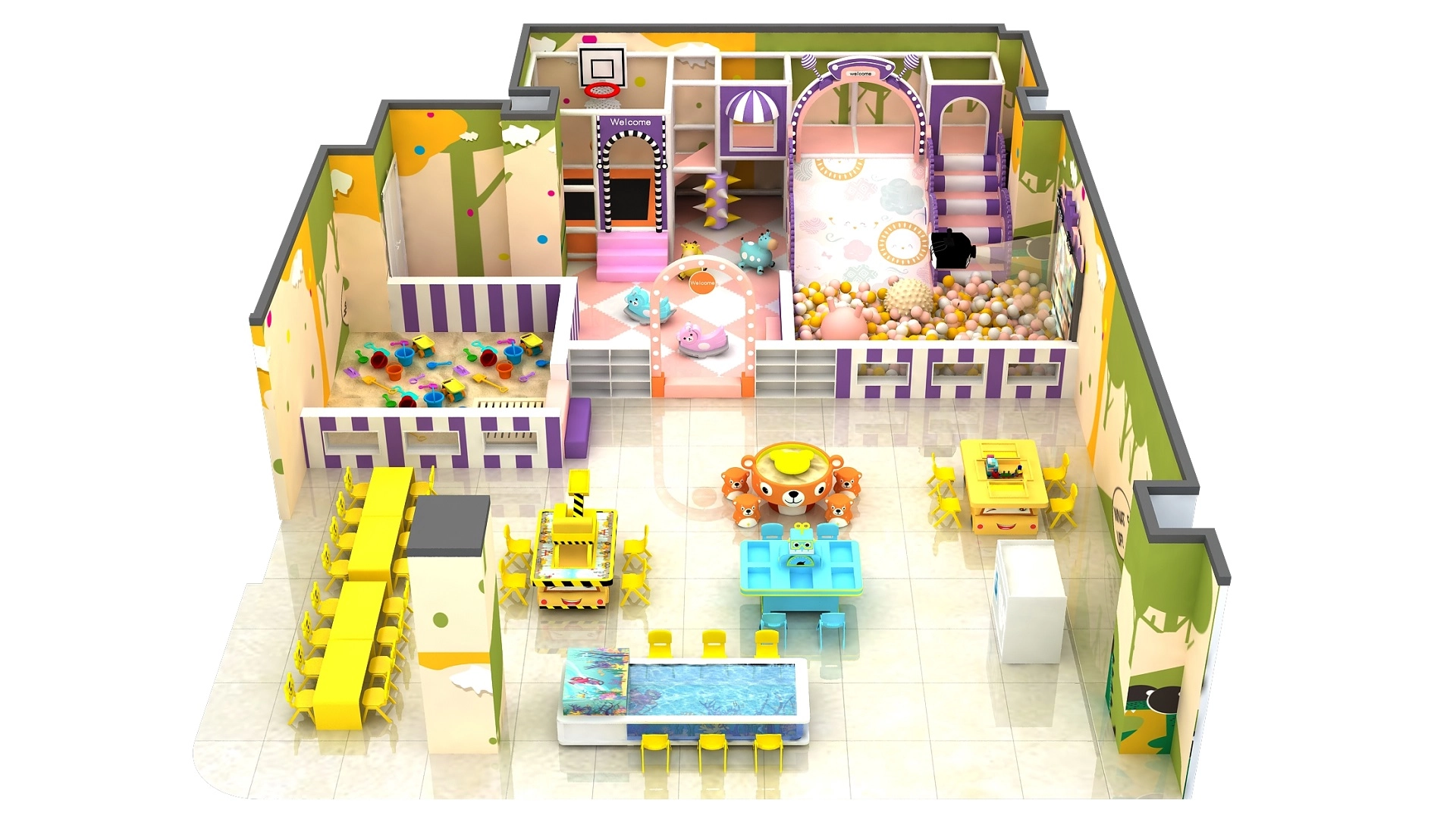
FEI FAN offers customized kids indoor playground equipment designed for commercial spaces. Our safe, durable indoor playground equipment creates fun, engaging environments that promote active play and development. Perfect for businesses seeking quality kids indoor playground solutions.

Get in touch
Let’s Build Your Dream Indoor Playground Together
Thank you for your interest in our products and services!
We’re dedicated to providing you with the best possible support and solutions for your needs.
FEI FAN is a premier Indoor Playground Manufacturer specializing in Kids Soft Play Equipment. From design to installation, we provide one-stop solutions for indoor play centers, daycares, and commercial venues globally.
© 2025 Feifan Amusement Equipment. All Rights Reserved.
 Scan QR Code
Indoor Soft Playground
Whatsapp: +8619068970573
Scan QR Code