Safety Standards for Indoor Playground Equipment
Designing Safe Play Spaces: What Owners and Operators Must Prioritize
Why safety standards matter for indoor playground equipment
Indoor playground equipment creates fun, developmental experiences for children — but it also concentrates risk in a confined environment. Safety standards exist to translate decades of injury surveillance, engineering research, and field experience into practical requirements for design, materials, surfacing, spacing, and maintenance. Implementing these standards reduces the incidence and severity of injuries, limits operator liability, and improves parental confidence — all of which contribute to long-term commercial success.
Primary international standards and regulatory guidance for indoor playground equipment
For manufacturers, operators, and facility designers, familiarity with the following documents and systems is essential. Each authority addresses overlapping but distinct aspects of safety, from structural design to surfacing and operational policies.
| Authority / Standard | Scope | Primary focus | Applicability |
|---|---|---|---|
| CPSC (U.S. Consumer Product Safety Commission) | Guidance & handbook for public playground safety | Hazard identification, surfacing recommendations, supervision guidance | Operators in the U.S.; widely used as best-practice reference |
| ASTM (American Society for Testing and Materials) — F1487 and related | Performance specifications for public playground equipment | Mechanical safety, entrapment, structural strength, performance testing | Manufacturers, testing labs, purchasers seeking certification |
| EN 1176 (European Standard) | Playground equipment and surfacing requirements | Design criteria, surfacing, installation, and maintenance | European market; often referenced internationally |
| ISO 9001 (Quality management) | Quality management systems for manufacturers | Process control, traceability, continuous improvement | Manufacturers focused on consistent product quality |
Sources: CPSC, ASTM, EN 1176 public descriptions (see References).
How these standards translate into practical design requirements for indoor playground equipment
Standards influence specific design decisions. Below are the core areas operators and specifiers must control:
- Age-appropriate zoning: Equipment should be clearly divided by age group (e.g., 0–2, 2–5, 5–12) with physical separation to prevent size-and-skill mismatches that cause collisions and falls.
- Fall-height and surfacing design: For any potential fall height, the impact-attenuating surfacing must meet energy-absorption criteria (tested to ASTM or EN impact attenuation). Surfacing type (poured-in-place foam, rubber tiles, engineered wood fiber for outdoor) is chosen based on indoor constraints and hygiene considerations.
- Entrapment and entanglement prevention: Openings, protrusions, and gaps must be sized to avoid head entrapment and must not include cords or fasteners that can entangle children.
- Structural integrity: Components must be designed to withstand expected loads, dynamic impacts, and frequent use. Critical connections are anchored and guarded.
- Soft play equipment standards: For padded, modular indoor structures, flame retardancy, foam density, and cover abrasion-resistance tests are typically required by regional codes.
Example: Surfacing requirements and testing
Tests such as head injury criteria (HIC) and critical fall height assessments are used to match surfacing systems to equipment fall heights. Manufacturers supply tested pairings: if a slide exit is 1.5 m above ground, the surfacing must demonstrate protection at that fall height under the applicable test protocol.
Materials, hygiene, and fire safety considerations unique to indoor playgrounds
Indoor playground equipment must balance impact-attenuation with fire safety and hygiene — constraints less critical for outdoor play areas. Considerations include:
- Foam and padding: Use materials with stable compression set and certified flammability performance (comply with regional fire codes such as NFPA or local equivalents).
- Vinyl coverings and seams: Choose abrasion- and antimicrobial-treated coatings to withstand cleaning protocols and reduce pathogen transmission.
- Ventilation and off-gassing: Low-VOC materials reduce indoor air quality risks. Manufacturers should provide Material Safety Data Sheets (MSDS) and VOC test results.
- Non-toxic finishes: Avoid phthalates and heavy metals; request third-party test reports to validate compliance with toy and consumer-product chemical regulations.
Inspection, maintenance, and operational best practices for reducing risk
Standards prescribe ongoing inspection and maintenance regimes to ensure equipment safety over time. A structured program should include:
- Daily visual checks: Look for obvious hazards: loose fasteners, tears on padding, fluid spills, and foreign objects.
- Weekly functional checks: Test gates, enclosure netting, and moving parts for wear; check surfacing for compression and dislodgement.
- Quarterly or semi-annual technical inspections: Certified personnel should assess structural connections, anchoring, and compliance with original design specifications.
- Record keeping: Maintain logs of inspections, repairs, and incidents. These records are essential for risk management and insurance compliance.
Sample maintenance checklist (high-level)
- Inspect padding seams and replace if cover integrity compromised.
- Verify surfacing thickness and compression levels at high-traffic zones.
- Torque-test bolts and examine welds for fatigue.
- Confirm signage (age limits, supervision instructions) is visible and legible.
- Sanitize high-touch surfaces daily using manufacturer-approved agents.
Testing, certification, and third-party verification
Manufacturers commonly provide test reports demonstrating conformance to ASTM, EN 1176, or customer-specified criteria. Operators should request:
- Structural test reports and component load ratings.
- Impact attenuation and HIC test certificates for surfacing systems and fall zones.
- Flammability and VOC test results for soft-play materials.
- Quality management evidence (e.g., ISO 9001) to confirm consistent manufacturing practices.
Third-party testing laboratories (ISO/IEC 17025 accredited) provide stronger assurance than in-house testing. Certification is not always mandatory, but documented, accredited testing reduces liability and improves marketability.
Estimating risk and using injury data to guide design decisions
Understanding injury patterns helps prioritize mitigations. Public health surveillance indicates that falls, collisions, and entrapments are the dominant mechanisms for playground injuries. For example, U.S. health agencies report that hundreds of thousands of children are treated annually for playground-related injuries; falls from equipment onto inadequate surfacing remain a leading cause.
Operators should analyze local incident data (internal logs or insurer-provided reports) to identify hotspots: congested transitional zones, slide exits, and inadequate surfacing often recur as problem areas.
Comparing standards — quick reference
| Area | CPSC Guidance | ASTM | EN 1176 |
|---|---|---|---|
| Design focus | Hazard recognition & supervision | Performance & mechanical safety tests | Comprehensive design, installation, maintenance |
| Surfacing | Recommended protective surfacing depths | Impact attenuation testing | Impact attenuation + installation guidance |
| Applicability | U.S.-focused best practices | Industry-standard test specs (widely adopted) | Mandatory in many EU countries |
Procurement checklist: choosing compliant indoor playground equipment
When procuring indoor playground equipment, follow a documented procurement process:
- Request design drawings with clear age-zoning and fall-height annotations.
- Ask for third-party test certificates for surfacing, structural, flammability, and chemical safety.
- Verify manufacturer's quality system and factory inspection reports.
- Ensure the supplier provides installation supervision and an operations manual with inspection intervals.
- Obtain warranty and spare-parts availability commitments.
Why partner with an experienced manufacturer: FEI FAN (Guangzhou Feifan Amusement Equipment Co., Ltd.)
Selecting a manufacturer with integrated capabilities — design, R&D, production, sales, and service — simplifies compliance and reduces project risk. Guangzhou Feifan Amusement Equipment Co., Ltd. (FEI FAN), established in 2017, is an example of such a partner. Key points:
- FEI FAN operates a modern 6,400 m² factory and a 5,800 m² office building, enabling controlled manufacturing and quality oversight.
- The company’s core product lines include indoor playgrounds, trampoline park equipment, and outdoor amusement equipment — enabling turnkey projects and matched surfacing solutions.
- FEI FAN emphasizes high-end design, safety, and customization. They provide professional design services, high-quality manufacturing, and full customization to deliver one-stop indoor playground solutions globally.
- FEI FAN positions itself as more than a manufacturer: a creator of joyful experiences, an enabler of parent-child interaction, and a partner in child development.
Working with a supplier like FEI FAN can accelerate project timelines while ensuring that equipment is designed to meet applicable standards, documented with test reports, and supported by post-installation service.
Implementation roadmap for facility owners
Step-by-step approach to achieving a compliant, low-risk indoor playground:
- Define target market and age groups; develop a program of use (hours, supervision model).
- Engage a certified designer/manufacturer early to align equipment selections with safety standards and building codes.
- Specify tested surfacing systems and obtain impact attenuation certificates linked to the equipment’s fall heights.
- Install under manufacturer supervision; document as-built drawings and safety sign locations.
- Implement inspection and maintenance plans; log all checks and repairs.
- Train staff in supervision, emergency response, and daily inspection routines.
Frequently Asked Questions (FAQ)
1. What standards should I require when buying indoor playground equipment?
Require equipment that meets recognized standards such as ASTM performance specifications and EN 1176 where applicable, along with third-party testing for surfacing impact attenuation and material flammability. Request ISO 9001 or equivalent quality-system evidence from the manufacturer.
2. How often should indoor playground equipment be inspected?
Perform daily visual inspections, weekly functional checks, and quarterly or semi-annual technical inspections by trained personnel. High-use commercial facilities may need more frequent technical inspections.
3. What surfacing is best for indoor playgrounds?
Impact-attenuating surfaces suitable for indoor use include poured-in-place foam with appropriate density, bonded rubber tiles, or engineered layered systems tested to meet the required critical fall height. Prioritize systems that are easy to clean and meet fire-safety requirements.
4. Can I install second-hand equipment safely?
Used equipment can be acceptable if you obtain complete maintenance records, confirm no structural fatigue or hidden damage, and re-test surfacing pairings. Ideally have a qualified inspector assess and certify the equipment before opening to the public.
5. Are there special requirements for trampoline park equipment?
Trampoline parks have unique risks (bounce collisions, falls onto springs or frames). These require specialized design, padding, enclosure netting, trained supervision, and manufacturer-provided testing and operational protocols. Ensure the manufacturer provides explicit trampoline park safety documentation.
6. How do indoor fire codes affect playground materials?
Indoor playground materials must comply with local fire codes, often requiring flame-retardant performance for foam and textile coverings. Verify material test certificates and local authority requirements during design and procurement.
7. What documentation should the supplier give me at handover?
Obtain as-built drawings, material and test certificates (impact, flammability, VOC), maintenance manuals, inspection schedules, spare parts list, and warranty documents. These form the core of your compliance and risk-management file.
Contact and next steps
If you are planning a new indoor playground, retrofit, or need a partner to ensure your equipment meets current safety standards, contact a qualified manufacturer and request detailed design and test documentation. For turnkey, high-quality solutions combining design, production, testing, and after-sales service, consider Guangzhou Feifan (FEI FAN) as a partner for indoor playgrounds, trampoline parks, and themed indoor parks.
To discuss requirements, request product catalogs, or arrange factory verification and testing documentation, contact your equipment supplier and ask for:
- Third-party test reports (impact attenuation, flammability, chemical safety)
- Installation supervision and post-installation inspection services
- Maintenance and staff training packages
FEI FAN looks forward to working with customers to create safer, more joyful, and developmentally enriching play environments for children around the world.
References
- U.S. Consumer Product Safety Commission (CPSC) — Playground Safety: https://www.cpsc.gov/Safety-Education/Safety-Education-Centers/Playgrounds (accessed 2025-12-16)
- ASTM International — Overview of playground-related standards (example: ASTM F1487): https://www.astm.org/Standards/F1487.htm (accessed 2025-12-16)
- European Standard EN 1176 — Playground equipment and surfacing (overview, Wikipedia): https://en.wikipedia.org/wiki/EN_1176 (accessed 2025-12-16)
- Centers for Disease Control and Prevention (CDC) — Playground Safety: https://www.cdc.gov/safechild/playground/index. (accessed 2025-12-16)
- ISO — ISO 9001 Quality Management: https://www.iso.org/iso-9001-quality-management. (accessed 2025-12-16)
For full project inquiries and to view product portfolios (indoor playgrounds, trampoline parks, indoor theme parks) please contact Guangzhou Feifan Amusement Equipment Co., Ltd. (FEI FAN) via their corporate channels.
Cost Breakdown: Installing a Kiddos Indoor Playground
ROI: Working with an Indoor Playground Manufacturer
Modular Indoor Play Systems: Pros and Cons
Inclusive Indoor Playground Equipment Designs
Schools Educational Institutions
How much space is required for installation?
We provide flexible designs that fit both small courtyards and large campus grounds, fully optimized for your available area.
Indoor Playgrounds Trampoline Parks
How long does it take to complete a project?
Depending on project size, it typically takes 4–10 weeks from design to delivery and installation.
Do you provide international installation and after-sales support?
Yes, we offer on-site installation guidance, professional teams in many regions, and long-term after-sales services worldwide.
For Products
What are the main materials of indoor playground? Is it safe and environmentally friendly?
The main products are made of durable materials, including plastic, PVC, PU, galvanized pipe, wood, PE foam, to ensure a lasting and safe game experience. All materials are in line with international environmental standards.
For Company
Do you have your own factory?
Yes, we have a modern factory building of 6400m² and a 5800 m² office building.
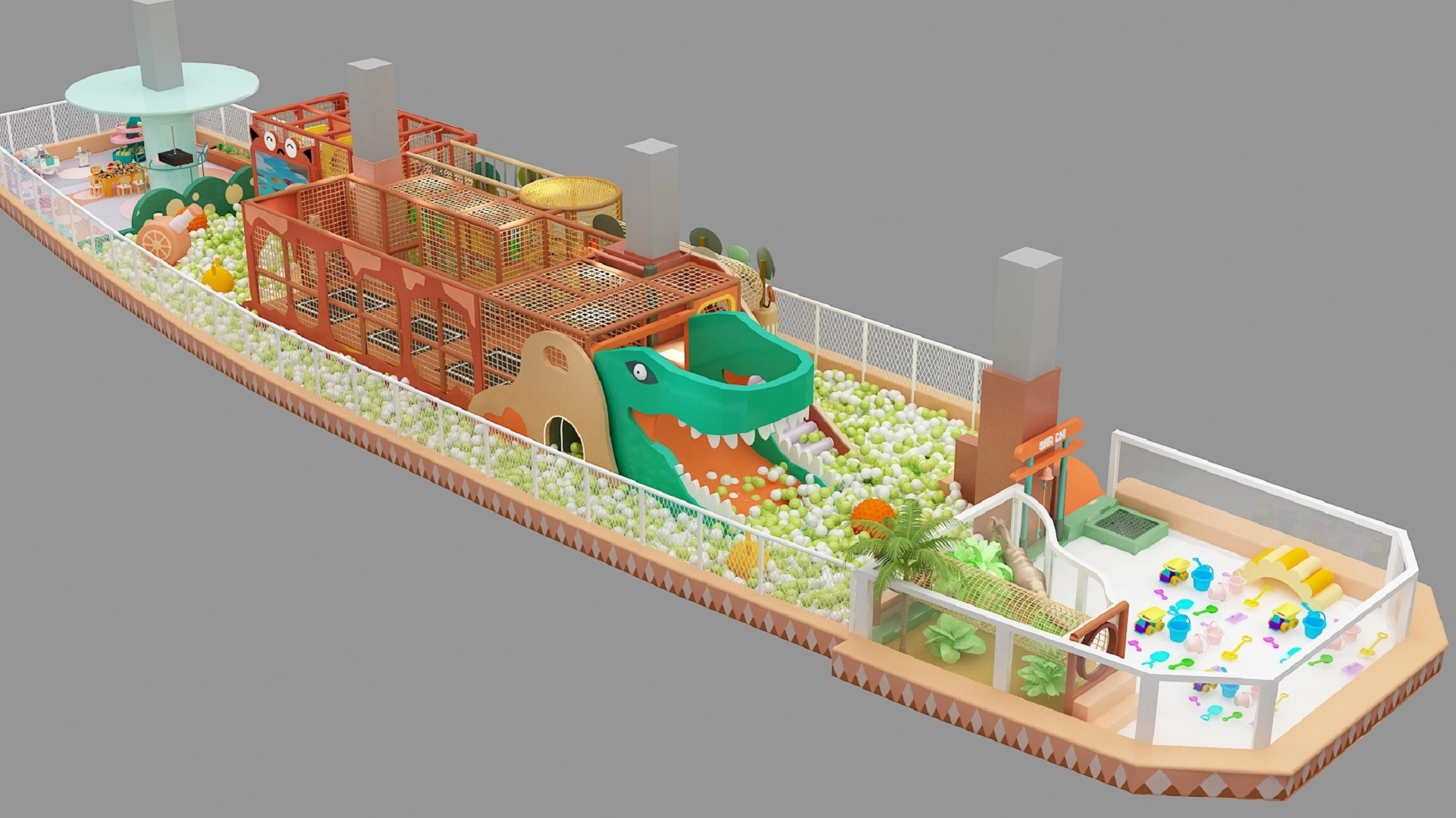
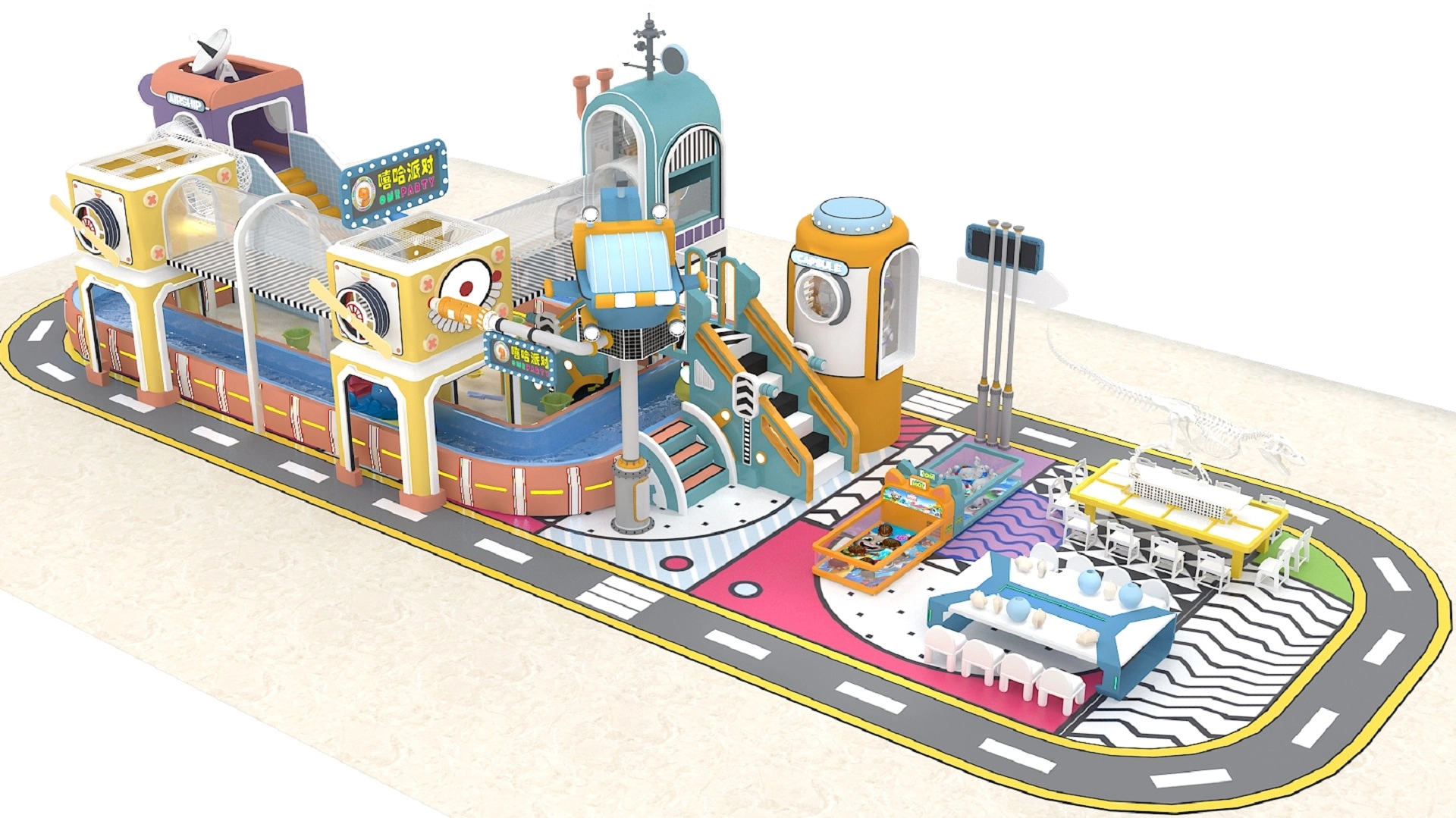
FEI FAN’s Dinosaur Theme Indoor Playground Equipment offers a safe, fun Kids Amusement Park experience with colorful Children Soft Playground features. Ideal for indoor play areas, it encourages active, imaginative play while ensuring comfort and safety. Perfect for all ages.
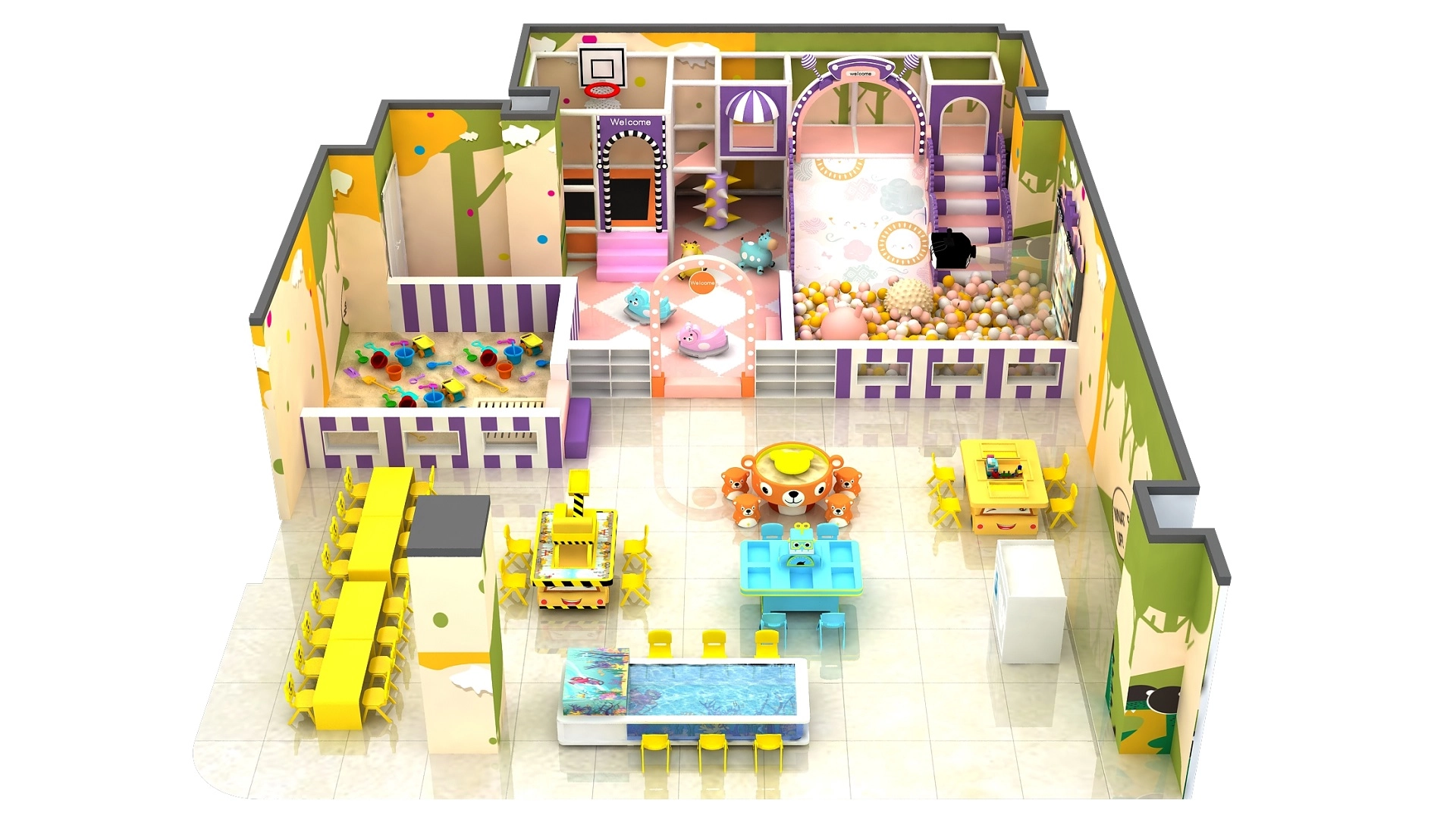
FEI FAN offers customized kids indoor playground equipment designed for commercial spaces. Our safe, durable indoor playground equipment creates fun, engaging environments that promote active play and development. Perfect for businesses seeking quality kids indoor playground solutions.

Get in touch
Let’s Build Your Dream Indoor Playground Together
Thank you for your interest in our products and services!
We’re dedicated to providing you with the best possible support and solutions for your needs.
FEI FAN is a premier Indoor Playground Manufacturer specializing in Kids Soft Play Equipment. From design to installation, we provide one-stop solutions for indoor play centers, daycares, and commercial venues globally.
© 2025 Feifan Amusement Equipment. All Rights Reserved.
 Scan QR Code
Indoor Soft Playground
Whatsapp: +8619068970573
Scan QR Code