ROI of Investing in Indoor Playground Equipment
Why Indoor Playgrounds Deliver Long-Term Value
Investing in indoor playground equipment is more than buying slides and foam pits — it’s a capital decision that creates multiple recurring revenue streams, improves customer retention, and builds a brand asset. For entrepreneurs, shopping-centre landlords, family-entertainment operators, and parks & recreation managers, the key question is: will the purchase generate a positive return on investment (ROI) within an acceptable timeframe? This article provides a structured, data-informed approach to calculate ROI for indoor playground equipment, optimize returns, and manage risks.
What counts toward ROI for indoor playground equipment?
When evaluating ROI for indoor playground equipment, include:
- Upfront capital costs: equipment, design, site work, installation, permits.
- Operating costs: staff wages, utilities, insurance, consumables, maintenance and repair.
- Revenue streams: admissions, memberships, birthday parties/events, F&B, retail/merchandising, private hires, and ancillary services (classes, camps).
- Non-financial returns: increased footfall for malls, tenant retention, community goodwill, marketing value.
Typical cost breakdown for a medium-sized indoor playground (example)
The exact numbers vary by market, region, equipment complexity and customization. The table below shows a representative budget for a 400 m² (≈4,300 ft²) indoor playground designed for children 0–12 years. Use it as a modelling template and adapt to local costs.
| Item | Estimated cost (USD) | Notes |
|---|---|---|
| Play equipment (modular soft play, slides, ball pits) | 40,000 – 80,000 | Main structural & soft-play modules |
| Trampoline area / special attractions | 15,000 – 50,000 | Optional; raises revenues but higher insurance |
| Design & engineering | 5,000 – 15,000 | Layout, safety review, drawings |
| Installation & site works | 10,000 – 25,000 | Flooring, mounting, electrical |
| Furniture & F&B equipment | 5,000 – 15,000 | Seating, serving counters, POS |
| Permits, insurance, initial marketing | 3,000 – 12,000 | Variable by jurisdiction |
| Contingency (10%) | 8,000 – 20,000 | Best practice |
| Estimated Total Initial Investment | 86,000 – 217,000 |
Source: industry tender summaries and manufacturer price bands (see references). These numbers are indicative; customization, local labor, and import duties can change totals materially.
Primary revenue streams and unit economics
Understanding average revenue per customer and utilization rates is essential to model payback. Typical revenue streams include:
- Admissions (drop-in play): ticket price × daily visitors.
- Parties & events: High Quality packages with private areas.
- Memberships & subscriptions: recurring revenue and higher lifetime value.
- F&B and retail: per-visit spend on food and merchandise.
- Ancillary services: classes, camps, corporate hires.
Example unit-economics assumptions for pro forma modeling:
| Metric | Low | Average | High |
|---|---|---|---|
| Average ticket price (per child) | $6 | $10 | $15 |
| Average daily visitor count | 40 | 120 | 250 |
| Average F&B & retail spend per visit | $1.5 | $4 | $8 |
Multiply these to estimate gross monthly revenue, then subtract operating expenses to compute net operating income (NOI).
Sample monthly revenue calculation (average scenario)
Assumptions: 120 daily visitors; 30 days/month; ticket $10; F&B $4 average per visit; 4 parties/month averaging $350 each.
- Admissions revenue: 120 × 30 × $10 = $36,000
- F&B & retail: 120 × 30 × $4 = $14,400
- Parties: 4 × $350 = $1,400
- Other (memberships/classes): estimate $2,000
- Total monthly revenue ≈ $53,800
Operating costs (staff, utilities, rent, insurance, maintenance) can range from 50%–75% of revenue in start-up years depending on rent and labor; use conservative estimates when modeling.
ROI scenarios and payback period
Below are three modeled ROI scenarios for the 400 m² example. These are illustrative and intended to show sensitivity to traffic/pricing.
| Scenario | Initial investment (USD) | Monthly revenue | Monthly operating cost (est.) | Monthly NOI | Estimated payback (months) |
|---|---|---|---|---|---|
| Conservative | $120,000 | $18,000 | $12,600 (70%) | $5,400 | ~22 months |
| Base (average) | $150,000 | $53,800 | $26,900 (50%) | $26,900 | ~6 months |
| Optimistic | $200,000 | $95,000 | $38,000 (40%) | $57,000 | ~3.5 months |
Key point: small changes in daily attendance, average spend, or party bookings produce large differences in payback. Accurate local market research and pricing experiments are therefore essential.
Factors that improve ROI and how to optimize them
1) Design for upsell and flow: A well-planned layout encourages longer stays and higher F&B spend. Zones that capture caregivers (comfortable seating, good sight-lines, Wi‑Fi) increase per-visit spend.
2) Diversify revenue: Add structured programs (classes, camps), corporate rentals, and memberships to reduce seasonality.
3) Optimize staffing and scheduling: Cross‑train staff and use peak/off-peak pricing to maximize utilization while controlling labor cost.
4) Prioritize safety and durability: Higher-quality equipment can be costlier up-front but reduces downtime, repair costs, and liability exposure — preserving revenue continuity.
5) Marketing & partnerships: Collaborate with local schools, parent influencers, and shopping-centre promotions to drive traffic. Loyalty programs increase visit frequency and lifetime value.
Maintenance, lifespan and depreciation — impact on ROI
Typical useful life for indoor-play equipment ranges from 5–15 years depending on material quality and intensity of use. Regular preventive maintenance reduces sudden capital replacement costs and maintains safety compliance.
- Routine inspections: weekly visual checks and monthly safety tests.
- Planned replacement: soft-surface segments and high-contact parts may need replacement every 3–7 years.
- Depreciation: for accounting and tax planning, classify equipment and apply local tax rules — accelerated depreciation may improve near-term cash flow.
Investment in higher-grade materials and modular designs (replaceable panels and parts) often reduces lifecycle cost and protects ROI.
Risk factors & mitigation
Major risks include:
- Underestimating market demand — mitigate with feasibility studies and pilot events.
- High rent — negotiate revenue-share or step-up rents with landlords.
- Safety incidents — implement rigorous training, documented maintenance, and insurance.
- Seasonality — add programs (camps, birthday packages) and memberships to smooth revenue.
Insurance and regulatory compliance (see references) are non-negotiable parts of the business case and can materially affect operating costs.
Buying considerations: bespoke vs modular vs turnkey
When sourcing indoor playground equipment, operators choose between bespoke design (fully custom), modular systems, or turnkey solutions from established manufacturers. Key trade-offs:
| Option | Pros | Cons |
|---|---|---|
| Bespoke | Unique experience, optimized space utilization, brand differentiation | Higher design cost, longer lead time |
| Modular | Lower cost, faster install, scalable | Less differentiation |
| Turnkey | One vendor, simplified project management, warranty & service | Potentially higher all-in price |
Choose the approach that fits your ROI horizon: if rapid payback is top priority, modular or turnkey with proven unit economics often wins. If creating a destination brand is the objective, invest in bespoke experiences.
How a reliable manufacturer improves ROI — FEI FAN case
Partnering with an experienced manufacturer reduces execution risk and can improve ROI by ensuring predictable delivery, safety compliance, and lifecycle support. Guangzhou Feifan Amusement Equipment Co., Ltd. (FEI FAN) offers several advantages relevant to ROI:
- End-to-end capability: FEI FAN integrates design, R&D, production, sales, and service — reducing coordination delays that inflate project costs.
- Manufacturing scale: A modern factory (6400 m²) and a 5800 m² office building enable consistent quality control and faster lead times.
- Product range: Main products include indoor playgrounds, trampoline park equipment, and outdoor amusement equipment — enabling cross-sell and multi-venue solutions.
- Customization & design expertise: Professional design services help optimize layout for revenue generation and safety, impacting average spend and utilization.
- Global reputation: Experience supplying domestic and international projects reduces performance risk and supports warranty/after-sales arrangements.
FEI FAN’s capabilities can contribute to ROI by lowering rework costs, improving uptime, and delivering play experiences that encourage repeat visits and higher per-visit spending. For operators targeting indoor playground, trampoline park, or indoor theme park projects, working with a single, reputable supplier streamlines procurement and post-installation service.
FEI FAN advantage summary: design expertise, manufacturing scale, product breadth (indoor playground, trampoline park, indoor theme parks), quality control, and one-stop project services. These strengths translate into faster project delivery, lower lifecycle cost, and more predictable revenue realization.
Financing and ownership models to improve financial returns
Consider alternatives to full cash purchase to preserve capital and accelerate ROI:
- Equipment financing / leases — spread capital cost and match payments to revenue ramp.
- Vendor financing — some manufacturers provide staged payment terms tied to milestones.
- Revenue-share models — landlords or mall operators may accept revenue-share in lieu of high rent.
- Joint ventures / franchising — share risk with experienced operators.
Select the model that aligns risk appetite and cashflow timing.
Conclusion: Is indoor playground equipment a good investment?
Indoor playground equipment can deliver strong ROI when backed by sound site selection, thoughtfully designed experiences, diversified revenue streams, and a focus on safety and maintenance. The sensitivity of ROI to attendance and spend means robust local market testing, conservative modelling, and choosing the right supplier (or financing structure) are essential to reaching your payback and profitability targets.
If you’re evaluating a project, build a 3‑year pro forma with scenario stress-tests (low/medium/high), include lifecycle maintenance budgets, and factor in realistic ramp-up periods. Partnering with an experienced manufacturer like FEI FAN can reduce execution risk and improve long-term returns.
Frequently Asked Questions (FAQ)
1. How long does it take to recoup an indoor playground investment?
Typical payback ranges from under 6 months (optimistic, high-traffic, excellent upsell) to 18–24 months or longer (conservative markets). The main determinants are daily attendance, average ticket price, and operating cost structure.
2. What ongoing costs should I budget for after installation?
Budget for staff wages, utilities, insurance, consumables, marketing, and maintenance. Maintenance and repair budgets are often 5%–10% of initial equipment costs annually, depending on usage intensity.
3. Does higher-quality equipment really improve ROI?
Yes. Better materials and design reduce downtime and repairs, improve safety, and often increase customer satisfaction and repeat visits, which raise lifetime customer value.
4. Are trampoline areas worth the extra cost?
Trampolines attract customers and command High Quality pricing but increase insurance and maintenance costs. Evaluate local demand and insurance terms before adding trampolines.
5. How do I choose a manufacturer or supplier?
Look for proven design and manufacturing experience, transparent references, safety compliance, warranty and after-sales service, and the ability to provide turnkey project support. FEI FAN is an example of a supplier that offers integrated services from design to after-sales.
Contact & Next Steps
If you’re planning an indoor playground project and want a tailored ROI model, professional design, or a quotation on indoor playground equipment, contact our team to discuss site-specific estimates, financing options, and product demos. View product lines and request a consultation to begin your feasibility assessment.
References
- Grand View Research — “Indoor Playground Market Size, Share & Trends Analysis Report” (accessed 2025-11-30): https://www.grandviewresearch.com/industry-analysis/indoor-playground-market
- IBISWorld — “Indoor Playgrounds Industry in the US” (industry report; accessed 2025-11-30): https://www.ibisworld.com/united-states/market-research-reports/indoor-playgrounds-industry/
- U.S. Consumer Product Safety Commission (CPSC) — Playground Safety: https://www.cpsc.gov/Safety-Education/Safety-Education-Centers/Playgrounds (accessed 2025-11-30)
- ASTM International — Playground Equipment Standards (browse standards and safety guides; accessed 2025-11-30): https://www.astm.org/Standards/playground-standards.
- Industry equipment supplier pricing and installation guides (manufacturer whitepapers and project case studies; accessed 2025-11-30).
Space Planning for Indoor Playground Equipment
How to Design a Custom Indoor Playground for Small Spaces: Practical Guide
How to Buy Safe Climbing Structures Indoors
Indoor trampoline safety guidelines for kids and families
For Products
What are the mainly themes of indoor playground ?
Various themes including space series, forest series, macaroon series, ocean series, candy series, etc
OEM & ODM
What is the average lead time for a custom project?
Usually 30–45 days after design confirmation, depending on scale.
What are the customized services?
We can provide customized service ofclients demands ,include theme customization, function customization, LOGO ,IP, size etc.
Schools Educational Institutions
How much space is required for installation?
We provide flexible designs that fit both small courtyards and large campus grounds, fully optimized for your available area.
For Customization
What are the customized services?
We can provide customized service of clients demands ,include theme customization, function customization, LOGO ,IP etc.
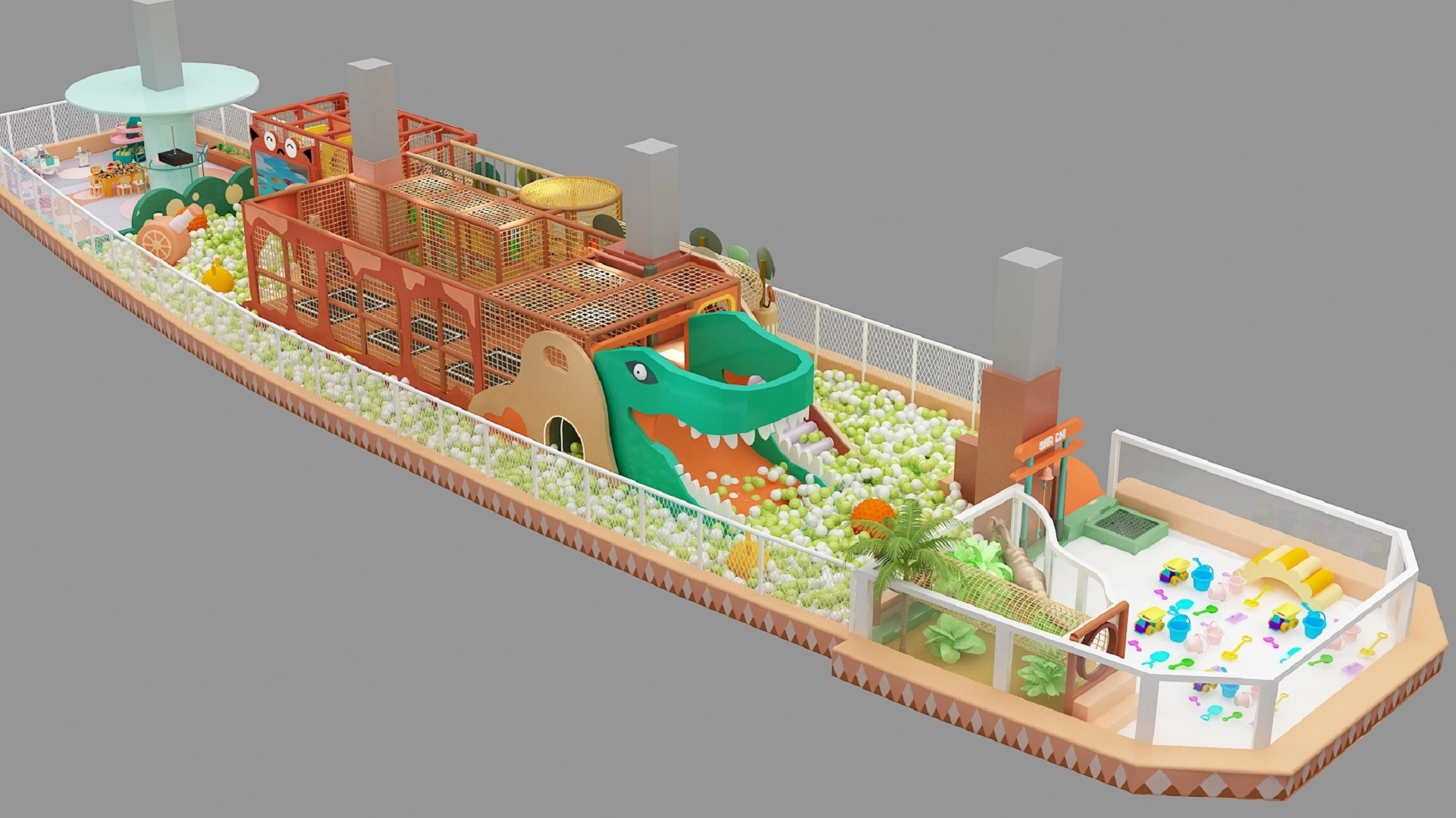
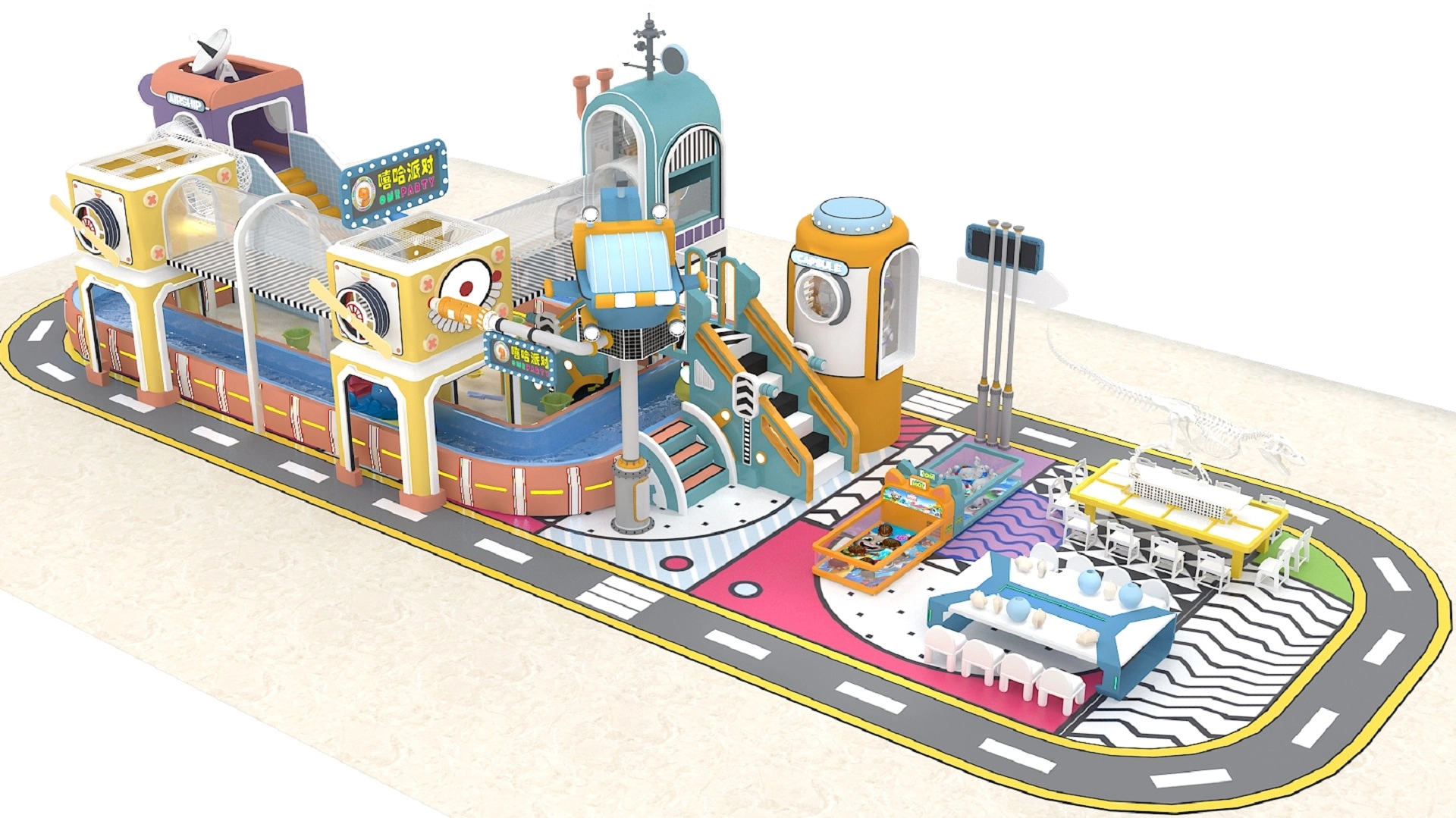
FEI FAN’s Dinosaur Theme Indoor Playground Equipment offers a safe, fun Kids Amusement Park experience with colorful Children Soft Playground features. Ideal for indoor play areas, it encourages active, imaginative play while ensuring comfort and safety. Perfect for all ages.
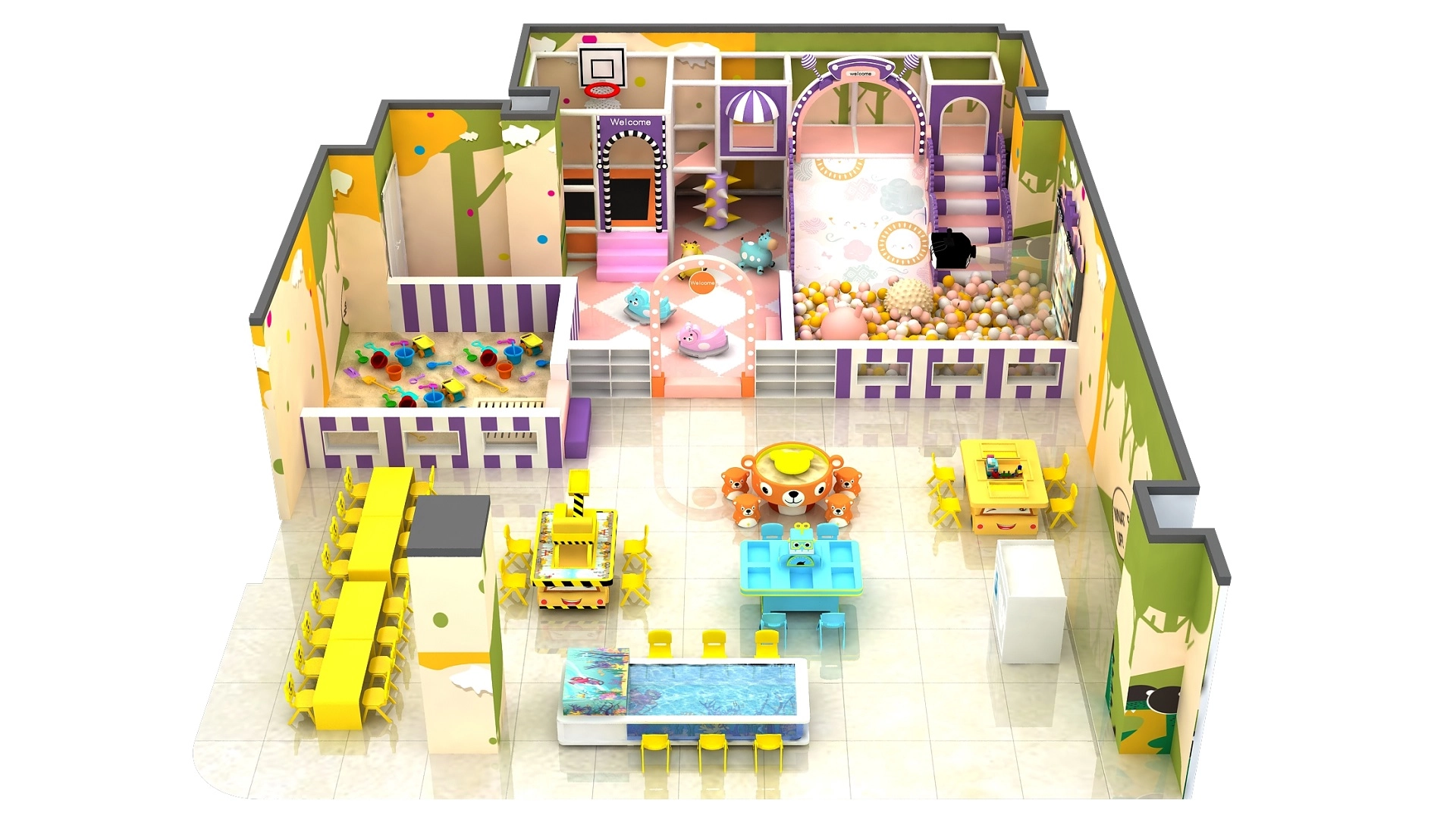
FEI FAN offers customized kids indoor playground equipment designed for commercial spaces. Our safe, durable indoor playground equipment creates fun, engaging environments that promote active play and development. Perfect for businesses seeking quality kids indoor playground solutions.

Get in touch
Let’s Build Your Dream Indoor Playground Together
Thank you for your interest in our products and services!
We’re dedicated to providing you with the best possible support and solutions for your needs.
FEI FAN is a premier Indoor Playground Manufacturer specializing in Kids Soft Play Equipment. From design to installation, we provide one-stop solutions for indoor play centers, daycares, and commercial venues globally.
© 2025 Feifan Amusement Equipment. All Rights Reserved.
 Scan QR Code
Indoor Soft Playground
Whatsapp: +8619068970573
Scan QR Code