The Ultimate Guide to Soft Play Safety & Maintenance: Standards, Checklists, and Sanitation 2026
What Is Soft Play Safety and Maintenance?
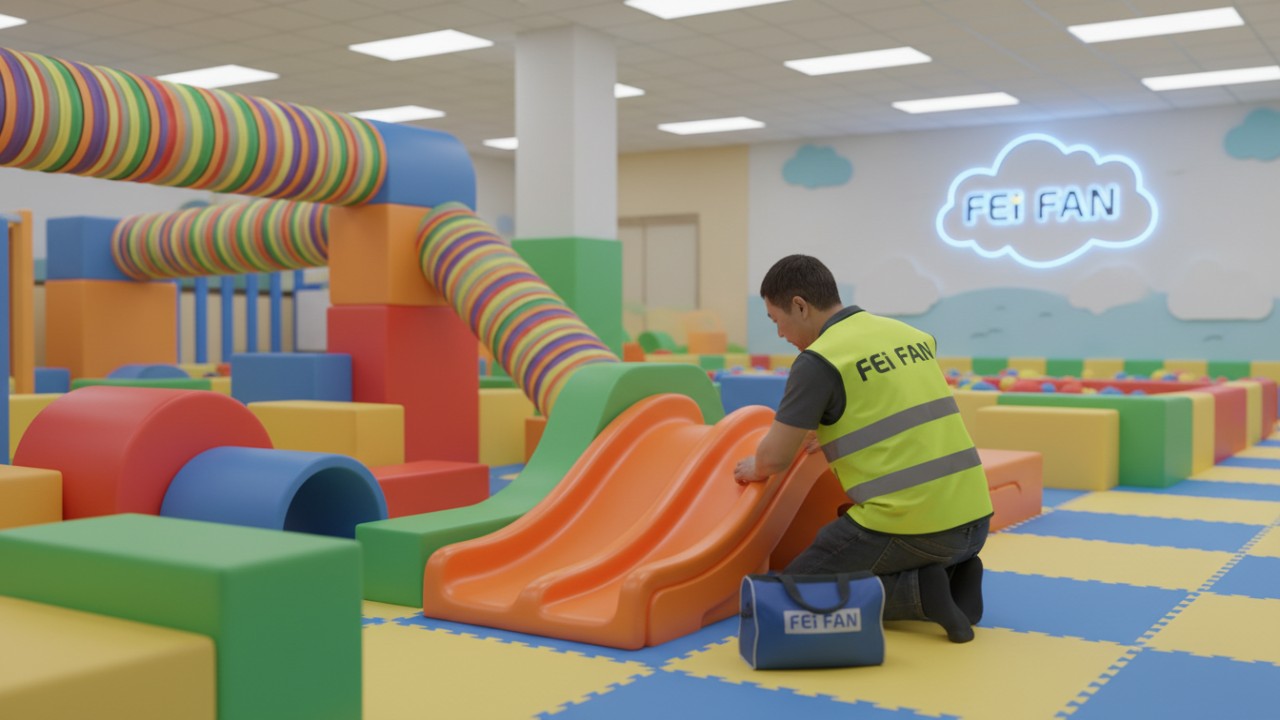
Soft Play Safety & Maintenance is the systematic process of inspecting, cleaning, and repairing indoor playground equipment to prevent injuries, ensure high hygiene standards, and maintain regulatory compliance. This ongoing commitment directly protects children and preserves the facility's operational integrity.
Running an indoor playground in 2026 requires more than just installing colorful equipment. It demands a rigorous, structured approach to facility upkeep. How does this work in practice? Facility operators must execute daily visual checks, implement deep sanitation protocols, and strictly adhere to global safety frameworks like BS EN 1176-10. Why is this so crucial? Proper upkeep prevents accidents, drastically extends the lifespan of modular play components, and ensures a consistently safe, joyful environment for children. Furthermore, diligent maintenance shields operators from legal liability and unexpected closures due to health code violations.
The core benefits of a rigorous maintenance program include:
- Injury Prevention: Systematically identifies wear and tear, such as loose netting or exposed foam, before it becomes an active hazard.
- Cost Efficiency: Reduces the need for emergency repairs or premature soft play equipment refurbishment, maximizing your return on investment.
- Brand Trust: Reassures parents that the facility prioritizes their child's well-being, leading to repeat business and positive community word-of-mouth.
Key Takeaways: Quick Summary for Play Center Operators
Key takeaways for soft play safety revolve around implementing strict daily visual inspections, utilizing manufacturer-approved non-toxic cleaning solutions, ensuring legal compliance with global safety standards, and partnering with certified manufacturers for prompt repairs and high-quality replacement parts.
For busy play center operators in 2026, managing a large-scale facility can be overwhelming. Understanding the critical pillars of safety and maintenance streamlines daily operations. How do you implement these takeaways? By establishing clear, written protocols that every staff member follows rigorously. Why do these specific steps matter? They bridge the gap between high-quality initial equipment manufacturing and long-term maintenance ROI, ensuring your park remains profitable and safe.
- Daily Visual Inspections: Catch foreign objects, torn vinyl, or loose netting immediately to prevent accidents before children enter the play zone.
- Non-Toxic Sanitation: Always use manufacturer-approved cleaning solutions to protect delicate vinyl coatings and internal foam from degrading over time.
- Strict Standard Compliance: Adherence to established safety guidelines is legally and operationally crucial for liability protection and securing favorable insurance rates.
- Manufacturer Partnerships: Work with original equipment manufacturers (OEMs) to source authentic, certified replacement components quickly rather than relying on unverified third-party parts.
Understanding Global Safety Standards (BS EN 1176-10 & Beyond for 2026)
Global safety standards, specifically the EN 1176 indoor play standards, are rigorous regulatory frameworks that dictate the structural integrity, impact attenuation, and entrapment hazard prevention requirements for fully enclosed play equipment to ensure maximum child safety and legal compliance.
Navigating the regulatory landscape is fundamental for any indoor theme park operator. The BS EN 1176-10 standard is the definitive benchmark across Europe and much of the globe for fully enclosed play equipment. How do these standards protect users? They calculate acceptable fall heights, dictate the necessary density of impact-absorbing flooring, and mandate specific gap measurements to prevent head, neck, or finger entrapment. Why are these standards evolving in 2026? Regulatory updates now heavily emphasize sustainable, non-toxic manufacturing materials and advanced fire-retardant safety nets to account for modern, large-scale play structures.
As an operator, compliance is not optional. A formal audit ensures compliance, fulfilling local regulatory and insurance requirements. This is vital, as reported by BSI Group, the primary authority responsible for publishing these comprehensive playground safety requirements and ensuring that the standard acts as a checklist to prevent organizations from missing key safety points.
- Third-Party Audits: Mandatory annual safety audits by independent, certified inspectors to verify structural soundness.
- Post-Installation Inspections: Required immediately before opening a new center to ensure the installation matches the approved engineering designs.
- Safety Logbooks: Maintaining a comprehensive, documented history of all maintenance tracking provides strict liability protection in the event of an incident.
The Ultimate Soft Play Maintenance Checklist
The soft play maintenance checklist is a categorized, time-based schedule detailing the exact daily, weekly, monthly, and annual operational tasks required to inspect structural fasteners, sanitize surfaces, and audit equipment integrity to maintain a pristine and hazard-free indoor playground.
Consistency is the secret to longevity in the amusement industry. Without a structured checklist, vital safety checks slip through the cracks. How do you implement this? By dividing tasks based on urgency, wear-and-tear rates, and foot traffic volume. Why use a tiered approach? Daily tasks address immediate hygiene and highly visible hazards, while monthly and annual tasks focus on deep structural integrity and preventing the need for costly emergency closures.
Here is the essential breakdown for 2026:
- Daily Tasks: Spot cleaning spills, checking for foreign objects in ball pits, ensuring entry/exit gate safety, and inspecting floor mats for tripping hazards.
- Weekly Tasks: Checking netting tension, inspecting vinyl padding for micro-tears, and wiping down all high-touch surfaces with disinfectant.
- Monthly Tasks: Tightening structural fasteners, deep cleaning foam cores, and reviewing wear and tear on high-friction slide surfaces.
- Annual Tasks: Hiring professionals for structural safety audits, replacing heavily worn padding, and updating all safety signage.
| Maintenance Frequency | Primary Focus Area | Typical Tasks & Actions | Estimated Time Required |
|---|---|---|---|
| Daily | Hygiene & Immediate Hazards | Spot cleaning, debris removal, visual walk-throughs | 1 - 2 Hours |
| Weekly | Surface Wear & Entrapment | Netting tension checks, vinyl inspection, deep sanitizing | 3 - 5 Hours |
| Monthly | Structural Integrity | Fastener tightening, slide friction checks, deep foam cleaning | 1 Full Day |
| Annually | Compliance & Certification | Third-party audits, major component replacement, signage updates | 2 - 3 Days |
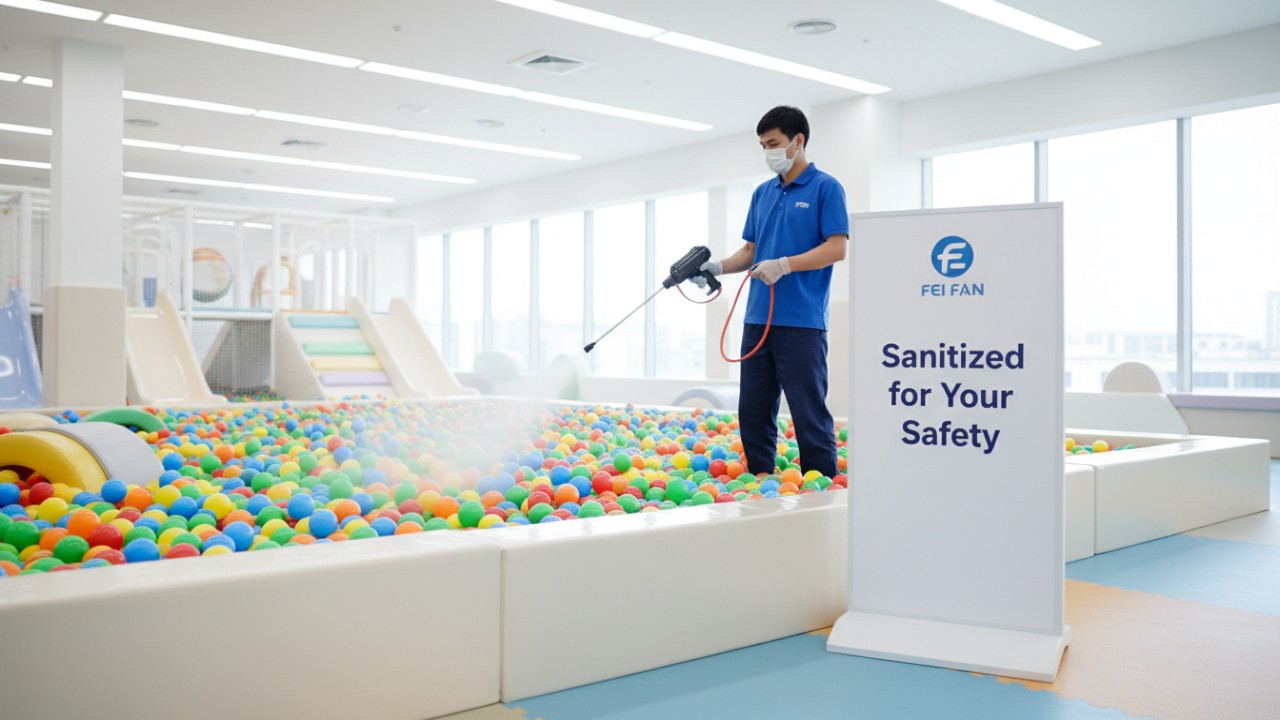
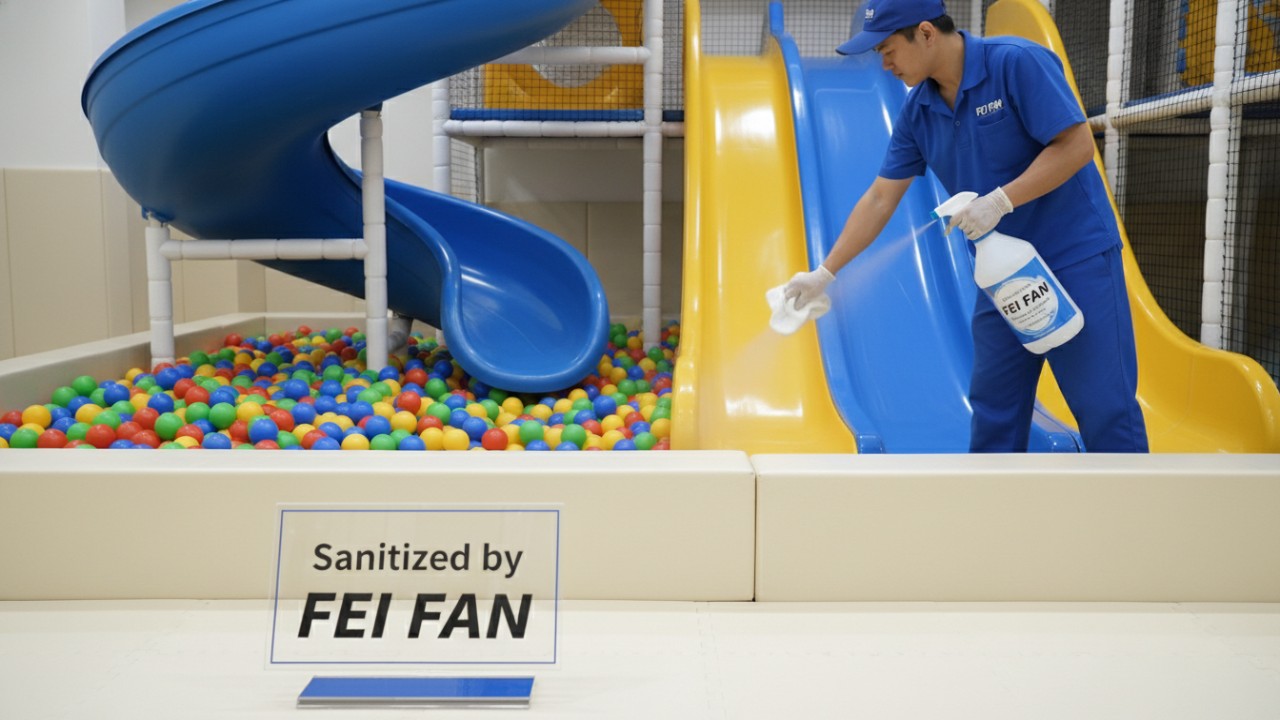
Soft play cleaning procedures involve the application of hospital-grade, non-toxic disinfectants and automated sanitization methods to eliminate bacteria, mold, and viruses from high-touch surfaces, dark crawl tubes, and commercial ball pits without degrading the equipment's materials.
In 2026, parents demand clinical levels of hygiene in children's play areas. How should you approach sanitation? By combining daily manual spot cleaning with scheduled deep sanitation using specialized automated equipment. Why is the choice of cleaning agent so critical? Harsh chemicals like raw bleach can degrade PVC and vinyl surfaces, making them brittle and unsafe, while inadequate drying protocols can lead to invisible mold growth inside deep foam structures.
Effective sanitation strategies include:
- Non-Toxic Disinfectants: Choosing eco-friendly, hospital-grade solutions that are tough on bacteria and viruses but entirely safe for children's sensitive skin and respiratory systems.
- Automated Ball Pit Cleaning: Utilizing commercial ball cleaning machines that scrub, sanitize, and thoroughly dry thousands of balls per hour, far outperforming labor-intensive manual methods.
- Stain Removal: Implementing gentle stain removal techniques for interactive panels and vinyl padding without stripping the protective UV and wear-resistant coating.
- Drying Protocols: Enforcing vital ventilation and drying protocols to prevent mildew growth, especially in enclosed, dark spaces like large crawl tubes and enclosed slides.
Expert Tips: Identifying Hidden Soft Play Safety Hazards
Identifying indoor playground safety hazards requires proactively looking beyond obvious breakages to detect V-shaped entrapment zones, compressed impact-absorbing flooring, and exposed internal foam that pose choking, falling, or ingestion risks to children during active play.
Even with rigorous daily walk-throughs, certain dangers remain hidden to the untrained eye. How do you spot these elusive risks? Operators must physically interact with the equipment—pushing on netting to check for give, testing structural joint flexibility, and measuring floor mat compression. Why are these hidden hazards so dangerous? Because they degrade slowly over time, turning a once-safe structure into a high-risk zone without triggering immediate alarm.
In fact, ensuring children are separated by age and play equipment is properly padded is a major priority, as reported by the Consumer Product Safety Commission, which emphasizes that properly supervised and maintained soft contained play equipment significantly reduces injuries compared to traditional outdoor playgrounds.
Watch out for these highly dangerous hidden hazards:
- V-Shaped Entrapment: Gaps forming in loose netting or separating structural joints where a child's head, neck, or limbs could become dangerously trapped.
- Exposed Internal Foam: Torn vinyl padding must be addressed immediately; exposed internal foam is a severe choking and ingestion hazard for toddlers.
- Compressed Flooring: Floor mats lose their impact-absorbing qualities over time. Mats that have "bottomed out" and no longer rebound must be replaced to prevent fall injuries.
- Hygiene Hotspots: Do not overlook the bottom of enclosed slides, tight netting corners, and high-traffic interactive panels where moisture and bacteria tend to pool.
Built to Last: The FEI FAN Advantage in Safe Soft Play Manufacturing
The FEI FAN advantage lies in engineering inherently safe, high-end indoor playground equipment utilizing premium, tear-resistant materials that drastically minimize reactive maintenance, ensure global compliance, and provide long-term operational cost savings for play center owners worldwide.
True safety and easy maintenance start at the foundational design and manufacturing level. How does Guangzhou Feifan Amusement Equipment Co., Ltd. achieve this? Established in 2017 with a modern 6400m² factory and a 5800m² office building, our company integrates cutting-edge R&D with precision manufacturing. Why does this benefit you? Because high-quality OEM manufacturing bridges the gap between upfront investment and long-term maintenance ROI, reducing the total cost of ownership.
If you want a deeper understanding of planning your space and maximizing safety from the ground up, check out The Ultimate Guide to Indoor Soft Play Equipment to see how intelligent layout impacts longevity.
Our core manufacturing advantages include:
- Premium Materials: We utilize highly durable, tear-resistant PVC and high-density foam that make daily sanitation and upkeep significantly easier for your staff.
- Reduced Reactive Maintenance: Our modular indoor theme park and trampoline park equipment are engineered to withstand massive daily foot traffic without frequent, costly breakdowns.
- Customized Solutions: We deliver one-stop indoor playground solutions, perfectly tailored to your space and strictly compliant with local safety regulations.
- Comprehensive After-Sales Support: We offer extensive after-sales service, detailed maintenance guidance, and seamless access to original replacement parts to keep your park running smoothly.## Conclusion
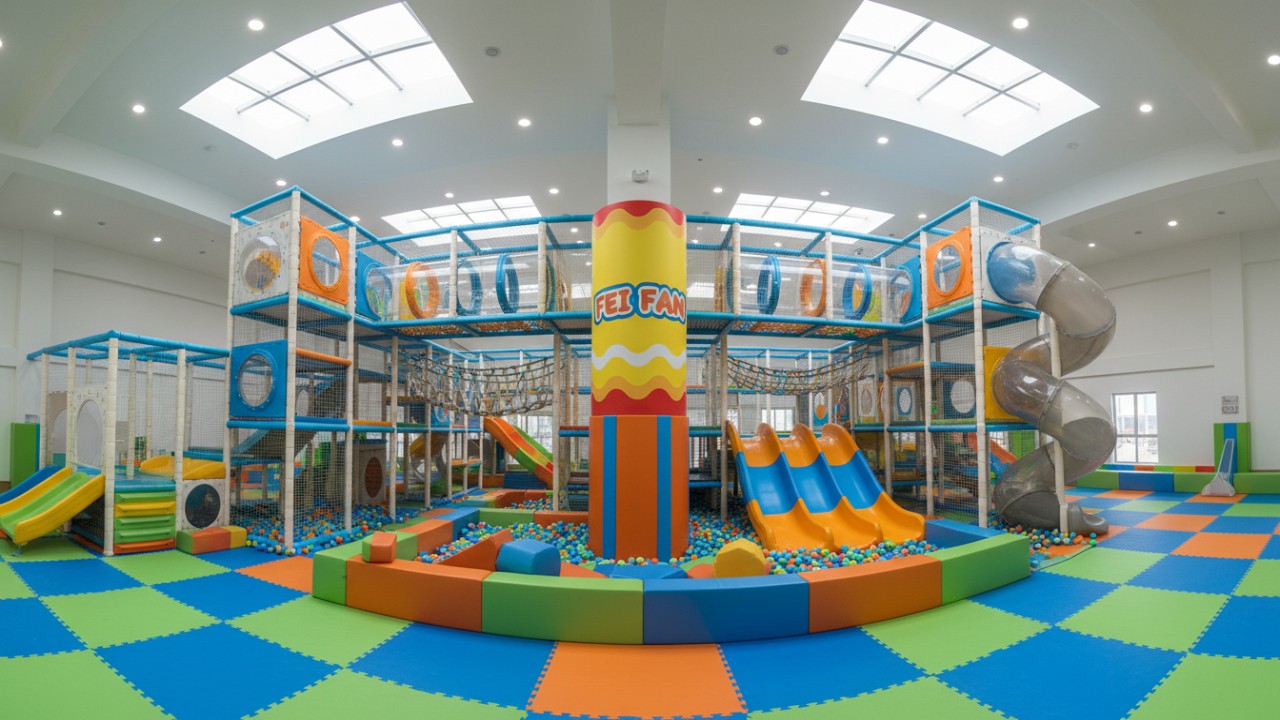
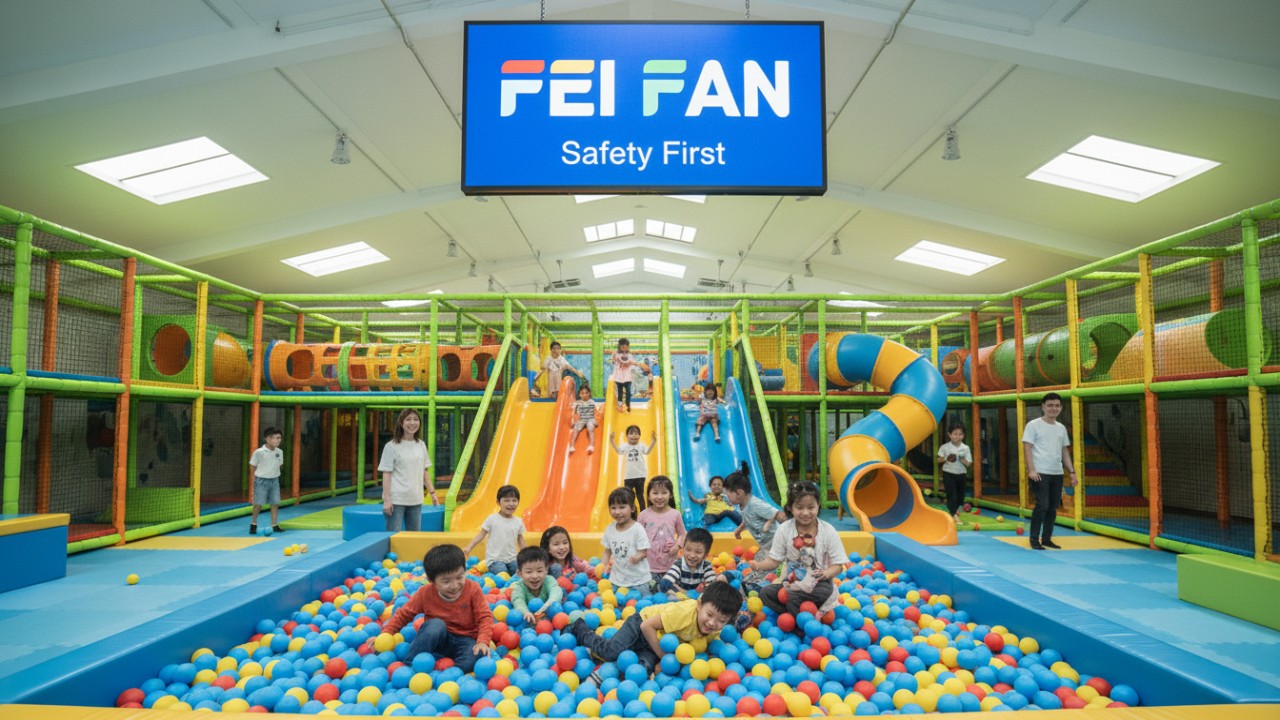
Maintaining an indoor soft play area is a rigorous, ongoing commitment to maximizing child safety, health, hygiene, and overall operational excellence through strict adherence to standards and proactive daily checklists.
By following documented maintenance procedures, adhering strictly to global safety standards like BS EN 1176, and investing in premium, durable equipment from trusted manufacturers like FEI FAN, operators can drastically maximize their long-term return on investment. Staying ahead of safety trends and material innovations in 2026 ensures your facility remains a trusted, joyful, and highly profitable environment for families.
Contact us today at mia@kidssoftplay.com to optimize your Soft Play Safety & Maintenance strategy.
FAQs About Soft Play Safety & Maintenance
How often should soft play equipment be cleaned?
High-touch surfaces and floor mats should be spot-cleaned daily. A thorough sanitation of all play elements should occur weekly. A complete deep clean, including ball pit emptying and sanitizing, must be done at least monthly.
What are the BS EN 1176-10 standards?
They are the established European safety standards specific to fully enclosed indoor play equipment. They dictate requirements for structural integrity, entrapment hazard prevention, and proper impact-absorbing surfacing. Compliance is vital for passing safety inspections and securing liability insurance.
What is the best way to clean a commercial ball pit?
The most efficient method is using an automated commercial ball cleaning machine that scrubs, sanitizes, and dries each ball. For manual cleaning, remove all balls, vacuum the pit floor, sanitize the base, and wash the balls in a non-toxic sanitizing solution. Always ensure balls are completely dry before returning them to prevent mold growth.
How do you fix a tear in soft play padding?
Small superficial tears can be temporarily fixed using commercial-grade vinyl repair tape or patching kits. If the tear exposes the internal foam, the entire pad or component should be replaced to prevent safety hazards. Always consult the original manufacturer for official replacement parts to maintain compliance.
What should be included in a daily soft play safety checklist?
Checking for any sharp objects, debris, or bodily fluids inside the play area. Inspecting netting and zip ties for looseness or damage. Ensuring there is no exposed foam or new trip hazards. Verifying that all entry gates and emergency exits are functioning properly.
How long does commercial soft play equipment last?
With strict maintenance and high-quality initial manufacturing, the main steel structures can last 10 to 15 years. High-traffic soft components like vinyl padding, netting, and floor mats typically require refurbishment every 3 to 5 years. Choosing premium manufacturers significantly extends the overall lifespan of the park.
Do I need a professional to inspect my indoor playground?
Yes, an annual inspection by an accredited and independent play safety inspector is highly recommended. This formal audit ensures compliance with standards like EN 1176, fulfilling local regulatory and insurance requirements. Post-installation inspections are also mandatory before opening a new center.
Why choose FEI FAN for indoor playground equipment?
Guangzhou Feifan Amusement Equipment Co., Ltd. has provided one-stop indoor play solutions since 2017. We specialize in highly durable, inherently safe, and customizable play structures designed to minimize long-term maintenance costs. Our comprehensive service covers design, manufacturing, installation, and dedicated after-sales support.
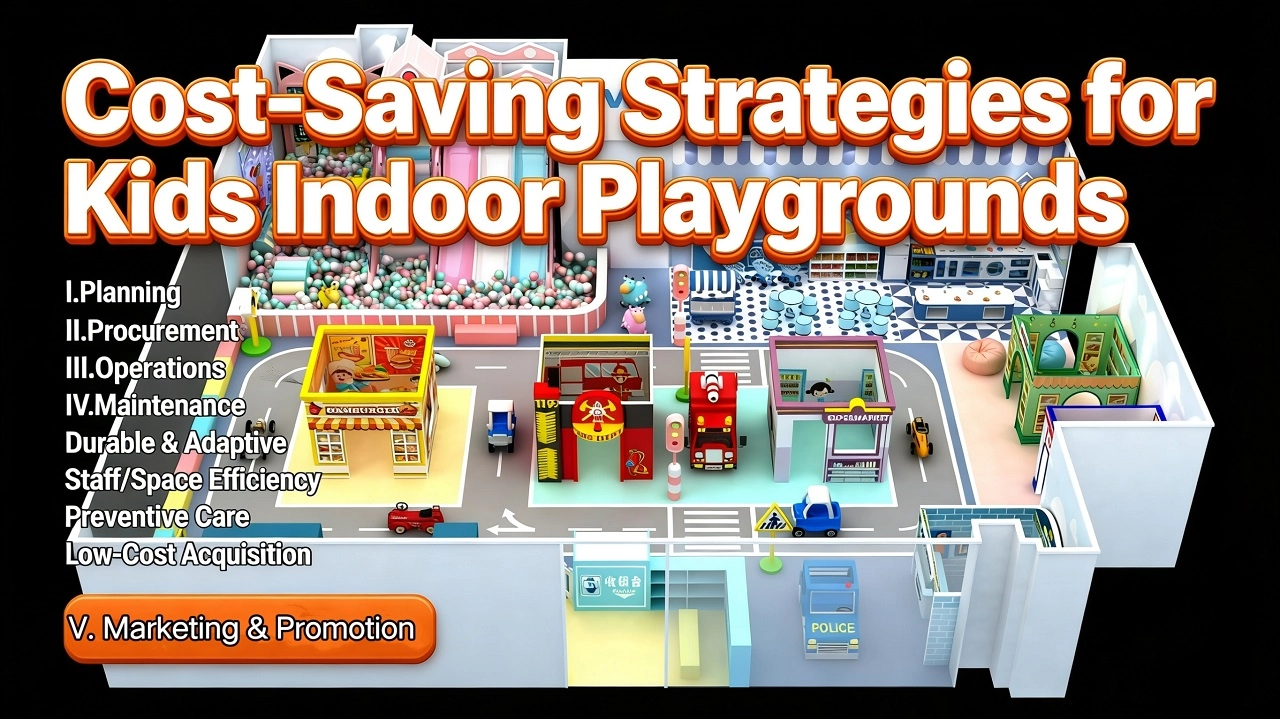
How to Reasonably Control Costs of Kids Indoor Playgrounds | Trusted Manufacture

Flourishing in Both the Middle East and Europe! What Makes Guangzhou Feifan Amusement a Leading Export Manufacturer of Indoor Playgrounds?
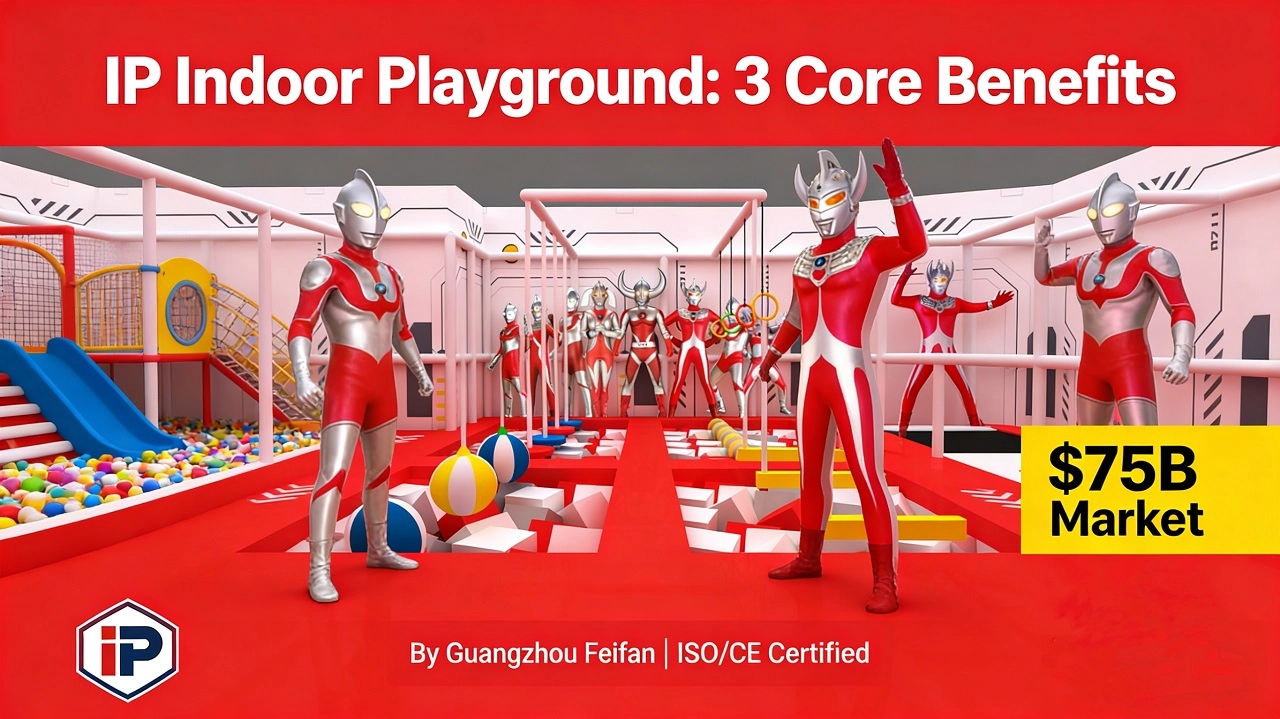
What Is an IP Indoor Playground & Its Core Benefits? | Insight by Feifan
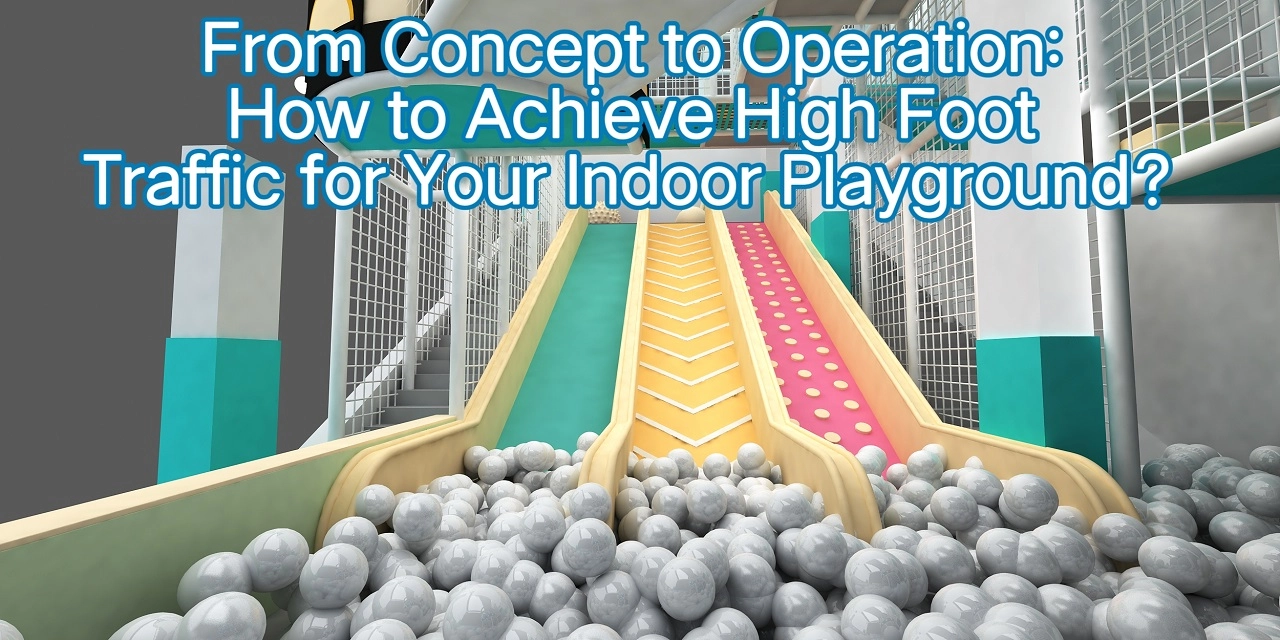
From Concept to Operation: How to Achieve High Foot Traffic for Your Indoor Playground?
Shopping MallsRetail Centers
What safety standards do your products meet?
All our equipment complies with international safety certifications (EN, ASTM, CE, etc.) and uses eco-friendly, non-toxic materials.
How long does it take to complete a project?
Depending on project size, design and production usually take 4–8 weeks, followed by delivery and installation.
For Products
What are the main materials of indoor playground? Is it safe and environmentally friendly?
The main products are made of durable materials, including plastic, PVC, PU, galvanized pipe, wood, PE foam, to ensure a lasting and safe game experience. All materials are in line with international environmental standards.
Schools Educational Institutions
Can the equipment be customized for different age groups?
Absolutely. We design separate play areas for kindergarten, primary, and middle school students, ensuring age-appropriate safety and play value.
OEM & ODM
What certifications do your custom products have?
Our products meet international standards such as ISO, CE, GS, and more.


Send my request
Let’s Build Your Dream Indoor Playground Together
Thank you for your interest in our products and services!
We’re dedicated to providing you with the best possible support and solutions for your needs.
FEI FAN is a premier Indoor Playground Manufacturer specializing in Kids Soft Play Equipment. From design to installation, we provide one-stop solutions for indoor play centers, daycares, and commercial venues globally.
© 2025 Feifan Amusement Equipment. All Rights Reserved.
 Scan QR Code
Indoor Soft Playground
Whatsapp: +8619068970573
Scan QR Code