Soft Play Safety Standards: Global Compliance for ASTM & EN in 2026
When building a commercial indoor playground in 2026, understanding Soft Play Safety Standards is not just a regulatory hurdle—it is the foundational pillar of your entire business. Parents, facility operators, and insurance companies demand verifiable proof that children are playing in a risk-free environment. From advanced impact-absorbing flooring to strict non-toxic material sourcing, achieving global compliance ensures your facility is both profitable and protected against severe legal liabilities.
What Are Soft Play Safety Standards?
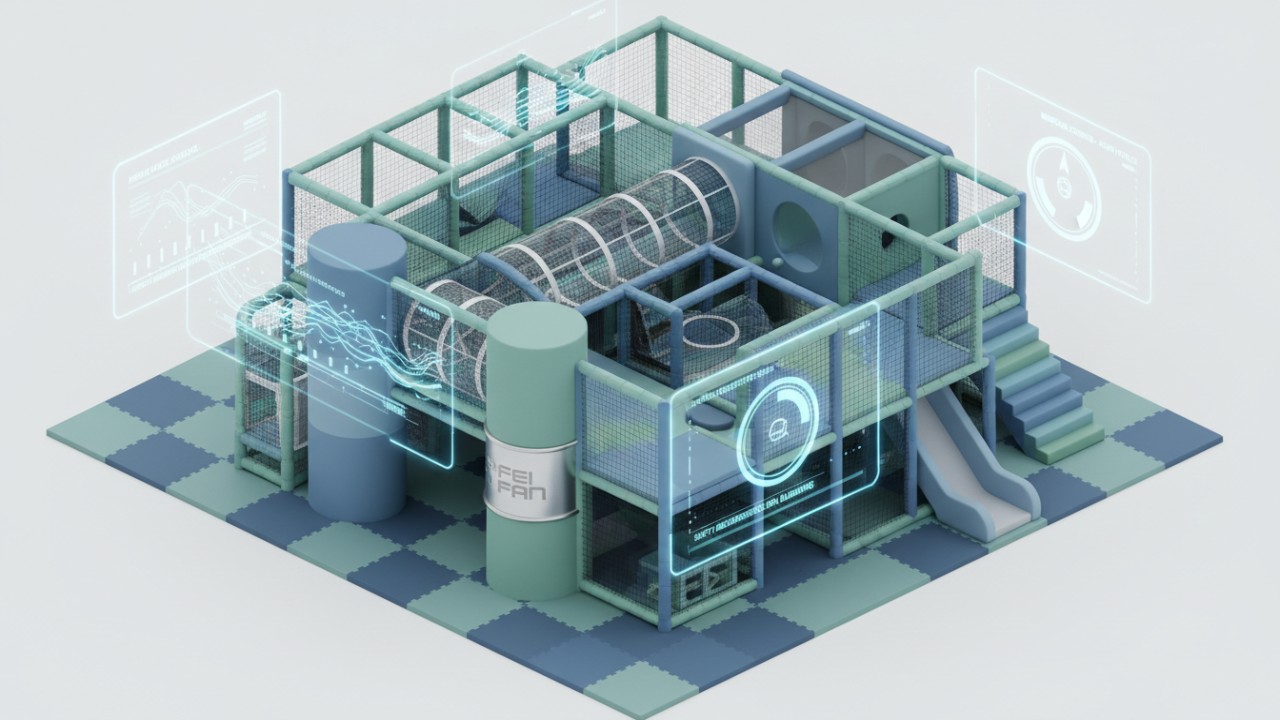
Soft play safety standards are strict, globally recognized engineering and manufacturing protocols, such as ASTM in North America and EN in Europe. They mandate specific structural designs, non-toxic materials, and impact-absorbing surfaces to prevent injuries and ensure secure, hygienic environments.
Beyond just avoiding accidents, the primary goal of these standards is to mitigate operational risks while maximizing child development and imaginative play. By following certified guidelines, manufacturers and facility owners can confidently build multi-level play structures that can withstand the daily wear and tear of hundreds of energetic children. These regulations dictate everything from the thickness of the High-Density Foam to the tensile strength of the safety netting.
Key Takeaways: Navigating Global Compliance
Navigating global compliance involves strictly adhering to regional regulations like ASTM F1918-12 and EN 1176 to guarantee commercial indoor playground safety. Achieving this certification protects your business legally, lowers operational risks, and builds lasting trust with families and facility operators.
To successfully navigate this complex landscape, operators must understand several critical factors:
- Foundational Pillars: ASTM F1918-12 compliance (North America) and EN 1176 indoor playground regulations (Europe) are the non-negotiable baselines for operating any commercial indoor play space.
- Financial Protections: Verified compliance ensures robust legal protection against lawsuits, significantly lowers facility insurance premiums, and acts as a powerful marketing tool to build parental trust.
- Manufacturing Partnerships: Partnering with a globally certified manufacturer like FEI FAN eliminates the guesswork from the complex structural engineering phase, guaranteeing that your initial investment is protected.
Breaking Down ASTM F1918 and CPSC Guidelines (North America)
The ASTM F1918-12 standard and CPSC soft play guidelines dictate the structural integrity, use zones, and material safety for contained play systems in North America. These regulations ensure that all equipment safely accommodates children and withstands rigorous daily commercial use.
In North America, achieving compliance requires passing a series of meticulous engineering audits. According to the official standards published by ASTM International, preventing structural failures is paramount, which is why the guidelines mandate strict Use Zones and clearance rings around high-traffic play elements to mitigate fall impacts.
Furthermore, based on the recommendations from the Consumer Product Safety Commission, rigorous testing for head, neck, and finger entrapment must be conducted using specific standardized CPSC probes. If a child's head or clothing can get caught in a net or gap, the structure automatically fails certification.
Key material safety benchmarks under these North American codes include:
- Toxicity Limits: Strict adherence to CPSIA limits on lead and phthalates in all accessible plastics and vinyls.
- Fire Retardancy: Comprehensive NFPA 701 flammability testing for all synthetic netting, pads, and exterior vinyl covers.
- Impact Attenuation: Fall zoning calculations that guarantee shock-absorbing flooring correctly correlates with the highest accessible platform.
Understanding EN 1176 and EN 1177 Regulations (Europe)
EN 1176 indoor playground regulations and EN 1177 standards establish the European benchmarks for public play equipment and impact-attenuating surfacing. They focus heavily on mechanical safety, entrapment prevention, and precise chemical testing for materials used in enclosed commercial play areas.
The European approach to commercial indoor playground safety is highly detailed, specifically categorizing the types of structures being built. The EN 1176-10 section is tailored explicitly for fully enclosed indoor play equipment, addressing the unique airflow, emergency egress, and visibility requirements of complex multi-level structures.
Additionally, as outlined in the guidelines by the BSI Group, operators must maintain meticulous maintenance and testing records. European standards also deeply integrate toy safety metrics:
- EN 71 Chemical Standards: Mandates strict limits on chemical toxicity, specifically evaluating the plastics used in ball pit balls and interactive play panels.
- Impact Testing Differences: The EN 1177 standard utilizes unique HIC (Head Injury Criterion) testing methods that differ slightly from the US model, focusing heavily on critical fall heights.
- Clothing Entrapment: European testing includes the highly specific "toggle test" to ensure drawstrings on children's clothing cannot be snagged on slides or poles.
Common Mistakes in Indoor Playground Safety Compliance
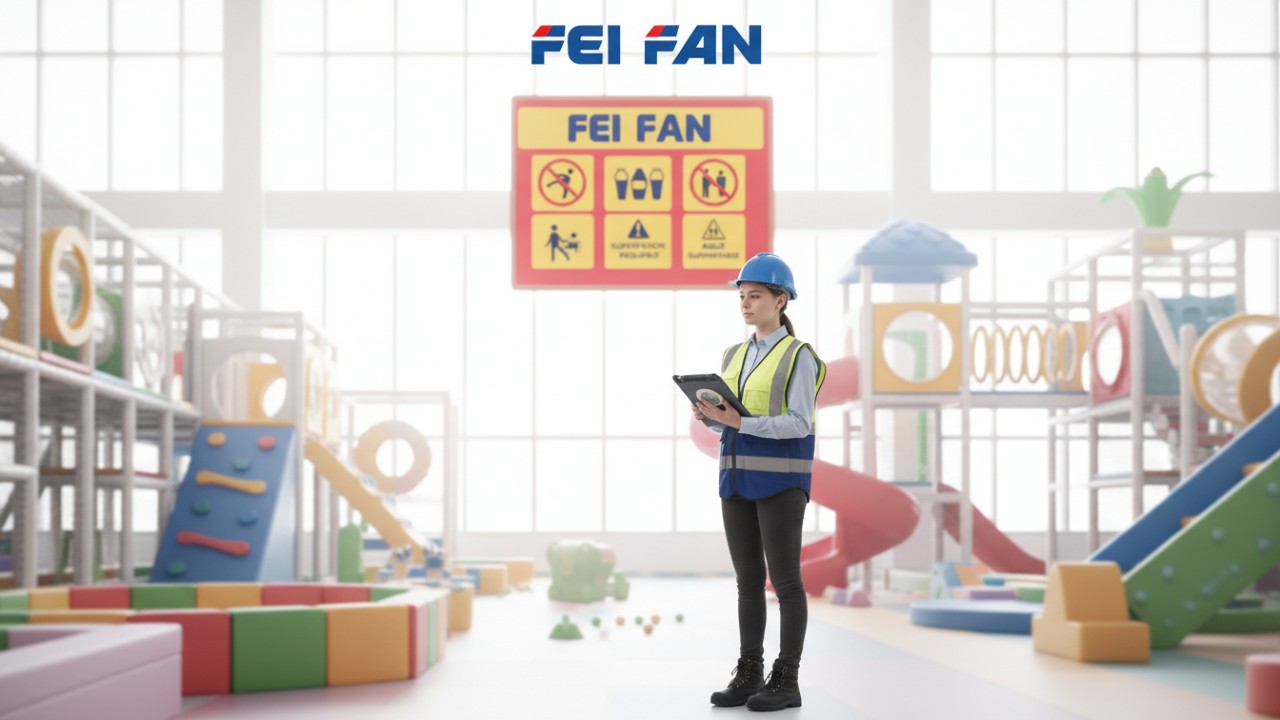
The most frequent compliance errors involve neglecting daily maintenance routines, purchasing from uncertified suppliers, and failing to segregate play zones by age. These oversights can quickly compromise safety, void soft play equipment certification, and lead to severe, costly legal liabilities.
Many new facility owners assume that safety ends once the equipment is installed. However, soft play safety is an ongoing, continuous operational requirement.
- Ignoring Maintenance: Safety is continuous, not a one-time setup. Failing to perform daily visual inspections for exposed metal or torn foam is a major liability. For comprehensive checklists, we highly recommend reading The Ultimate Guide to Soft Play Safety & Maintenance.
- Unvetted Sourcing: Purchasing cheap, uncertified equipment from non-vetted suppliers often results in a failed third-party audit before the facility even opens to the public.
- Poor Zone Separation: Failing to enforce strict, physical barriers between toddler areas and older children zones inevitably leads to dangerous high-speed collisions.
The Future of Soft Play: 2026 Tech & Safety Trends
By 2026, soft play safety is heavily driven by smart technology and advanced material science. Modern facilities now integrate real-time digital monitoring and pathogen-destroying surfaces to maintain the highest possible levels of commercial indoor playground safety and continuous hygiene.
The industry has evolved significantly to address modern health concerns and operational efficiency. In 2026, leading operators are adopting technology to close the gap in their compliance strategies:
- Antimicrobial Integration: The standard use of advanced antimicrobial foam coatings that actively destroy pathogens on contact, a direct evolution of post-COVID hygiene demands.
- Cloud-Based Monitoring: The rise of digital real-time safety monitoring and cloud-based repair logging, allowing facility operators to instantly track wear-and-tear data across multiple franchise locations.
- Eco-Friendly Durability: A massive shift toward eco-friendly, highly durable impact-absorbing materials that not only exceed current global fire and safety benchmarks but also reduce the carbon footprint of the facility.
How FEI FAN Ensures 100% Global Safety Compliance
Guangzhou Feifan Amusement Equipment Co., Ltd. (FEI FAN) guarantees complete global safety compliance by strictly adhering to ASTM and EN standards throughout manufacturing. We engineer fully customized, premium play spaces that prioritize child safety, hygiene, and long-term structural durability.
Established in 2017, FEI FAN operates from a massive 6400m² modern manufacturing facility and a 5800m² office building dedicated entirely to advancing safety and quality in the amusement sector. We specialize in comprehensive, high-end indoor playgrounds, trampoline parks, and indoor theme parks.
Our rigorous in-house R&D ensures that every structural frame, high-density foam pad, and safety net strictly adheres to ASTM F1918-12 compliance and EN 1176 metrics. We do not just sell equipment; we provide fully customized, one-stop solutions. We act as your dedicated partner in safety, ensuring that your commercial facility easily passes any local safety audits worldwide.
Global Standards Comparison: ASTM vs. EN
| Feature / Metric | ASTM F1918-12 (North America) | EN 1176 / EN 1177 (Europe) |
|---|---|---|
| Primary Application | Soft Contained Play Equipment | Public Play & Enclosed Play |
| Specific Indoor Code | Built directly into F1918 | Addressed deeply in EN 1176-10 |
| Entrapment Focus | Standard head, neck, and finger probes | Toggle test for clothing, head/neck probes |
| Chemical Toxicity | CPSIA (Lead and Phthalate limits) | EN 71 (Toxicity in toys and plastics) |
| Fire Retardancy | NFPA 701 / UL 94 equivalents | EN 13501 (Euroclass reaction to fire) |
Conclusion
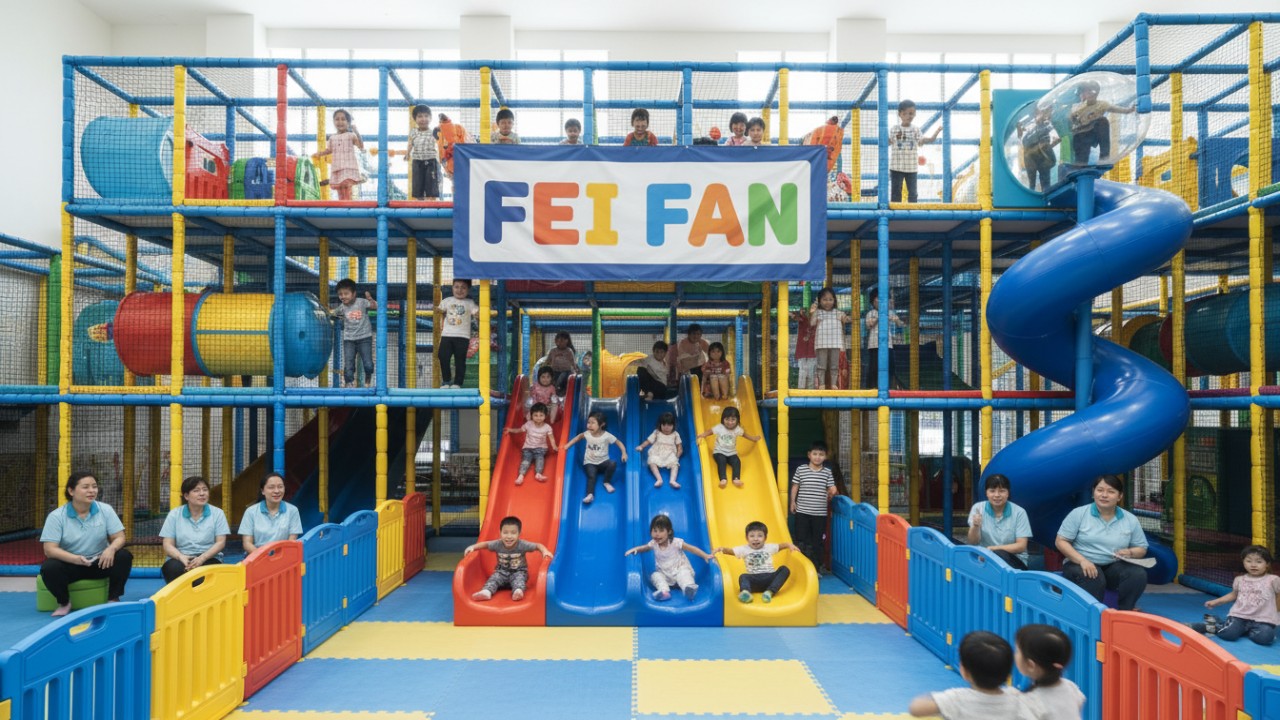
Understanding and strictly adhering to global safety protocols like ASTM F1918-12 and EN 1176 is the absolute foundation of a successful, liability-free indoor play business. By prioritizing proper daily maintenance and exclusively sourcing high-quality, certified commercial equipment, operators can ensure profound peace of mind. Investing in compliance not only protects children but ultimately secures the long-term profitability of your family entertainment center.
Contact us today at mia@kidssoftplay.com to optimize your Soft Play Safety Standards strategy and build a fully compliant play space with FEI FAN.
FAQs About Soft Play Safety Standards
What is ASTM F1918-12?
It is the standard consumer safety performance specification for soft contained play equipment published by ASTM International. It carefully outlines the required structural integrity, access and egress rules, and material safety requirements for North American indoor playgrounds.
Do indoor playgrounds need to comply with EN 1176?
Yes, especially if operating in Europe or regions that legally adopt the European standard. Part 10 of EN 1176 specifically covers the distinct safety requirements and test methods for fully enclosed indoor play equipment.
How often should soft play equipment be inspected?
Visual safety inspections should occur daily before the facility opens to the public. Additionally, comprehensive structural audits by certified professionals should be conducted monthly or quarterly, depending entirely on your regional laws and insurance requirements.
What materials are considered safe for indoor playgrounds?
Materials must be completely non-toxic, lead-free, and capable of passing stringent flammability tests like NFPA 701 or UL 94. Commonly used safe materials include high-density EPE foam, fire-retardant PVC vinyl, and heavy-duty galvanized steel piping.
Are ball pits safe and sanitary for toddlers?
Yes, provided the balls meet EN 71 or ASTM F963 toxicity standards and are correctly sized to prevent any choking hazards. Routine machine washing and the integration of antibacterial coatings ensure ball pits remain highly hygienic over time.
What is the difference between CPSC guidelines and ASTM standards?
The CPSC (Consumer Product Safety Commission) provides government safety recommendations and highly detailed public handbooks. Conversely, ASTM provides the actual technical engineering standards and scientific testing methodologies required to achieve those safety recommendations.
How do I get my indoor playground safety certified?
You must first purchase equipment from a reputable manufacturer that provides direct third-party certification documents for ASTM and EN standards. Once installed, hire a Certified Playground Safety Inspector (CPSI) to perform a thorough post-installation audit before opening.
Why is regular maintenance crucial for soft play businesses?
Regular maintenance drastically reduces the risk of injury from exposed metal, torn padding, or loose safety netting. Furthermore, consistently documented maintenance logs protect business owners against sudden liability claims and ensure ongoing compliance with local health and safety boards.
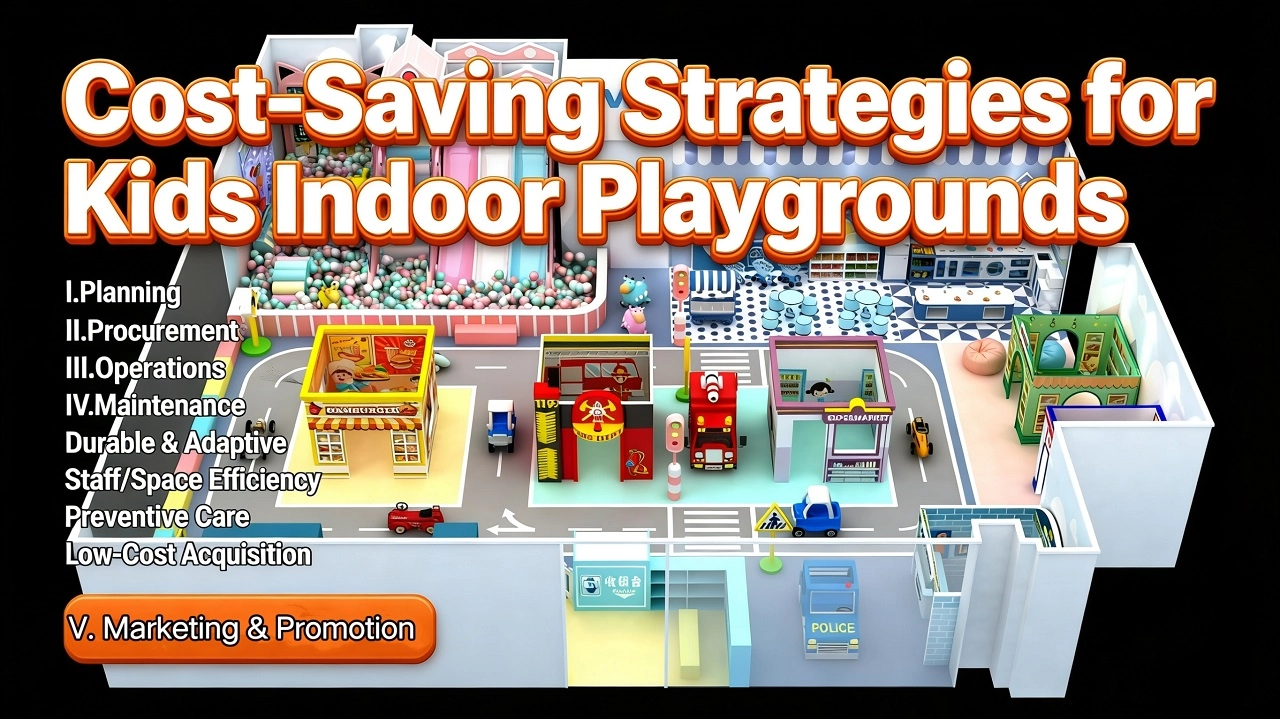
How to Reasonably Control Costs of Kids Indoor Playgrounds | Trusted Manufacture

Flourishing in Both the Middle East and Europe! What Makes Guangzhou Feifan Amusement a Leading Export Manufacturer of Indoor Playgrounds?
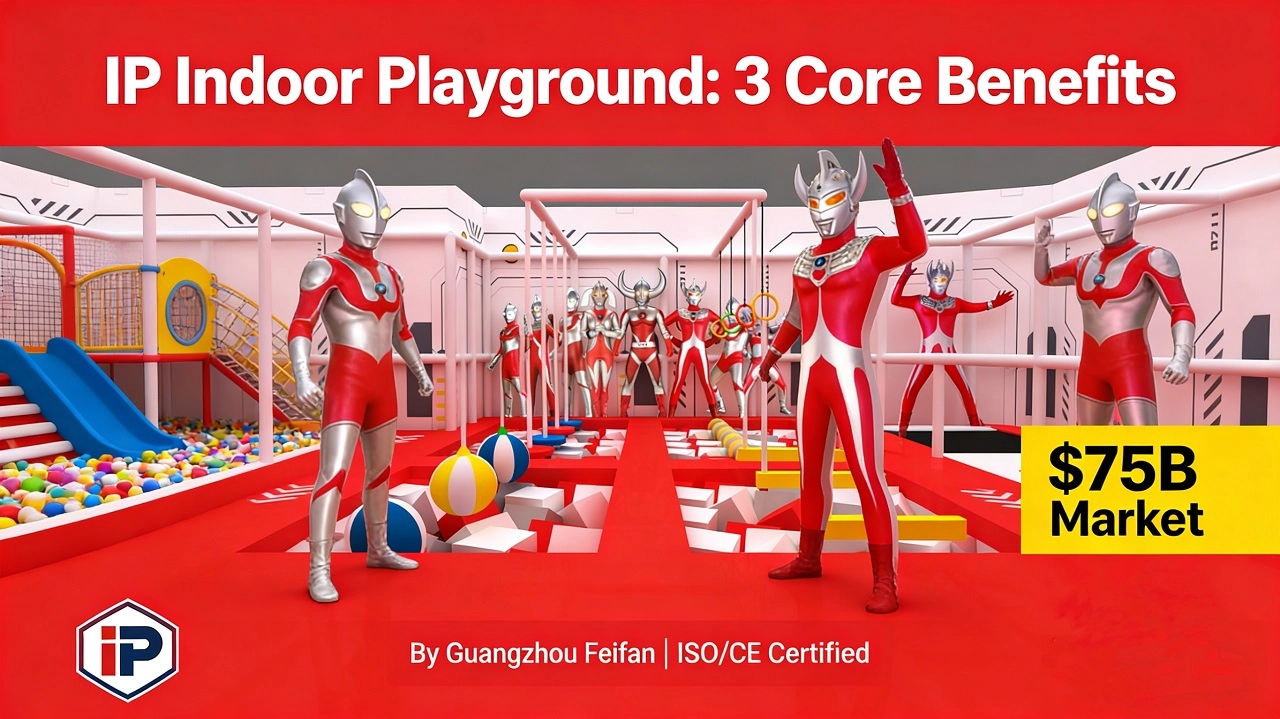
What Is an IP Indoor Playground & Its Core Benefits? | Insight by Feifan
From Concept to Operation: How to Achieve High Foot Traffic for Your Indoor Playground?
For Shipping
What is the shipping way of your products ?
The shipping way is mainly in sea freight, small products by express delivery and air .
Shopping MallsRetail Centers
Do you provide installation services abroad?
Yes, we offer on-site installation guidance, and in many regions we provide professional installation teams.
Theme park
Is the playground safe to play?
Yes. For the mental parts, there will be soft PVC pipes covering around them to protect kids from being hurt.As for the plastic parts, it's made from one class plastic materials.
Indoor Playgrounds Trampoline Parks
How long does it take to complete a project?
Depending on project size, it typically takes 4–10 weeks from design to delivery and installation.
Can you design different zones for different age groups?
Yes, we create separate play zones for toddlers, children, and teenagers to ensure safety and maximize engagement.


Send my request
Let’s Build Your Dream Indoor Playground Together
Thank you for your interest in our products and services!
We’re dedicated to providing you with the best possible support and solutions for your needs.
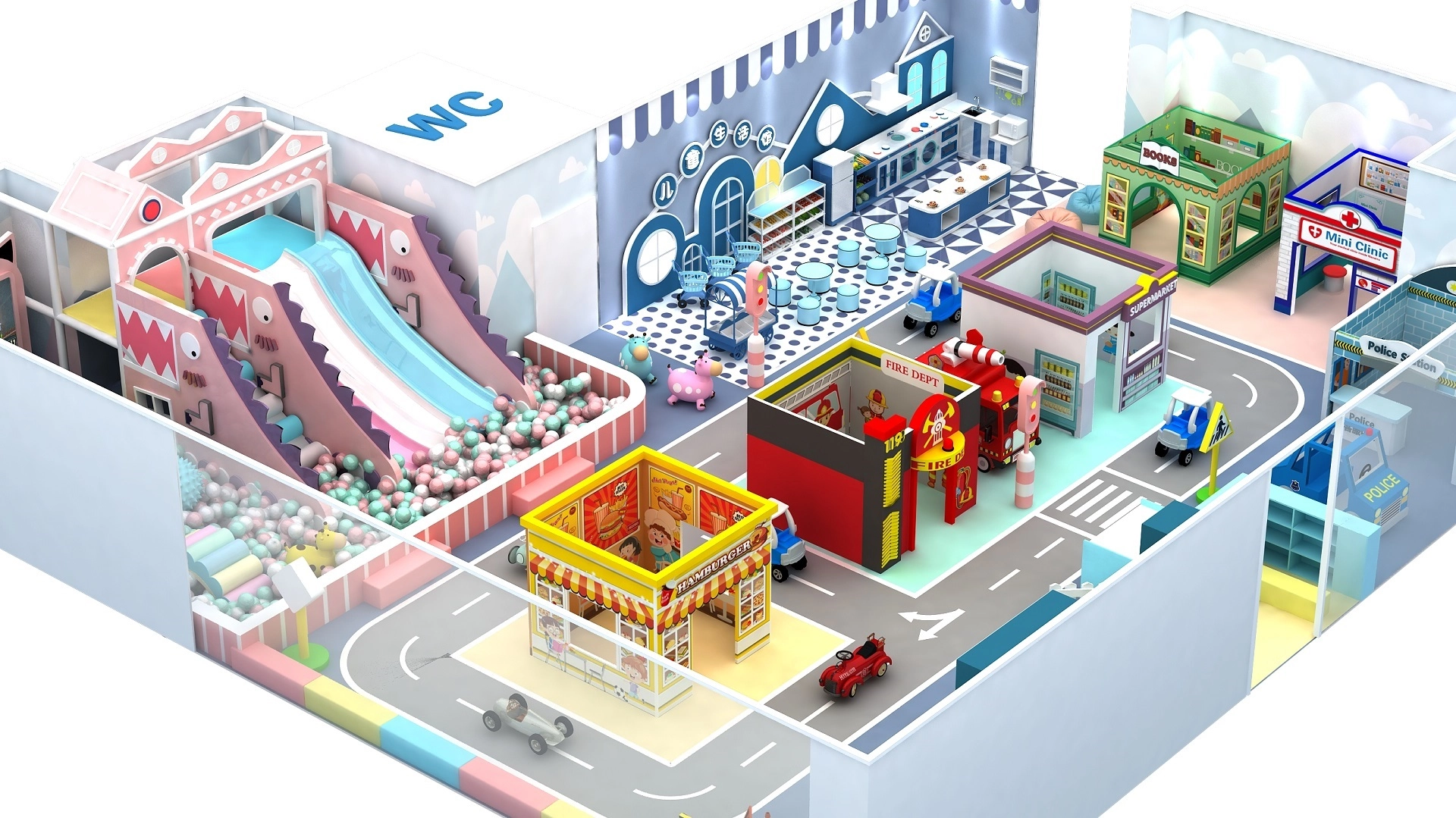
FEI FAN is a premier Indoor Playground Manufacturer specializing in Kids Soft Play Equipment. From design to installation, we provide one-stop solutions for indoor play centers, daycares, and commercial venues globally.
© 2025 Feifan Amusement Equipment. All Rights Reserved.
 Scan QR Code
Indoor Soft Playground
Whatsapp: +8619068970573
Scan QR Code