
Toddler Soft Play Equipment: Choosing the Best for Ages 0-5 in 2026
What is Toddler Soft Play Equipment?
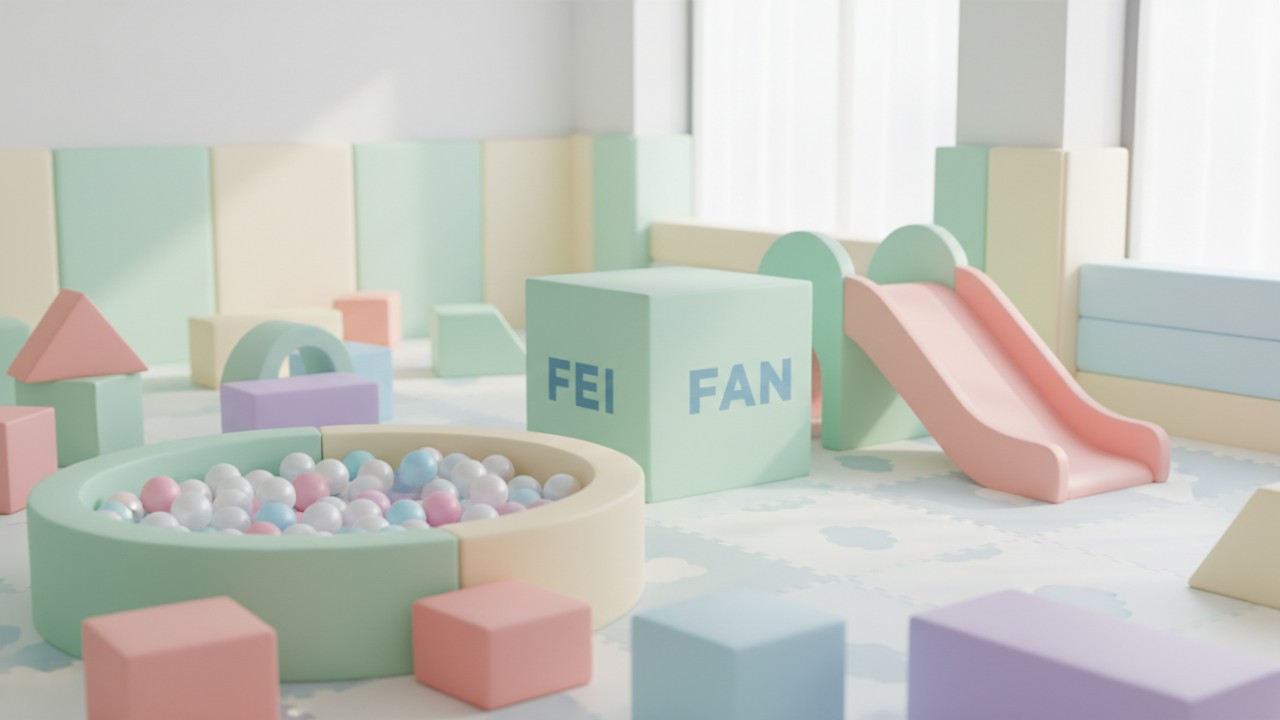
Toddler soft play equipment refers to cushioned, high-density foam structures—like climbing blocks, tunnels, and ball pits—specifically designed for children aged 0-5. These padded sets provide a safe, engaging environment that encourages early physical activity without the risk of hard impacts.
When investing in indoor playground equipment for toddlers, it is critical to understand the engineering behind these foundational products. Soft play items are crafted by enclosing specialized shock-absorbing materials inside durable, easy-to-clean synthetic covers. The primary goal is to create a dynamic and interactive playground that challenges young minds and developing bodies, all while eliminating the sharp edges and hard surfaces traditionally found in outdoor parks. In 2026, the demand for these modular padded environments has surged, driven by a growing awareness of early childhood developmental milestones and stricter international safety regulations. Whether you are outfitting a busy commercial daycare, a trampoline park, or a dedicated space at home, prioritizing high-quality, child-safe foam play equipment is the very first step toward building a successful and stimulating play zone for infants and toddlers.
Key Takeaways: Quick Summary for Buyers
When buying soft play gear, the most important factors are safety certifications, developmental value, space planning, and material quality. Prioritizing commercial-grade materials ensures long-term durability and creates a secure environment for early childhood development.
If you are looking to purchase a custom indoor toddler play area, keep these crucial expert points in mind before making an investment:
- Prioritize Safety Certifications: Always look for non-toxic, fire-retardant materials. Equipment must strictly comply with rigorous international safety benchmarks like ASTM and EN standards to guarantee a harmless environment for sensitive infants and toddlers.
- Focus on Development: Choose pieces that actively promote fundamental gross motor skills. Features like step-and-slides, soft crawlers, and nesting centers encourage young children to move, balance, and explore safely.
- Consider the Space: Modular equipment is highly recommended by facility planners. These versatile units can be easily reconfigured, expanded, or minimized to perfectly fit different room sizes, which is crucial in 2026 when commercial real estate space is at a premium.
- Commercial vs. Residential Materials: Commercial-grade EPE foam and premium PU leather offer exponentially better longevity than standard home-use polyurethane foam. They are engineered to resist sagging, tearing, and puncturing, even in demanding, high-traffic commercial settings.
Why Soft Play Matters: Developmental Benefits for Ages 0-5
Soft play matters because it safely accelerates essential early childhood development, specifically targeting physical strength, sensory processing, and cognitive growth. These interactive environments allow young children to test their physical limits without the fear of serious injury.
Early childhood is a critical window for acquiring fundamental skills, and active play is the most effective vehicle for this learning. According to Wikipedia, gross motor skills involve the movement and coordination of the arms, legs, and other large body parts, which are critical during early childhood development. High-quality soft play directly stimulates these vital biological systems.
- Enhancing Gross Motor Skills: Navigating soft ramps, padded stairs, and uneven foam blocks helps toddlers master crawling, walking, and balancing. This continuous active movement is crucial for building core strength and stability.
- Cognitive Growth: Unstructured, open-ended play in a safe environment allows children to problem-solve naturally. Montessori toddler play sets rely on this exact principle, utilizing simple geometric shapes to encourage imagination, spatial reasoning, and independent thought.
- Social and Emotional Development: Group play areas naturally foster interaction among peers. Toddlers learn foundational concepts about sharing, taking turns, and interactive communication when navigating a shared play space with other children.
- Sensory Stimulation: Different material textures, bright or high-contrast color palettes, and dynamic, irregular shapes help refine sensory processing. This immediate sensory feedback is vital for neurological development in the first five years of life.
Top Types of Soft Play Equipment for Toddlers
The top types of toddler soft play equipment include soft play climbers, foam ball pits, crawl tunnels, and interactive soft building blocks. Each type serves a distinct developmental purpose, offering varied challenges that keep children actively engaged.
Selecting the right mix of equipment is essential for building a well-rounded and deeply enriching play area that caters to various ages within the 0-5 range:
- Soft Play Climbers and Steps: These are the foundational pieces of any indoor park. Commercial soft play climbing blocks are essential for building leg strength, improving spatial awareness, and teaching toddlers how to safely ascend and descend inclines.
- Foam Ball Pits: A classic favorite across all demographics, soft ball pits provide a safe, sensory-rich environment that toddlers love. The gentle buoyancy of the balls offers a unique tactile experience and deep pressure stimulation that can be incredibly calming.
- Tunnels and Crawl Spaces: Enclosed soft tunnels encourage brave exploration and help develop intense core strength as children navigate through tight, padded spaces. They also reinforce the psychological concept of object permanence.
- Interactive Soft Building Blocks: Large, stackable foam blocks promote interactive, hands-on learning. They require intense hand-eye coordination and often foster teamwork, allowing children to build, destroy, and rebuild large structures entirely safely.
2026 Trends & Gaps: What Most Guides Miss About Soft Play
In 2026, soft play trends emphasize eco-friendly materials, advanced spatial efficiency, minimalist aesthetics, and long-term cost analysis. Modern buyers are shifting away from basic PVC toward sustainable, high-durability fabrics that blend seamlessly into modern spaces.
Many traditional purchasing guides fail to address the rapid evolution in playground manufacturing and interior design. Staying ahead of these definitive 2026 trends ensures your investment remains relevant, incredibly safe, and visually appealing for years to come:
- The Shift Towards Eco-Friendly Materials: The indoor playground industry is rapidly moving beyond standard, outdated PVC. There is a massive B2B demand for sustainable, ultra-durable PU leather covers that are entirely free from harmful phthalates and toxic off-gassing.
- Aesthetic Integration: Gone are the days of exclusively loud, primary colors. The rising popularity of pastel, neutral, and minimalist color palettes allows indoor playground equipment to blend seamlessly into modern commercial spaces, family entertainment centers, and high-end residential homes.
- Advanced Spatial Efficiency: Designing intelligent, modular sets that maximize vertical space is critical for smaller urban daycares and boutique play cafes. Stackable and multi-purpose pieces provide maximum play value in limited square footage.
- Long-Term Cost Analysis: Most guides miss the essential financial strategy behind soft play. Investing in commercial-grade, high-density foam initially saves a facility money by completely eliminating the need for frequent replacement costs over a typical 3-5 year operational cycle.
Data Comparison: Home vs. Commercial Toddler Soft Play Sets
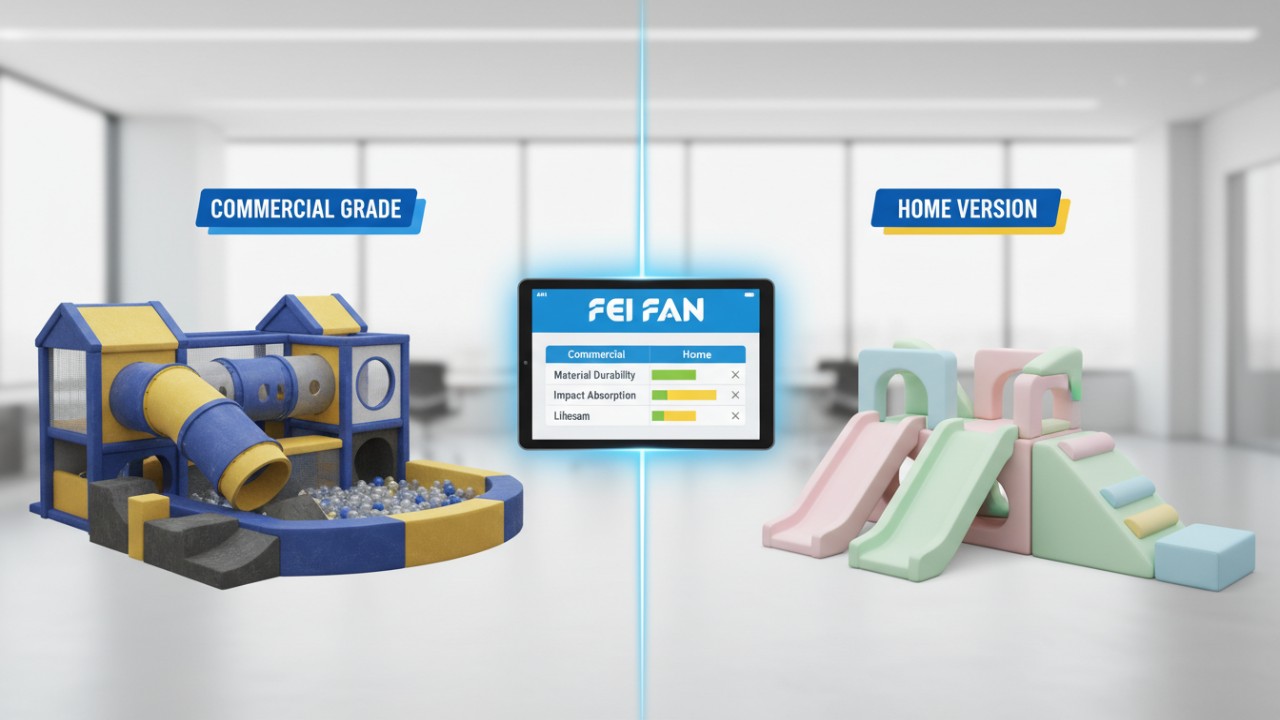
Choosing between home and commercial soft play sets depends on usage frequency, budget, and desired lifespan. Commercial sets utilize denser foams and robust covers designed for constant daily use, whereas residential sets are built for lighter play.
When outfitting an indoor playground or daycare, understanding the technical differences between material grades is arguably the most crucial decision. Below is a detailed, side-by-side data comparison to guide your purchasing decision and budget allocation in 2026.
| Feature / Specification | Residential Soft Play Equipment | Commercial Soft Play Equipment |
|---|---|---|
| Foam Density | Low to Medium (Standard Polyurethane) | High-Density (EPE Foam) |
| Cover Material | Basic Vinyl, Oxford Cloth, or Fabric | Heavy-Duty PU or Commercial PVC |
| Durability & Lifespan | 1 - 2 Years (Light, occasional use) | 5 - 10 Years (Heavy, continuous use) |
| Maintenance | Spot cleaning required, often porous | 100% waterproof, seamless wipe-clean |
| Safety Certifications | Basic consumer toy standards | Strict ASTM / EN commercial standards |
| Best Suited For | Home playrooms, individual family use | Daycares, indoor theme parks, FECs |
Common Mistakes to Avoid When Buying Soft Play Sets (Expert Tips)
The most common mistakes when purchasing soft play sets include ignoring safety certifications, selecting incorrect foam density, neglecting cleaning protocols, and failing to zone by age appropriately. Avoiding these errors ensures a safer and more hygienic play area.
As reported by Nemours KidsHealth, adult supervision and proper use of equipment—such as sliding feet-first and avoiding wet surfaces—are essential steps in preventing common playground injuries, but true safety always starts with the equipment itself.
- Ignoring Safety Certifications: Never compromise on EU/ASTM safety standards and fire-retardant requirements. Uncertified equipment poses a massive liability and a severe physical safety risk to children.
- Buying the Wrong Density Foam: Equipment that is too soft will sink dramatically under a toddler's weight, causing dangerous tripping hazards and ankle sprains. Conversely, equipment that is too hard completely defeats the core purpose of cushioned soft play.
- Neglecting Cleaning Protocols: Avoid materials with cheap, porous stitching that can easily trap harmful bacteria, bodily fluids, and dirt. Always opt for seamless, heavily reinforced, wipe-clean surfaces that can withstand commercial-grade hospital sanitizers.
- Poor Age Zoning: Mixing 0-2 year old equipment with 3-5 year old equipment can lead to severe safety hazards. Older toddlers naturally play much more aggressively; keeping their high-energy active zones entirely separate from vulnerable, crawling babies is absolutely critical.
How Guangzhou Feifan Amusement Equipment Leads the Industry
Guangzhou Feifan Amusement Equipment Co., Ltd. leads the industry by providing premium, highly customized indoor playground and toddler soft play solutions. Since 2017, we have combined innovative design with strict quality control to deliver joyful, safe environments worldwide.
At FEI FAN, we understand that building exceptional play areas requires much more than just foam and fabric—it requires precision engineering, creative vision, and a deep, empathetic understanding of early childhood development.
- State-of-the-Art Manufacturing: As a global leader established in 2017, we operate a massive 6400m² modern factory building dedicated entirely to premium play solutions, alongside a 5800m² R&D and office building.
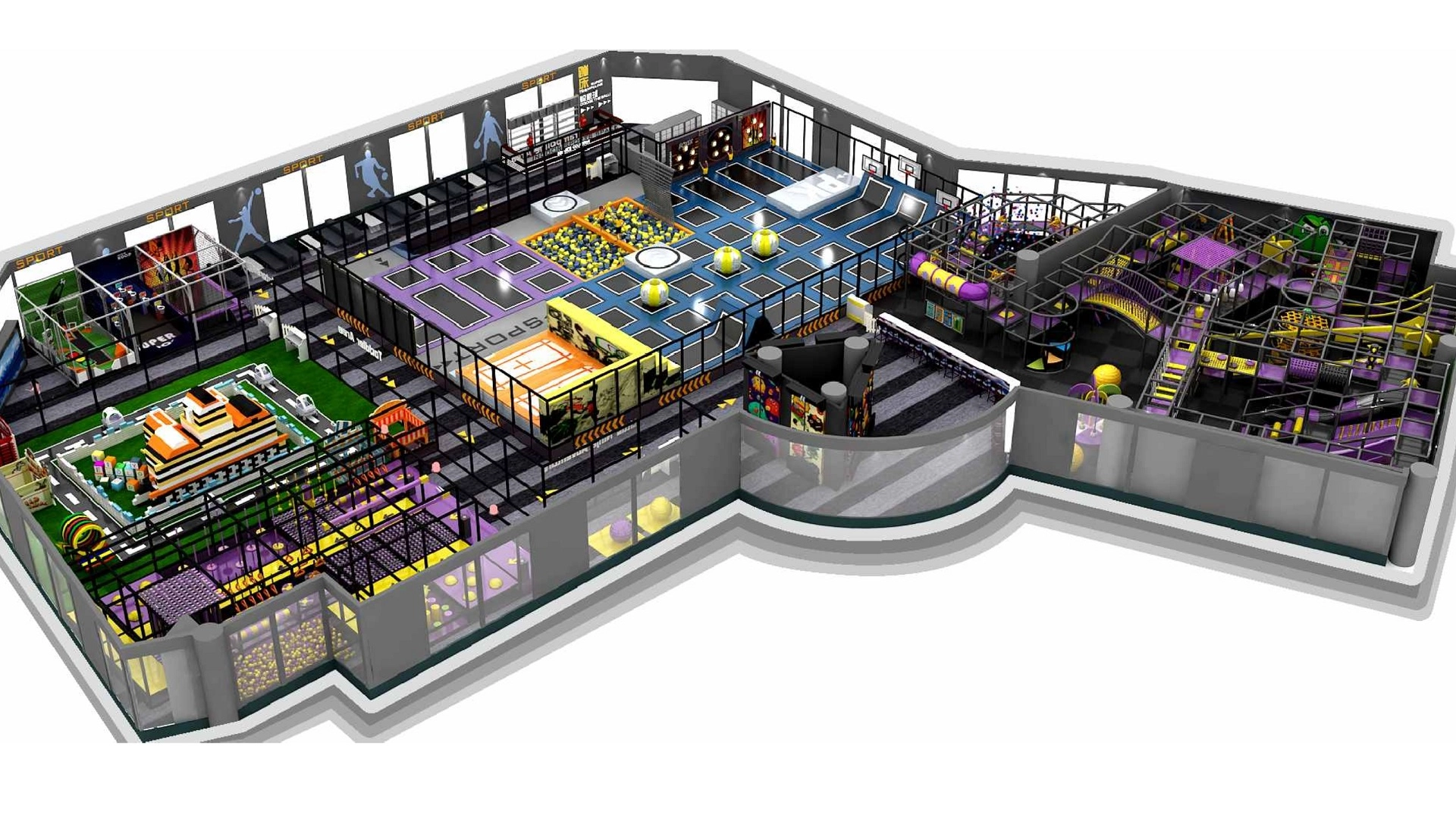
- One-Stop Customized Solutions: We offer fully customized indoor playground, trampoline park, and indoor theme park designs tailored specifically for your exact floor plan. Our designs perfectly integrate into daycares, theme parks, and commercial centers.
- Uncompromising Quality & Service: From innovative research and strict quality control to global sales and professional installation services, FEI FAN is committed to creating joyful, safe, and imaginative spaces. We are not just manufacturers—we are creators of joyful experiences and dedicated companions in child development.
Building the Perfect Toddler Zone: Layout and Spacing Tips
Building the perfect toddler zone requires establishing clear boundaries, ensuring adequate fall clearance, and creating a logical play flow based on height and difficulty. Proper spatial planning maximizes both safety and the overall user experience.
For a truly extensive look at spatial planning and commercial viability, we highly recommend reading The Ultimate Guide to Indoor Play Area Design. To get started right away on your specific toddler zone layout, strictly adhere to these fundamental structural guidelines:
- Establish Clear Boundaries: Use low soft-play partition walls, modular padded fencing, or specialized bright baby play mats to clearly visually and physically separate the toddler zone from older children's active areas. This prevents accidental collisions from running kids.
- Ensure Adequate Clearance: Always leave at least 3-4 feet of safe, unobstructed, padded landing space around all active climbers, building blocks, and slides to immediately prevent injuries from inevitable tumbles.
- Create a Logical Flow: Place lower, crawling-focused sensory items near the entrance of the area for babies. Taller, more challenging commercial soft play climbing blocks should be positioned toward the far back to naturally direct older, more capable toddlers away from the entrance.
Conclusion
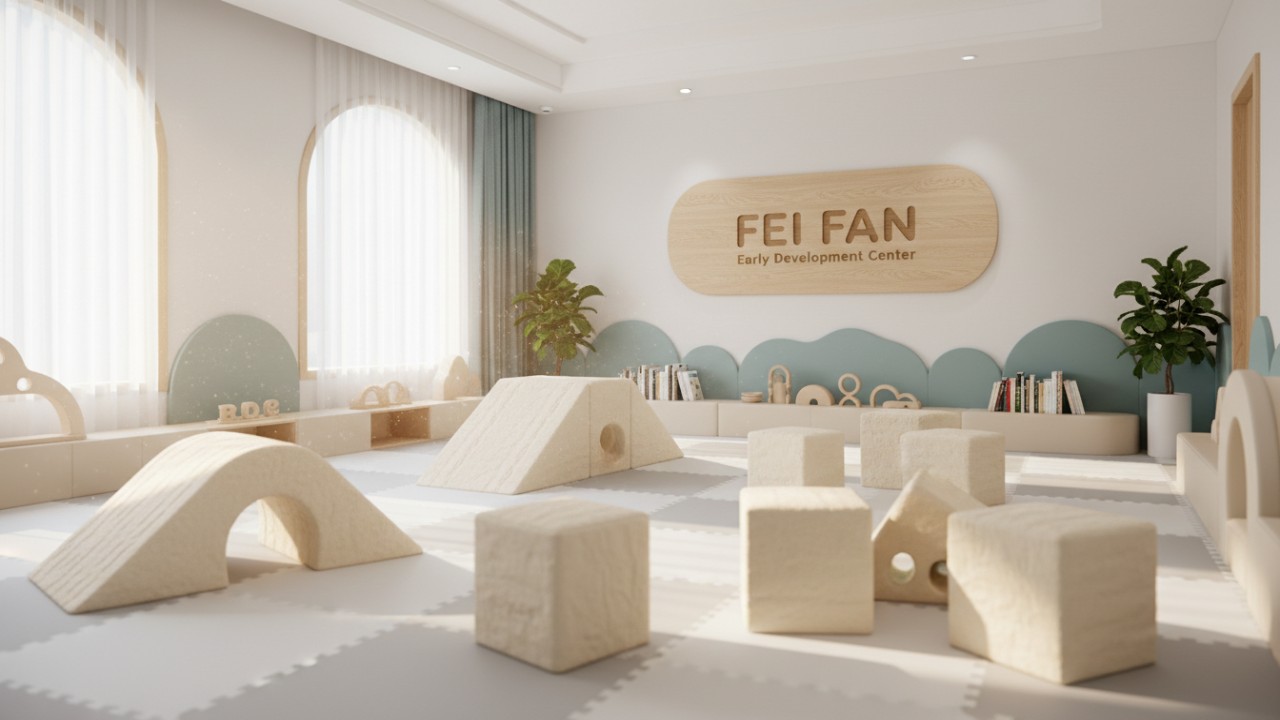
Choosing the right toddler soft play equipment for ages 0-5 requires balancing uncompromising safety, incredible developmental benefits, and high-quality commercial materials to ensure long-lasting fun. By focusing intently on proper foam density, age-appropriate modular design, and reliable, certified manufacturing standards, you can effortlessly create the ultimate engaging environment for early childhood growth. As the industry evolves deeper into 2026, investing in sustainable, commercial-grade soft play solutions from proven global manufacturers like FEI FAN guarantees a vastly superior return on investment and unparalleled child safety. Reach out to our expert team at mia@kidssoftplay.com or explore our full catalog at www.kidssoftplay.com to begin designing your dream playground. Contact us today to optimize your Toddler Soft Play Equipment strategy.
FAQs About Toddler Soft Play Equipment
What age is soft play equipment suitable for?
Soft play equipment is primarily designed for children aged 0 to 5 years old. The cushioned environment is perfect for babies learning to crawl and toddlers developing their climbing and walking skills.
How do I clean and sanitize foam soft play blocks?
Most high-quality soft play equipment features PU or PVC leather covers. These can be easily cleaned using a mild soap and water solution, followed by a non-toxic, child-safe sanitizing wipe or spray.
Are soft play sets safe for babies learning to walk?
Yes, soft play sets are highly recommended for babies learning to walk. The dense foam provides a sturdy yet forgiving surface that cushions falls and builds confidence during early steps.
What is the difference between EPE foam and standard foam in play sets?
EPE (Expanded Polyethylene) foam is denser, more resilient, and offers superior shock absorption compared to standard polyurethane foam. It retains its shape much longer, making it ideal for commercial use.
Can commercial soft play equipment be used in a home playroom?
Absolutely. While commercial equipment is built to withstand heavy traffic in daycares or playgrounds, its durability and safety make it an excellent, long-lasting investment for a home playroom.
How much space do I need for a toddler indoor playground?
Space requirements vary widely. A basic corner setup might only need 50-100 square feet, while a comprehensive commercial toddler zone typically requires 200 to 500+ square feet to allow for safe clearance.
Do soft play climbers help with motor skill development?
Yes, climbers challenge toddlers to use their arms, legs, and core. This active movement significantly improves gross motor skills, balance, spatial awareness, and overall physical strength.
How long does high-quality soft play equipment last?
With proper maintenance and cleaning, commercial-grade soft play equipment manufactured with high-density foam and durable vinyl covers can last 5 to 10 years, even in high-traffic environments.
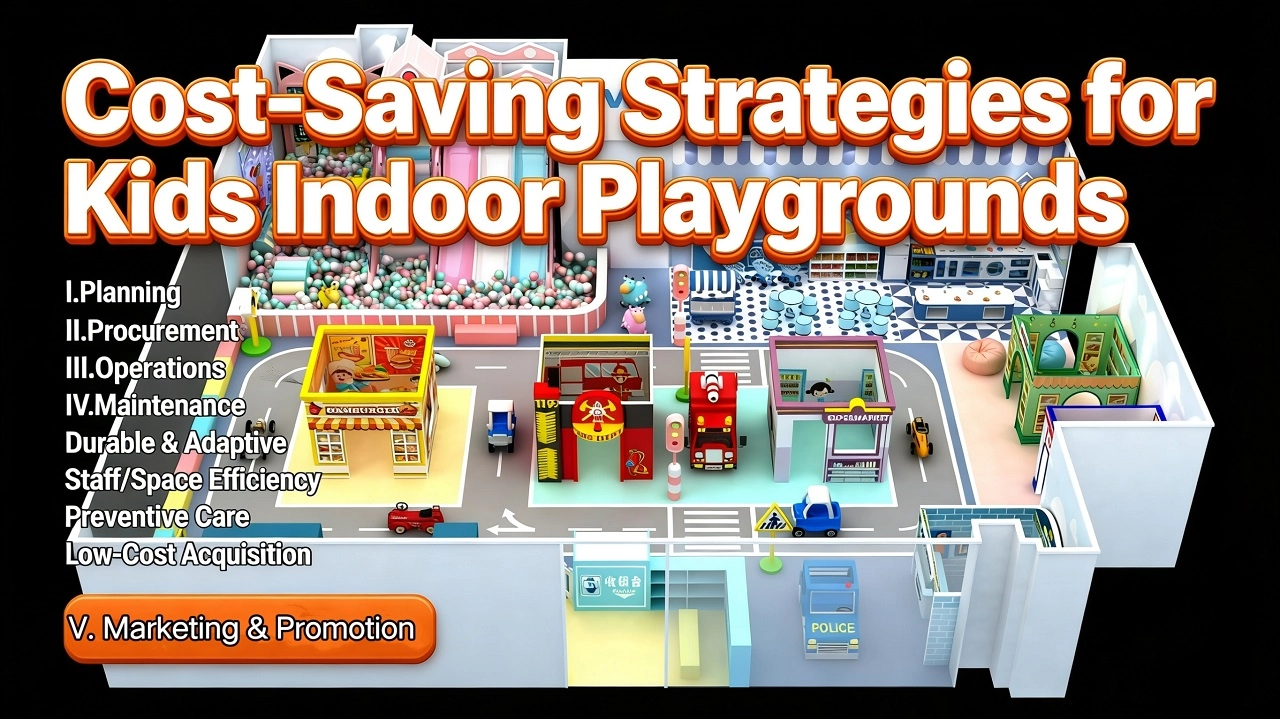
How to Reasonably Control Costs of Kids Indoor Playgrounds | Trusted Manufacture

Flourishing in Both the Middle East and Europe! What Makes Guangzhou Feifan Amusement a Leading Export Manufacturer of Indoor Playgrounds?
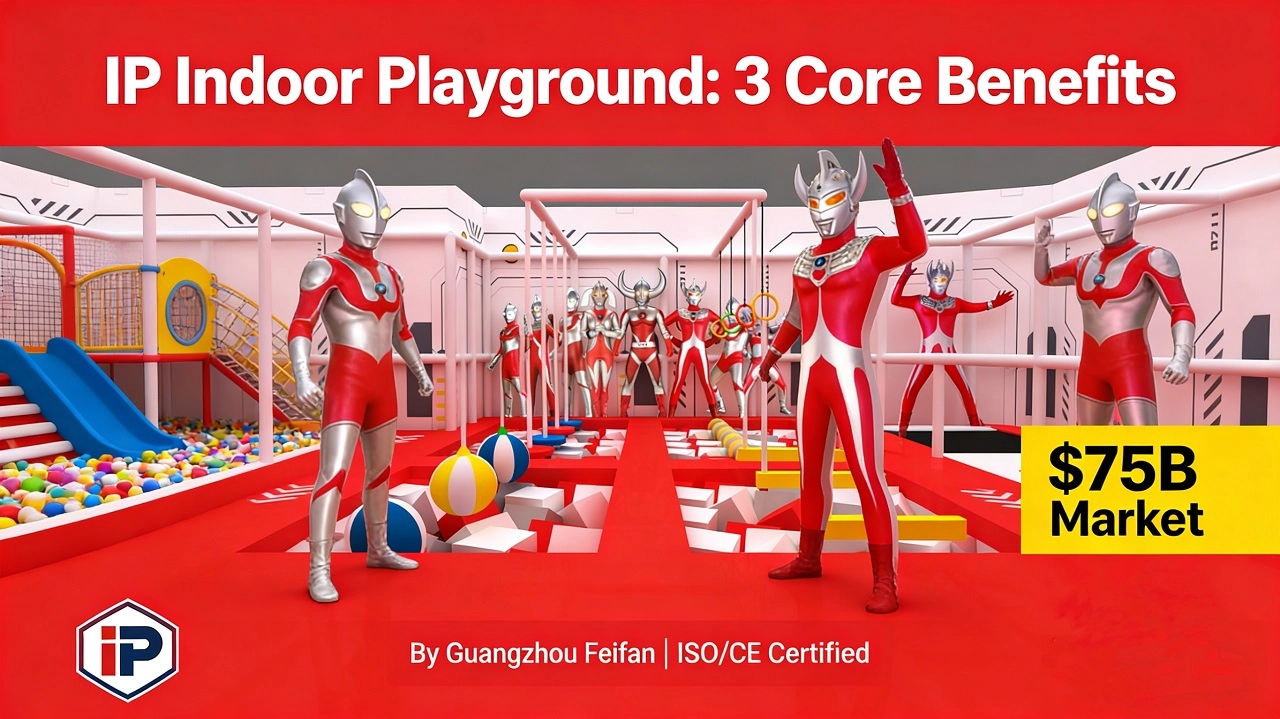
What Is an IP Indoor Playground & Its Core Benefits? | Insight by Feifan
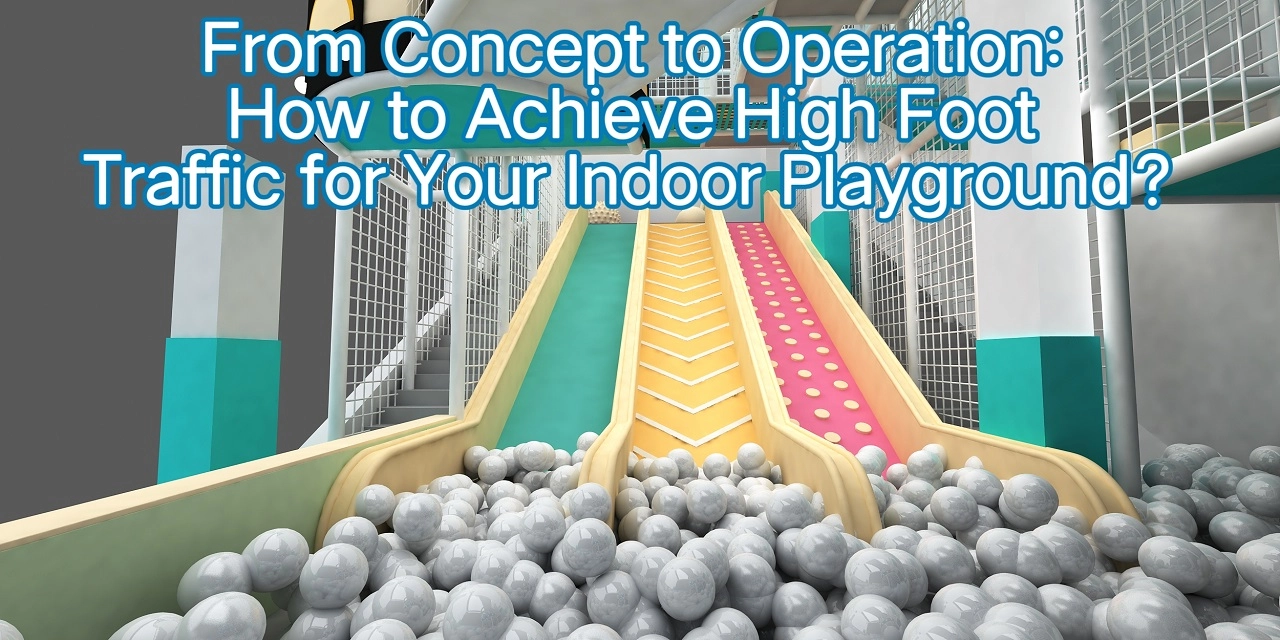
From Concept to Operation: How to Achieve High Foot Traffic for Your Indoor Playground?
Indoor Playgrounds Trampoline Parks
Do you provide international installation and after-sales support?
Yes, we offer on-site installation guidance, professional teams in many regions, and long-term after-sales services worldwide.
Schools Educational Institutions
Can you provide educational-themed playgrounds?
Yes, we create learning-based play concepts, such as alphabet walls, math games, and science-themed playgrounds.
How long does installation take?
Most school projects are completed within 3–6 weeks, depending on size and complexity.
Can equipment be used for both play and sports training?
Yes, we design multi-functional equipment that combines entertainment with physical exercise, suitable for PE classes and free play.
OEM & ODM
What are the customized services?
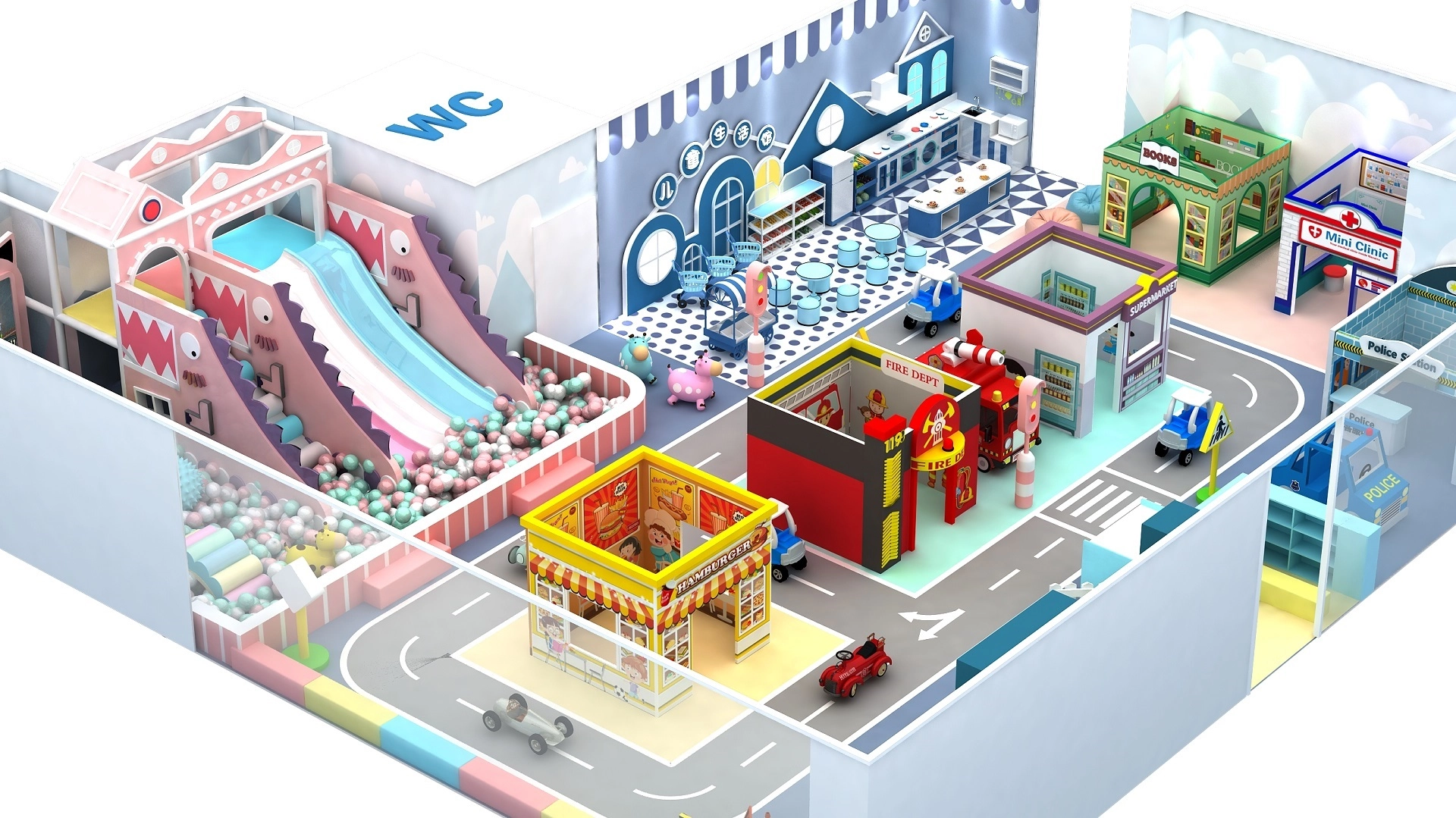
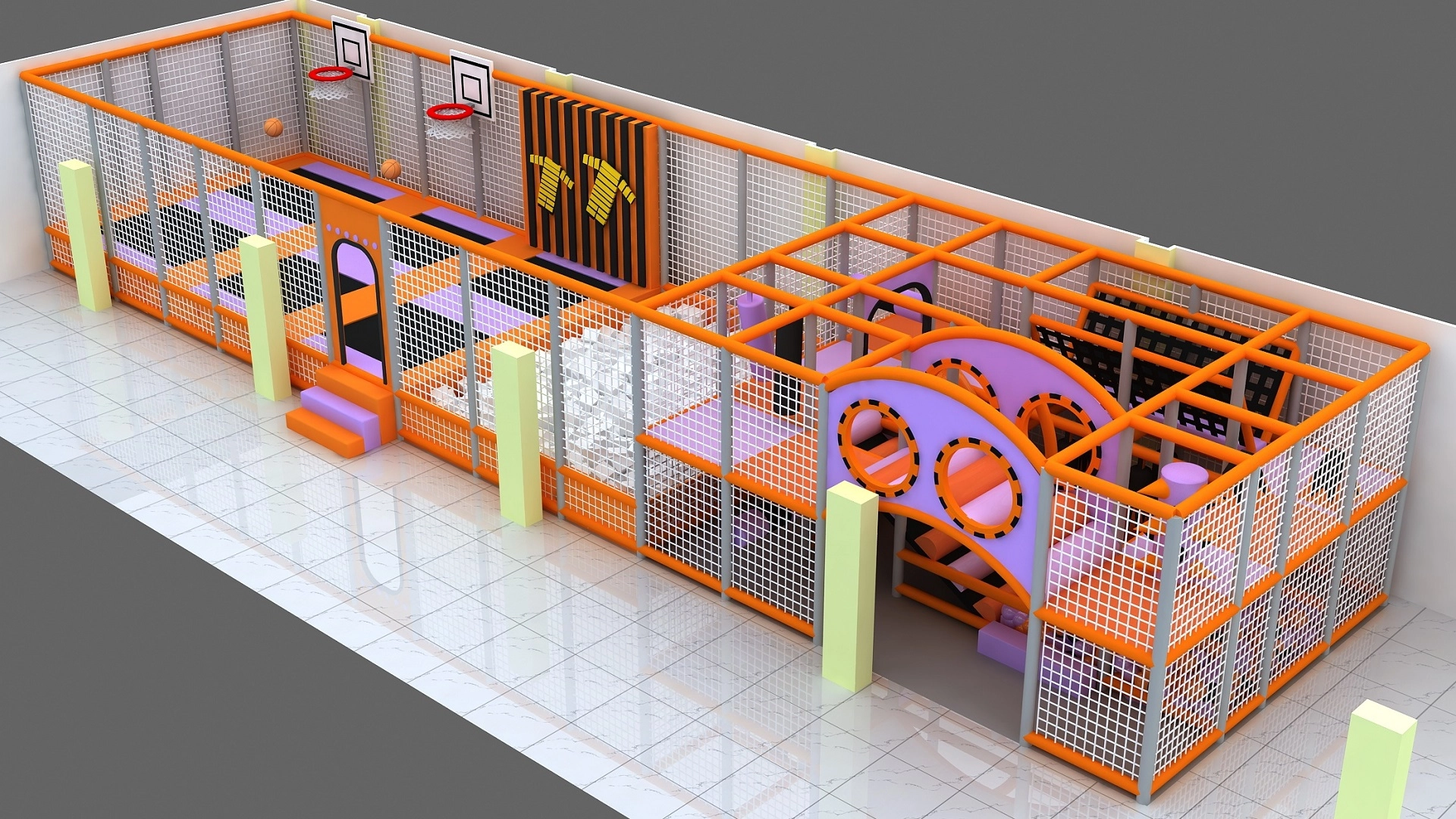
We can provide customized service ofclients demands ,include theme customization, function customization, LOGO ,IP, size etc.


Send my request
Let’s Build Your Dream Indoor Playground Together
Thank you for your interest in our products and services!
We’re dedicated to providing you with the best possible support and solutions for your needs.
FEI FAN is a premier Indoor Playground Manufacturer specializing in Kids Soft Play Equipment. From design to installation, we provide one-stop solutions for indoor play centers, daycares, and commercial venues globally.
© 2025 Feifan Amusement Equipment. All Rights Reserved.
 Scan QR Code
Indoor Soft Playground
Whatsapp: +8619068970573
Scan QR Code