DIY vs Custom Indoor Playground Equipment: Pros and Cons
DIY vs Custom Indoor Playground Equipment: Pros and Cons
Choosing between DIY vs Custom Indoor Playground Equipment: Pros and Cons is a common for business owners, daycare operators, and parents planning a play space. This article explains the real differences — costs, safety, timelines, compliance, and long-term value — so you can make an informed purchasing or build decision.
Why this comparison matters for buyers and operators
Understanding DIY vs Custom Indoor Playground Equipment: Pros and Cons helps owners match budget and operational goals. A wrong choice can cost more through repairs, liability exposure, or missed revenue from downtime. The keyword buy custom indoor playground or DIY indoor playground safety reflects users searching with to either purchase or build a play solution.
Cost comparison: initial spend and lifecycle costs
Price is often the first decision factor in DIY vs Custom Indoor Playground Equipment: Pros and Cons. While DIY appears cheaper up front, lifecycle costs can reverse the apparent savings.
Typical cost ranges and variables
Costs vary by scale, materials, and regulatory needs. Typical ranges (industry-observed): DIY small home or community play set: $500–$5,000. Semi-DIY kits for small businesses or preschools: $2,000–$15,000. Fully custom commercial indoor playgrounds (design, manufacture, install): $10,000–$200,000+ depending on size and features. Custom projects usually include professional design, warranties, and project management—important for business use.
Cost comparison table
| Factor | DIY | Custom (Commercial) |
|---|---|---|
| Typical upfront cost | $500–$15,000 | $10,000–$200,000+ |
| Installation time | 1–4 weeks | 4–12+ weeks (design + install) |
| Warranty & support | Usually none | 1–5 years or more |
| Lifecycle/expected lifespan | 3–7 years | 7–15+ years |
| Maintenance complexity | Low to medium, owner-managed | Planned maintenance, manufacturer support |
| Compliance & certification | Varies, owner responsibility | Designed to meet ASTM/EN standards |
Safety and compliance differences
Safety is the central part of the DIY vs Custom Indoor Playground Equipment: Pros and Cons debate. Commercial indoor playgrounds face higher legal and insurance responsibilities than home projects.
Standards and regulation
Commercial play equipment should be designed to meet recognized standards: ASTM F1487 (playground equipment for public use), ASTM F1292 (surfacing impact attenuation), and EN 1176 (European playground equipment standard). Custom manufacturers typically design and document compliance; DIY projects leave compliance to the owner unless kits explicitly reference standards.
Risk exposure and liability
With DIY builds, the owner assumes most liability for injuries and equipment failure. Custom solutions from reputable manufacturers usually come with design validation, documented safety testing, and warranties that reduce legal risk and may lower insurance High Qualitys.
Time-to-operation and project management
Timeline and project complexity factor into DIY vs Custom Indoor Playground Equipment: Pros and Cons. Businesses often need predictable timelines; DIY can be faster for very small projects but risky for larger commercial installs.
Typical timelines
DIY: small installations or kits can be assembled in days to a few weeks. Custom: design, approvals, manufacture, shipping, and professional installation usually require 4–12 weeks or more depending on customization level and lead times.
Durability, maintenance, and total cost of ownership
Long-term operational costs differentiate DIY vs Custom Indoor Playground Equipment: Pros and Cons. A cheaper initial buy may lead to higher repair and replacement expenses later.
Maintenance and replacement cycles
DIY equipment often uses consumer-grade materials that wear faster in high-traffic commercial settings. Custom equipment is engineered for intensive use, uses commercial-grade foams, stainless and powder-coated steels, and replaceable components. Planned maintenance and available spare parts from manufacturers extend service life and lower unexpected downtime costs.
Design flexibility and branding
Design matters for customer attraction and retention — a key commercial-intent consideration when comparing DIY vs Custom Indoor Playground Equipment: Pros and Cons.
Customization options
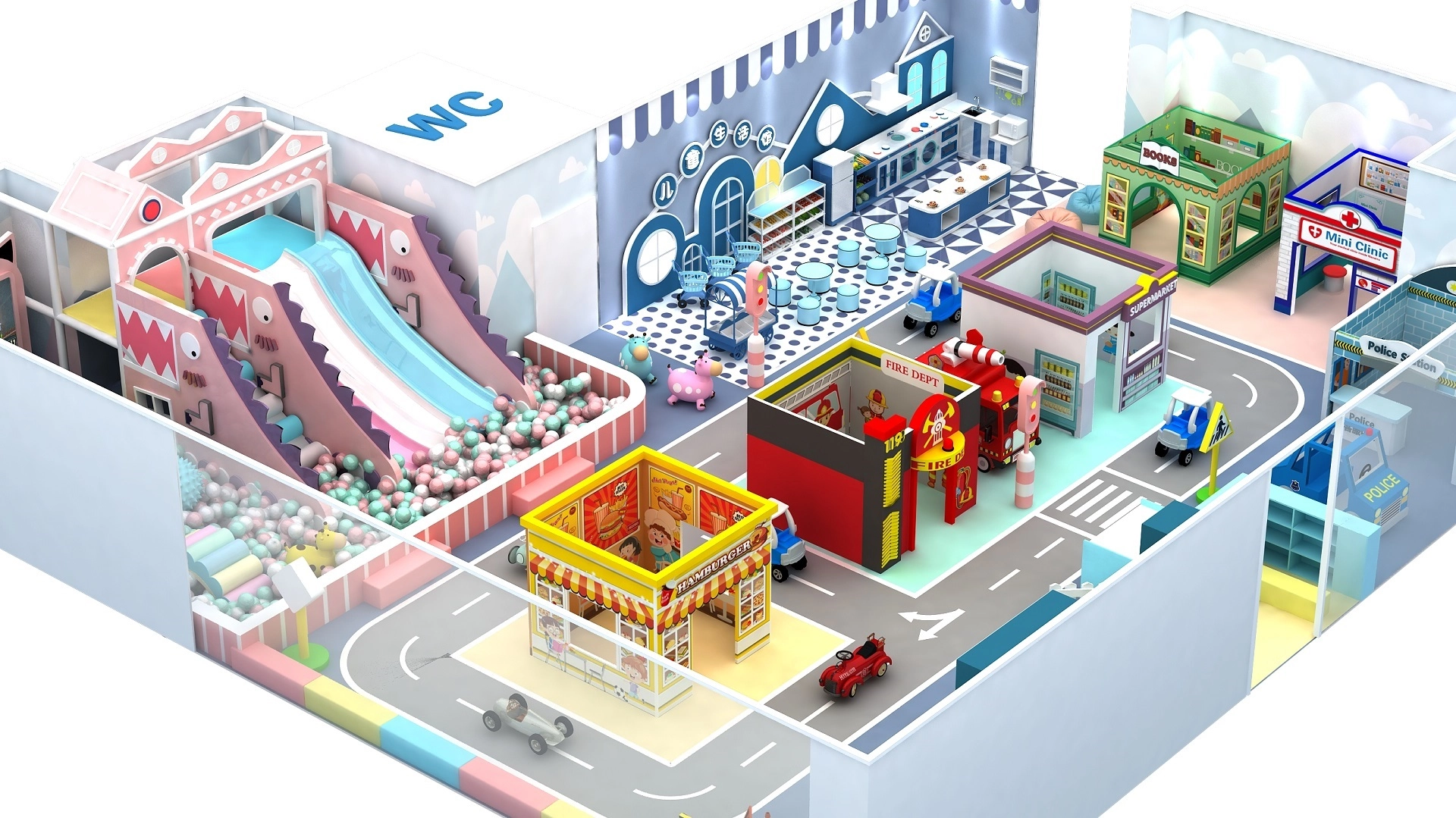
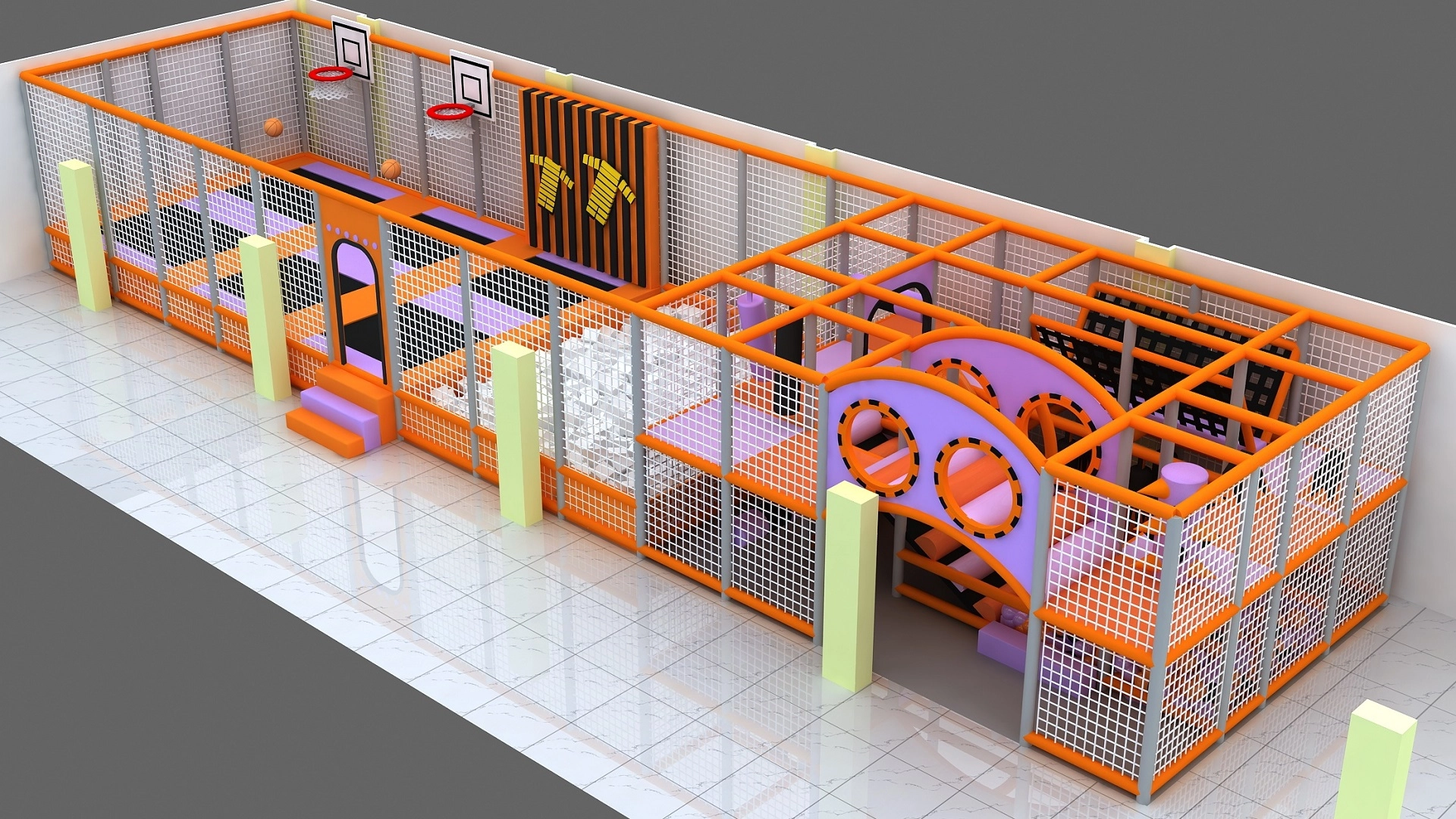
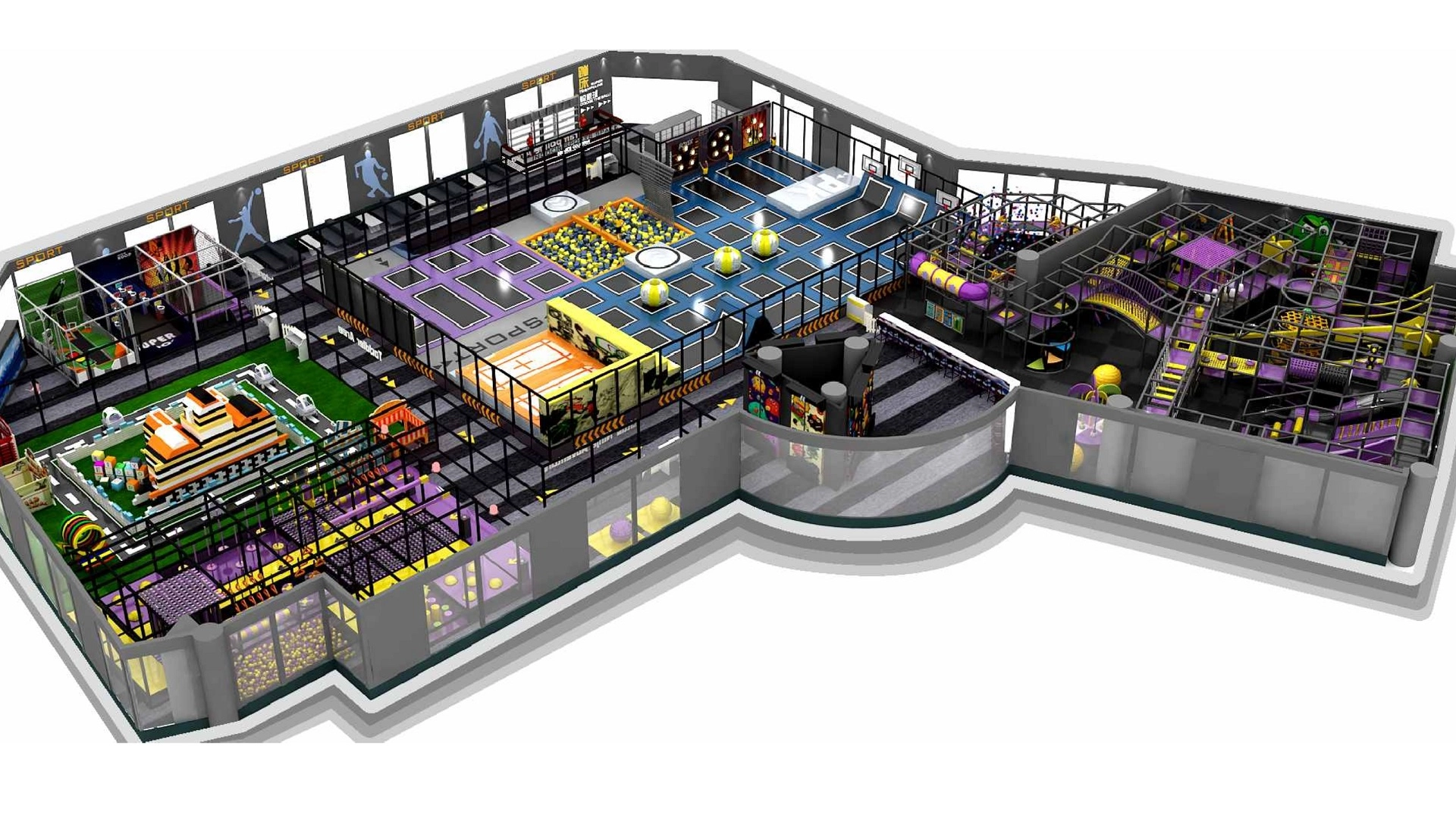
DIY projects are limited by pre-made kit options or a builder's skill. Custom playground manufacturers provide tailored layouts, themed graphics, integrated facilities (birthday rooms, cafes, party routes), and accessibility features. Custom design supports branding and customer experience goals that drive higher revenue per visit.
When DIY makes sense
Choosing DIY is reasonable for small-scale, low-use scenarios: home playrooms, small church or community centers with limited budgets, or when you need a temporary solution. Searchers using terms like cheap indoor playground or DIY indoor playground ideas are often looking for these low-cost solutions.
Advantages of DIY
Lower upfront cost for low-usage contexts; faster procurement for basic setups; creative control for hobbyists and parents. DIY also allows incremental upgrades as budget permits.
When custom is the better investment
For commercial operators, franchisees, schools, and childcare chains, the DIY vs Custom Indoor Playground Equipment: Pros and Cons evaluation often favors custom installations because of safety, longevity, and ROI considerations.
Advantages of custom solutions
Professional design and engineering, regulatory compliance, extended warranties, access to spare parts, and a polished guest experience. Custom solutions from experienced manufacturers like Guangzhou Feifan Amusement Equipment also include project management, installation, and after-sales service — reducing operational burden and protecting your investment.
ROI and revenue implications
Revenue, occupancy, and customer experience matter for commercial indoor playgrounds. When weighing DIY vs Custom Indoor Playground Equipment: Pros and Cons, consider lifetime revenue potential as well as initial cost.
How custom installations increase revenue potential
Custom playgrounds are designed to maximize customer throughput and retention with features that encourage repeat visits (themed areas, birthday packages, café integration). Higher durability also reduces unexpected downtime and repair costs, preserving revenue streams.
About Guangzhou Feifan Amusement Equipment Co., Ltd.
Guangzhou Feifan Amusement Equipment Co., Ltd., established in 2017, is a comprehensive indoor playground equipment manufacturer integrating design, R&D, production, sales, and service. With a 6,400 m² modern factory and a 5,800 m² office building, Feifan focuses on high-end indoor and outdoor children’s amusement equipment, delivering custom indoor playground solutions, trampoline park equipment, and outdoor amusement products. FEI FAN emphasizes safety, creativity, and long-term partnerships with clients globally.
Practical checklist before deciding
Use this checklist to determine whether DIY or custom is right for your project. Important factors include budget, intended use (home vs commercial), regulatory environment, desired lifespan, and brand needs.
Decision checklist
- Intended use: home/personal vs business/commercial
- Budget: one-time vs lifecycle funding
- Safety & compliance: required standards in your jurisdiction
- Timeline: do you need a quick temporary fix or a long-term installation?
- Maintenance capabilities: in-house staff vs manufacturer support
- Brand/experience goals: basic play vs themed customer experience
Conclusion
When weighing DIY vs Custom Indoor Playground Equipment: Pros and Cons, your decision should be driven by intended use, safety and compliance requirements, long-term cost of ownership, and business objectives. DIY can be a smart low-cost choice for low-use or temporary projects. For commercial operators who prioritize safety, durability, branding, and reliable ROI, investing in custom solutions from reputable manufacturers such as Guangzhou Feifan Amusement Equipment provides measurable advantages: certified designs, warranties, installation support, and higher lifetime value.
Frequently Asked Questions
Q: Is a DIY indoor playground safe for commercial use?A: Generally no. DIY equipment often lacks the engineering, materials, and documented compliance required for commercial settings. For businesses, certified custom equipment is recommended.
Q: How much does a custom indoor playground typically cost?A: Costs vary widely by size and features. Small commercial projects often start around $10,000; mid-size installations commonly range $30,000–$100,000; large multi-attraction centers can exceed $200,000. Custom design, materials, and installation influence final pricing.
Q: What safety standards should I ask a manufacturer to meet?A: Ask about compliance with applicable standards such as ASTM F1487 and F1292 (U.S.) or EN 1176 (Europe), plus documentation on surfacing, impact attenuation, and fire-retardant materials. Request test certificates and warranty details.
Q: Can a custom playground be installed faster than DIY?A: For small DIY kits, assembly may be faster. For commercial projects, custom work requires design and approvals and usually takes 4–12+ weeks, but professional project management reduces delays and rework compared to poorly planned DIY builds.
Q: Do custom manufacturers provide maintenance and spare parts?A: Reputable manufacturers provide maintenance plans, spare parts, and after-sales service. These services extend lifespan and simplify compliance and inspections.
Q: How do I evaluate ROI for a playground investment?A: Consider expected visit numbers, admission fees or rental revenue (parties), operational costs, maintenance, and downtime. Custom designs that increase repeat visits and average spend often yield better ROI despite a higher initial cost.
References
- ASTM International standards relevant to playgrounds (e.g., ASTM F1487, ASTM F1292) — industry standard references
- EN 1176 — European standard for playground equipment safety
- Industry manufacturer data and product lifetime expectations provided by leading playground equipment manufacturers (trade publications and product catalogs)
- Guangzhou Feifan Amusement Equipment Co., Ltd. company profile and manufacturing facility details (company-supplied specifications)
ROI: How Indoor Play Equipment Boosts Revenue
Inclusive Indoor Playground Equipment Designs
Indoor Playground Equipment Safety Standards Guide for Owners and Operators
ROI Calculation for Investing in Indoor Playground Equipment: A Practical Guide for Investors
Schools Educational Institutions
Can equipment be used for both play and sports training?
Yes, we design multi-functional equipment that combines entertainment with physical exercise, suitable for PE classes and free play.
How much space is required for installation?
We provide flexible designs that fit both small courtyards and large campus grounds, fully optimized for your available area.
Are your playgrounds safe for schoolchildren?
Yes, all our products are manufactured with international safety certifications (EN, ASTM, CE, etc.), using non-toxic and eco-friendly materials
Indoor Playgrounds Trampoline Parks
What is the lifespan of the equipment?
With proper maintenance, our indoor playground and trampoline equipment can last 8–10 years or more.
Shopping MallsRetail Centers
Do you provide installation services abroad?
Yes, we offer on-site installation guidance, and in many regions we provide professional installation teams.


Get in touch
Let’s Build Your Dream Indoor Playground Together
Thank you for your interest in our products and services!
We’re dedicated to providing you with the best possible support and solutions for your needs.
FEI FAN is a premier Indoor Playground Manufacturer specializing in Kids Soft Play Equipment. From design to installation, we provide one-stop solutions for indoor play centers, daycares, and commercial venues globally.
© 2025 Feifan Amusement Equipment. All Rights Reserved.
 Scan QR Code
Indoor Soft Playground
Whatsapp: +8619068970573
Scan QR Code