What customisation options exist for soft play equipment?
Buying custom indoor playground soft play equipment requires more than picking colors and shapes. Many buyers focus on aesthetics and price while missing technical details that affect safety, maintenance costs, compliance and longevity. Below are six specific, pain-point questions beginners often ask — with practical, standards-based answers you can use in contracts, RFQs and technical specifications.
1. How do I specify foam density, thickness and firmness for different age zones to reduce injury risk yet ensure durability?
Why it matters: Incorrect foam type or thickness leads to premature collapse, hygiene issues, or insufficient impact attenuation. Specifying the right foam is the fastest way to control both safety and lifecycle cost.
Practical spec guidance:
- Use foam density (kg/m3) rather than vague adjectives. Typical ranges used in soft play: 25–60 kg/m3 for general EVA/PE foam used in play mats and soft shapes; higher-density PU foam (60–120 kg/m3) for load-bearing elements, seating and climbing ledges. Lower density foams compress faster under repeated traffic.
- Adjust thickness to fall exposure: toddler free-play pads often use 30–50 mm high-density foam layered over a shock-absorbing underlay; active climbing or slide landing areas typically need 50–100 mm total thickness or more depending on expected fall heights. Always link surfacing specs to certified impact attenuation testing (see ASTM F1292 / EN 1177 below).
- Specify indentation load deflection (ILD) or equivalent firmness where possible; manufacturers can supply 25% ILD numbers. For toddler zones request softer ILD; for active zones request higher ILD and higher density to avoid bottoming out.
- Require supplier-supplied test reports and material data sheets (MDS) showing density, compression set, tear strength and flame performance. Ask for samples and a wear test plan (e.g., 50,000 cycles abrasion where applicable).
- Europe: CE marking where applicable; EN 71-1/3 for toy-safety related items that might be considered toys (some components fall into this). EN 1176/1177 for playground equipment and surfacing (EN 1177 covers impact attenuation).
- United States: ASTM standards such as ASTM F1292 (impact attenuating playground surfacing) and ASTM F1487 (consumer/school playground equipment safety). NFPA 701 or local fire code requirements for fabric/flame resistance of soft coverings depending on facility classification.
- Flammability of upholstery and foam: Request test certificates to NFPA 701, BS 5852 or local fire test where applicable. For fabrics used in commercial indoor play, many operators require fabrics that have passed NFPA 701 or similar.
- Chemicals and materials: Ask for REACH compliance in the EU and phthalate-free certification for PVC/vinyl and plastic balls. For electrical components (lights, sensors) ask for RoHS and CE/UL where applicable.
- Optional third-party certifications: IPEMA certification or independent lab test reports for surfacing/impact tests add credibility to claims.
- Design for serviceability: use removable liners (waterproof base liners), access panels and ball-retention meshes so you can vacuum and deep-clean without dismantling surrounding structures.
- Estimate ball quantities using physics rather than guesses: ball count = pit volume (m3) × packing efficiency (~0.64) ÷ single-ball volume. For 6–7 cm diameter balls, expect roughly 3,500–5,600 balls per m3 (varies with diameter). Use this to price ball purchases and replacements.
- Cleaning frequency: low-traffic venues can deep-clean every 3–6 months; medium/high traffic every 1–3 months. Implement daily surface cleaning (vacuuming, spot disinfecting). For busy family entertainment centers, invest in a ball-washing machine or service contract — machines can wash and sanitize thousands of balls per hour and reduce staff time.
- Materials: request antimicrobial-treated, phthalate-free balls and heavy-duty vinyl covers that tolerate frequent cleaning with common disinfectants. Confirm compatibility with cleaning chemicals to avoid surface degradation.
- Operational controls: set a ball replacement schedule for high-touch balls (replace a percentage annually), maintain cleaning logs and provide signage about food/diaper rules to reduce contamination sources.
- Anchoring vs free-standing: small soft play modules are often free-standing but still require non-slip pads or low-profile anchors to prevent shifting. Larger multi-level frames typically require mechanical anchoring to the building slab or wall—confirm with the site structural engineer and landlord before installation.
- Floor loading and protection: get the building’s floor loading limits from the landlord. Dense block structures, ball pits filled with balls and substrate, and equipment clusters can create point loads. Provide the owner with equipment weights and pad footprints to avoid surprises.
- Permits and egress: verify local building and fire code requirements (egress widths, fire separations, occupancy limits). Some jurisdictions consider large indoor playgrounds as special uses and require additional inspections.
- Acoustic and vibration mitigation: in multi-tenant buildings consider acoustic underlays and vibration isolation in the spec if neighbors are sensitive.
- Contract tip: include site survey and structural check as a contract milestone. Specify that installation start dates are contingent on signed landlord approvals for anchoring and any penetrations.
- Use modular connection systems: standardized plate-to-plate or bolt patterns let you detach and reattach modules. Document hole centers and connection types in as-built drawings.
- Standardize components: request standardized panel sizes, foam block dimensions and cover types so replacements or new modules match existing inventory.
- Plan spare-parts kits: negotiate a spare-parts pack (covers, foam cores, fasteners, zipper kits) to be supplied with the original purchase or as a priced option.
- Future feeds and routing: if you plan to add lights, sensors, or soft-climb elements, design cable conduits, knockouts and access panels up front to avoid new drywall or intrusive work later.
- Digital deliverables: require CAD files and 3D renders and as-built schematics as part of delivery. These accelerate future quoting and expansion work.
- Typical lead times: standard modular items often ship in 4–8 weeks; fully custom multi-level systems including manufacturing, testing and packing commonly take 8–16 weeks. Complex projects requiring structural steel, bespoke fabrication or long-lead fabrics can extend beyond 16 weeks. Always ask for a milestone schedule (design, proto approval, manufacture, shipping, installation).
- Hidden cost drivers: international shipping and customs, local taxes, site preparation (floor leveling, reinforcement), electrical and HVAC changes, permit fees, extra installation labor for unexpected site conditions, and ball/soft-surface replenishment. Add a contingency (5–15%) in your project budget for these items.
- Warranties and service: typical warranties vary by component — 1–3 years for materials/workmanship is common. Negotiate clarity on wear items (covers, balls), response times for service calls, and cost structure for spare parts. Ask for service-level agreements (SLA) if uptime is critical.
- Payment terms and acceptance: link final payments to milestones and to delivery of test reports/certificates and a signed completion checklist. Avoid full payment until installation and sign-off are complete.
Contract language example: All foam blocks and mats shall be supplied with manufacturer MDS and certificate of conformity. Foam density to be XX kg/m3 ±10% as specified per zone; impact attenuation of finished surfacing to meet or exceed X mm critical fall height as tested to ASTM F1292 or EN 1177.
2. Which fire and material safety certifications should I require (and how do regional differences affect specification)?
Why it matters: Fire, chemical and mechanical requirements differ by region — specifying the wrong standard can block opening permits or cause rework.
Standards and documents to ask for:
Procurement tip: Build a checklist in your RFQ that requests scanned certificates, test lab names, test dates and batch numbers; do not accept verbal assurances.
3. How can I design a ball pit and cleaning regime that addresses infection control without excessive operational cost?
Why it matters: Ball-pit hygiene is a frequent public concern; poor design multiplies cleaning labor and downtime.
Design and operational recommendations:
4. What anchoring, floor protection and permit issues do beginners often miss when installing soft play systems?
Why it matters: Improper anchoring can cause liability and landlord disputes; inadequate floor protection leads to damage and extra costs.
Key considerations:
5. How can I future-proof a custom indoor playground so I can expand or reconfigure without replacing entire zones?
Why it matters: Operators change concepts; modularity reduces future CapEx and downtime.
Design-for-change best practices:
6. What are realistic lead times, hidden cost drivers and warranty/maintenance clauses I should negotiate when buying soft play equipment?
Why it matters: Underestimating time and hidden costs can blow budgets and delay openings.
Lead-time and cost guidance:
Procurement checklist summary: require material data sheets, third-party test reports for impact and flammability, CAD drawings, an itemized schedule with lead times, spare-parts kit, and an installation/site-survey milestone before any anchoring or permanent works.
FEI FAN Advantages
FEI FAN provides turnkey solutions for custom indoor playgrounds, combining design, manufacture and installation tailored to operator needs. We supply technical documentation (CAD/3D renders and material data sheets), source tested materials (phthalate-free balls, commercial-grade, antimicrobial vinyl, and foam with documented densities), and coordinate site surveys and installation with local regulations in mind. FEI FAN emphasizes modular, serviceable designs that reduce lifetime operating cost; we include recommended cleaning protocols and spare-parts packages in proposals and can support maintenance training for staff.
To get a detailed quote and specification tailored to your site and budget, contact us at www.kidssoftplay.com or email FeiFan_Amusement@yeah.net — we’ll prepare a project checklist and preliminary layout within 48 hours of receiving your site details.
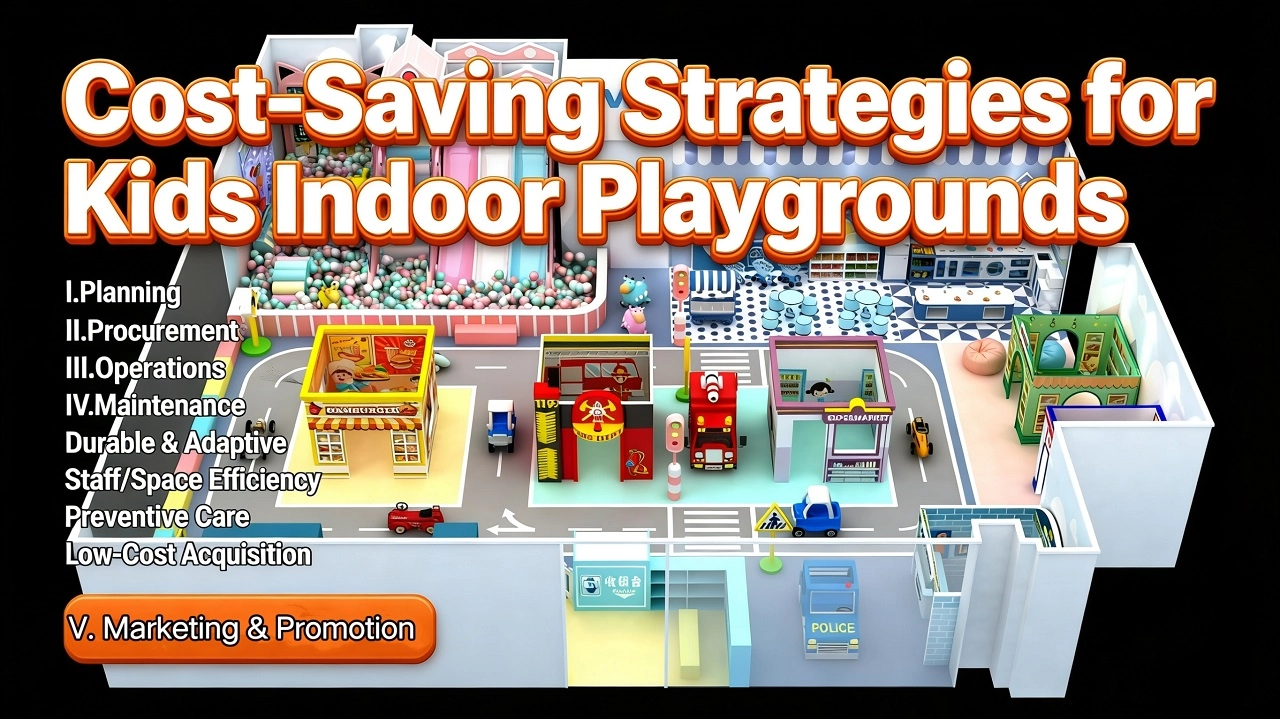
How to Reasonably Control Costs of Kids Indoor Playgrounds | Trusted Manufacture

Flourishing in Both the Middle East and Europe! What Makes Guangzhou Feifan Amusement a Leading Export Manufacturer of Indoor Playgrounds?
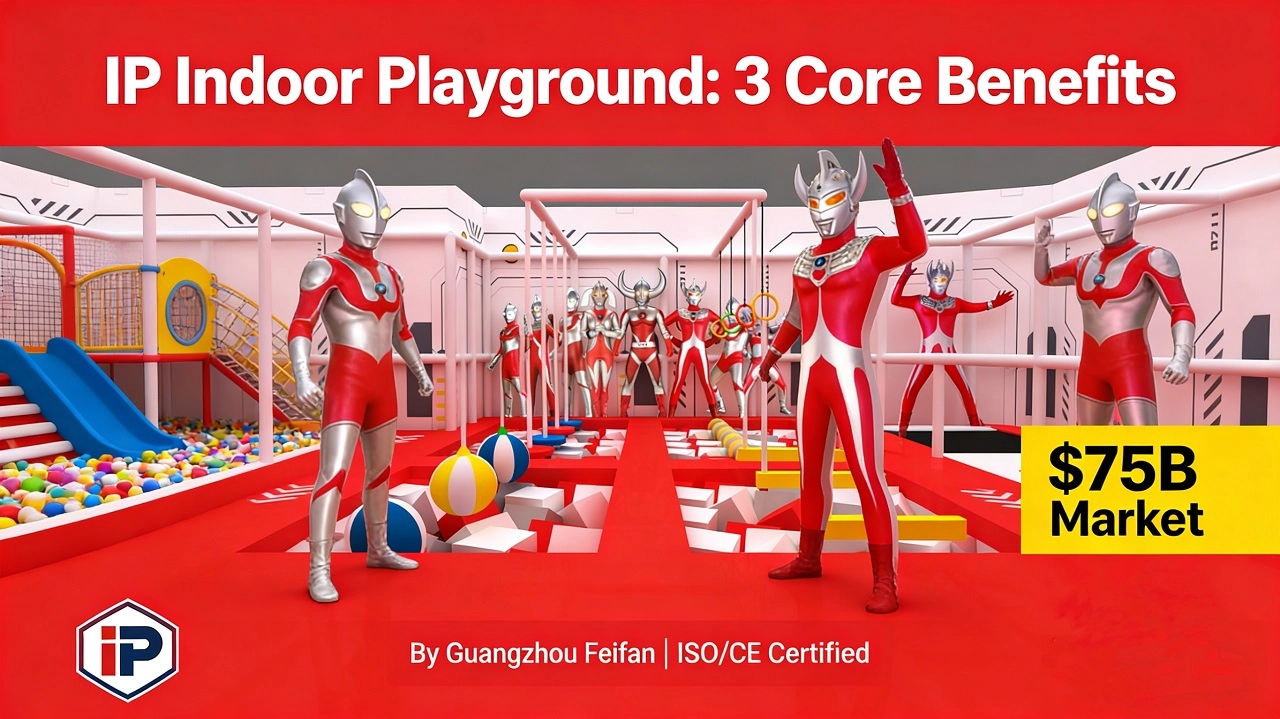
What Is an IP Indoor Playground & Its Core Benefits? | Insight by Feifan
From Concept to Operation: How to Achieve High Foot Traffic for Your Indoor Playground?
OEM & ODM
Can you match my brand’s color scheme and logo?
Absolutely! We offer full branding customization across the entire equipment.
Do I need to meet a minimum order quantity for customization?
Not necessarily—we support flexible MOQs based on project size.
Schools Educational Institutions
Can you provide educational-themed playgrounds?
Yes, we create learning-based play concepts, such as alphabet walls, math games, and science-themed playgrounds.
Are your playgrounds safe for schoolchildren?
Yes, all our products are manufactured with international safety certifications (EN, ASTM, CE, etc.), using non-toxic and eco-friendly materials
Shopping MallsRetail Centers
Can you design amusement equipment based on our mall’s theme?
Yes, we specialize in theme customization, from ocean and jungle to branded concepts that match your retail center’s identity.
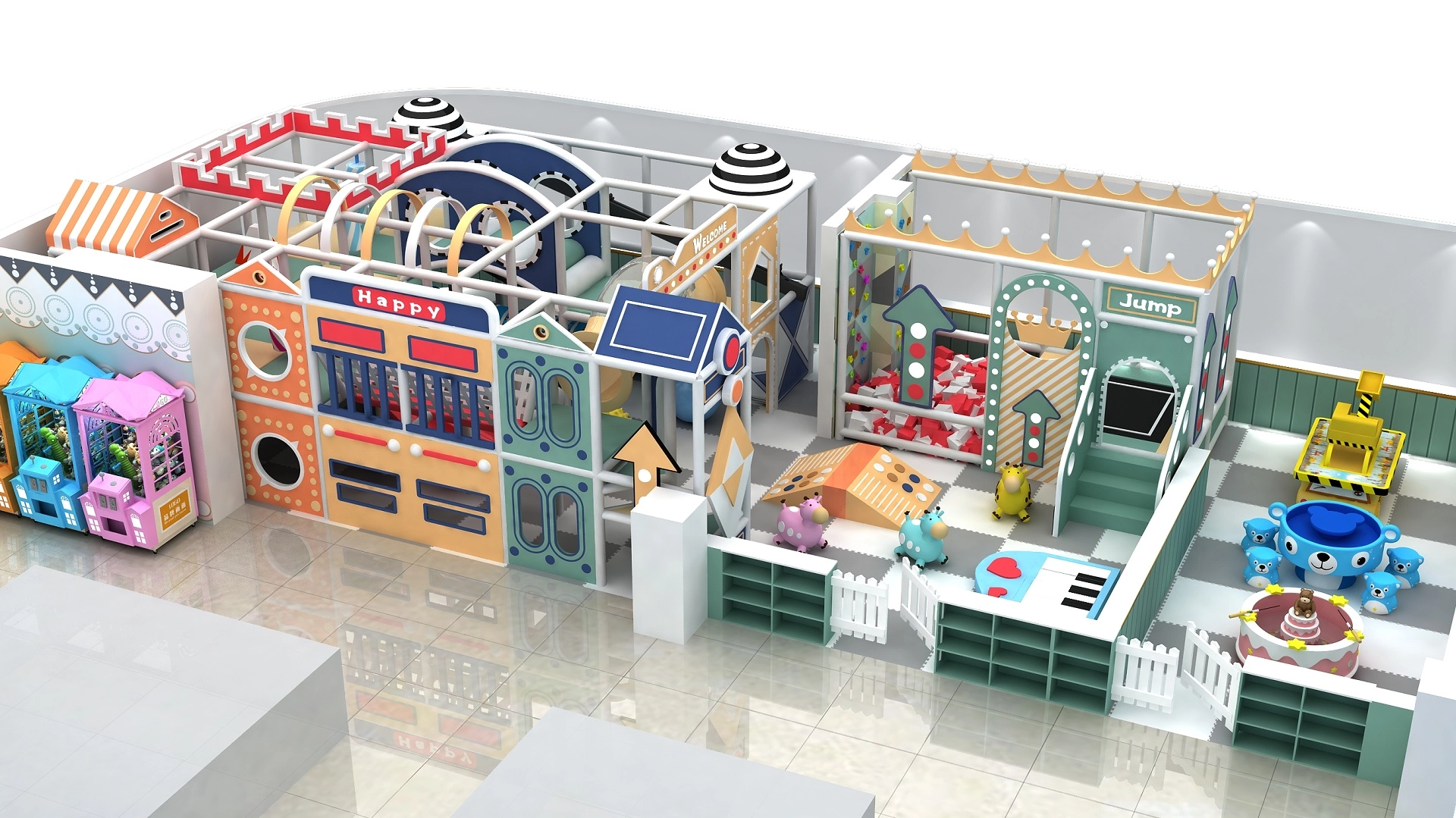
FEI FAN’s New Style Indoor Amusement Equipment offers custom toddler soft play solutions designed for safety and fun. Ideal for baby parks, this safe-friendly play equipment enhances indoor amusement spaces with durable, engaging designs parents trust. Perfect for early childhood development.
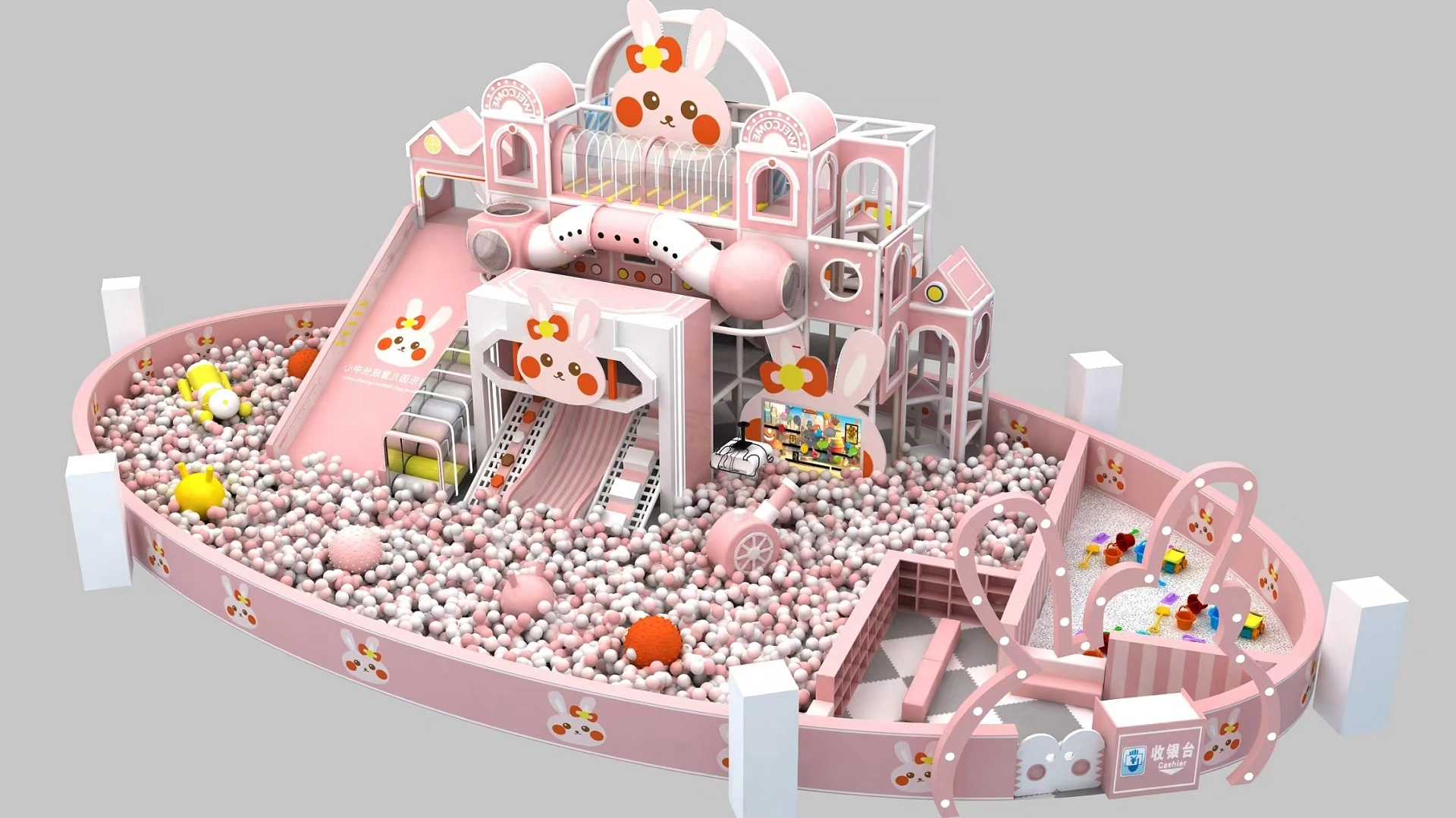
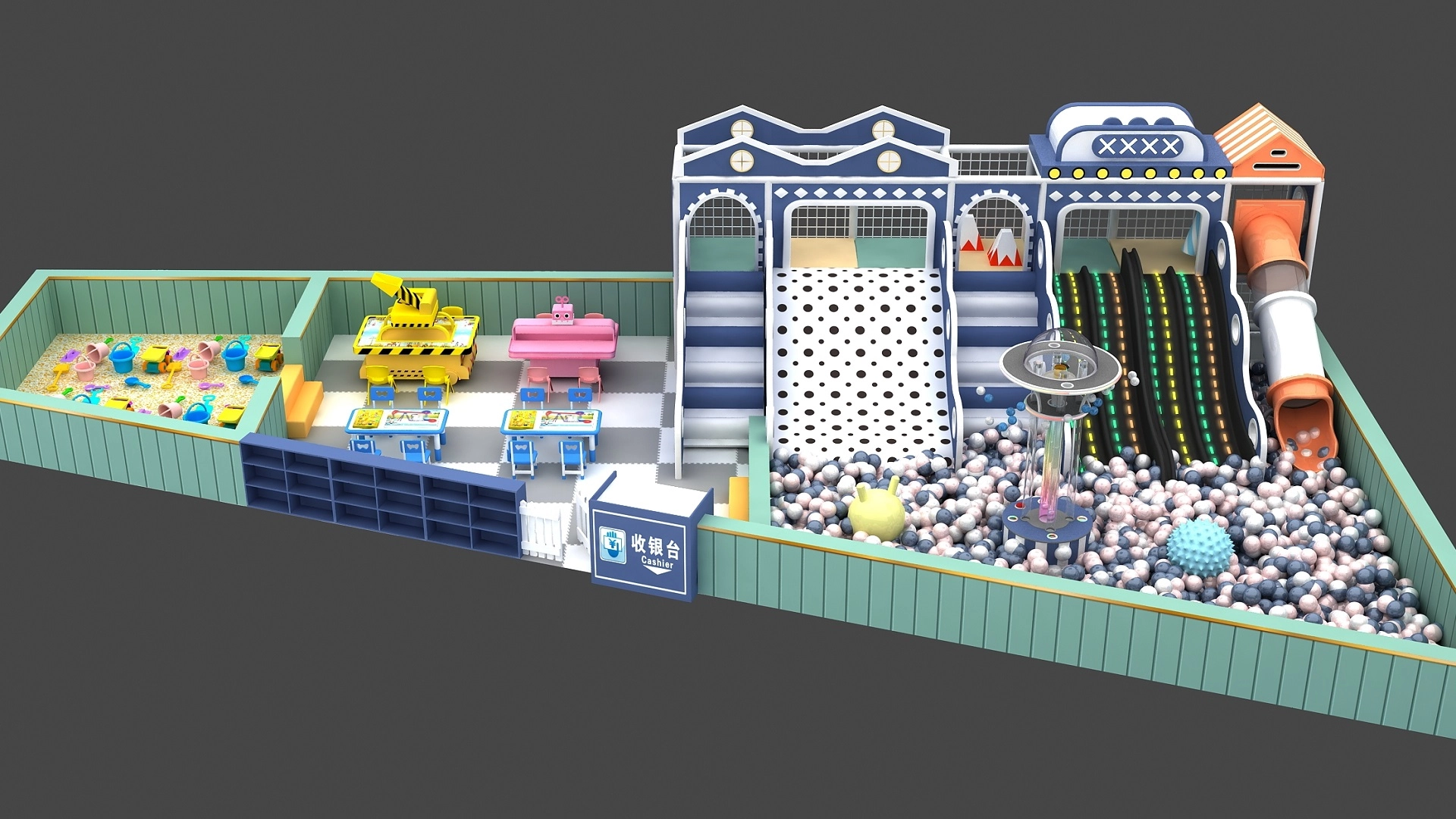
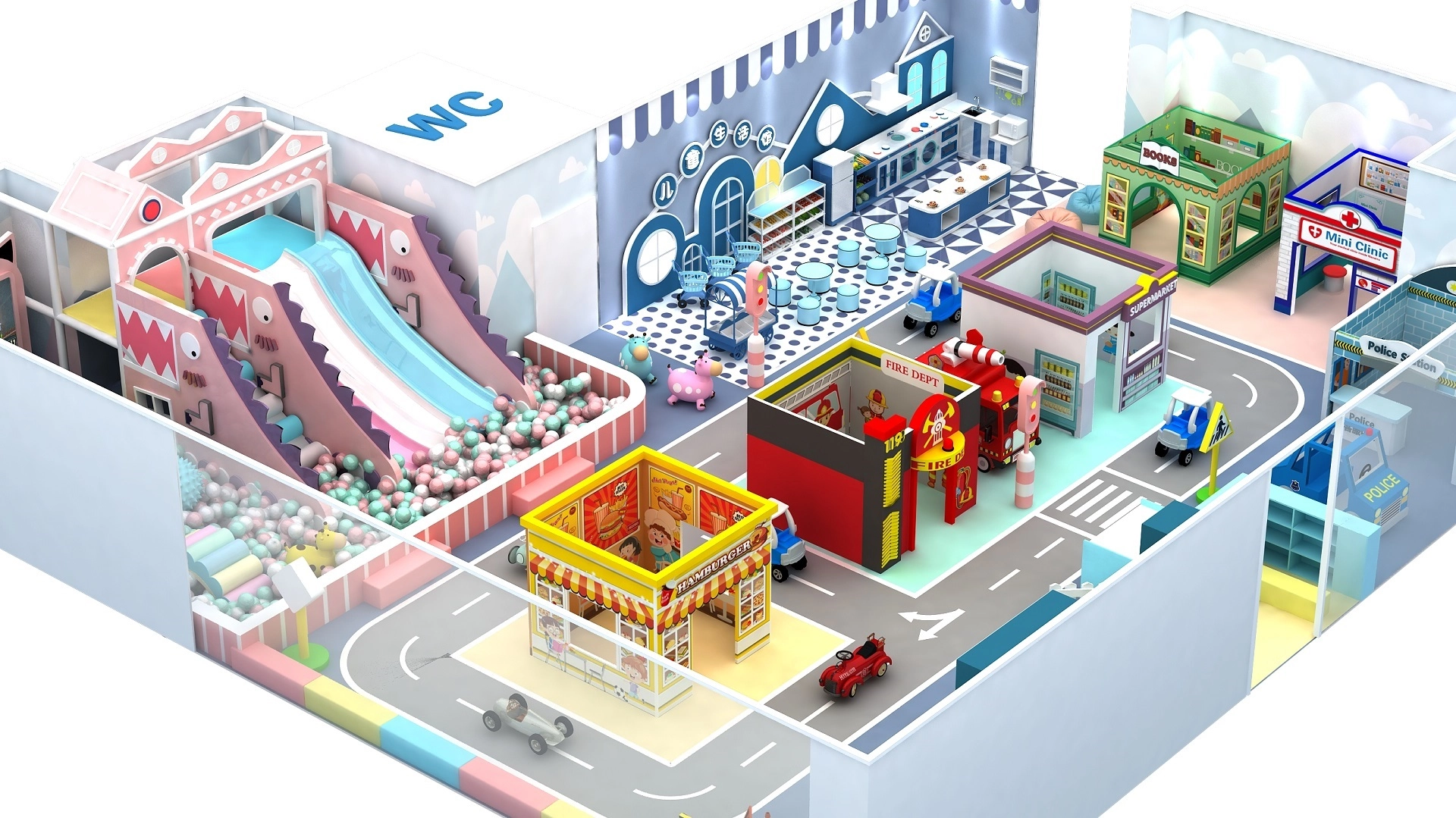

Send my request
Let’s Build Your Dream Indoor Playground Together
Thank you for your interest in our products and services!
We’re dedicated to providing you with the best possible support and solutions for your needs.
FEI FAN is a premier Indoor Playground Manufacturer specializing in Kids Soft Play Equipment. From design to installation, we provide one-stop solutions for indoor play centers, daycares, and commercial venues globally.
© 2025 Feifan Amusement Equipment. All Rights Reserved.
 Scan QR Code
Indoor Soft Playground
Whatsapp: +8619068970573
Scan QR Code