How to design a soft play equipment layout for small spaces?
How to design a soft play equipment layout for small spaces?
Designing soft play for tight footprints is a specialist skill: you must balance safety, play value, flow, and maintenance while complying with applicable standards. Below are 7 specific long-tail questions beginners frequently ask but rarely find up-to-date, practical answers for. Each answer focuses on procurement and implementation for custom indoor playground operators.
1. What is the step-by-step method to measure a small space and convert it into a safe, code-compliant soft play layout?
Begin with a disciplined site survey and a checklist-driven design process:
- Measure net usable area (length, width, clear ceiling height) and record fixed elements (columns, doors, HVAC grills, radiators). Draw to scale.
- Determine circulation corridors and emergency egress paths — keep all required exit widths and clearance zones unobstructed. Confirm local building and fire-code requirements early.
- Define target age groups and peak occupancy. Age separation reduces risky interactions and lets you optimize element scale.
- Allocate zones: active (climbing/tunnels), passive (sensory/top-play), caregiver seating, throughput (entrance/queue), storage and maintenance. For small spaces, prioritize multi-function elements (e.g., storage benches that are also seating and soft climb surfaces).
- Create a layering plan: floor surfacing → soft-play modules → overhead clearance/soft netting. Check fall zones for elevated features and avoid hard edges inside fall zones.
- Validate layout against applicable standards (see safety section below) and local regulations; engage a certified installer or engineer for any raised structures.
2. How can modular soft play systems be configured to maximize play value in under 200 sq ft without compromising safety?
In very small footprints, modularity and multifunctionality are key:
- Choose stackable, interlocking modules (ramps, wedges, tunnels) that can be reconfigured for different sessions. This creates novelty without adding fixed footprint.
- Use vertical play only where ceiling height allows safe clearance and fall zones. Low-height elements and sensory walls provide engagement without vertical risk.
- Adopt convertible furniture: seating with integrated soft-climb surfaces, fold-down rails, or storage that becomes an obstacle course piece under supervision.
- Design for easy changeover: use Velcro or recessed fasteners and lightweight foam pieces so staff can quickly reconfigure the space between sessions to prevent repetitive overuse injuries and boredom.
3. Which materials and surface constructions give the best balance of durability, cleanability and certified safety for small indoor soft play?
Prioritize materials that meet recognized safety and hygiene expectations while fitting your budget:
- Coverings: commercial-grade, phthalate-free, fire-retardant vinyl (PVC) with antimicrobial coating is commonly used. Confirm certificates for fire reaction and phthalate content from the manufacturer.
- Core foam: closed-cell EVA or cross-linked polyethylene (XLPE) foam resists moisture, compressive creep and houses fewer bacteria than open-cell foam. Look for foam with documented density and compression set data from suppliers.
- Fastenings and frames: powder-coated steel or sealed plywood frames are typical. Avoid exposed sharp edges and ensure all fasteners are capped or recessed.
- Surface joints: welded or heat-sealed seams reduce ingress of dirt and fluids compared to stitched seams. Replaceable covers speed maintenance.
- Certificates: ask suppliers for EN/ASTM test reports relevant to impact attenuation, chemical safety, and flammability; insist on third-party test documentation.
4. How do you plan fall zones, surfacing thickness and equipment height in cramped spaces while meeting safety standards?
Compact sites must still respect fall-height/surfacing principles. Practical guidance:
- Limit vertical elements: prefer low-rise features (<1 m) to minimize required impact-attenuating surfacing depth and fall zone footprint.
- Use continuous soft surfacing across the whole usable area (not just under equipment) to simplify compliance and reduce trip hazard edges.
- Validate impact attenuation and surfacing specifications against recognized standards applicable in your market (e.g., ASTM/EN standards). For any elevated or climbing module, confirm the manufacturer’s fall-height statement and recommended surfacing specification.
- When in doubt, reduce allowed max height or convert a vertical element into a ramp/tunnel to keep the play zone low and safer for limited space.
5. What are the best cleaning and infection-control protocols for high-touch soft play in small commercial venues?
Small spaces concentrate contamination risk; adopt professional-grade procedures:
- Daily: wipe down high-touch vinyl surfaces with a manufacturer-approved disinfectant that won’t degrade the cover. Use two-stage cleaning — detergent wipe then disinfectant. Ensure dwell time per product instructions.
- Between sessions: inspect seams and foam for damage; remove and launder removable covers where possible or replace as needed.
- Weekly/monthly: deep clean with steam or approved foam-safe methods as recommended by the manufacturer. Avoid aggressive solvents that break down vinyl or foam adhesives.
- Staff training: document cleaning checklists and train staff on proper dilution, PPE, and safe chemical storage. Keep MSDS sheets for all products.
- Ventilation: increase ventilation and consider portable HEPA filtration to reduce airborne risk in dense occupancy periods.
6. How to design for accessibility (ADA and equivalent international accessibility) in a constrained soft play area?
Accessibility is both legal and good business. For small sites:
- Provide at least one accessible route to and within the play area without steps. Use gentle ramps, low-threshold gates, and wide openings.
- Include multi-sensory elements at ground level (tactile panels, contrasting colors, auditory features) so children with mobility impairments can fully participate.
- Install clear sightlines and caregiver spaces adjacent to play zones to assist children with autism spectrum disorders or additional needs.
- Review local accessibility codes (e.g., ADA Standards in the U.S.) during design and request an accessibility statement from your equipment supplier showing compliance or reasonable accommodations.
7. What procurement checklist should I use when buying custom soft play for small spaces to avoid long-term maintenance and liability issues?
Use a procurement checklist in your RFQ/RFP and supplier evaluation to protect your investment:
- Site fit: provide accurate scaled drawings and ask for a 3D layout and install plan specific to your space.
- Standards & testing: demand copies of third-party test reports (impact attenuation, flammability, chemical safety) and certificates such as EN 1176/EN 71/ASTM where relevant.
- Materials data: request technical data sheets for foam density, cover type, flame retardancy, and cleaning guidance.
- Warranty & spare parts: confirm warranty length on structure, fabrics and foam; request a list of fast-moving spare parts and lead times.
- Installation & training: require on-site installation or certified installation supervision from the manufacturer and staff training on daily safety checks and cleaning protocols.
- Service & inspections: ask whether the supplier offers periodic inspection services and a maintenance manual with checklists and defect thresholds.
Following this checklist reduces surprises, shortens downtime and protects you from premature replacement costs.
Quick safety and design summary for buyers
- Engage early with local code authorities and your building’s owner to confirm egress, fire-rating and occupancy constraints.
- Favor low-rise, modular, multi-function elements when space is limited.
- Insist on third-party test certificates and an installation plan tailored to your exact site dimensions.
- Document cleaning, training and inspection protocols before opening — this protects public health and liability.
Why choose FEI FAN for custom small-space soft play?
FEI FAN specializes in modular, space-optimised soft play systems built for tight footprints. Key advantages:
- Custom CAD layouts specific to your exact site measurements and codes.
- Modular elements designed for quick reconfiguration, lightweight handling and easy replacement.
- Third-party test documentation and full installation, staff training and maintenance support.
- Durable, cleanable materials and replaceable covers to extend service life and reduce operating costs.
FEI FAN delivers turnkey solutions that balance safety, play value and maintainability—ideal when footprint, regulations and hygiene matter most.
References & data sources
- U.S. Consumer Product Safety Commission — Public Playground Safety Handbook (CPSC). (Accessed 2024). https://www.cpsc.gov/safety-education/safety-guides/playgrounds
- European Committee for Standardization (CEN) — EN 1176 (Playground equipment) and EN 1177 (impact attenuation). (Accessed 2024). https://standards.cen.eu
- ASTM International — Standards relevant to playground surfacing and equipment (e.g., ASTM F1292). (Accessed 2024). https://www.astm.org
- Centers for Disease Control and Prevention — Cleaning and Disinfecting Your Facility. (Accessed 2024). https://www.cdc.gov/coronavirus/2019-ncov/community/disinfecting-building-facility.
- International Play Equipment Manufacturers Association (IPEMA) — Certification information for surfacing and equipment. (Accessed 2024). https://www.ipema.org
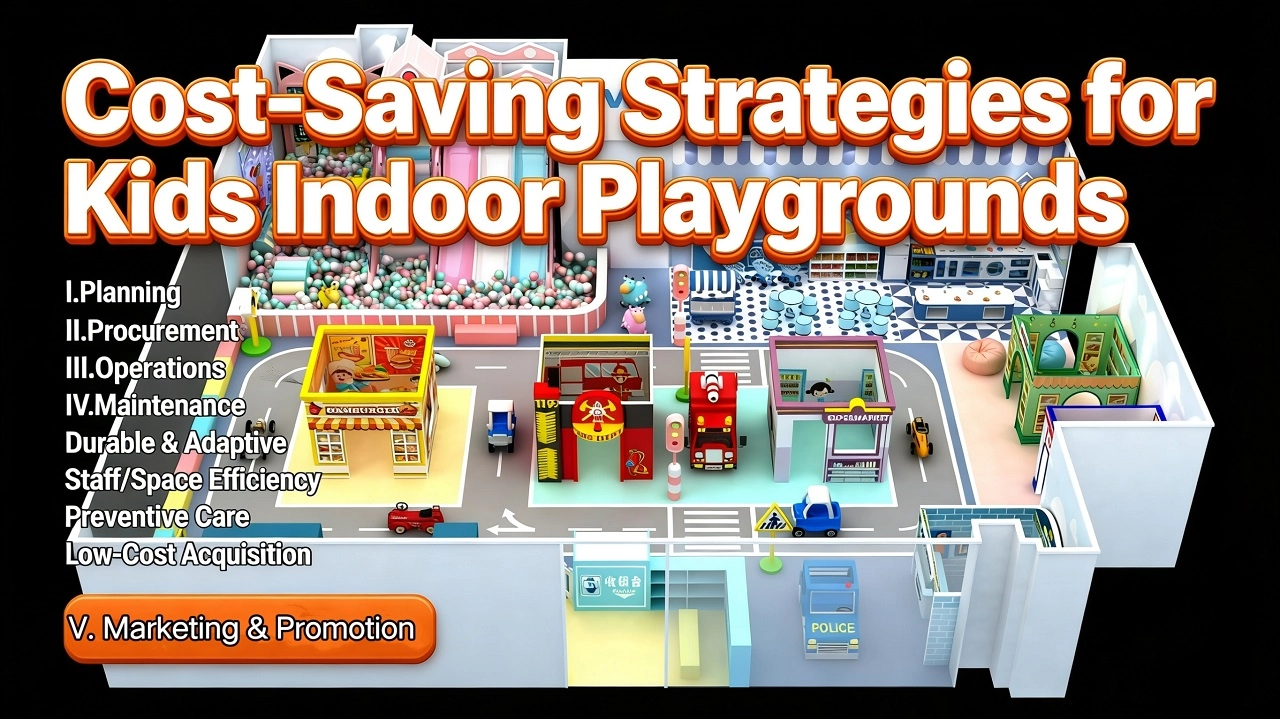
How to Reasonably Control Costs of Kids Indoor Playgrounds | Trusted Manufacture

Flourishing in Both the Middle East and Europe! What Makes Guangzhou Feifan Amusement a Leading Export Manufacturer of Indoor Playgrounds?
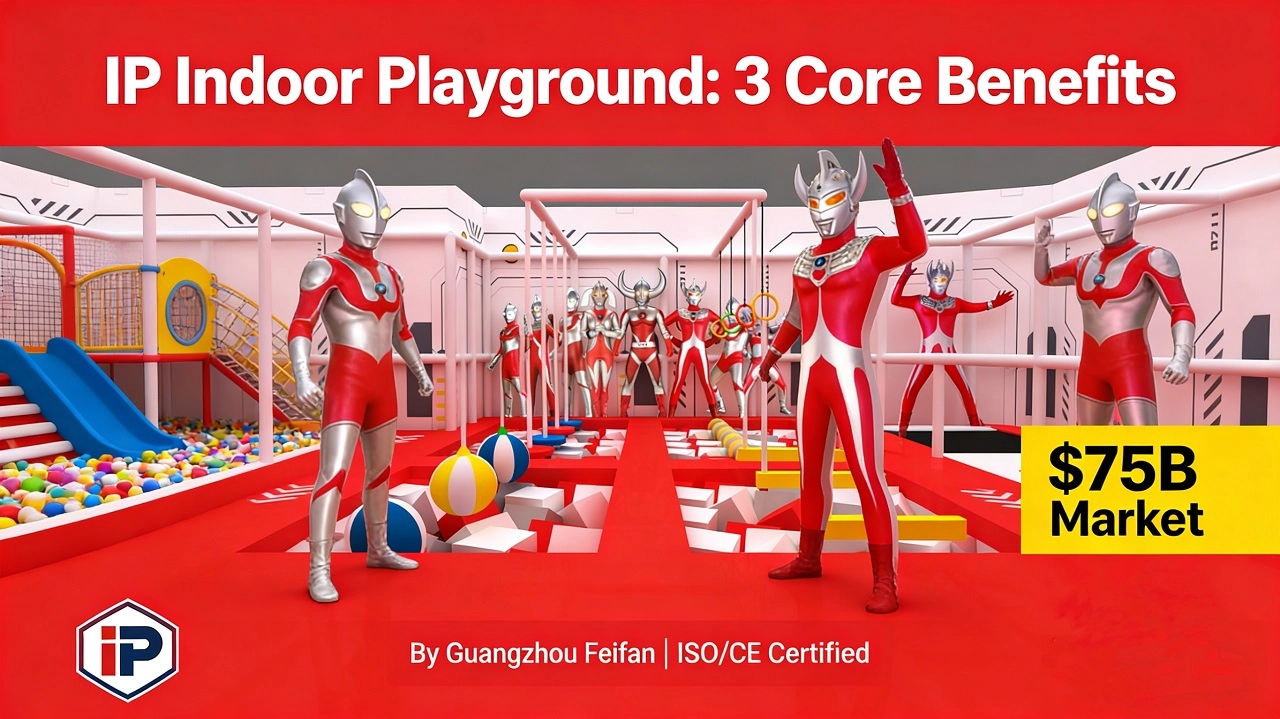
What Is an IP Indoor Playground & Its Core Benefits? | Insight by Feifan
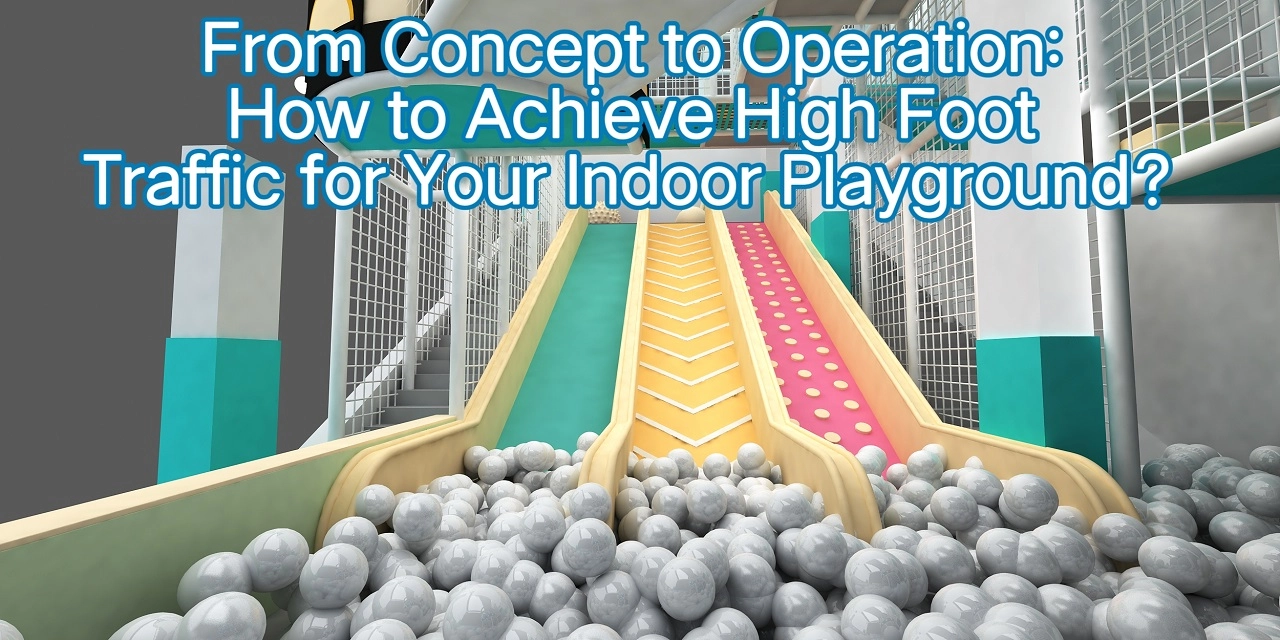
From Concept to Operation: How to Achieve High Foot Traffic for Your Indoor Playground?
Theme park
Do you have your own factory?
Yes, We have our own indoor children's playground production factory.Technical exchanges more convenient and faster.we can produce new product for you.
OEM & ODM
What certifications do your custom products have?
Our products meet international standards such as ISO, CE, GS, and more.
For Company
What are the advantages of Feifan Amusement Equipment Co., Ltd. in the industry?
We have over 12000 square meters factory and office building,and we can provide customized service,like customize the size, shape, and design to match your brand’s needs,and our products are all in high quality with good price.
For Customization
How long is the the production time of customized themes?
It depends on the size and design of the projects , it takes about 15-45 days.
Shopping MallsRetail Centers
Can you design amusement equipment based on our mall’s theme?
Yes, we specialize in theme customization, from ocean and jungle to branded concepts that match your retail center’s identity.
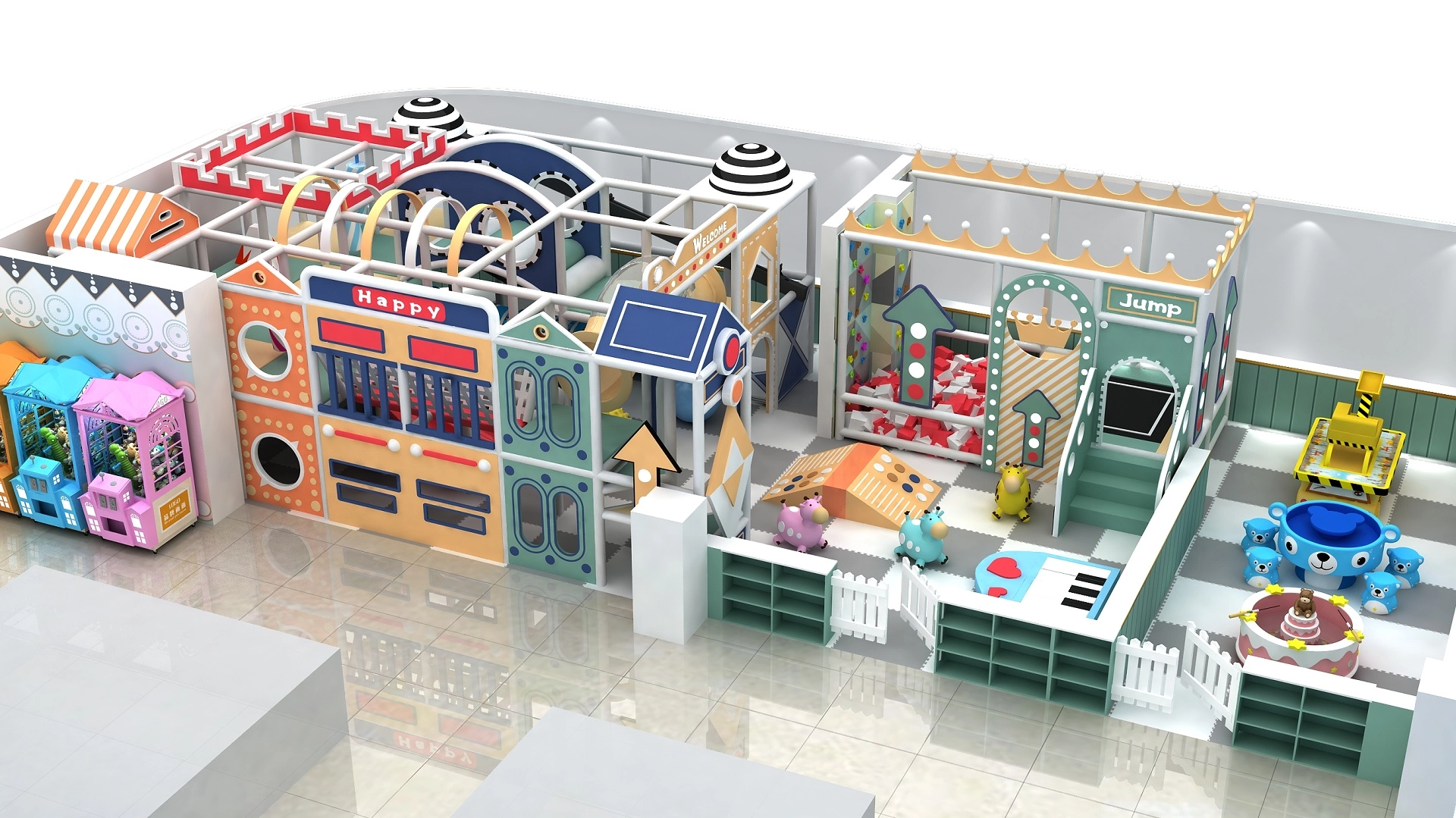
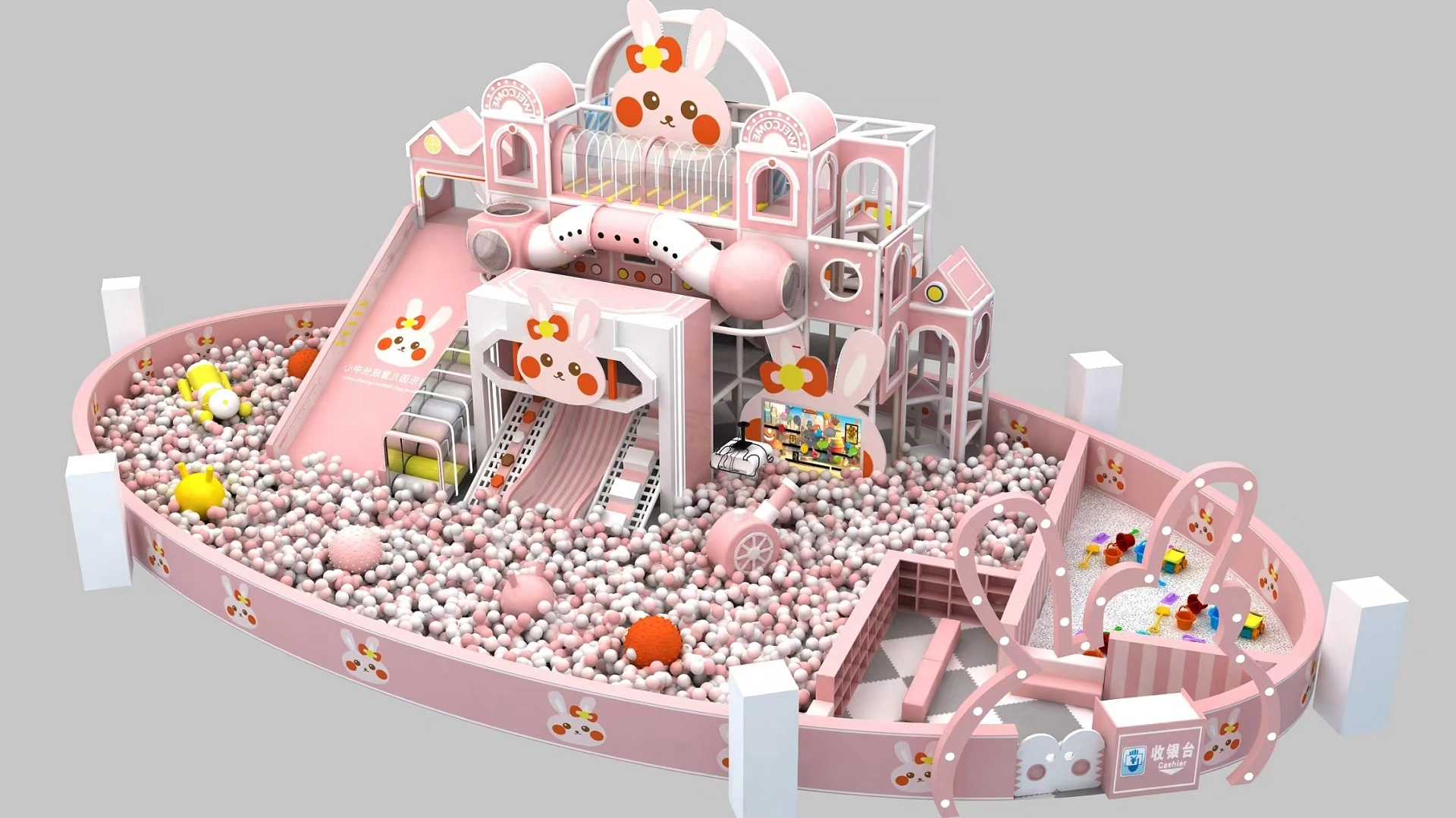
FEI FAN’s New Style Indoor Amusement Equipment offers custom toddler soft play solutions designed for safety and fun. Ideal for baby parks, this safe-friendly play equipment enhances indoor amusement spaces with durable, engaging designs parents trust. Perfect for early childhood development.

Send my request
Let’s Build Your Dream Indoor Playground Together
Thank you for your interest in our products and services!
We’re dedicated to providing you with the best possible support and solutions for your needs.
FEI FAN is a premier Indoor Playground Manufacturer specializing in Kids Soft Play Equipment. From design to installation, we provide one-stop solutions for indoor play centers, daycares, and commercial venues globally.
© 2025 Feifan Amusement Equipment. All Rights Reserved.
 Scan QR Code
Indoor Soft Playground
Whatsapp: +8619068970573
Scan QR Code