How to Choose Safe Indoor Playground Equipment
Smart Safety Choices: indoor playground equipment Essentials
Choosing the right indoor playground equipment is about more than colors and themes—it's about minimizing risk, complying with standards, and creating durable, maintainable play spaces that support child development. This guide walks owners, operators, architects, and investors through the evidence-based factors you must evaluate when specifying, procuring, installing, and maintaining indoor playground equipment.
Why Safety Matters for indoor playground equipment
Playgrounds provide critical physical, social, and cognitive benefits, but poorly designed or maintained equipment increases the risk of injury. Public data show that playground-related injuries are a persistent concern: the U.S. Consumer Product Safety Commission (CPSC) and the Centers for Disease Control and Prevention (CDC) report tens of thousands of emergency department visits annually for playground injuries in children. Understanding the common mechanisms—falls, entrapment, collisions, and structural failures—lets you prioritize solutions that reduce those hazards before they occur.
Standards & Certifications for indoor playground equipment
Safety standards are the backbone of trustworthy indoor playground equipment. When evaluating products and vendors, look for compliance with internationally recognized standards and guidance:
- ASTM F1487 — Standard Consumer Safety Performance Specification for Playground Equipment for Public Use (U.S.).
- EN 1176 — European standards for playground equipment and surfacing.
- EN 1177 — Impact attenuation of playground surfacing (critical fall height testing).
- CPSC Public Playground Safety Handbook — practical inspection and installation guidance.
- ISO 8124 series — toy safety, relevant for small play components and materials.
Request certificates and test reports from manufacturers (impact attenuation reports, material fire-retardancy tests, load-bearing calculations). Third-party testing by accredited labs is more reliable than self-declarations.
Materials & Construction: choosing durable indoor playground equipment
Materials and build quality determine durability, hygiene, and long-term safety. Key materials and characteristics to evaluate:
- Structural frames: powder-coated or galvanized steel for corrosion resistance and strength. Look for welded joints and anti-rotation hardware.
- Panels and cladding: UV-stable HDPE or marine-grade plywood with safe finishes. Avoid cheap plastics that crack or become brittle.
- Foam and padding: closed-cell polyethylene (EPE) or PU foam with fire retardant covers (meets relevant flammability standards).
- Fabrics and vinyl: durable, anti-microbial, phthalate-free coverings that withstand commercial cleaning.
- Fasteners and nets: stainless steel hardware and UV-stable ropes; nets should meet tensile-strength and mesh-size specs to prevent entrapment.
Also consider surfacing: impact-absorbing tiles, padded mats, and poured-in-place rubber have different performance and maintenance profiles. For each location, match the critical fall height rating of the surfacing to the maximum fall height of equipment per EN 1177 guidance.
Design & Layout Considerations for indoor playground equipment
Good design reduces risk while improving play value. When planning layout and selecting indoor playground equipment, keep these principles in mind:
- Age zoning: separate areas for toddlers (0–3), preschool (3–5), and older children; equipment must have age-appropriate entry points, openings, and platform heights.
- Sightlines and supervision: open layouts that allow staff and parents to see children across play zones.
- Capacity and flow: design for peak occupancy—avoid bottlenecks at slides, climbs, and entrances. Provide clear circulation paths and queuing areas.
- Emergency egress and accessibility: plan clear exits, meet local fire codes, and incorporate ADA-accessible routes and inclusive play elements.
- Separation of active vs. passive play: trampoline areas, ball pits, and climbing structures should be physically separated to limit collisions.
Document the expected Maximum Intended Occupancy and simulate traffic flow during the design phase. Ensure installed equipment is anchored and leveled per manufacturer instructions.
Maintenance, Inspection & Cleaning of indoor playground equipment
Safety is not achieved once—it's maintained. A structured maintenance program extends lifespan and prevents incidents:
- Daily visual checks: loose parts, damaged padding, broken fasteners, and obvious hazards.
- Weekly functional checks: gate latches, net tension, slide integrity, and surfacing condition.
- Monthly detailed inspections: torque checks for bolts, wear measurements for ropes and nets, testing of impact-attenuation surfacing where applicable.
- Annual professional inspection: certified inspector evaluates structural components, surfacing HIC (Head Injury Criterion) testing if needed, and verifies compliance with standards.
- Cleaning protocols: use disinfectants compatible with materials (check manufacturer MSDS); high-touch areas (handrails, ball pits, foam) should be cleaned frequently. Follow CDC guidance for cleaning toys and childcare settings.
Maintain an inspection log, a parts inventory for replacement components, and a schedule for deep cleaning. Training staff in routine checks reduces reliance on emergency repairs.
Procurement & Installation Criteria for indoor playground equipment
Selecting the right supplier affects safety, cost, and operational continuity. Evaluate vendors on these measurable criteria:
| Criteria | What to Look For | Why It Matters |
|---|---|---|
| Certifications & test reports | ASTM/EN compliance, third-party lab reports | Verifies safety claims |
| Design & customization | CAD plans, sightline studies, age zoning proposals | Ensures functional, safe layout |
| Manufacturing quality | Material specs, factory audit, sample components | Longevity and lower maintenance costs |
| Installation & training | Professional installation, staff training, manuals | Reduces installation errors and operational risk |
| Warranty & after-sales | Clear warranty terms, spare parts availability | Minimizes downtime and unexpected costs |
| References & case studies | Completed projects, client testimonials, site visits | Proves capability and reliability |
Cost Considerations and Value Analysis for indoor playground equipment
Price is a factor, but false savings on low-cost equipment can lead to higher long-term costs. Instead of comparing only upfront price, compare lifecycle costs: expected service life, maintenance frequency, warranty coverage, spare-parts pricing, and downtime risk. Request total cost of ownership (TCO) estimates from vendors and include installation, surfacing, shipping, and training in your budget.
Why choose Guangzhou Feifan Amusement: indoor playground equipment solutions and strengths
When working with a manufacturer, integrated capabilities and proven quality matter. Guangzhou Feifan Amusement Equipment Co., Ltd. was established in 2017 and is a comprehensive indoor playground equipment manufacturer integrating design, R&D, production, sales, and service. With a modern factory building of 6,400 m² and a 5,800 m² office building, FEI FAN offers full vertical capabilities to control quality from concept to installation.
FEI FAN's main products include indoor playgrounds, trampoline park equipment, and outdoor amusement equipment. Their positioning emphasizes high-end indoor and outdoor children’s amusement equipment and a strong international reputation. FEI FAN commits to creating joyful, safe, and imaginative spaces through professional design, high-quality manufacturing, and fully customized services, delivering efficient, one-stop indoor playground solutions globally. They present themselves not only as manufacturers but as creators of joyful experiences, enablers of parent-child interaction, and companions in child development.
Key competitive advantages of FEI FAN:
- Integrated design-to-manufacture workflow—reduces communication gaps and helps ensure build-to-spec quality.
- Modern production facilities and QC processes—facilitates consistent material and assembly standards.
- Customized solutions—CAD-driven design, age zoning, theming, and compliance checks for regional standards.
- Range of product lines—indoor playgrounds, trampoline parks, and Indoor Theme Park elements allow cohesive multi-area projects from one supplier.
- After-sales support—spare parts management and installation training to minimize downtime.
For operators seeking a single vendor capable of end-to-end delivery, FEI FAN’s profile illustrates the type of partner that can reduce project risk and speed up time-to-open while supporting safety and compliance.
Final checklist before purchasing indoor playground equipment
Use this checklist to validate vendors and equipment before signing contracts:
- Confirm relevant standards and request third-party test reports (ASTM/EN/CPSC where applicable).
- Review detailed CAD drawings, sightlines, and age zoning plans.
- Inspect material samples and request MSDS/product data sheets for all components.
- Get a complete installation and maintenance plan with training included.
- Verify warranty terms, spare-parts lead times, and local service options.
- Ask for references and, if possible, visit completed sites to inspect long-term condition.
- Include surfacing, signage, capacity planning, and staffing requirements in the project scope.
FAQ: Common questions about indoor playground equipment
1. What certifications should I insist on when buying indoor playground equipment?
Ask for ASTM (e.g., F1487), EN (e.g., EN 1176/1177) compliance where relevant, and third-party laboratory test reports for impact attenuation, fire retardancy, and material safety. Also request a copy of the manufacturer’s quality control and factory audit reports.
2. How often should playground equipment be inspected and maintained?
Daily visual checks, weekly functional checks, monthly detailed inspections, and annual professional inspections are a common best-practice schedule. Maintain an inspection log and replace worn parts proactively.
3. What surfacing is best for indoor playgrounds?
Choice depends on expected fall heights and use: interlocking EPE foam tiles are common for toddler areas; poured-in-place rubber or thicker shock pads fit higher fall heights. Always match surfacing to the critical fall height rating of the equipment.
4. Can indoor playground equipment be made accessible for children with disabilities?
Yes. Incorporate ramps, sensory play panels at accessible heights, transfer platforms, and clear circulation space. Comply with local accessibility codes and include inclusive play elements in the design phase.
5. How do I evaluate return on investment (ROI) for a new indoor playground?
Calculate revenue projections (admissions, parties, memberships), subtract TCO (equipment, installation, surfacing, staffing, maintenance, insurance). Factor in non-monetary value—brand differentiation, repeat visits, and community engagement. Use conservative occupancy rates and include downtime contingency.
6. Are trampoline parks riskier than soft-play areas?
Trampolines have higher injury risk if not properly designed, netted, and supervised. Specialized padding, professional installation, trampoline-grade materials, and strict operational controls significantly reduce risk. Work with manufacturers experienced in trampoline park systems.
7. What cleaning protocols work best for indoor playground equipment?
Use disinfectants approved for the materials used, follow manufacturer cleaning recommendations, and emphasize frequent cleaning of high-touch surfaces. For ball pits and foam elements, use periodic deep-clean schedules and replace heavily worn items.
If you have more specific needs—site plans, age ranges, budget constraints, or timelines—contact us to discuss tailored solutions and view product portfolios.
Contact & Product Inquiry: For professional design, manufacturing, and turnkey installation of indoor playgrounds, trampoline parks, and Indoor Theme Park solutions, contact Guangzhou Feifan Amusement Equipment Co., Ltd. to request CAD layouts, compliance documentation, and a customized quote. We look forward to working together to create safe, joyful play spaces for children.
References
- U.S. Consumer Product Safety Commission (CPSC) — Playground Safety. https://www.cpsc.gov/Safety-Education/Safety-Education-Centers/Playgrounds (accessed 2025-11-30)
- Centers for Disease Control and Prevention (CDC) — Playground Safety. https://www.cdc.gov/safechild/playground/index. (accessed 2025-11-30)
- ASTM International — ASTM F1487 Standard: Consumer Safety Performance Specification for Playground Equipment for Public Use. https://www.astm.org/Standards/F1487.htm (accessed 2025-11-30)
- RoSPA — Play Safety Guidance. https://www.rospa.com/leisure-safety/play-safety/ (accessed 2025-11-30)
- EN Standards overview — EN 1176 / EN 1177 (playspace equipment and surfacing). Overview: https://standards.cen.eu/ (search EN 1176/EN 1177) (accessed 2025-11-30)
- CDC — Cleaning and Disinfection for Childcare Programs. https://www.cdc.gov/coronavirus/2019-ncov/community/schools-childcare/cleaning-disinfection. (accessed 2025-11-30)
Top 10 Indoor Playground Manufacturers Compared
Commercial vs Residential Indoor Playground Equipment: Key Differences and Buying Guide
Custom Indoor Playground Design Trends for 2026
Best trampoline amusement park manufacturers and supplier brands in China
Schools Educational Institutions
Can you provide educational-themed playgrounds?
Yes, we create learning-based play concepts, such as alphabet walls, math games, and science-themed playgrounds.
How much space is required for installation?
We provide flexible designs that fit both small courtyards and large campus grounds, fully optimized for your available area.
For Customization
How long is the the production time of customized themes?
It depends on the size and design of the projects , it takes about 15-45 days.
OEM & ODM
What certifications do your custom products have?
Our products meet international standards such as ISO, CE, GS, and more.
Shopping MallsRetail Centers
Do you provide installation services abroad?
Yes, we offer on-site installation guidance, and in many regions we provide professional installation teams.
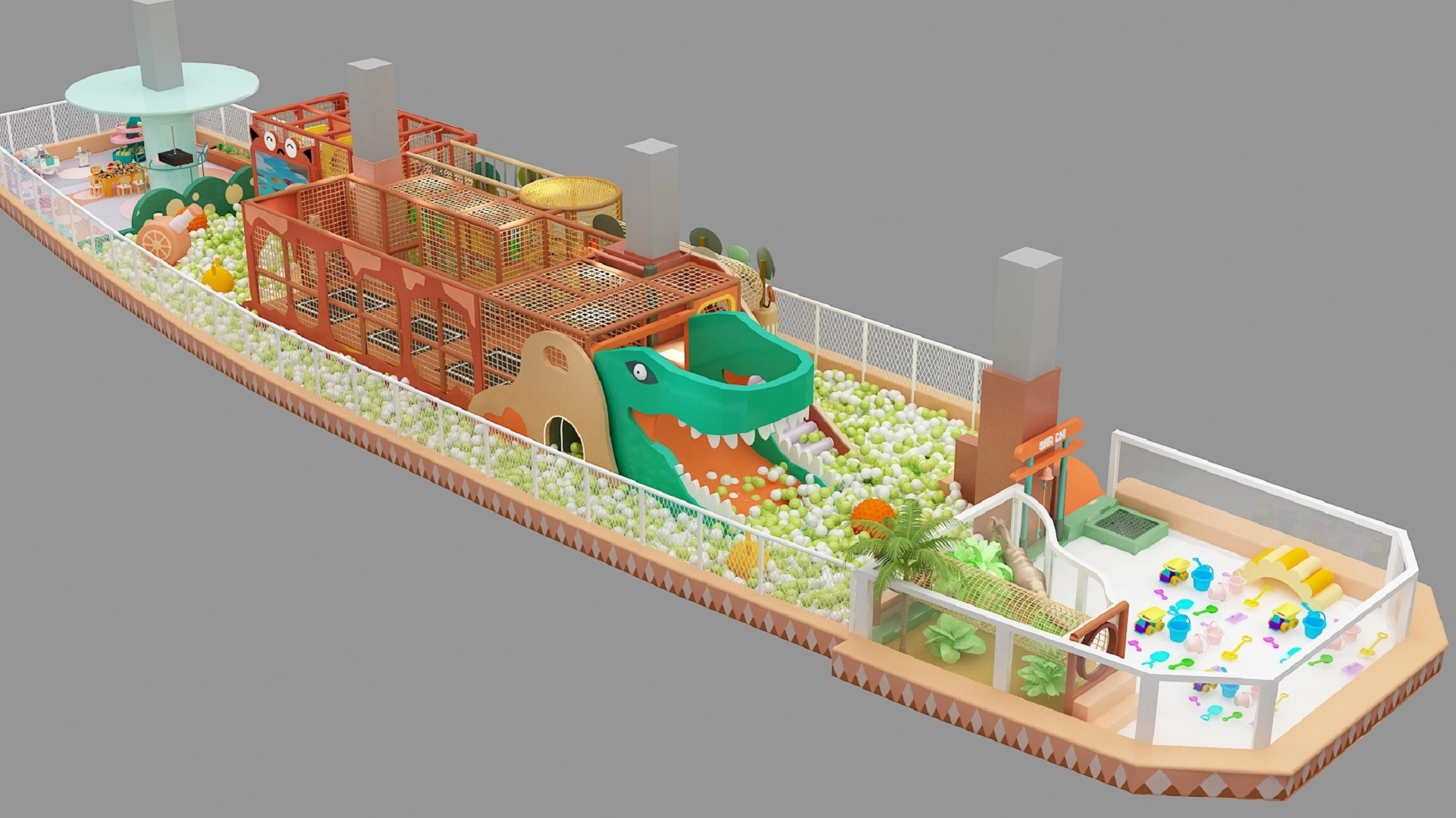
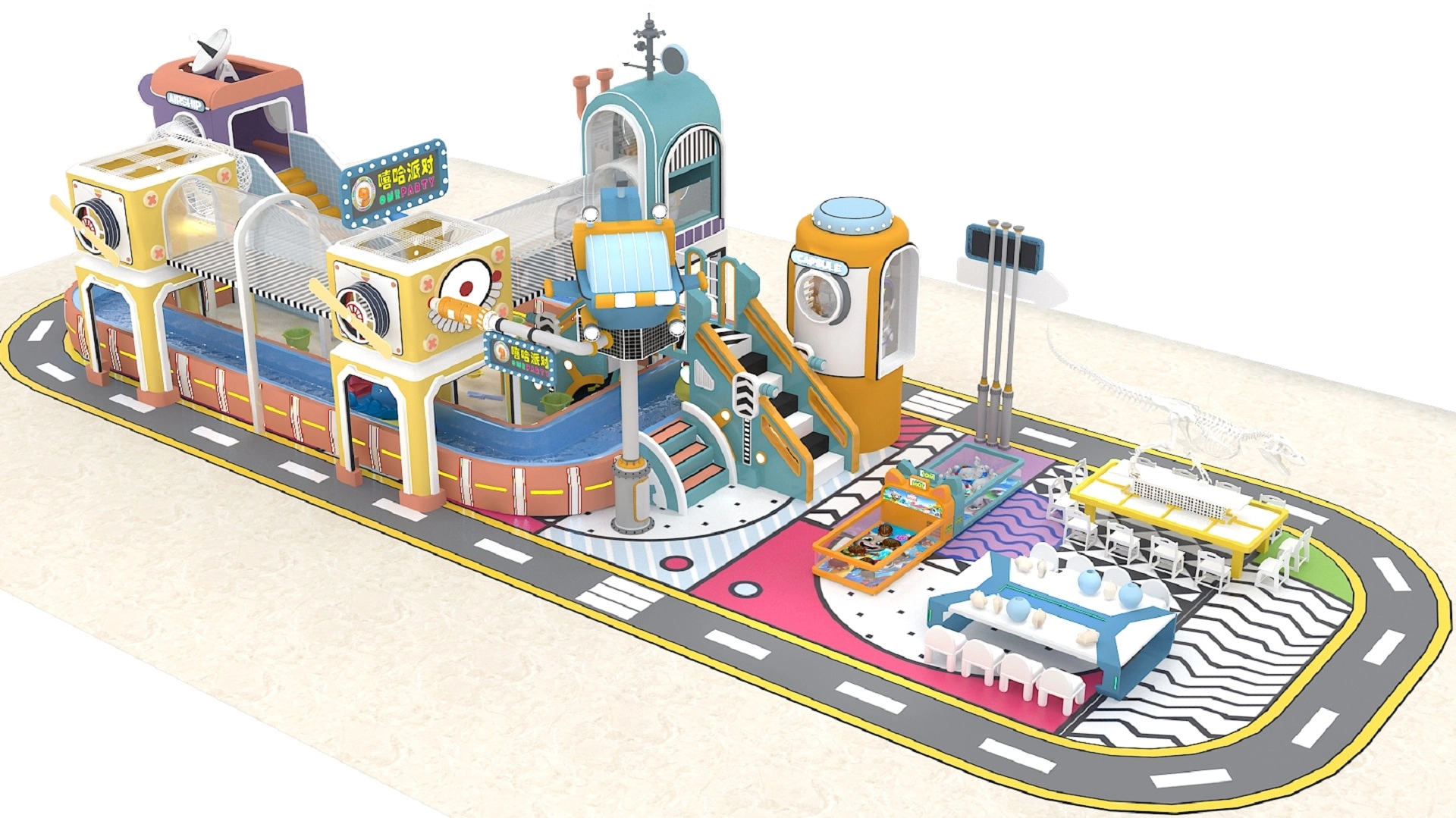
FEI FAN’s Dinosaur Theme Indoor Playground Equipment offers a safe, fun Kids Amusement Park experience with colorful Children Soft Playground features. Ideal for indoor play areas, it encourages active, imaginative play while ensuring comfort and safety. Perfect for all ages.
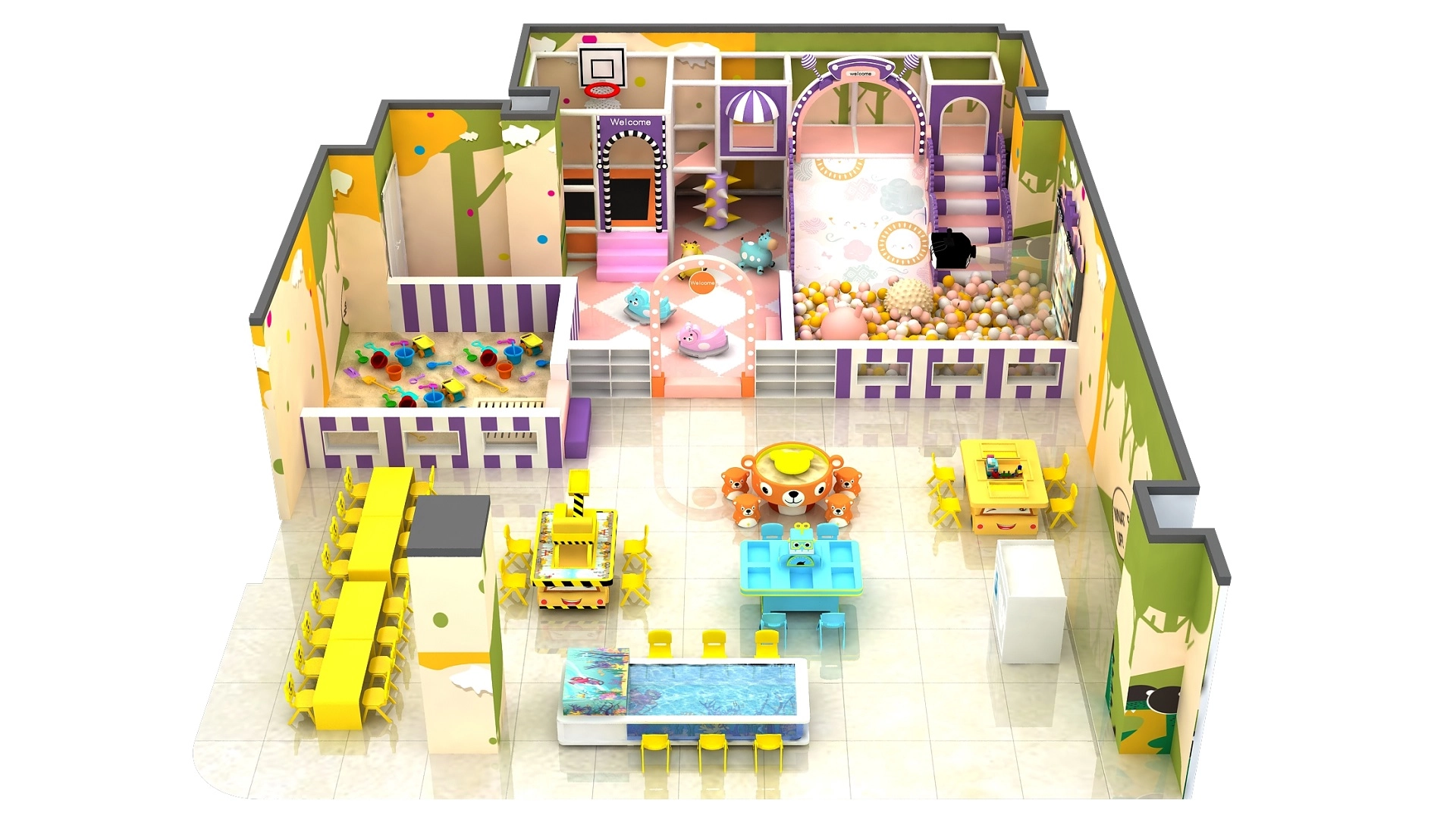
FEI FAN offers customized kids indoor playground equipment designed for commercial spaces. Our safe, durable indoor playground equipment creates fun, engaging environments that promote active play and development. Perfect for businesses seeking quality kids indoor playground solutions.

Get in touch
Let’s Build Your Dream Indoor Playground Together
Thank you for your interest in our products and services!
We’re dedicated to providing you with the best possible support and solutions for your needs.
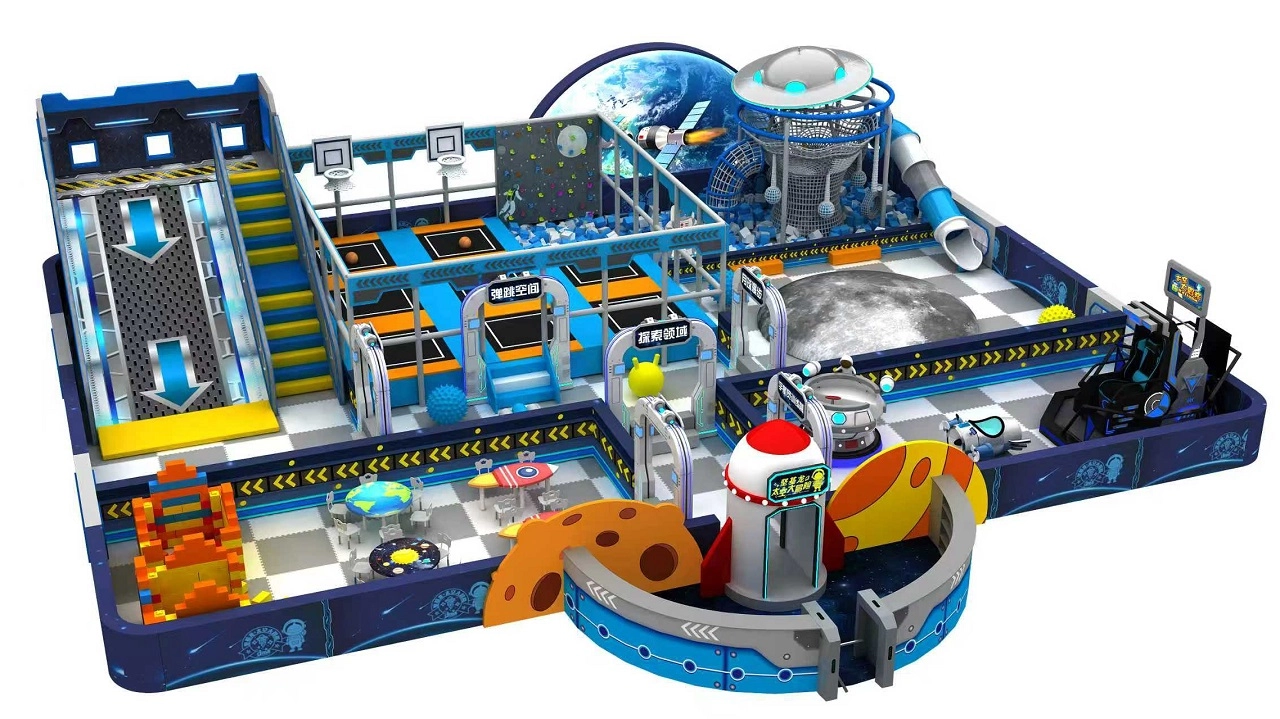
FEI FAN is a premier Indoor Playground Manufacturer specializing in Kids Soft Play Equipment. From design to installation, we provide one-stop solutions for indoor play centers, daycares, and commercial venues globally.
© 2025 Feifan Amusement Equipment. All Rights Reserved.
 Scan QR Code
Indoor Soft Playground
Whatsapp: +8619068970573
Scan QR Code