Inclusive Indoor Playground Equipment Designs
Designing Play Spaces Everyone Can Use
Why inclusive indoor playground equipment matters
Inclusive design is not just a compliance exercise — it is a business and social imperative. Around the world, an estimated 15% of the population lives with some form of disability, and a significant share are children. Designing indoor playground equipment that welcomes children of all abilities improves social development, extends dwell time for families, and broadens market reach for operators and developers. For commercial operators, inclusive designs reduce legal and reputational risk while increasing repeat visits and positive word-of-mouth.
Principles of inclusive indoor playground equipment design (indoor playground equipment)
Universal design: make play usable for as many children as possible
Universal design aims to create environments that everyone can use without adaptation. For indoor playground equipment this means: gentle slopes and ramps, transfer points at varying heights, tactile cues, auditory signals, quiet refuges, and multiple ways to access the same play outcome (e.g., climb, ramp, or elevator to a play platform). Embedding redundancy — offering several approaches to the same activity — helps children with different mobility, sensory, or cognitive profiles participate together.
Accessibility standards and legal frameworks (indoor playground equipment)
Designers and operators should refer to authoritative accessibility standards early in the project. Key references include the ADA Standards for Accessible Design and technical guidance from the U.S. Access Board for play spaces. Internationally, EN 1176 (playground equipment safety) and ASTM standards (where applicable) offer performance and surface guidance. Compliance with these standards is essential not only for safety but also for liability protection and insurance considerations.
Physical accessibility: ramps, transfer systems, surfacing (indoor playground equipment)
Ramps, transfers, and platform design
Provide at least one continuous accessible route to play areas. Ramps should have manageable slopes, handrails, and landing zones sized for caregiver and mobility-device maneuvering. Transfer platforms at slides and higher modules let children who use wheelchairs access elevated play. Keep entry points wide (minimum 32–36 inches where possible) and avoid single narrow passages that create bottlenecks.
Surfacing and impact attenuation
Accessible surfacing is foundational. Rubber tiles, poured-in-place resilient surfacing, and low-pile commercial carpeting with firm underlay provide wheelchair mobility and meet impact attenuation requirements. Loose-fill surfaces (e.g., sand, wood chips) are generally not appropriate for accessibility. When selecting surfacing, confirm it meets relevant ASTM or EN impact and accessibility criteria.
Sensory and neurodiversity-inclusive features (indoor playground equipment)
Sensory balance: stimulation and retreat
Sensory-inclusive indoor playground equipment design combines stimulating elements (lights, textures, sounds) with predictable, calming spaces where children can retreat. Sensory panels, tactile walls, enclosed swings, and soft lighting zones support neurodiverse children. Designs should allow caregivers to modulate intensity — for example, by placing high-sensory attractions away from quiet areas and providing dimmable lighting.
Sound management
Acoustic control reduces sensory overwhelm. Use absorbent ceiling baffles, soft wall treatments, and zoned audio systems so that sound in active zones does not bleed into quiet areas. Consider equipment that generates minimal mechanical noise, and specify coverings for hard surfaces that reflect sound.
Social inclusion and caregiver considerations (indoor playground equipment)
Sightlines, seating, and interaction spaces
Design sightlines so caregivers can supervise children in multiple zones without traversing the entire space. Provide adult seating that is integrated into play zones to encourage shared play. Inclusive indoor playground equipment should include multi-user hubs that naturally catalyze peer interaction, such as accessible merry-go-rounds, group swings, and low activity tables for cooperative games.
Family-scale features
Include features that support caregivers of varying needs: adult-sized changing tables, accessible restrooms, quiet nursing rooms, and storage for mobility devices. These elements increase comfort and make the facility accessible for extended visits.
Materials, safety and maintenance (indoor playground equipment)
Choosing materials for longevity and hygiene
Indoor playground equipment needs durable, easy-to-clean surfaces. High-density polyethylene (HDPE), powder-coated steel with anti-chip finishes, closed-cell foam, and antimicrobial vinyl coverings are common choices. Specify materials that resist wear and are repairable in modular sections to minimize downtime.
Regular inspection and maintenance routines
Adopt a documented inspection schedule aligned with ASTM/EN guidance: daily visual checks, weekly operational checks, and periodic third-party safety audits. Maintain a digital log of repairs and component replacements to support warranty claims and insurance audits.
Equipment types and inclusive adaptations (indoor playground equipment)
Examples of inclusive equipment
- Accessible swings with high backs and harness options
- Transfer platforms and low-rise slides
- Wheelchair-accessible merry-go-rounds and carousels
- Sensory panels at seated height and at various tactile levels
- Ground-level play modules (musical stations, activity tables)
- Quiet pods and swing hammocks for calming retreats
Designing for multiple modes of play
Provide parallel play pathways — for example, an elevated obstacle course with an adjacent ramp route that leads to the same elevated platform. This ensures children with mobility differences can reach the same destinations and participate in group dynamics.
Layout, zoning and circulation (indoor playground equipment)
Functional zones and recommended dimensions
Zoning clarifies activity types and simplifies supervision. Typical zones include:
- Active gross-motor (slides, climbing) — robust surfacing and clear fall zones
- Sensory and fine motor (panels, manipulatives) — lower, accessible heights
- Quiet/social (reading nooks, family seating) — acoustic control
- Circulation corridors — minimum widths for wheelchair turning and two-way flow
| Zone | Key features | Recommended clear width / area |
|---|---|---|
| Active gross-motor | Slides, climbing, trampolines; impact surfacing | Clear fall zones per equipment; 6–10 m² per child in high activity |
| Sensory / fine motor | Sensory panels, low tables, musical elements | Allow 1.5–2 m clear circulation; seated areas for caregivers |
| Quiet / social | Nooks, soft seating, nursing rooms | 3–5 m² per nook; acoustic treatment |
| Circulation | Ramps, corridors, transfer zones | Minimum 1200–1500 mm for two-way mobility-device flow |
These numbers are guidelines and should be adjusted to local codes and the specific user profile of the facility.
Cost estimates and return on investment (indoor playground equipment)
Typical cost components
Inclusive indoor playground equipment projects include design fees, custom equipment, surfacing, MEP adjustments (HVAC and acoustics), furniture, and installation. While inclusive elements (ramps, transfer platforms, specialized surfacing) can increase upfront costs versus minimal standard builds, they often lead to higher utilization rates, longer visits, and stronger community reputation.
| Item | Estimated cost range (USD) | Notes |
|---|---|---|
| Design & planning | $5,000–$25,000 | Depends on complexity and custom engineering |
| Equipment procurement | $20,000–$250,000+ | Modular indoor playground equipment varies by scale |
| Surfacing | $10–$60 per sq.ft | Higher for poured-in-place resilient surfaces meeting accessibility |
| Installation & commissioning | $5,000–$50,000 | Site prep, MEP adjustments |
| Maintenance (annual) | $2,000–$20,000 | Frequency dictated by usage and warranty |
Return on investment examples include increased ticket sales, birthday bookings, membership subscriptions, and food & beverage spend. Operators who invest in inclusive features often capture a broader customer base — families who value accessibility and longer-stay experiences.
Evidence and benefits: research-backed outcomes (indoor playground equipment)
Developmental and social benefits
Play supports physical health, social skills, language development, and emotional regulation. Inclusive indoor playground equipment offers repeated opportunities for mixed-ability social play, which fosters empathy, cooperation, and peer modeling. Agencies such as the World Health Organization and pediatric associations emphasize play as a core component of child development.
Partnering with a manufacturer: Guangzhou Feifan Amusement Equipment Co., Ltd. (indoor playground equipment)
Why choose FEI FAN for inclusive indoor playground equipment
Guangzhou Feifan Amusement Equipment Co., Ltd., established in 2017, is a comprehensive indoor playground equipment manufacturer integrating design, R&D, production, sales, and service. With a 6,400 m² factory building and a 5,800 m² office building, FEI FAN produces indoor playgrounds, trampoline park equipment, and outdoor amusement equipment. The company focuses on high-end indoor and outdoor children's amusement equipment and has built a strong domestic and international reputation.
FEI FAN competitive advantages
- Full-service delivery: professional design through after-sales service, enabling efficient one-stop solutions for operators.
- Customization capability: ability to engineer inclusive indoor playground equipment tailored to accessibility needs and site constraints.
- Manufacturing scale and quality: modern production facilities and quality-control processes to meet safety standards.
- Product range: indoor playgrounds, trampoline parks, and indoor theme parks allow integrated attractions that extend visitor stay and revenue.
- Experience in global markets: export experience and familiarity with international safety standards and client expectations.
FEI FAN positions itself as more than a manufacturer — a creator of joyful experiences, an enabler of parent-child interaction, and a partner in child development. For operators seeking to deliver inclusive, durable, and market-differentiated indoor playground equipment, partnering early with a manufacturer like FEI FAN can streamline design, reduce change orders, and ensure code-compliant outcomes.
Implementation checklist for operators and designers (indoor playground equipment)
Practical steps to deliver inclusive play
- Define the user profile: survey families and local community groups to understand mobility, sensory, and age-range needs.
- Engage a multidisciplinary team: accessibility consultant, pediatric occupational therapist, acoustical designer, and equipment manufacturer.
- Reference standards: use ADA, access-board guidance, and applicable ASTM/EN standards from concept through commissioning.
- Prototype and test: build a mock-up zone and gather input from children with diverse abilities before finalizing.
- Document maintenance: create a digital maintenance log and schedule regular safety audits.
Frequently Asked Questions (FAQs)
1. What makes indoor playground equipment truly inclusive?
Inclusive indoor playground equipment provides multiple ways to play, accessible routes to key destinations, surfaces suitable for mobility devices, sensory-balanced spaces, and caregiver amenities. True inclusion also involves programming and staff training that encourage participation for children of different abilities.
2. Do accessibility standards require specific equipment types?
Accessibility standards focus on routes, clearances, and access to play elements rather than mandating specific toys. Designers should follow ADA and access-board guidance for play spaces and reference ASTM/EN safety standards for equipment performance.
3. How much more does inclusive design cost?
Upfront costs vary by scope. Elements like ramps, accessible surfacing, and transfer platforms increase capital expenditure but often represent a small proportion of the total project cost while delivering broader market appeal and risk reduction.
4. Can existing indoor playground equipment be retrofitted for accessibility?
Many existing facilities can be retrofitted: adding ramps, ground-level play features, tactile panels, and acoustic treatments are common upgrades. A feasibility assessment by a qualified designer will identify the most effective retrofits.
5. How do I measure the success of an inclusive playground?
Measure success via utilization metrics (attendance, visit duration), customer satisfaction surveys (including families with disabilities), revenue indicators (memberships, F&B spend), and qualitative feedback from local disability organizations.
6. Where can I get certified inclusive equipment?
Look for manufacturers with demonstrated experience in inclusive design and documented compliance with relevant standards. FEI FAN, for example, offers customized inclusive indoor playground equipment solutions along with design and after-sales support.
Contact and next steps
If you are planning or upgrading an indoor playground and want a partner that understands inclusive design, contact Guangzhou Feifan Amusement Equipment Co., Ltd. to discuss customized indoor playground equipment, trampoline parks, or indoor theme park solutions. FEI FAN offers professional design, quality manufacturing, and one-stop delivery to help you create joyful, safe, and imaginative spaces for every child. Reach out to request a consultation, view product catalogs, or schedule a factory visit.
References
- U.S. Department of Justice, ADA Standards for Accessible Design. https://www.ada.gov/2010ADAstandards_index.htm (accessed 2025-11-30)
- U.S. Access Board, Play Areas Final Guidelines. https://www.access-board.gov/guidelines-and-standards/recreation-facilities/play-areas/ (accessed 2025-11-30)
- World Health Organization, Disability and health. https://www.who.int/news-room/fact-sheets/detail/disability-and-health (accessed 2025-11-30)
- Consumer Product Safety Commission (CPSC), Public Playground Safety Handbook. https://www.cpsc.gov/s3fs-public/325.pdf (accessed 2025-11-30)
- Allied Market Research, Playground Equipment Market Overview. https://www.alliedmarketresearch.com/playground-equipment-market-A14747 (accessed 2025-11-30)
- IPEMA (International Play Equipment Manufacturers Association). https://www.ipema.org/ (accessed 2025-11-30)
- Aspen Institute, Project Play — The Value of Play. https://www.aspenprojectplay.org/ (accessed 2025-11-30)
Installation Guide for Indoor Play Equipment
Indoor Playground Manufacturer Certification and Compliance
Soft Play Equipment: Materials and Maintenance Tips
Indoor Playground Surfacing Options and Safety
Indoor Playgrounds Trampoline Parks
Do you provide international installation and after-sales support?
Yes, we offer on-site installation guidance, professional teams in many regions, and long-term after-sales services worldwide.
Can you design different zones for different age groups?
Yes, we create separate play zones for toddlers, children, and teenagers to ensure safety and maximize engagement.
Shopping MallsRetail Centers
What is the warranty period?
We offer a 1–3 year warranty depending on the product type, along with lifetime technical support.
OEM & ODM
Can you match my brand’s color scheme and logo?
Absolutely! We offer full branding customization across the entire equipment.
For Products
How many square meters should we have to start an indoor playground ?
As usual,It is around in 50-500 square meters,For a large commercial center , it is about 500-2000 square meters.
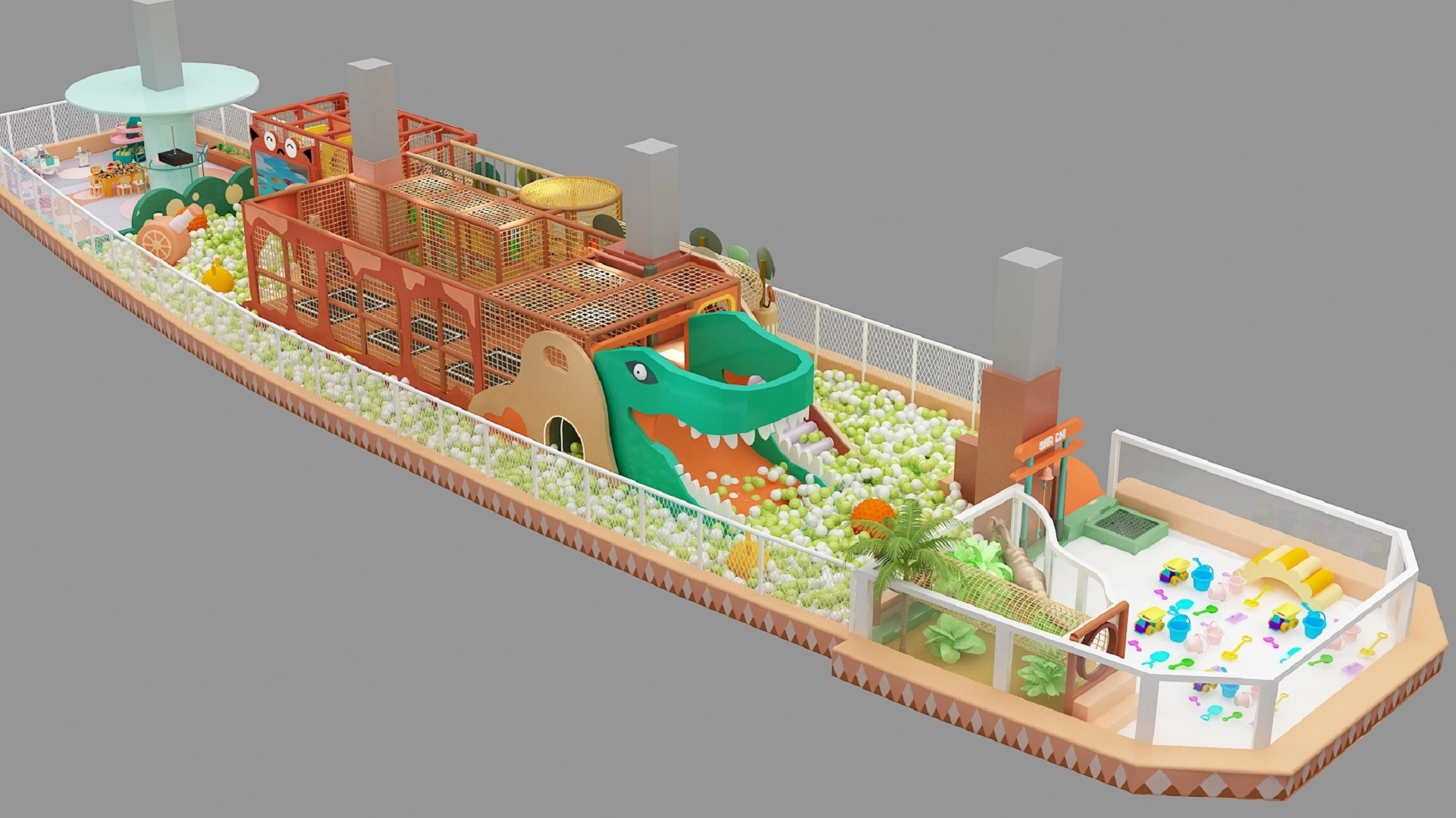
FEI FAN’s Dinosaur Theme Indoor Playground Equipment offers a safe, fun Kids Amusement Park experience with colorful Children Soft Playground features. Ideal for indoor play areas, it encourages active, imaginative play while ensuring comfort and safety. Perfect for all ages.
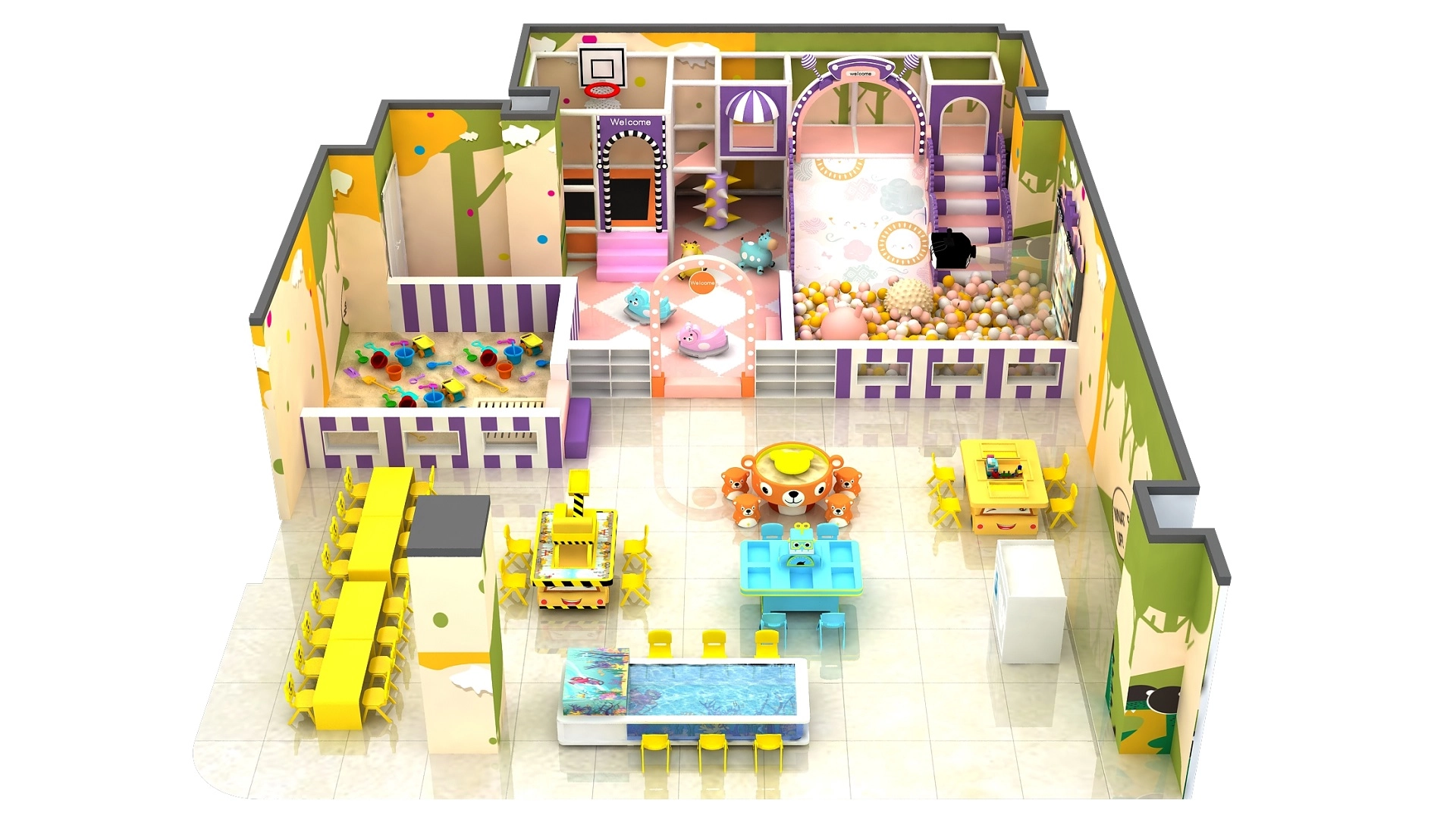
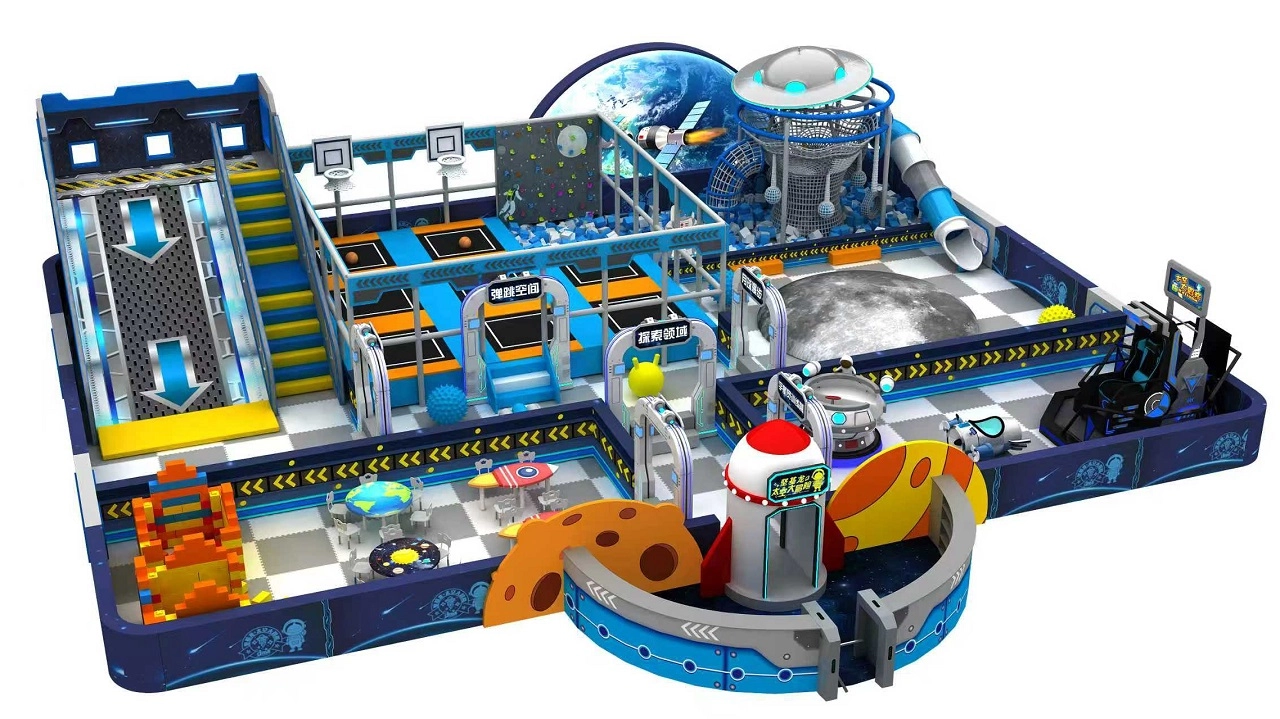
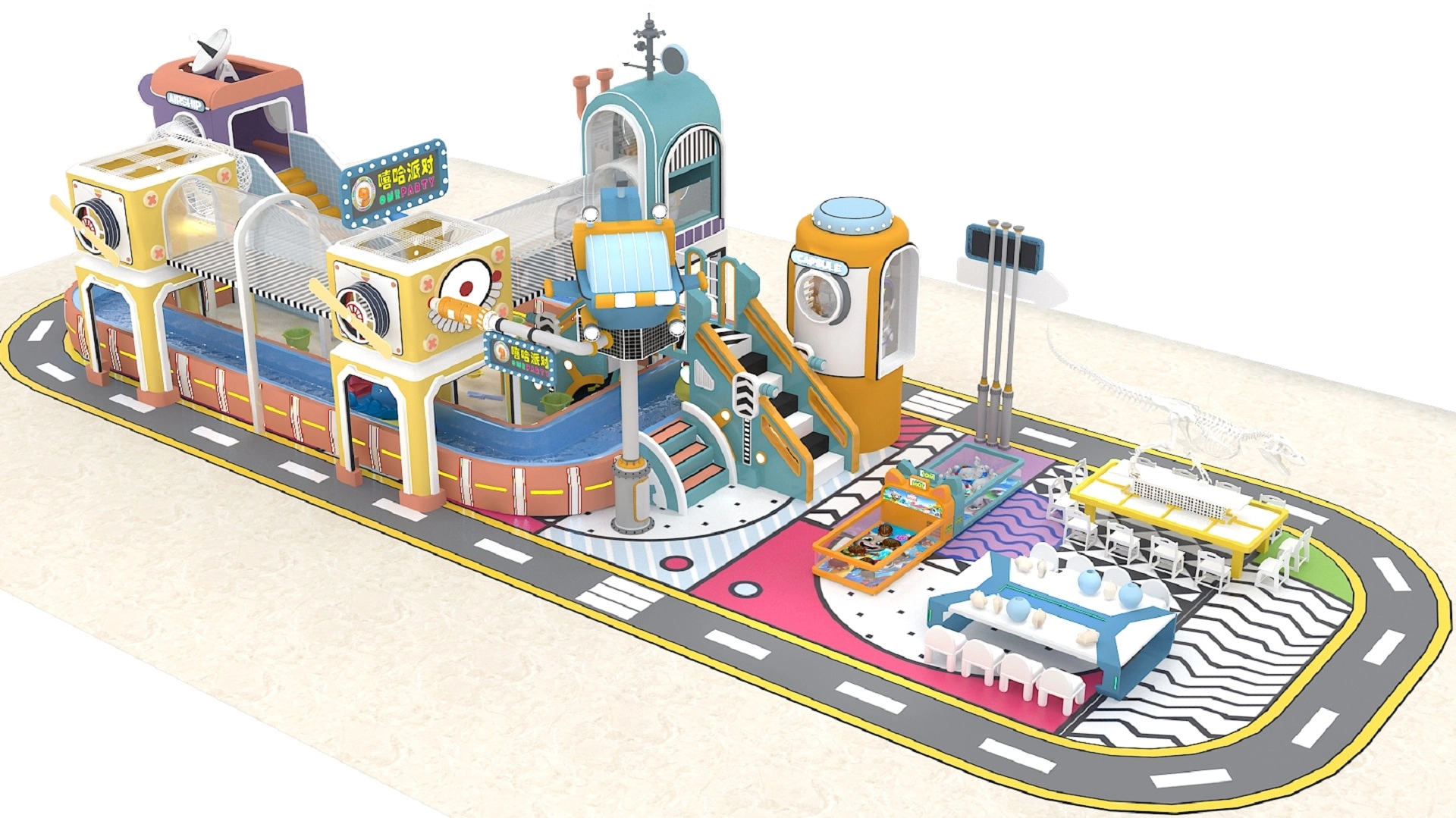
FEI FAN offers customized kids indoor playground equipment designed for commercial spaces. Our safe, durable indoor playground equipment creates fun, engaging environments that promote active play and development. Perfect for businesses seeking quality kids indoor playground solutions.

Get in touch
Let’s Build Your Dream Indoor Playground Together
Thank you for your interest in our products and services!
We’re dedicated to providing you with the best possible support and solutions for your needs.
FEI FAN is a premier Indoor Playground Manufacturer specializing in Kids Soft Play Equipment. From design to installation, we provide one-stop solutions for indoor play centers, daycares, and commercial venues globally.
© 2025 Feifan Amusement Equipment. All Rights Reserved.
 Scan QR Code
Indoor Soft Playground
Whatsapp: +8619068970573
Scan QR Code