Articles Written by Yolanda
Short answer: Indoor playground maintenance is the operating system that keeps a commercial play venue clean, inspectable, repairable, and documented. It should cover five jobs: clean and sanitize surfaces, inspect high-use zones, repair or replace damaged parts, keep useful records, and plan spare parts or supplier support. Manufacturer instructions, venue traffic, local requirements, and insurance expectations should shape the final schedule.
Indoor Playground Maintenance is not only a closing-time cleaning task. Operators need routines that staff can repeat, records that managers can review, and supplier documents that make repair decisions easier. Buyers also need to ask maintenance questions before choosing equipment, because material choices, inspection access, and spare-parts support affect the venue after opening.
Short answer: To start an indoor playground business, define the venue model, estimate startup and monthly costs, plan funding, check local licenses and permits, design the site, compare equipment suppliers on the same scope, prepare staff and maintenance systems, then launch in stages. The SBA startup-cost guide and SBA permit guide are useful starting points because cost and permit needs vary by business and location.
If you are researching how to start an indoor playground business, the risky shortcut is asking for an equipment price before the business is defined. A commercial indoor playground also needs a lease decision, local review, funding plan, insurance conversation, operating model, staffing plan, cleaning and inspection routines, booking systems, and working capital. Use the steps below to turn a broad idea into a project brief that landlords, local reviewers, insurers, lenders, and equipment suppliers can actually evaluate.
Indoor playground ROI is the return you expect after comparing startup investment with the profit the venue can realistically generate. Do not judge ROI from equipment price or a generic payback claim alone. Start with startup costs, monthly fixed costs, variable costs, and break-even volume; the U.S. Small Business Administration treats startup-cost planning as a way to estimate profit, conduct break-even analysis, attract investors, and request funding in its startup-cost guidance.
Indoor playground ROI becomes useful only when the model is specific to the site, attraction mix, local costs, pricing, staffing, party strategy, and supplier quote scope. This guide gives investors and operators a practical way to read ROI numbers, build a break-even model, and prepare the information an equipment supplier needs before a serious quotation discussion.
To build a commercial foam pit, first define the activity and users, confirm the applicable standards and site constraints, and then coordinate the structure, base system, padded perimeter, foam specification, entry, exit, inspection access, and operating plan. Treat the pit as a complete landing system, not a box of cubes includes foam pits within its trampoline-park safety scope.
Learning how to build a foam pit for a commercial venue starts with decisions that most DIY instructions skip. The intended activity, entry path, users, building conditions, operating model, and local requirements all affect the finished system. A playroom enclosure, a gymnastics training pit, and a trampoline-park dismount area are not interchangeable projects. This guide gives owners and buyers a practical planning sequence, shows which questions require supplier or local professional input, and carries the project through inspection and operational handover.
Traditional loose-fill foam pits commonly use flexible open-cell polyurethane (PU) blocks or cubes. A peer-reviewed gymnastics-studio study</a> describes polyurethane foam used in loose blocks, while a current pit-cube specification identifies open-cell PU. Closed-cell PE and EVA belong to a different material family and should not be treated as automatic substitutes.
What type of foam is used in foam pits is only the first question a commercial buyer should ask. A foam that works as loose pit fill is not necessarily the material specified for a wall pad, covered shape, floor mat, or support component. Buyers also need to compare density, firmness, dimensions, test scope, maintenance guidance, and the requirements that apply where the venue will operate. This guide turns those variables into a practical supplier-checking process.
Learn what an airbag jump is, how it is used in trampoline parks, how it differs from foam pits, and what operators should check before buying one.
An airbag jump is an attraction or training setup where a guest jumps from a trampoline lane, platform, ramp, slide, or jump tower into an inflatable landing airbag. In a trampoline park, it is usually designed to cushion planned landings, but it still needs clear rules, staff supervision, inspection, and maintenance rather than being treated as a risk-free landing area.
An airbag jump can look simple to guests: jump, land, exit. For a commercial trampoline park buyer, the decision is more complex. The right airbag landing depends on the activity, user group, jump height, available footprint, exit route, staff control, and local safety expectations. This guide explains what an airbag jump is, how it is used in trampoline parks, where it differs from ski or stunt airbags, and what operators should check before asking suppliers for a quotation.
Learn what affects trampoline park equipment cost, how to compare supplier quotes, and what to include when planning a commercial indoor trampoline park.
Trampoline park maintenance is not limited to cleaning mats or replacing an occasional spring. It is a continuous process that includes pre-opening inspections, equipment monitoring, preventive maintenance, repairs, recordkeeping, and periodic professional evaluation.
A structured maintenance program helps operators identify worn components before they cause longer closures or more extensive damage. It also provides the records needed to track recurring faults and decide whether a component should be repaired, replaced, or included in a wider equipment upgrade.
Maintenance schedules should reflect the equipment manufacturer's instructions, facility usage, equipment condition, applicable safety standards, insurance requirements, and local regulations. This guide explains what trampoline park maintenance includes, what operators should check at different intervals, how to estimate costs, and when aging equipment may need to be replaced.
Discover the most common indoor playground design mistakes that hurt your ROI. Learn how to optimize space, improve safety, and attract more families today.
commercial soft play equipment manufacturer
Discover the best indoor playground themes for 2026. Explore innovative indoor playground ideas to attract families and maximize commercial ROI.
Discover top trends shaping the amusement industry in 2026. Explore innovative designs, interactive tech, and safety standards for commercial play experiences.
Discover the complete guide to sourcing top-tier play structures. Learn factory auditing, safety standards, and shipping for your commercial amusement business.
Planning an investment? Discover the total indoor playground cost for 2026, including equipment prices, hidden startup fees, and ROI tips. Get a professional budget breakdown to launch your business.
Looking for profitable indoor playground ideas? Explore 50+ innovative designs and commercial play equipment strategies to attract families and boost ROI. Expert tips on layout, safety, and business growth.
Short answer: Soft play is cushioned indoor play built around padded surfaces, soft obstacles, crawl-through elements, slides, foam shapes, and age-appropriate activity zones. In everyday English, Cambridge Dictionary defines soft play as children's indoor play in an area with soft surfaces and equipment; in commercial projects, buyers should treat the phrase as a broad category that needs a clear equipment scope, user age range, supervision plan, and operating rules. Cambridge Dictionary's soft play definition supports the general language meaning, while ASTM F1918-21 shows that "soft contained play equipment" is also used as a formal standards term.
If you are planning an indoor playground, the real question is not only "what is soft play?" It is also "what kind of soft play do I mean?" A parent, a toddler-party rental company, an adult event venue, a U.S. standards document, and an indoor playground supplier may use overlapping words for different scopes. This guide explains the meaning, equipment, benefits, limits, business use, and buyer checks so you can move from a loose idea to a clearer project brief.
A comprehensive guide for commercial operators on selecting a premium indoor playground equipment manufacturer. It covers 2026 spatial design trends, essential safety standards like ASTM and EN1176, material specifications, and how partnering with an experienced factory-direct builder like FEI FAN ensures a high-ROI, safe, and visually stunning family entertainment center.
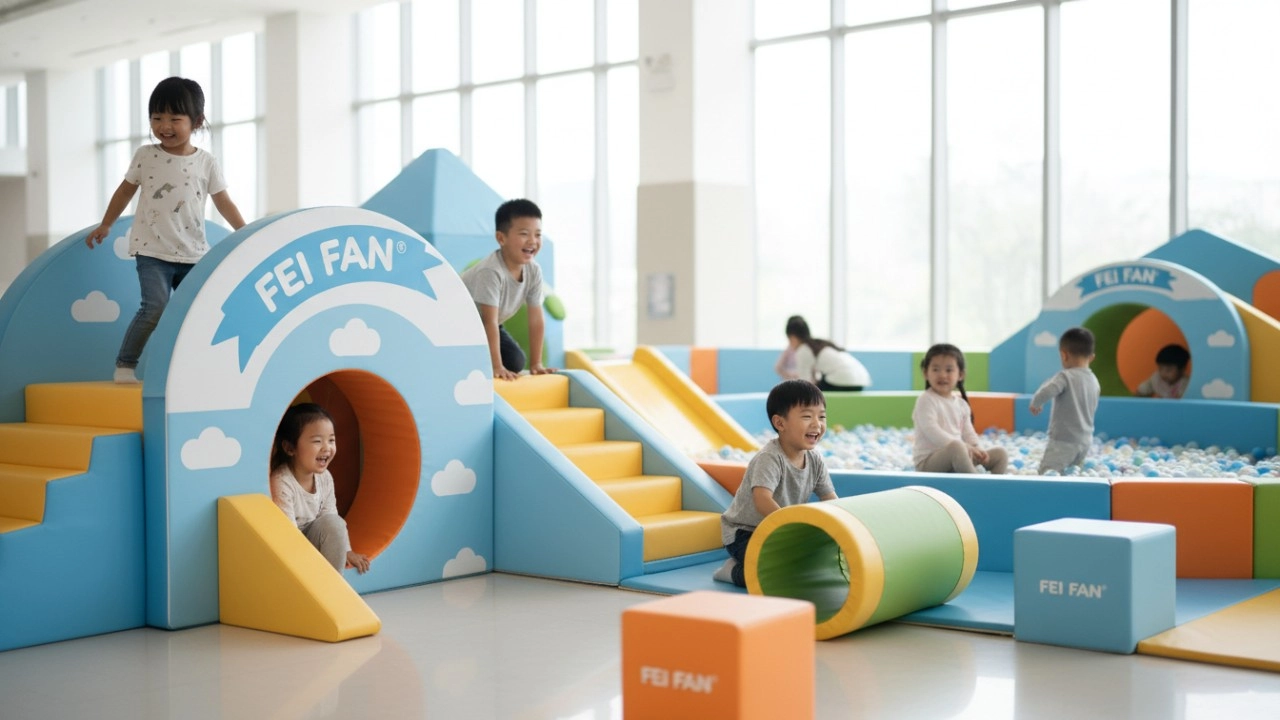
A comprehensive 2026 guide and ranking of the top 15 soft playground equipment manufacturers. Learn how to choose the right commercial supplier, understand industry safety standards, and maximize your indoor play center's ROI with turnkey solutions.
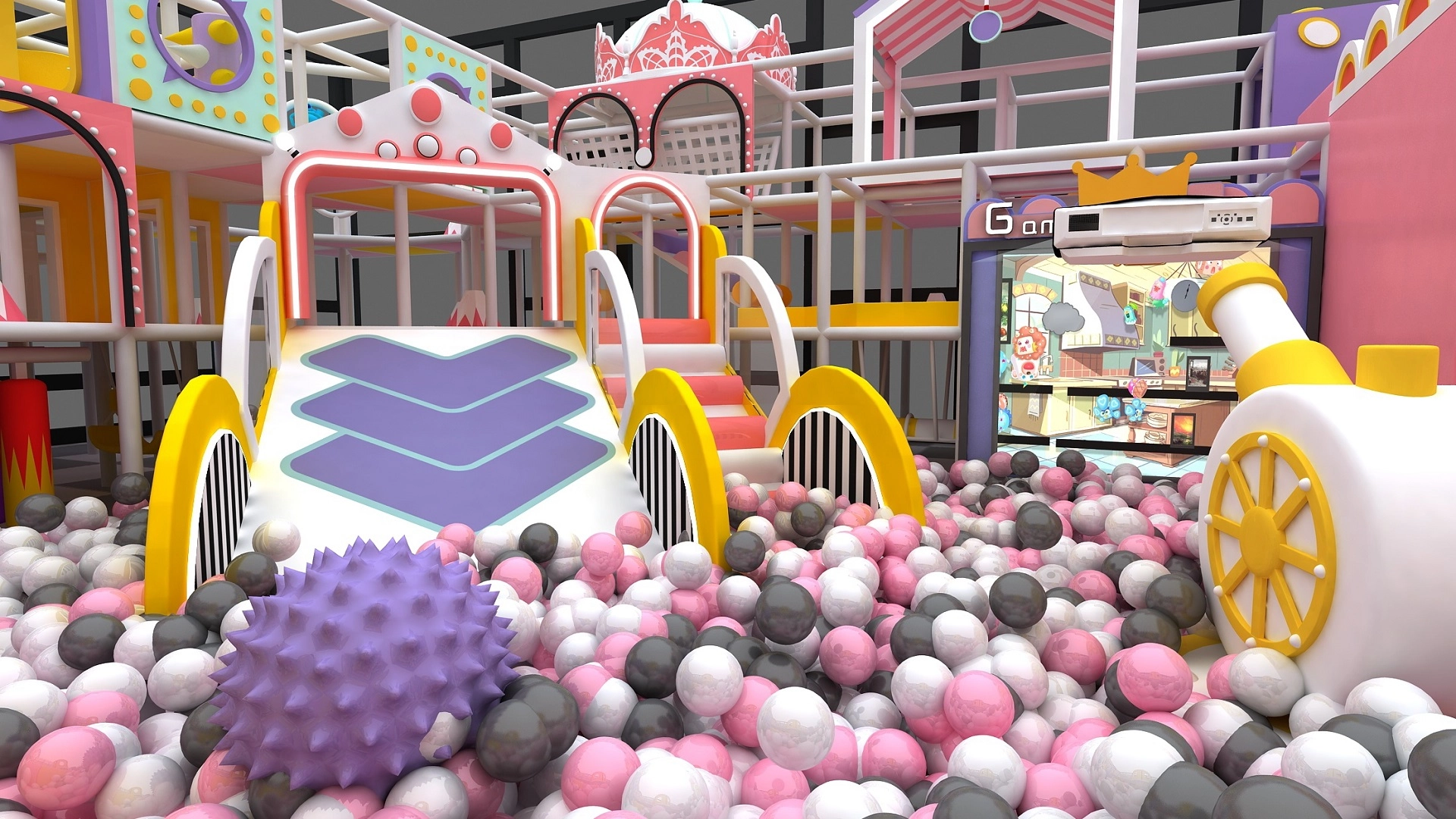
This article focuses on the preparation of designing one kids indoor playgrounds, covering four core dimensions: preliminary planning, site and functional layout, thematic decoration, and equipment selection with safety control. It comprehensively covers the core links of preparation, providing clear guidance for the scientific design preparation of the children's indoor playground.
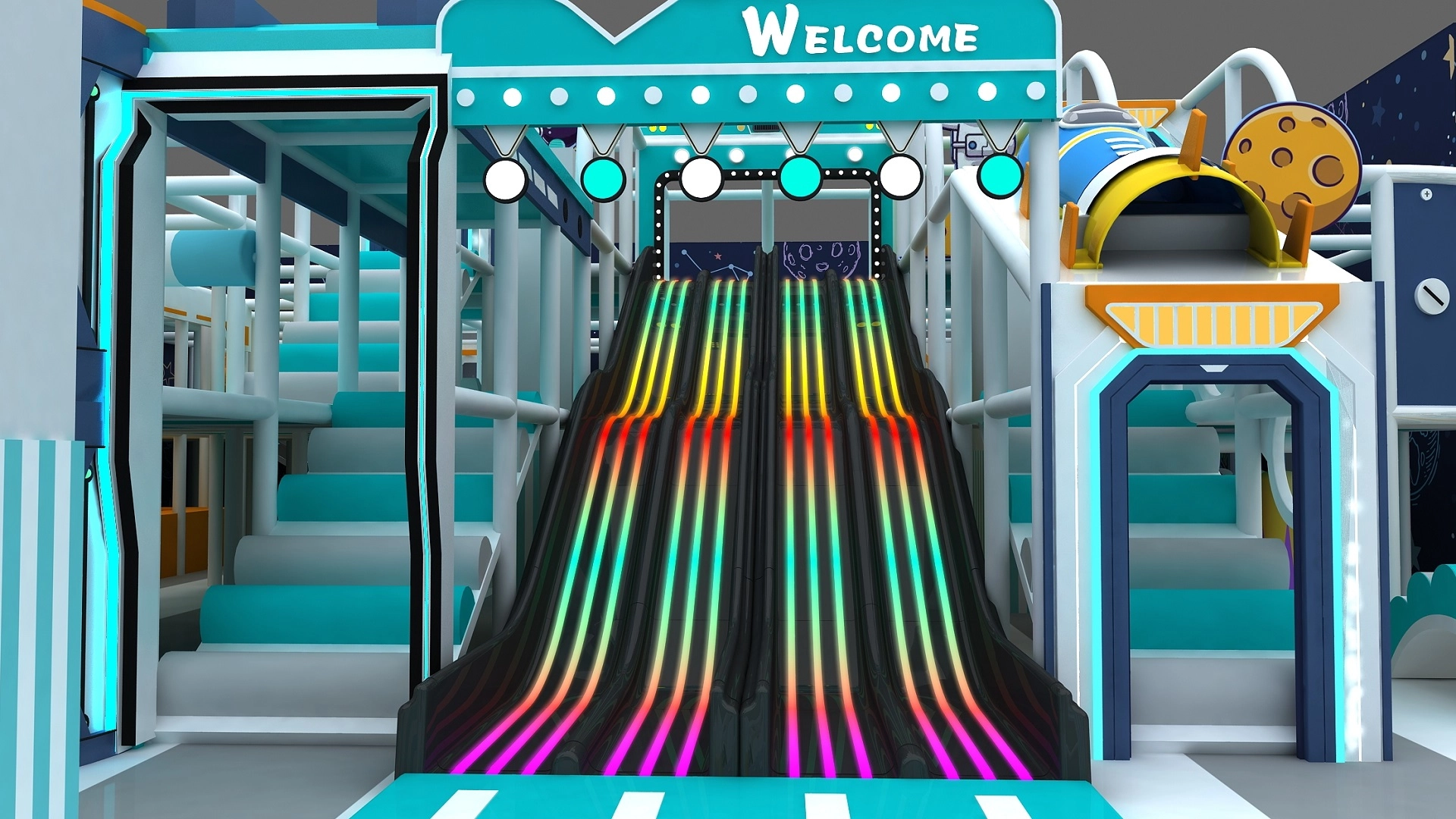
Discover the latest trends in European kids' indoor playgrounds and expert tips to build a high-end kids' soft play area. FEI FAN offers innovative designs and quality solutions to create safe, engaging, and stylish indoor play spaces for children. Enhance fun and safety today!
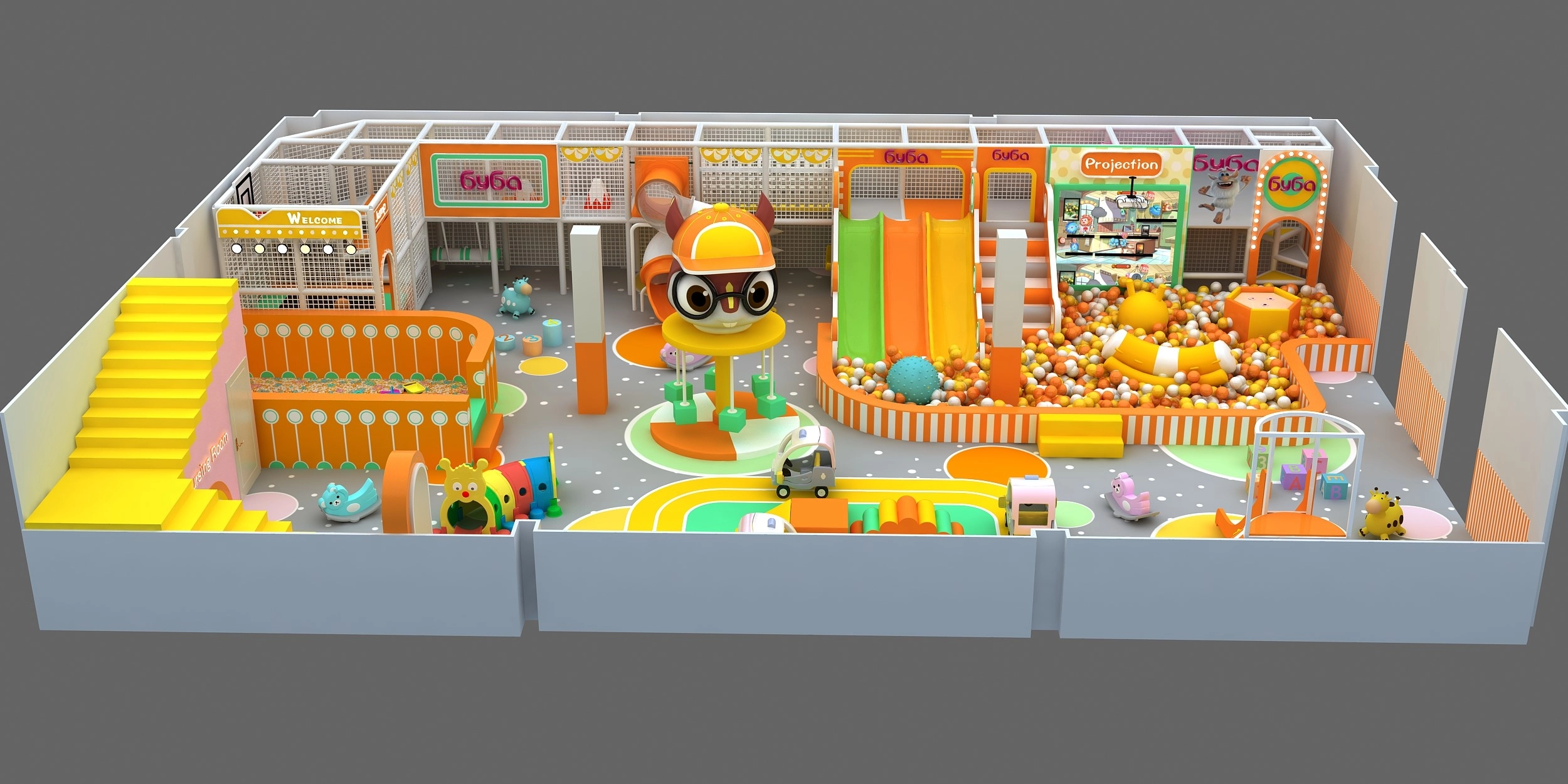
Plan indoor playground cost by separating equipment price, delivered-and-installed scope, full opening budget, equipped area, local review costs, and supplier quote readiness.
Discover how FEI FAN designs and builds safe, engaging kids' playgrounds with top-quality indoor playground and amusement equipment. Our expert approach ensures fun, creativity, and durability in every project, creating ideal play spaces for children’s growth and joy.
To design a kids indoor playground, start with the building, intended users, operating model, activity zones, circulation, equipment scope, and local safety or accessibility review before choosing the theme. Commercial projects should treat inspiration images as references, not as a finished specification, because standards and approvals depend on the actual location, equipment, and use case. For example, ASTM F1918 defines a soft-contained-play equipment scope, while U.S. accessibility guidance and other standards apply only within their own jurisdictions and scopes
A good indoor playground design is not simply a collection of slides, tunnels, ball pools, colors, and 3D renderings. For a commercial venue, the layout has to support visitors, caregivers, staff, cleaning, maintenance, installation, local review, and future supplier comparison. Use the design process below to move from ideas to a project brief that can be reviewed, priced, and revised.
In this FEI FAN guide, early budgeting for commercial indoor playground equipment uses broad planning bands: USD 8,000-30,000 for a small soft play or cafe corner, USD 30,000-70,000 for a mid-size play cafe, USD 60,000-150,000 for a standalone indoor playground, and USD 150,000-500,000+ for a large family entertainment center. Treat these as planning ranges for discussion, not a FEI FAN price list, final quotation, or guarantee.
Indoor playground equipment cost changes because buyers are not always pricing the same thing. One quote may cover only the play structure. Another may include design, packaging, freight, installation support, safety documentation, spare parts, or site coordination. This guide separates the main cost layers so you can compare supplier proposals more carefully and prepare a useful quote request.
/ Let’s Build Together
Partner With a Trusted OEM/ODM Manufacturer
We provide end-to-end support tailored to your business needs.

Aelen Tran
Property Manager
© 2026 Feifan Amusement Equipment. All Rights Reserved.
Scan QR Code
Indoor Soft Playground
Whatsapp: +8619068970573
Scan QR Code